


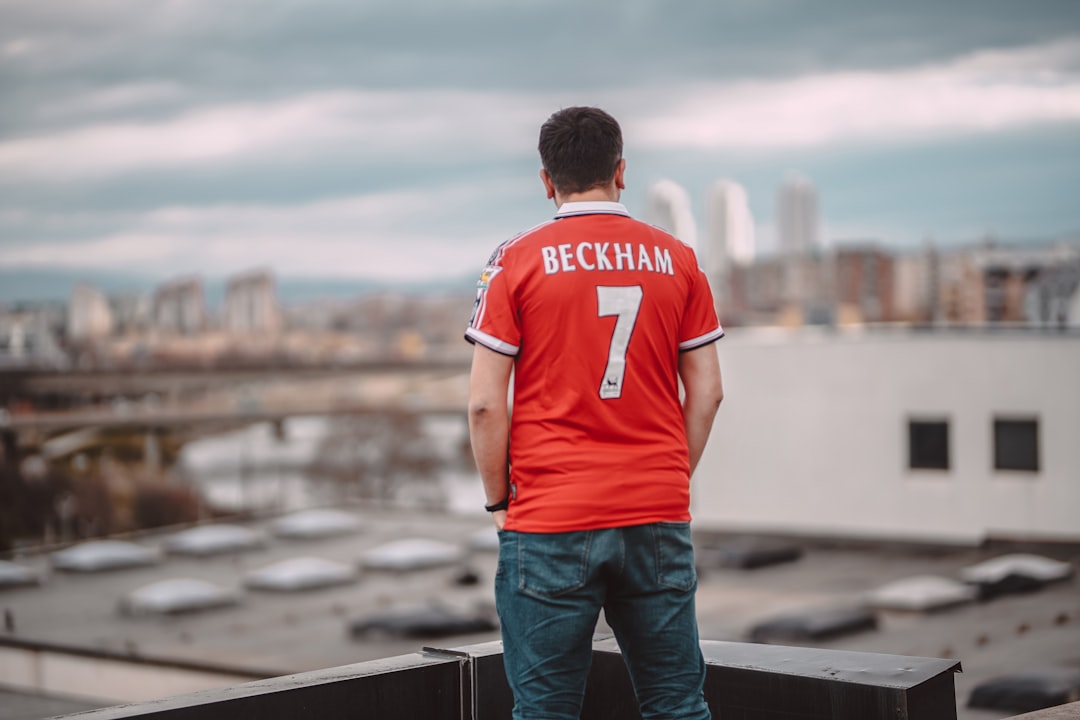
David Beckham, the English football icon whose career defined a generation of global sports fandom, is once again at the center of intense public discourse, though this time the focus has shifted from the pitch to the family business and public image. The 48-year-old former Manchester United and Real Madrid star, whose name remains synonymous with commercial success in the sports world, is navigating a period of heightened scrutiny regarding his family's commercial ventures. For Balkan audiences, particularly in Serbia and Croatia where Beckham's popularity during his tenure at Manchester United and the England national team was immense, his ongoing influence in global culture continues to resonate, even as his personal life faces new challenges.
The recent trend stems from reports surrounding the Beckham family's continued engagement in high-profile advertising and brand partnerships, which have sparked a mixed reaction from the public. While David Beckham maintains a low profile compared to his playing days, his children, particularly Brooklyn Beckham, are increasingly stepping into the limelight. The family's strategic moves in the fashion and lifestyle sectors are being closely watched, with critics and fans alike debating the authenticity of their brand in an era of heightened social media skepticism. This shift marks a significant evolution for a family that has long been viewed as the epitome of global celebrity success.
From Football Legend to Global Brand
David Beckham's transition from footballer to global brand ambassador is one of the most successful in sports history. His career, spanning clubs like Manchester United, Real Madrid, and LA Galaxy, was characterized by technical skill and an unparalleled ability to capture the public imagination. In the Balkans, Beckham was a cultural phenomenon; his move to Manchester United in 1992 and subsequent World Cup performances made him a household name in countries with deep football traditions. Serbian and Croatian fans, in particular, followed his career closely, often comparing his style to local icons.
Post-retirement, Beckham leveraged his fame into a business empire, co-owning SBOBET and various fashion lines, while also establishing the Beckham family brand as a powerhouse in lifestyle marketing. His influence extends beyond sports, impacting fashion, media, and philanthropy. However, this commercial success has not been without controversy. Critics argue that the family's ventures sometimes border on exploitation of their fame, a sentiment that has grown louder in recent years. The recent news cycle has reignited these debates, with public opinion divided between admiration for their business acumen and criticism of their perceived detachment from reality.
The Spotlight on Brooklyn and Family Ventures
The current trending topic centers largely on Brooklyn Beckham, David and Victoria Beckham's eldest son, who has been pursuing a career in photography and modeling. Brooklyn's recent involvement in various advertising campaigns, including a notable controversy surrounding a family-endorsed service, has drawn significant media attention. The incident, which involved a high-profile advertisement that some found tone-deaf given current economic pressures, has sparked a broader conversation about celebrity endorsements and social responsibility. For many, this represents a turning point in how the Beckham family is perceived, moving from aspirational icons to subjects of public critique.
Brooklyn's career trajectory has been closely watched, with many hoping he would carve out his own identity separate from his parents' shadow. However, the reliance on the family brand for his professional opportunities has led to accusations of nepotism and a lack of genuine merit. This tension is particularly relevant in the Balkans, where audiences have a strong appreciation for authentic talent and hard work. The region's media outlets have been quick to pick up on these narratives, framing the story as a cautionary tale about the limits of celebrity influence in the modern age. The debate highlights a growing disconnect between global celebrity culture and the everyday realities of fans.

Balkan Reactions and Cultural Impact
In the Balkans, the reaction to the Beckham family's latest controversies has been nuanced. In Serbia and Croatia, where football remains a central part of national identity, David Beckham is still respected for his sporting achievements, but the family's commercial endeavors are viewed with more skepticism. Local media have analyzed the recent advertising controversies, noting that the Balkan audience is increasingly critical of celebrity culture that appears out of touch with economic hardships. This shift reflects a broader trend in the region, where consumers are demanding more authenticity and social responsibility from public figures.
Despite the criticism, Beckham's legacy in the Balkans remains intact. His influence on the game, particularly in popularizing the "free kick" technique and a stylish approach to football, continues to be celebrated by younger generations. Football clubs in the region often reference Beckham as a benchmark for global stardom, and his merchandise remains popular. However, the recent news cycle has prompted a re-evaluation of his role as a cultural figure. Balkan audiences are now more likely to separate the player from the brand, appreciating his sporting genius while questioning the family's business practices. This distinction is crucial for understanding the evolving relationship between global celebrities and regional fans.

As the debate over the Beckham family's public image continues, the coming months will be critical in determining how their brand adapts to changing public sentiments. The family's response to the recent controversies, including any potential changes in their advertising strategies, will be closely monitored by both fans and critics. For Balkan audiences, the story serves as a reminder of the power and pitfalls of celebrity culture in the digital age. Whether David and Victoria Beckham can maintain their relevance in a rapidly shifting media landscape remains to be seen, but their impact on global sports and culture is undeniable. The next chapter of their story will likely be shaped by how they navigate these challenges and engage with a more discerning public.


Comments