



Romania’s qualification for the 2026 FIFA World Cup has shifted the national conversation from mere participation to serious tactical preparation. At the center of this growing discourse are two of the country’s most respected football analysts, Dan Alexa and Gabi Tamas. Their recent collaborative breakdowns of potential group stage scenarios have captivated Romanian fans and sparked debate across the Balkan region. As the 2026 FIFA World Cup approaches, these experts are providing a roadmap for how the national team, managed by Edward Iordănescu, can navigate the expanded 48-team format.
The trending nature of Dan Alexa’s commentary stems from his reputation for blunt, data-driven analysis. Unlike traditional pundits who rely on nostalgia, Alexa dissects formations, pressing triggers, and transitional phases with surgical precision. His recent videos and articles have focused heavily on Romania’s defensive vulnerabilities against high-pressing opponents, a common trait among top-tier Balkan rivals like Serbia and Croatia. This practical approach resonates with a fanbase eager for realistic expectations rather than hollow optimism.
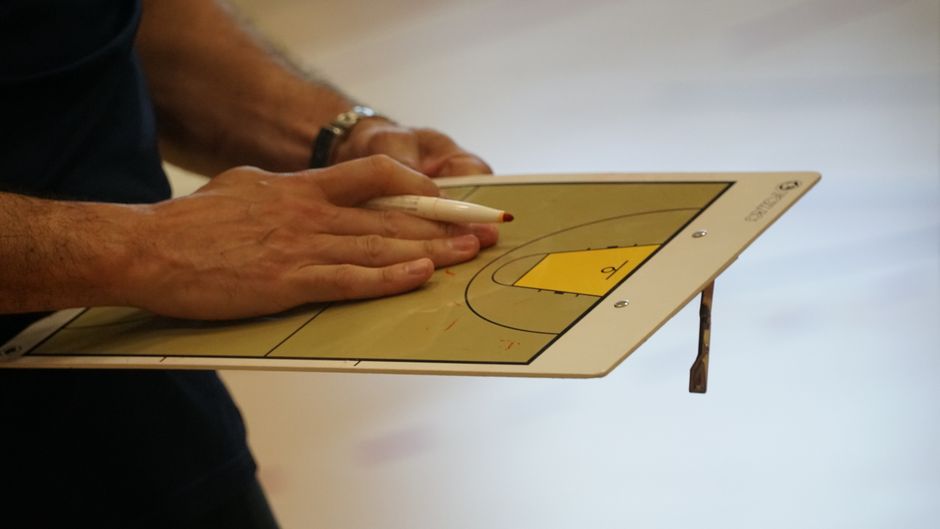
Expert Breakdowns and Tactical Realities
Dan Alexa and Gabi Tamas have recently published a series of joint analyses evaluating Romania’s potential group stage opponents. Their work highlights the shift in global football dynamics, where the gap between elite nations and mid-tier teams has narrowed. Alexa specifically points out that Romania’s success will depend on its ability to control midfield transitions and exploit set-piece opportunities. He argues that the national team’s reliance on individual brilliance from players like Dragoș Nedelcu and Nicolae Stanciu must be balanced with collective structural discipline.
Tamas complements this by focusing on historical context and psychological preparation. He emphasizes that Romanian football has a rich history of upsetting larger nations, citing past performances in European Championships. However, he warns that the 2026 format requires greater squad depth. The analysts suggest that coaches must prepare multiple tactical setups, as teams may face different styles of play within a short span of days. Their content has gone viral on Romanian social media platforms, with thousands of shares and comments dissecting every strategic point.
The duo’s analysis also touches on the physical demands of the tournament. With more matches and potentially longer travel distances, fitness management is critical. Alexa notes that Romanian clubs in the Serie A must prioritize player recovery protocols to ensure national team assets arrive in peak condition. This insight bridges the gap between domestic league performance and international success, offering a holistic view of the preparation process.
The Balkan Context and Regional Rivalries
For Balkan audiences, the Romania 2026 narrative is inextricably linked to regional rivalries. The Balkans have produced some of the world’s most tactically astute players, and the competition between nations like Serbia, Croatia, Bosnia and Herzegovina, and North Macedonia remains fierce. Dan Alexa’s commentary often draws comparisons to these neighbors, noting that Romania must elevate its intensity to match the physicality of Serbian or Croatian sides. This regional lens adds a layer of urgency to the preparations, as football pride is a significant cultural driver in the Balkans.
The trending discussions also highlight the shared challenges faced by Balkan football associations. Issues such as youth development, infrastructure, and financial stability are common themes. Alexa and Tamas argue that Romania’s recent investments in youth academies could pay off in 2026, providing a fresh wave of talent. However, they caution that without proper integration into the senior team, this talent pool remains underutilized. The analysis serves as a mirror for other Balkan nations, prompting similar debates about their own World Cup prospects.
Furthermore, the media landscape in the Balkans is highly interconnected. Romanian football content is widely consumed in neighboring countries, especially among diaspora communities. The popularity of Dan Alexa’s analyses reflects a broader appetite for technical football discourse in the region. Fans are no longer satisfied with superficial previews; they demand deep dives into tactics and player performance metrics. This shift indicates a maturing football culture that values expertise and insight.
Looking Ahead: What to Watch in 2026
As the 2026 World Cup draws nearer, the focus will shift from analysis to execution. Dan Alexa and Gabi Tamas will continue to monitor the national team’s progress, offering updates on squad selections and tactical adjustments. Key matches in the coming months, particularly against European rivals, will serve as crucial test cases for Edward Iordănescu’s strategies. Fans should watch for how Romania handles high-pressure situations and whether the defensive solidity highlighted by Alexa can be maintained against elite opposition.
The impact of these expert analyses extends beyond the pitch. They have fostered a more informed and engaged fanbase, capable of critiquing performances with greater nuance. This engagement is vital for the long-term health of Romanian football. By demanding higher standards and deeper understanding, fans contribute to a culture of excellence. The trending status of Dan Alexa’s content is a testament to this evolving relationship between media, experts, and supporters.
For Balkan audiences, the 2026 World Cup represents a chance for regional pride on the global stage. Romania’s journey, closely scrutinized by analysts like Alexa and Tamas, offers a template for other nations in the region. The combination of tactical rigor, historical pride, and modern analysis creates a compelling narrative that transcends borders. As the tournament approaches, the insights provided by these experts will remain a valuable resource for anyone following the beautiful game in the Balkans and beyond.
Comments