


The Last Destroyer in Midfield
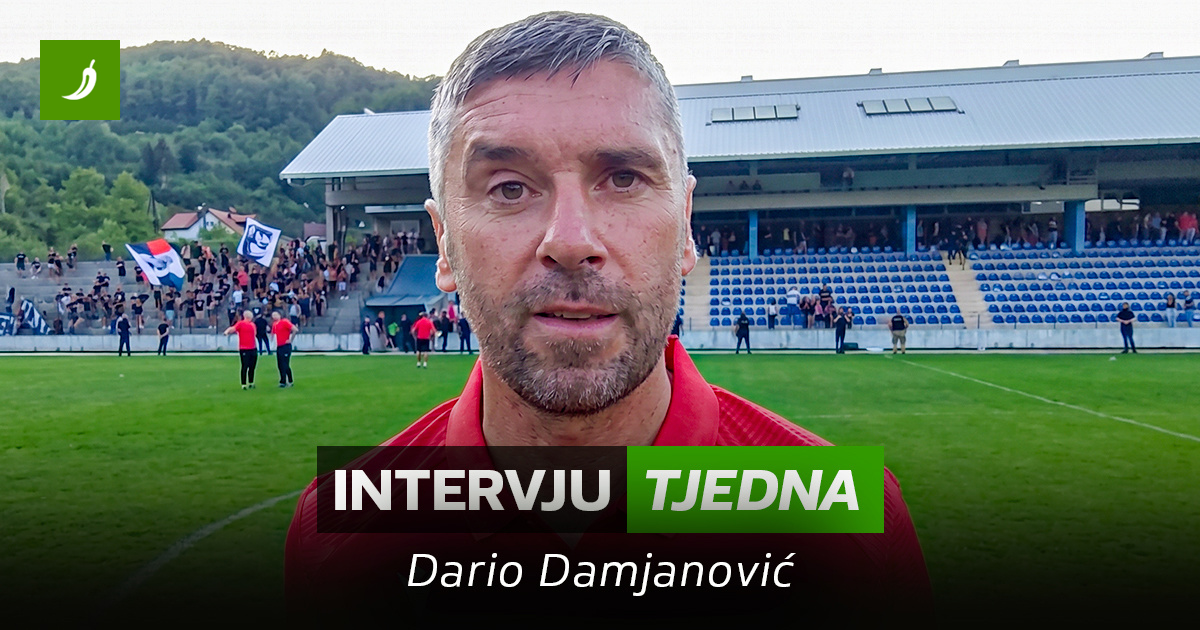
He called it "heavy defense, kill and slaughter if necessary." Dario Damjanović wasn't just joking. The 44-year-old Bosnian legend played with a ferocity that modern football has largely sanitized. A tireless runner, a deconstructor of attacks, the last true defensive midfielder in an era of possession-obsessed passing triangles. Fans in Croatia still remember him best from his time at Hajduk Split, where he arrived in 2004 and immediately hoisted the league title. But before the glory of Split, there was Modriča, where he won the Bosnian Cup in 2004 before financial ruin forced him out of the game entirely. A call from Hajduk didn't just save his career; it changed his life.
Ronaldo, Iniesta, and the Vugrinec Factor
He played against the gods. Cristiano Ronaldo. Andrés Iniesta. Luka Modrić. But ask Damjanović who gave him the most trouble, and he doesn't name a global superstar. He names Ivan Vugrinec. The Croatian veteran, known for his grit and tactical intelligence, was the toughest nut to crack. Damjanović was sold to Russia in 2008 for a million euros, later plying his trade in Kaiserslautern and across clubs in Bosnia and Serbia. His playing days are done, but the fire burns on. He recently caught up with former national teammate Edin Džeko in Sarajevo. No business deals, no hidden agendas. Just old friends, coffee, and stories from the trenches.
Coaching in the Balkan Wild West
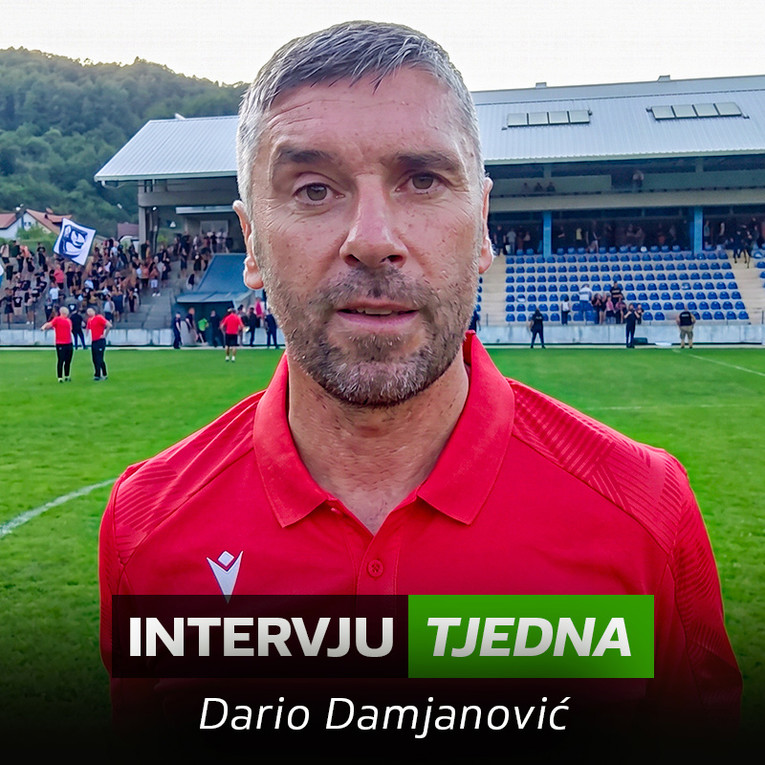
Today, Damjanović is a coach, but the path is anything but smooth. His last senior role at Igman Konjic ended abruptly after just one month. Now, he works with youth, running a local football school and organizing annual tournaments. He is studying for his UEFA Pro license, aiming to break into the senior ranks. But he sees a system rigged against merit. "All positions seem pre-reserved for certain people," he says. In Bosnia, and he suspects Croatia too, sport is "beautifully broken." Coaches become scapegoats for failures that belong to the boardroom. He faced lack of balls, lack of pitches, and arbitrary decisions from management. "It's easier to fire one coach than 20 players," he sighs. Yet, he persists. For the kids. For the love of the game. And maybe, just maybe, for a day when the system makes sense.


damjanović is legit rn that vugrinec take is wild ngl. coaches getting tossed after a month is just sad tbh. hope he gets that pro license soon...