



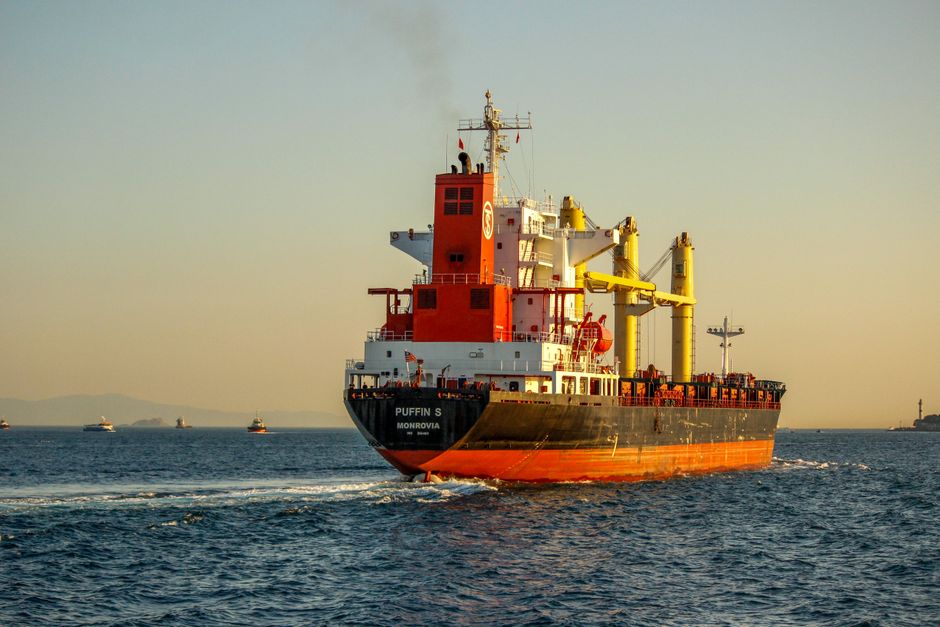
A significant maritime incident involving a Ukrainian vessel has triggered heightened security measures and political scrutiny along the Istanbul Strait, one of the world's most critical waterways. Reports indicate that a ship operating under the Ukrainian flag was involved in an event that resulted in damage to the vessel and raised immediate concerns about navigational safety in the heavily trafficked channel. The incident has drawn international attention, particularly because the strait serves as a vital link between the Black Sea and the Mediterranean, connecting major ports across the Balkans, including Thessaloniki in Greece and Constanța in Romania.
The revelation of the damage extent has intensified debates regarding the enforcement of international maritime laws and the application of the Montreux Convention. This 1936 treaty regulates the passage of naval and merchant vessels through the Turkish Straits, granting Turkey the right to control traffic during times of war or perceived threat. As global tensions remain high, the incident underscores the strategic vulnerability of this chokepoint, which handles millions of tons of grain, oil, and other goods annually. For Balkan nations reliant on these trade routes, any disruption poses a direct economic risk.
Context and International Maritime Regulations
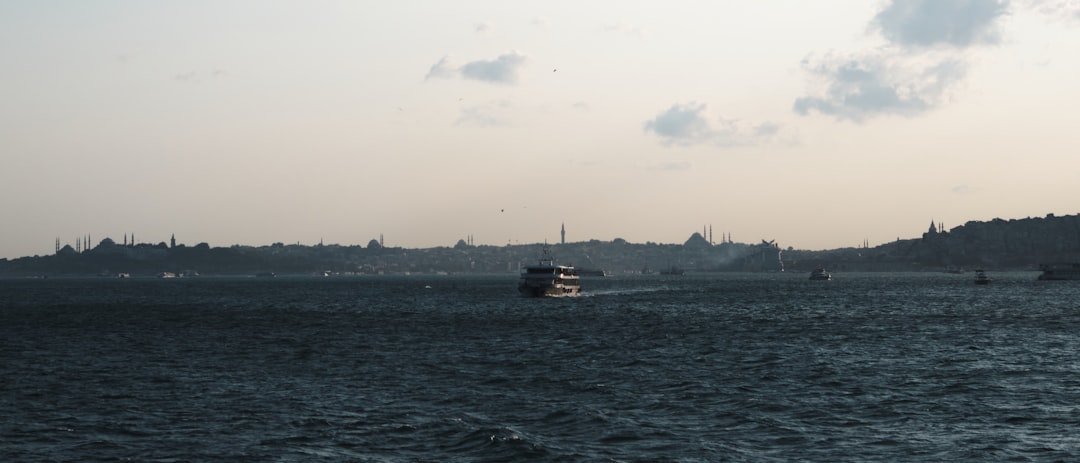
The Istanbul Strait, part of the larger Turkish Straits system, is a narrow, winding waterway that separates Europe from Asia. It is not merely a geographical feature but a legal and strategic nexus. Under the Montreux Convention, Turkey asserts sovereignty over the straits while allowing freedom of passage for merchant ships in peacetime. However, the convention also permits Turkey to restrict or regulate passage if it deems itself threatened or if war breaks out involving Turkey or a Black Sea power.
Recent years have seen increased scrutiny of vessels transiting the strait, particularly those linked to nations involved in the ongoing conflict in Ukraine. The incident involving the Ukrainian ship highlights the complexities of enforcing these rules. Authorities in Istanbul have emphasized that all vessels must comply with strict safety and security protocols. The damage reported suggests a potential violation of navigational standards or an external impact, prompting a thorough investigation by Turkish maritime security agencies. This case serves as a reminder that the strait is not just a transit route but a zone of intense geopolitical sensitivity.

Economic and Strategic Impact on the Balkans
For the Balkan region, the stability of the Istanbul Strait is inseparable from economic health. Countries like Serbia, North Macedonia, and Bosnia and Herzegovina rely on access to the Black Sea via the Danube River and subsequent transit through the straits for their export of agricultural products and industrial goods. Any delay or closure in the Istanbul Strait ripples through the supply chains of these landlocked and semi-landlocked nations, increasing shipping costs and causing logistical bottlenecks.
Furthermore, the energy dimension cannot be overlooked. The strait is a key route for oil tankers moving from the Caspian region and the Black Sea to European markets. Disruptions here can influence fuel prices across the Balkans, affecting everything from household heating to industrial production. The recent incident has prompted regional governments to reassess their contingency plans for maritime logistics. Trade ministers in Bulgaria and Romania have already begun consultations to mitigate potential downstream effects on their ports, which act as the primary gateways for Balkan trade entering the Mediterranean.
Security Measures and Future Implications
In response to the incident, Turkish authorities have announced enhanced monitoring protocols for all vessels entering the Istanbul Strait. This includes increased patrols by the coast guard and stricter inspections for ships with flags associated with conflict zones. The move aims to prevent future accidents and ensure that the strait remains open for legitimate commercial traffic. However, critics argue that such measures could lead to slower transit times, potentially exacerbating congestion in a waterway already known for its narrow passages and strong currents.
The international community, including the International Maritime Organization (IMO), is watching the situation closely. There are calls for transparency in the investigation and for Turkey to provide clear guidelines on how the Montreux Convention will be applied in the current geopolitical climate. For Balkan audiences, the key question is whether this incident marks a turning point in the regulation of the strait, leading to a more restrictive regime that could hinder regional trade. As negotiations continue, the balance between security and free passage remains precarious.
What to watch for next is the official report from the Turkish maritime authority detailing the cause of the damage and any sanctions imposed on the vessel's operators. Additionally, regional trade associations in the Balkans are expected to issue statements on how they plan to adapt to potential delays. This situation highlights the enduring interconnectedness of the Balkans with global maritime routes, where a single incident in Istanbul can have reverberations far beyond the Turkish coast. Staying informed on these developments is essential for businesses and policymakers relying on the stability of the Black Sea-Mediterranean corridor.


Comments