


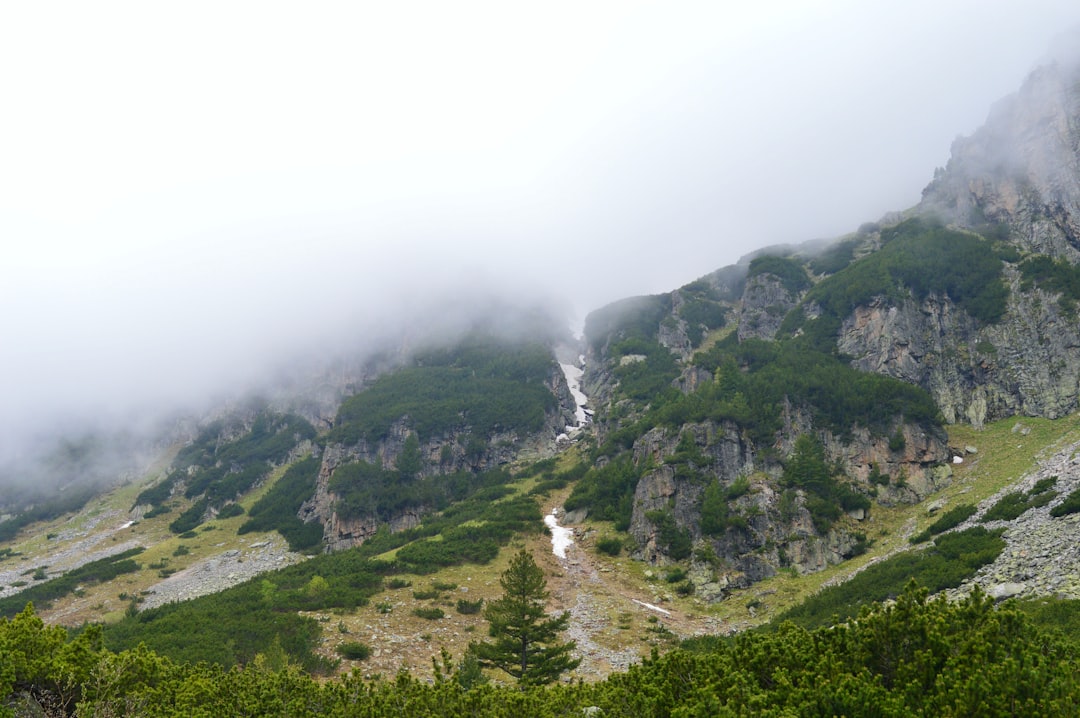
The asphalt in the Balkans doesn't just hold you up; it argues with you. I learned this on a Tuesday morning near Ohrid, when a sudden downpour turned a scenic coastal road into a slick, black mirror reflecting the jagged peaks of the Accursed Mountains. My chain was slipping, my socks were soaked, and a local farmer in a white van slowed down, rolled down his window, and yelled something that definitely wasn't "good luck." It was probably a warning about the pothole ahead, which I hit seconds later with a bone-jarring thud. That is the Balkan cycling experience. It isn't a sanitized, paved ribbon of perfection like the Dutch bike lanes. It is raw, chaotic, and utterly alive. You are riding through the ruins of empires, past olive groves that have stood since antiquity, and into villages where the coffee is strong enough to wake the dead. If you want a gentle spin, go to the Netherlands. If you want to earn your dinner and see a world that refuses to be tamed, you grab a bike here.
This isn't just about sport; it's about survival and discovery. The Balkans offer some of the most dramatic elevation changes in Europe, mixed with coastlines that curve like a lover's embrace. The roads are often narrow, winding, and shared with sheep, tractors, and drivers who treat lane markings as suggestions. But the payoff is a landscape that feels ancient and immediate. You aren't just passing through; you are part of the traffic, part of the noise, part of the history. Here are the three routes that define the region's two-wheel soul, each offering a different kind of grit and glory.
The Adriatic Edge: From the Sea to the Skies
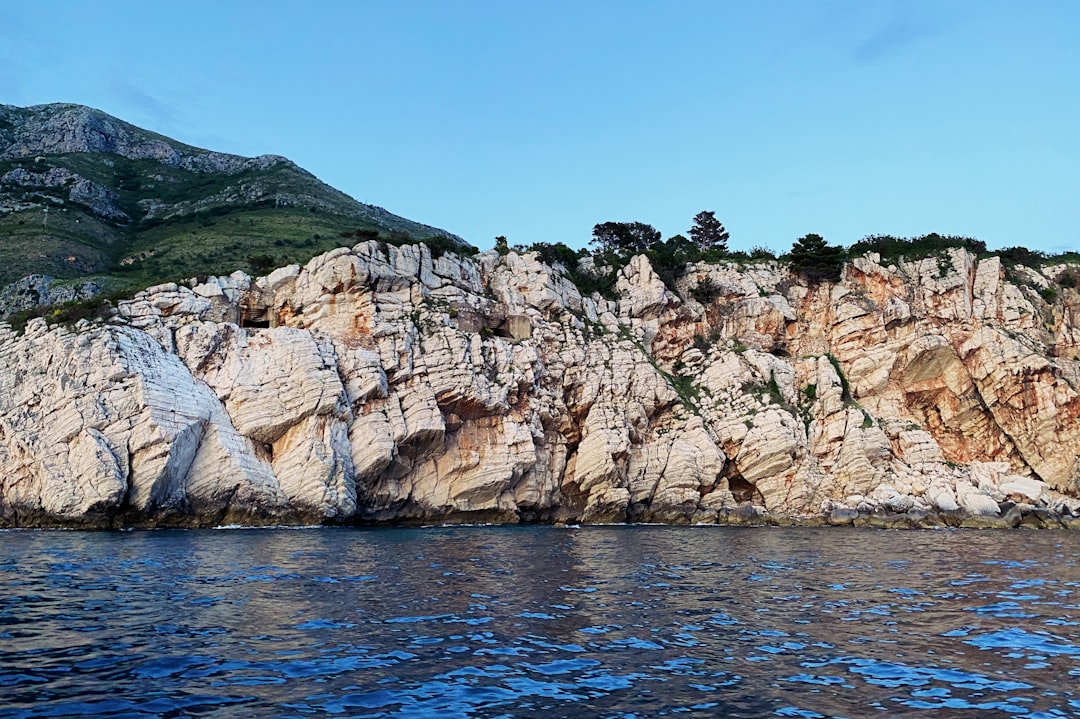
The western Balkans are defined by the Adriatic Sea, a stretch of coastline that feels like it was carved by a madman's chisel. The route from Dubrovnik northward into Montenegro and beyond is a masterclass in contrast. You start at sea level, where the air smells of salt and pine, and you climb into the mountains where the air is thin and the silence is heavy. The road from Dubrovnik to Kotor is legendary among cyclists, not for its ease, but for its relentless climbs and dizzying drops. You will pass through tunnels carved into rock, cross bridges that span deep valleys, and find yourself suddenly overlooking the bay as if you've stepped off a cliff.
The real magic happens when you leave the coast and head inland. The road to Kotor itself is a marvel of engineering, a serpentine path that climbs from the medieval old town up to the fortress above. But the true test is the climb to the border with Bosnia and Herzegovina, where the landscape shifts from Mediterranean scrub to dense, green forests. The towns here are small, often just a cluster of houses clinging to the side of a mountain. You will stop for coffee in places that don't appear on most maps, served by people who have seen centuries of empires rise and fall. The food is simple but powerful: fresh seafood, grilled meat, and cheese that tastes like the earth it came from.
The Danube Corridor: History on the Flatlands
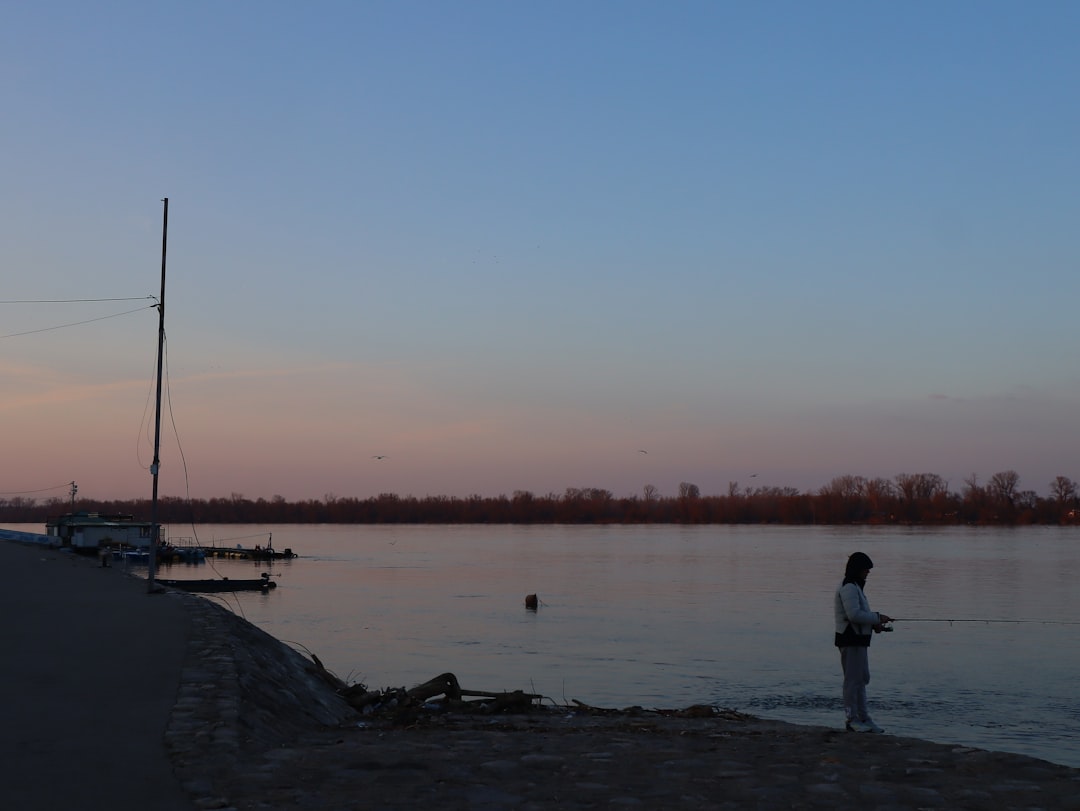
If the Adriatic route is about vertical drama, the Danube route is about horizontal depth. The river has been a border, a trade route, and a battlefield for thousands of years, and cycling along its banks feels like riding through a living museum. The section from Belgrade to Budapest is particularly compelling, offering a mix of flat terrain and rich history. The road is well-maintained in many sections, making it accessible for riders of all levels, but the real reward is the cultural tapestry you pass through. You will ride past fortresses that have witnessed sieges, vineyards that have produced wine for royalty, and villages where time seems to have stopped.
The Danube cycle path is not just a recreational trail; it is a testament to human resilience. You will cross borders that were once impenetrable, now open to tourists and locals alike. The towns along the river are vibrant, with bustling markets and lively cafes. In Belgrade, you will feel the energy of a city that refuses to sleep, with its nightlife spilling into the streets until dawn. In Budapest, you will find the elegance of a capital that has survived wars and floods, its architecture a blend of styles that reflect its complex history. The route is flat, which might sound boring to some, but the flatness allows you to cover more ground and see more of the landscape. You will pass through fields of wheat, forests of oak, and vineyards of Tokaj, each offering a different flavor of the region.
The Albanian Riviera: Wild Coast and Ancient Roads
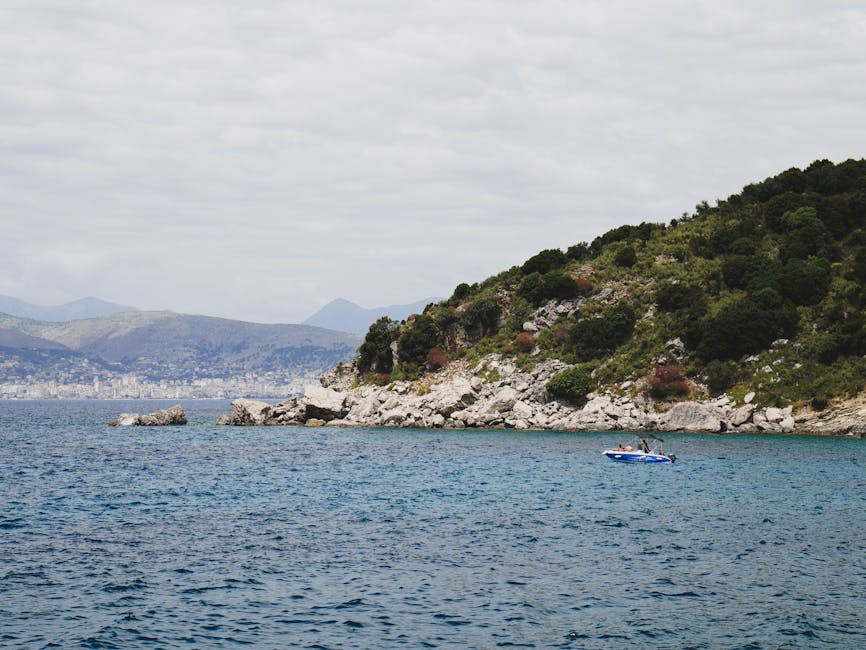
Albania is the wild card of the Balkans, a country that has only recently opened its doors to the world. The Albanian Riviera, a stretch of coastline from Saranda to the Greek border, is one of the most beautiful and least developed cycling routes in Europe. The roads are narrow, winding, and often in poor condition, but the scenery is breathtaking. You will ride past beaches that rival the Maldives, through olive groves that date back to Roman times, and into villages that have been abandoned and then reclaimed by nature. The people here are friendly and curious, often stopping to ask where you are from and why you are cycling. They are proud of their country and eager to share it with the world.
The route from Saranda to Gjirokaster is particularly challenging, with steep climbs and sharp turns that will test your skills. But the reward is a view of the stone city of Gjirokaster, a UNESCO World Heritage Site that sits atop a hill like a crown. The city is a maze of narrow streets and stone houses, with a castle that offers a panoramic view of the surrounding mountains. The food here is rustic and delicious, with dishes like byrek and tavë kosi that are as old as the country itself. The Albanian Riviera is not for the faint of heart, but for those who are willing to embrace the chaos, it offers an experience that is unlike anything else in Europe.
Routes & Trail Info
The Balkans offer a variety of cycling routes, from flat riverside paths to steep mountain climbs. Here are three key routes to consider for your two-wheel adventure.
Adriatic Coast Route (Dubrovnik to Kotor) Total distance: 60 km (one-way) Elevation gain: 1,200 m Estimated duration: 5-7 hours Difficulty: Experienced This route is known for its steep climbs and sharp turns, making it suitable only for experienced cyclists. The road is narrow and shared with traffic, so caution is advised. The scenery is spectacular, with views of the Adriatic Sea and the surrounding mountains.
Danube Cycle Path (Belgrade to Budapest) Total distance: 200 km (one-way) Elevation gain: Minimal Estimated duration: 4-5 days Difficulty: Beginner This route is flat and well-maintained, making it suitable for cyclists of all levels. The path follows the Danube River, offering views of the riverbanks, forests, and vineyards. The towns along the way are vibrant and offer plenty of food and accommodation options.
Albanian Riviera Route (Saranda to Gjirokaster) Total distance: 120 km (one-way) Elevation gain: 1,500 m Estimated duration: 2-3 days Difficulty: Intermediate This route is challenging, with steep climbs and sharp turns. The roads are narrow and often in poor condition, but the scenery is breathtaking. The route passes through beautiful beaches, olive groves, and ancient villages.
Getting There & What to Expect
The Balkans are well-connected by air, with major hubs in Belgrade, Zagreb, and Athens. From there, you can take buses or trains to smaller towns and cities. Renting a bike is possible in most major cities, but it is often more economical to bring your own. If you are bringing your own bike, make sure it is well-maintained and equipped with good tires and brakes. The roads in the Balkans can be rough, and you will need a bike that can handle the terrain.
Accommodation ranges from budget hostels to mid-range hotels. In Dubrovnik, you can expect to pay 30-50 EUR for a hostel bed and 80-150 EUR for a mid-range hotel. In Belgrade, prices are lower, with hostels costing 15-25 EUR and mid-range hotels 40-80 EUR. In Albania, prices are even lower, with hostels costing 10-20 EUR and mid-range hotels 30-60 EUR. Food is cheap and delicious, with meals costing 5-10 EUR in most places.
The best time to cycle in the Balkans is from April to October. The weather is mild and the roads are dry. However, be prepared for sudden changes in weather, especially in the mountains. Bring layers, rain gear, and plenty of water. The Balkans are a land of contrasts, and the weather is no exception.
Search accommodation in Dubrovnik on Booking.com →
The Final Kick: Why You Must Ride Here
I remember sitting on the edge of a cliff in Montenegro, my legs burning from the climb, my lungs heaving for air. Below me, the Adriatic Sea stretched out to the horizon, a deep, endless blue. Above me, the sky was a canvas of clouds, shifting and changing with the wind. I was tired, sore, and covered in dust, but I had never felt more alive. That is the gift of cycling in the Balkans. It strips away the comforts of modern life and forces you to confront the raw beauty of the world. You are not a tourist here; you are a participant. You feel the road beneath your wheels, the wind in your face, and the history in your bones. It is not easy, but it is worth it. Every mile, every climb, every drop is a reminder that life is not meant to be passive. It is meant to be ridden, fought for, and enjoyed. So grab your bike, hit the road, and see what the Balkans can do to you. You might not like it at first, but you will never forget it.
Comments