


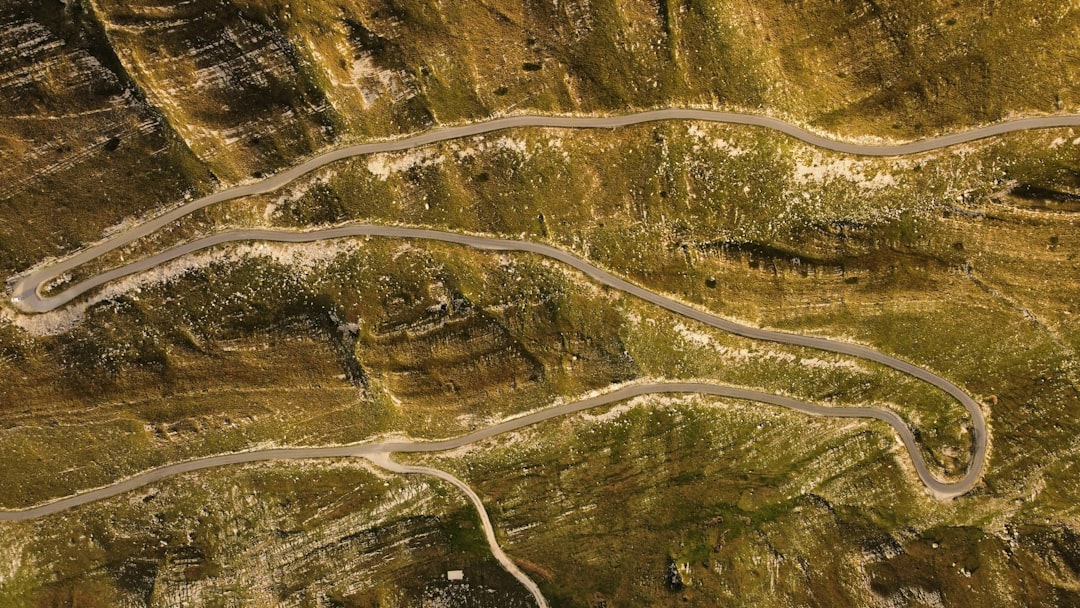
I was three hours into a headwind so violent it felt like the Adriatic Sea had decided to punch me in the chest, and my chain was singing a high-pitched song of impending doom. I was somewhere on the coastal road near Dubrovnik, Croatia, sweat stinging my eyes, wondering why I hadn't just taken a bus like a civilized human being. Then I crested a hill and saw the limestone karst landscape drop away into a sea of turquoise, dotted with ancient stone villas that looked like they’d been placed there by a giant with a sense of humor. In that moment, the pain vanished. This is the Balkan cycling paradox: it is brutally difficult, often poorly signposted, and occasionally terrifying, but it offers a visceral, unfiltered connection to a region that refuses to be polished for tourists. You don't just see the Balkans on a bike; you earn it, pedal stroke by painful pedal stroke.
The Balkans are not the Netherlands. There are no flat, gentle lanes lined with tulips. This is a land of jagged mountains, crumbling Roman roads, and villages that cling to cliffsides like barnacles. Cycling here is an act of rebellion against the comfortable, air-conditioned bubble of modern travel. It’s about getting lost in the Macedonian hinterland, sharing rakija with shepherds in the Albanian Alps, and realizing that the best meals are found in places you can only reach by turning your legs into pistons. If you’re looking for ease, go to Paris. If you’re looking for soul, grab a helmet and head south.
The Dinaric Alps: Where the Road Ends and the Adventure Begins
The backbone of the western Balkans is the Dinaric Alps, a jagged spine of limestone that runs from Slovenia through Croatia, Bosnia, Montenegro, and into Albania. This is not for the faint of heart. The roads here are narrow, winding, and often lack guardrails. But the payoff is unparalleled. Cycling through Mostar, Bosnia and Herzegovina Mostar, offers a surreal juxtaposition of medieval architecture and modern chaos. You can ride along the Neretva River, feeling the spray on your face, then climb into the surrounding hills where the silence is absolute, broken only by the call to prayer echoing from distant minarets.
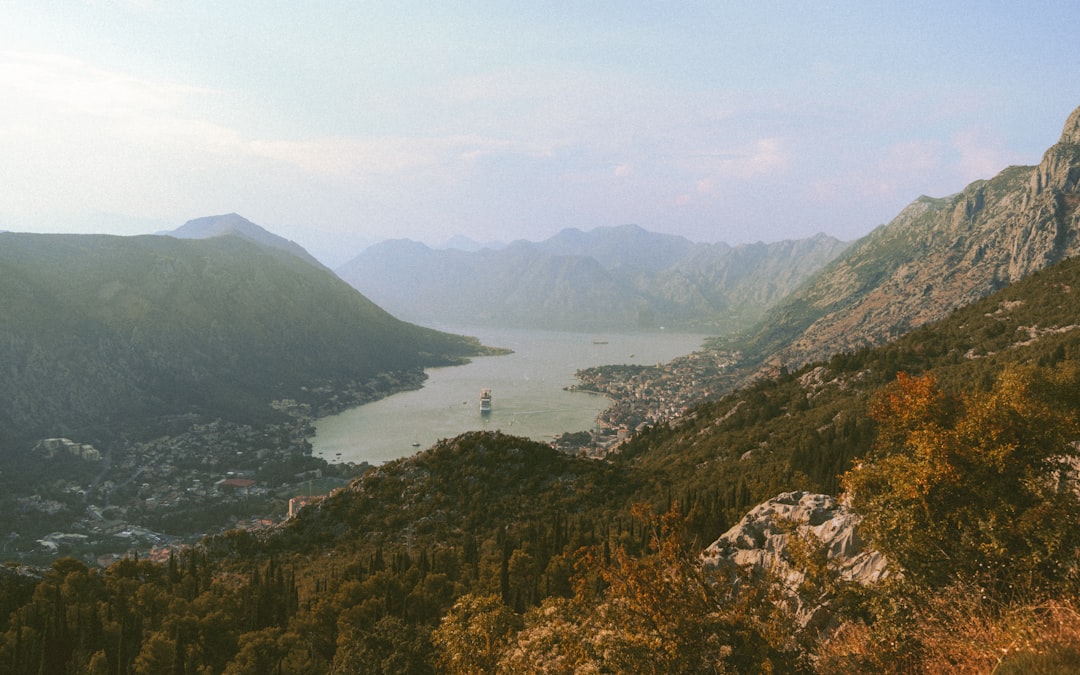
One of the most iconic routes is the drive from Budva, Montenegro Budva to Kotor, Montenegro Kotor. While often done by car, cycling this stretch is a revelation. The road hugs the bay, with the medieval walls of Kotor rising dramatically above you. The climb into the town is steep, but the views of the Bay of Kotor, framed by towering peaks, make every step of the pedals worth it. For the more adventurous, the route continues inland toward Žabljak, Montenegro Žabljak, the gateway to Durmitor National Park Durmitor National Park. Here, the air is thin, the forests are dense, and the feeling of isolation is profound. It’s a place where time seems to stand still, and the only sounds are the crunch of gravel under your tires and the distant roar of waterfalls.
The Macedonian Loop: Wine, Sun, and Ancient History
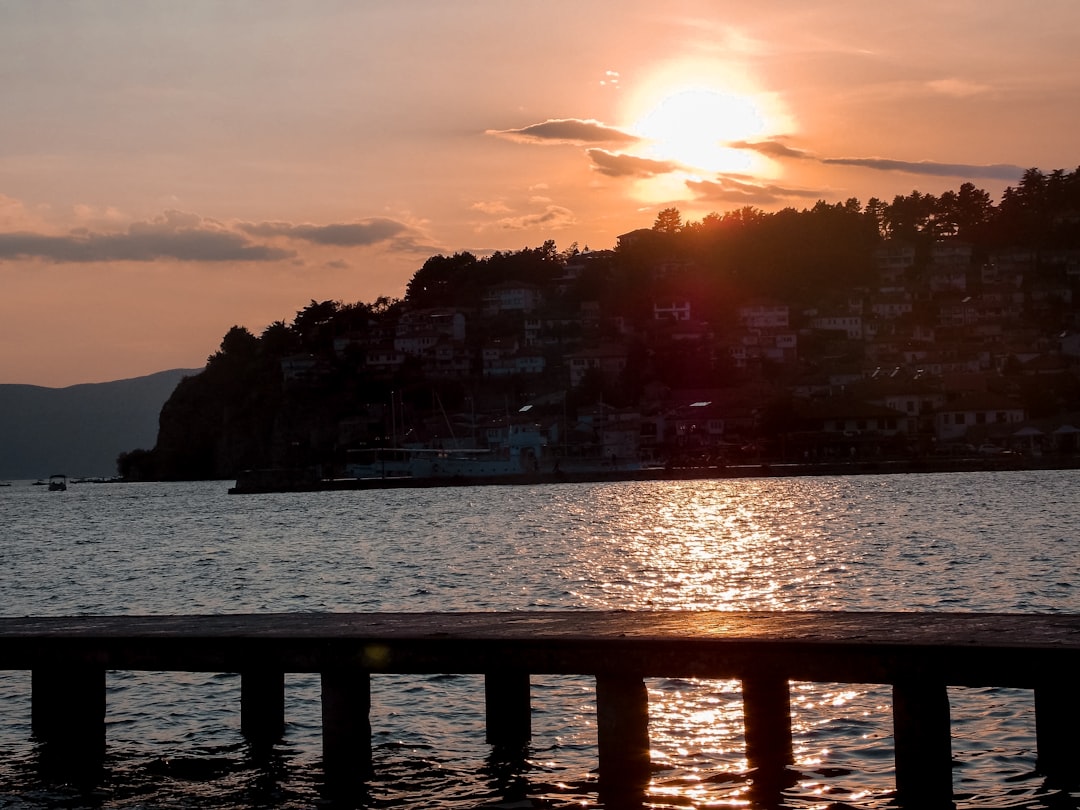
If the Dinaric Alps are about raw, rugged beauty, the cycling routes in North Macedonia are about sun-drenched vineyards and ancient history. The country is small, compact, and incredibly rideable. The Skopje to Ohrid route is a classic, taking you from the modern capital through the heart of the country to the shores of Lake Ohrid. The road is generally well-maintained, with gentle undulations that make it suitable for intermediate riders. Along the way, you’ll pass through villages where the air smells of roasting peppers and aging wine, and where locals wave you on with a smile and a gesture toward the nearest tavern.
Ohrid Ohrid itself is a cyclist’s paradise. The lake is surrounded by a paved path that loops around the entire shoreline, offering breathtaking views of the water and the mountains beyond. You can cycle past ancient monasteries, Byzantine churches, and Roman ruins, each one telling a story of the many empires that have ruled this land. In the evening, you can park your bike and join the locals in the town square, where the music is loud, the food is fresh, and the atmosphere is electric. For those looking for a challenge, the climb up Mount Jakupica Mount Jakupica offers a rewarding summit view that stretches across the entire region.
One hidden gem is the route from Prilep to Bitola. This stretch takes you through the southern part of the country, where the landscape becomes more arid and the history more complex. You’ll pass through Matka Canyon Matka Canyon, a stunning gorge filled with caves and waterfalls, before arriving in Bitola, a city known for its Ottoman-era architecture and vibrant cultural scene. The roads here are less crowded, allowing for a more immersive experience. It’s a route that feels like stepping back in time, where every turn reveals a new layer of the Balkans’ rich and complicated past.
The Greek Trail: Mythology and Olive Groves
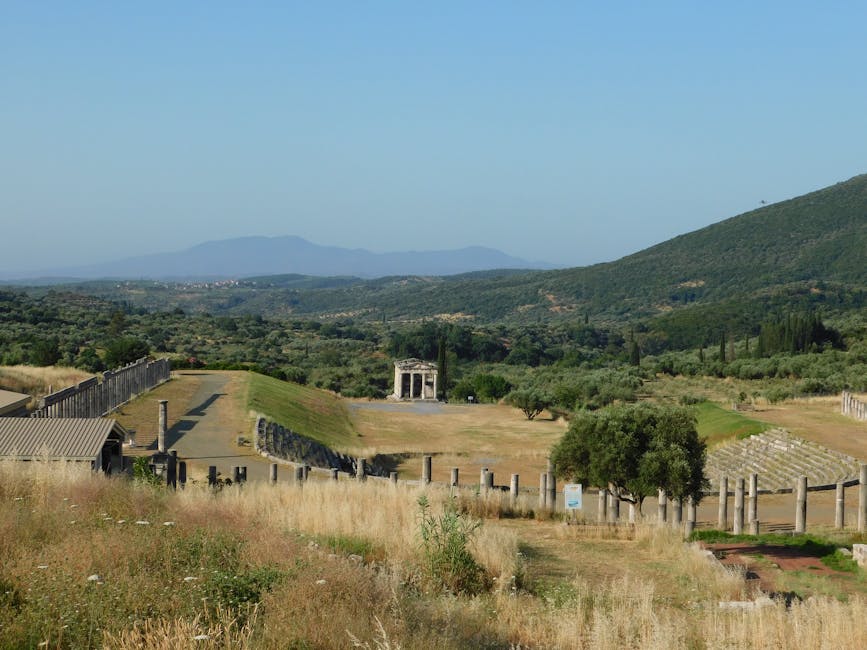
Greek cycling is often overlooked, but it offers some of the most beautiful and culturally rich routes in the Balkans. The Peloponnese peninsula is a cyclist’s dream, with its mix of coastal roads, mountain passes, and ancient ruins. The route from Patras to Kalamata is a favorite, taking you along the Gulf of Patras and then inland through olive groves and vineyards. The roads are generally good, with minimal traffic, and the scenery is constantly changing. You’ll ride past ancient temples, medieval castles, and modern fishing villages, each one adding to the tapestry of Greek history.
For those seeking a more challenging route, the climb up Parnassos Mountain Mount Parnassus near Delfi Delphi is unforgettable. The road winds through dense forests and rocky outcrops, with views of the Gulf of Corinth stretching out below. At the summit, you can visit the ancient site of Delphi, one of the most important religious sanctuaries of the ancient world. It’s a place where mythology and reality blur, and where the weight of history is palpable. The descent is just as thrilling, with sharp turns and stunning views that will keep your heart racing.
In the north, the route from Thessaloniki to Mount Athos Mount Athos offers a unique spiritual experience. While women are not allowed on the peninsula, the approach road is open to all, and the views of the monasteries perched on the cliffs are awe-inspiring. The air is thick with incense and the sound of chanting, creating an atmosphere of profound peace. It’s a route that demands respect and contemplation, offering a stark contrast to the lively coastal rides of the south.
Getting There & What to Expect
Getting a bike into the Balkans is easier than you might think. Most major airports in the region, including Belgrade, Zagreb, Sarajevo, and Athens, allow you to check a bike as oversized luggage for a fee of around 30-60 EUR. Alternatively, you can rent a bike locally in most major cities, with prices ranging from 20-50 EUR per day for a decent quality road bike. For more specialized trips, there are several tour operators that offer guided cycling holidays, handling logistics, accommodation, and support vehicles.
Accommodation options are varied and generally affordable. In rural areas, you’ll find guesthouses and family-run hotels for 30-60 EUR per night, often including breakfast. In larger cities, you can find hostels for 15-30 EUR per night or mid-range hotels for 50-100 EUR. Camping is also an option in many national parks, though facilities can be basic. Food is cheap and delicious, with a typical meal costing 10-20 EUR and a bottle of local wine 5-10 EUR. The Balkans are a paradise for foodies, with every region offering its own unique culinary traditions.
The best time to cycle in the Balkans is from April to June and September to October, when the weather is mild and the crowds are smaller. Summer can be extremely hot, especially in the southern regions, while winter brings snow to the mountains. Always check local conditions before setting out, as weather can change rapidly in the mountains. Remember to carry plenty of water, sunscreen, and a good map or GPS device, as signage can be unreliable.
Search accommodation in Balkans Cycling on Booking.com →
The Gritty Truth: Why You Should Do It
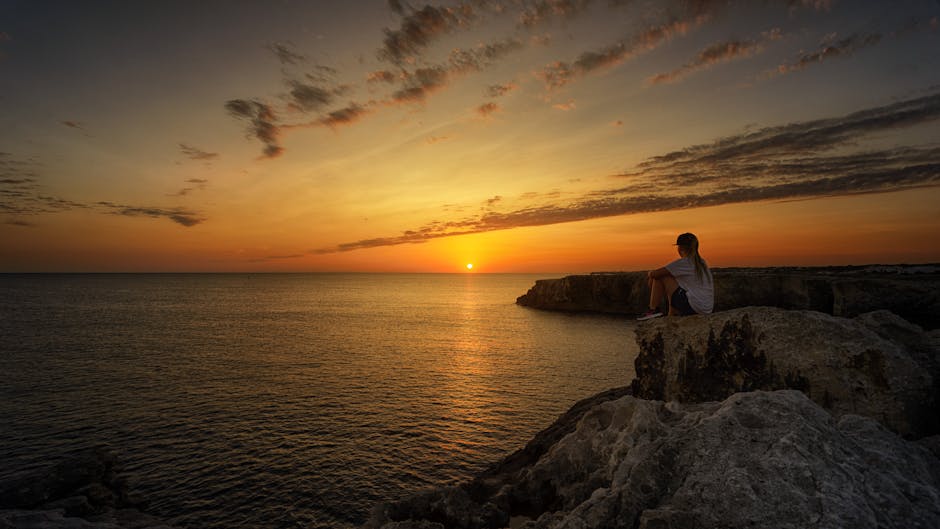
I ended my ride in Montenegro with a busted spoke and a blistered heel, sitting on a rock overlooking the sea, eating a piece of bread with cheese that tasted like heaven. I had no signal, no plan for the next day, and no idea how I was going to fix my bike. But I didn’t care. That’s the thing about cycling the Balkans: it strips away the pretenses of modern travel. You’re vulnerable, exposed, and utterly dependent on the kindness of strangers and the reliability of your own two legs. And in that vulnerability, you find a connection to the land and its people that you can’t get any other way.
These routes are not for everyone. They are hard, unpredictable, and often uncomfortable. But they are also glorious, gritty, and real. They force you to slow down, to pay attention, and to engage with the world around you. In a region that has been through so much turmoil and change, cycling offers a chance to see the beauty that persists despite it all. It’s a reminder that the Balkans are not just a place on a map, but a living, breathing entity that rewards those willing to put in the effort. So, if you’re looking for a comfortable vacation, look elsewhere. But if you’re looking for an adventure that will change you, grab a bike and hit the road.
Comments