


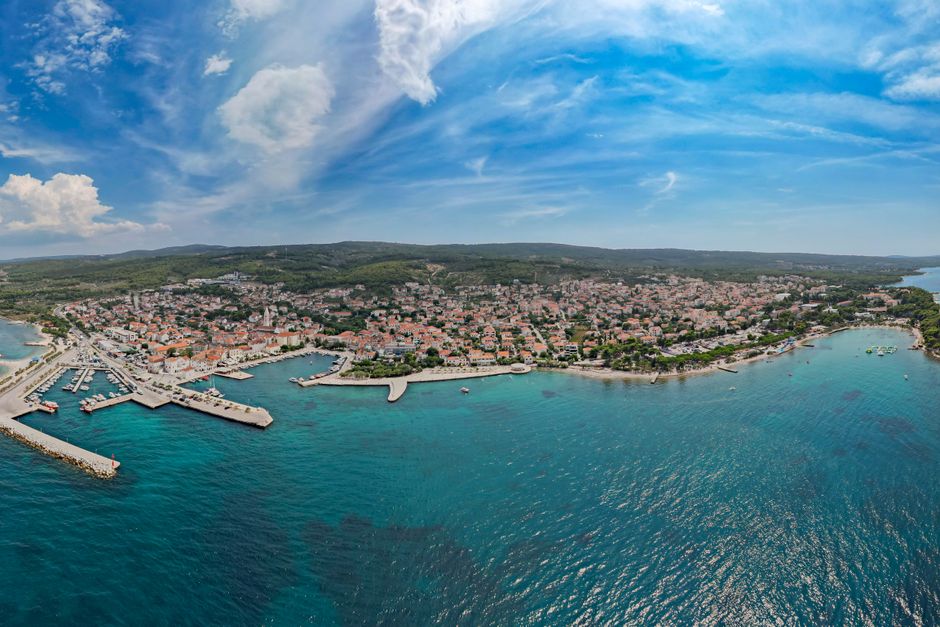
The Croatian national football team has been forced to withdraw from the ongoing World Cup qualifying campaign following a significant seismic event that struck the country earlier this week. The **Croatian Football Federation** (HNS) confirmed on Tuesday that all remaining fixtures for the national squad have been postponed indefinitely, citing safety concerns and ongoing infrastructure assessments. The decision has sent shockwaves through the **UEFA** qualifying landscape, leaving Croatia's opponents in a state of uncertainty as they prepare for matches against a team that may not field its strongest lineup for the foreseeable future. This unexpected turn of events highlights the vulnerability of even the most organized sporting bodies when faced with natural disasters.
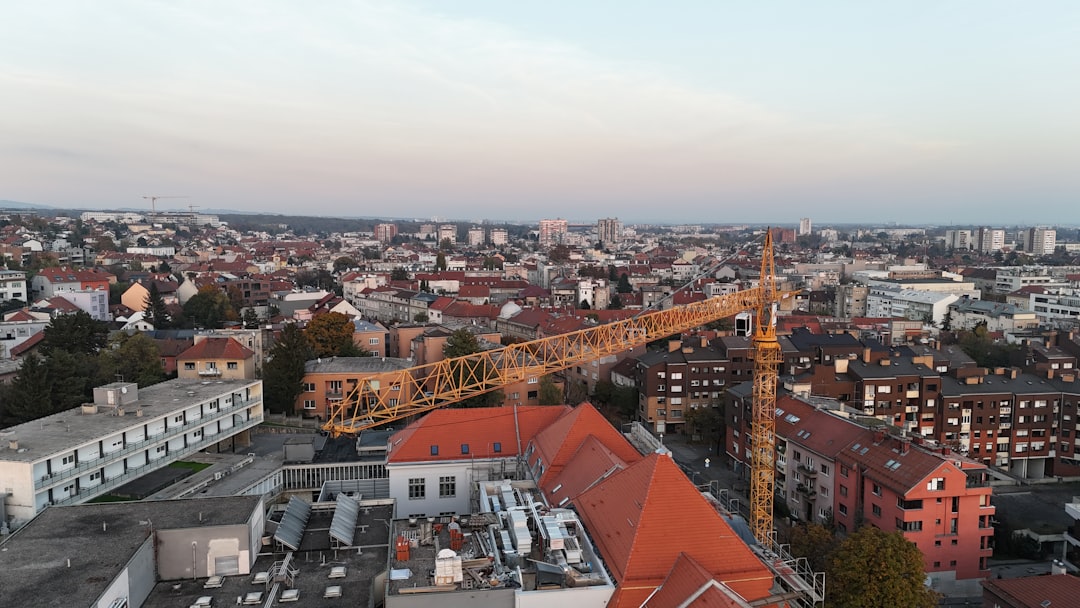
The earthquake, which registered a magnitude of 6.2 on the Richter scale, centered near the historic city of Zagreb, causing widespread damage to buildings and critical infrastructure. While the immediate human toll has been contained, the disruption to daily life has been severe. For the national team, which was scheduled to play a crucial away fixture against a direct rival for a World Cup spot, the timing could not have been worse. The federation stated that the national stadium, **Stadion Maksimir**, has been deemed unsafe for large gatherings pending a full structural review. Consequently, the team's preparation camp was dissolved, and players were advised to return to their respective clubs, though many have expressed willingness to continue training if conditions improve.

Impact on World Cup Qualifying Standings
The implications of Croatia's withdrawal extend far beyond the domestic sphere, significantly altering the dynamics of the **UEFA World Cup qualification** group. Croatia had been positioned at the top of their group, relying on a strong defensive record and the leadership of veteran captain **Luka Modrić**. The loss of potential points, even if awarded by default to their opponents, disrupts the strategic planning of the national coach, **Zlatko Dalić**. UEFA has not yet announced whether the matches will be rescheduled within the qualifying window or if the current standings will stand, a decision that could determine who advances to the next stage of the tournament.
For Croatia's competitors, the situation presents a complex tactical dilemma. Teams that were struggling to secure a top-two finish now face an opponent that may lack cohesion and recent competitive minutes. However, the emotional weight of the earthquake adds a layer of unpredictability to any future encounter. Fans across Europe have rallied behind Croatia, with many rival supporters calling for UEFA to grant an extension to the qualifying period or to provide additional financial assistance for reconstruction efforts. The **International Football Association Board** (IFAB) is also reviewing protocols for force majeure events in international competitions, potentially leading to long-term changes in how such disasters are handled.
A Balkan Perspective: Resilience and Regional Support
The earthquake has sparked a wave of solidarity across the **Balkan** region, with neighboring countries offering immediate humanitarian aid and technical expertise. Serbia, Bosnia and Herzegovina, and Slovenia have all dispatched rescue teams and emergency supplies, reinforcing the strong historical and cultural ties that bind the region. For Balkan audiences, the crisis resonates deeply, as many communities in the area have experienced similar seismic events in recent years. The shared experience of rebuilding has fostered a sense of unity that transcends political boundaries, with social media campaigns trending across the region to support Croatian relief efforts.
In the sporting world, this solidarity is evident in the responses from rival clubs and national teams. The **Serbian Football Association** issued a statement of support, emphasizing that football is a secondary concern to human safety. Similarly, clubs from the **Croatian First Football League** have organized charity matches to raise funds for affected families, demonstrating the role of sports as a platform for social cohesion. For Balkan fans, the crisis serves as a reminder of the fragility of infrastructure in a seismically active zone and the importance of community resilience. The focus has shifted from winning matches to ensuring the safety and well-being of players, staff, and fans.
As the dust settles, the footballing community awaits further guidance from UEFA regarding the future of the qualifying campaign. The situation remains fluid, with daily updates on infrastructure repairs and player availability. For Croatian fans, the priority is clear: support their community and wait for the right moment to return to the pitch. The world watches closely, recognizing that the outcome of this crisis will not only affect the World Cup qualifiers but also serve as a test case for how international sports organizations handle natural disasters. The resilience of the Croatian team and its supporters will be closely monitored in the coming weeks, as they navigate this unprecedented challenge with grace and determination.
Comments