



The term **tormenta**, Spanish for storm, has recently dominated headlines in Latin America as extreme weather events linked to **El Niño** batter Mexico and surrounding regions. According to recent analysis from the National Autonomous University of Mexico (UNAM), rainfall intensity has increased significantly, with scientists warning that the full effects of the current El Niño phase will be felt with greater severity in the coming months. While this specific crisis is unfolding in the Americas, the underlying climatic mechanism is global. For the Balkan peninsula, a region already grappling with the dual threats of severe flooding and prolonged drought, the intensification of global weather patterns serves as a stark warning. The same atmospheric drivers creating **tormentas** in Mexico are contributing to volatile weather cycles that threaten agriculture, infrastructure, and public safety from the Adriatic coast to the Black Sea.
The connection between local Balkan weather and global climate oscillations is not merely theoretical. El Niño, the warming phase of the El Niño-Southern Oscillation (ENSO) cycle, disrupts global atmospheric circulation. When sea surface temperatures in the central and eastern tropical Pacific Ocean rise, it alters jet streams and pressure systems worldwide. In the Balkans, this often manifests as an increased frequency of extreme precipitation events in winter and early spring, followed by hotter, drier summers. As the UNAM researchers highlight in their study of Mexican rainfall, the intensity of precipitation is rising, not just the total volume. This pattern is increasingly familiar to meteorologists in **Bulgaria**, **Serbia**, and **Greece**, who are observing more "flash flood" type events where heavy rain falls in short bursts, overwhelming drainage systems and causing rapid river rises.
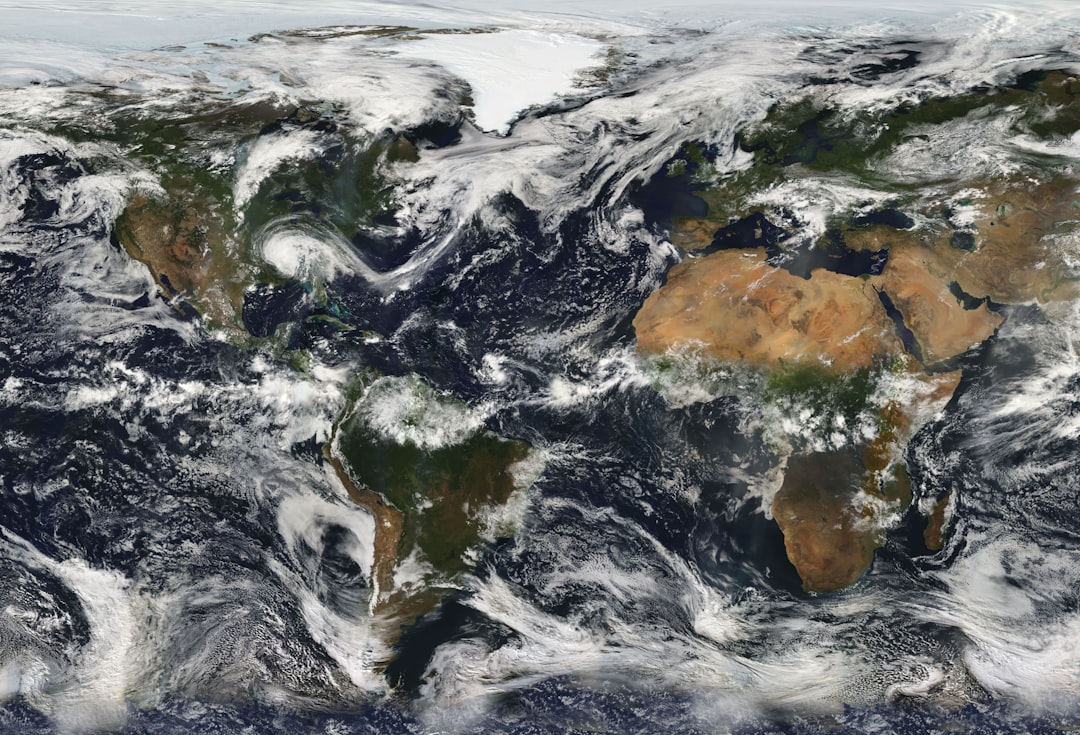
The Science of Intensifying Storms
Understanding the mechanics behind these storms is essential for regional preparedness. The recent UNAM report underscores a critical shift in meteorological behavior: storms are becoming more energetic and less predictable. Warmer air holds more moisture, leading to heavier downpours when conditions trigger precipitation. In the Balkans, this phenomenon has been evident in recent years. The catastrophic floods in **Serbia** and **Bosnia and Herzegovina** in 2014, and more recently in **Greece** and **Bulgaria**, were exacerbated by this very dynamic. The Mediterranean climate, traditionally characterized by mild, wet winters and hot, dry summers, is experiencing a breakdown in its historical rhythms. The transition periods, particularly late autumn and early spring, are seeing a higher incidence of severe thunderstorms and hail, which cause significant damage to crops and property.
Climate models indicate that the frequency of such extreme weather events will continue to rise as global temperatures increase. The Balkans are particularly vulnerable due to their complex topography, which includes mountain ranges that can enhance rainfall through orographic lift. When moist air masses from the Adriatic or Mediterranean are forced upward by the **Dinaric Alps** or the **Balkan Mountains**, they cool and condense, releasing heavy precipitation. This natural process is now being amplified by global warming, leading to storms that are more intense and destructive than historical averages suggest. The scientific consensus, supported by data from the **European Environment Agency**, confirms that the region is warming faster than the global average, making it a hotspot for climate-related impacts.
Impact on Balkan Agriculture and Infrastructure
The economic repercussions of these intensified storms are profound, particularly for agriculture, which is a cornerstone of many Balkan economies. In **Romania** and **Bulgaria**, major grain and sunflower producers, excessive rainfall during harvest time can lead to crop rot and reduced yields. Conversely, the droughts that often follow wet winters stress water resources, affecting irrigation for vineyards and orchards in **North Macedonia** and **Croatia**. The unpredictability of weather patterns makes it difficult for farmers to plan planting and harvesting schedules, leading to increased financial risk and potential food security concerns. Insurance costs are rising, and government subsidies are increasingly directed toward disaster relief rather than development, straining public budgets.
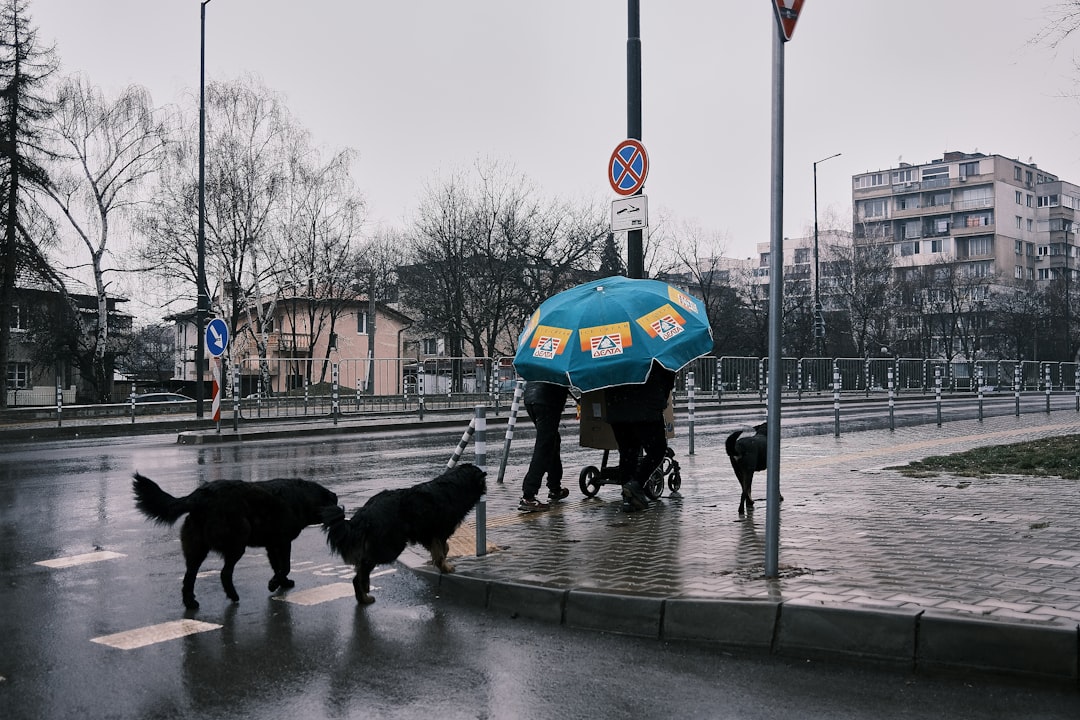
Infrastructure also faces significant challenges. Urban centers in the Balkans, many of which were built decades ago with drainage systems designed for less intense rainfall, are ill-equipped to handle the volume of water from modern storms. Cities like **Belgrade**, **Sofia**, and **Thessaloniki** have experienced repeated flooding of streets and basements, disrupting transportation and daily life. The cost of upgrading infrastructure to cope with these new realities is high, requiring substantial investment in green infrastructure, improved drainage, and flood defenses. The lack of such investments leaves communities vulnerable, as seen in the recurring damage to roads, bridges, and power lines during severe weather events.
Regional Cooperation and Future Outlook
Addressing these challenges requires a coordinated regional response. The Balkan countries share common water basins and weather systems, making cross-border cooperation essential. Initiatives such as the **Western Balkans Green Agenda** aim to promote sustainable development and climate resilience, but implementation remains a challenge. Enhanced early warning systems, shared meteorological data, and joint disaster response protocols are critical for mitigating the impact of future storms. International support from the **European Union** and organizations like the **World Bank** is vital for funding these efforts, particularly for the Western Balkan countries that are candidates or potential candidates for EU membership.
Looking ahead, the trend of intensifying storms and extreme weather is likely to continue. The lessons from the current El Niño event in Mexico are clear: the planet's weather systems are becoming more volatile and dangerous. For the Balkans, this means a future where severe storms are not anomalies but regular occurrences. Adaptation strategies must focus on resilience, from building flood-resistant infrastructure to diversifying agricultural practices. Public awareness is also key, as citizens need to understand the risks and take personal precautions. As the climate crisis accelerates, the ability of Balkan nations to adapt will determine their economic stability and social well-being in the coming decades.


Comments