


Violence erupted in Mexico City on Monday as clashes between police and football fans turned parts of the capital into a chaotic scene, casting a long shadow over the upcoming 2026 FIFA World Cup. Reports from the ground describe fireworks, burning barricades, and tear gas as tensions boiled over during a massive gathering of supporters. This incident is not merely a local disturbance; it serves as a stark warning for the tri-nation tournament organizers, who are already under immense pressure to ensure security across the United States, Canada, and Mexico. For Balkan audiences, who follow European football with intense passion and often travel to support their national teams or favorite clubs, the stability and safety of future international tournaments are a matter of significant concern.
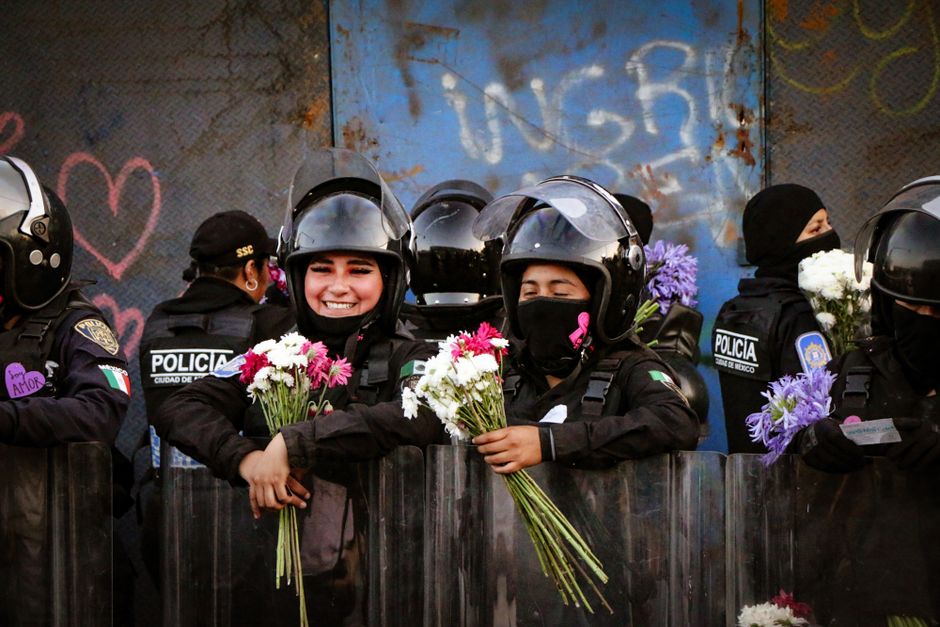
The confrontation occurred in the historic center of Mexico City, where thousands of fans had gathered to celebrate and protest. While the immediate trigger was linked to local political grievances and dissatisfaction with the handling of previous events, the involvement of organized football hooligan groups escalated the situation rapidly. Police forces were forced to deploy riot gear and tear gas to disperse the crowds, resulting in numerous injuries and arrests. The visual of smoke billowing over iconic landmarks like the Metropolitan Cathedral underscores the volatility of the environment. As the world turns its gaze toward the 2026 World Cup, this unrest highlights the complex social dynamics that host nations must navigate to stage a peaceful global event.
Context of the Unrest and Hooligan Presence
The roots of the violence in Mexico City extend beyond football, intertwining with broader political discontent. However, the presence of organized supporter groups, often referred to as "barra brava," played a central role in escalating the conflict. These groups are known for their intense loyalty to clubs but also for their history of violence and clashes with authorities. In this instance, they merged with protesters, creating a formidable and unpredictable crowd. The use of fireworks and the setting of fires near police lines indicate a level of premeditation and organization that security forces were struggling to contain. This pattern of behavior is familiar to those who follow European football, where hooliganism has long been a challenge for leagues across the Balkans and beyond.
International football bodies, including FIFA, have been closely monitoring security preparations for the 2026 tournament. The recent clashes in Mexico City raise serious questions about the capacity of local authorities to manage large-scale gatherings involving diverse and sometimes volatile groups. Experts warn that if such incidents are not addressed through improved intelligence sharing and crowd management strategies, they could spill over into the World Cup period. The global nature of the tournament means that fans from every continent, including the Balkans, will be present, making the safety of all attendees a paramount concern for organizers.
Implications for the 2026 World Cup
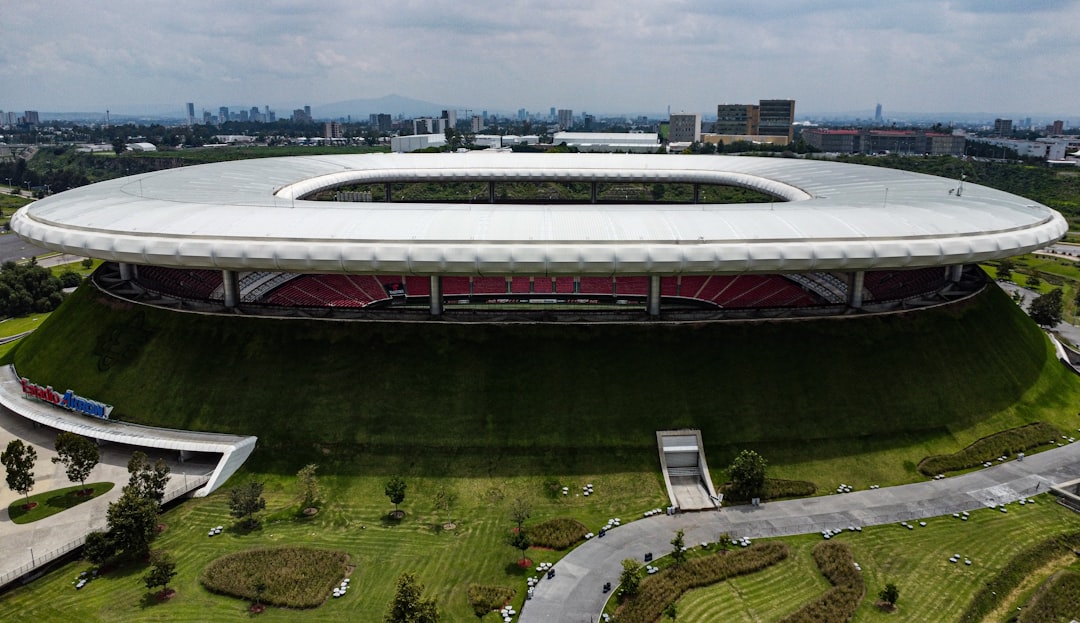
The 2026 FIFA World Cup is set to be the largest in history, with 48 teams competing across 16 host cities in three countries. Mexico City is one of the key venues, scheduled to host several high-profile matches, including a quarter-final. The recent unrest serves as a stress test for the security protocols that will be in place during the tournament. Organizers must demonstrate that they can handle not only football-related fervor but also potential political protests and hooligan activity. For Balkan fans, who are known for their passionate support and sometimes controversial behavior, the message is clear: strict security measures will likely be enforced, and any disruption could result in severe consequences, including bans from future tournaments.
The incident also highlights the logistical challenges of hosting a World Cup across three countries with different legal systems and security capabilities. Coordination between the United States, Canada, and Mexico will be critical to ensuring a seamless and safe experience for all fans. The recent clashes in Mexico City suggest that there may be gaps in this coordination that need to be addressed urgently. FIFA and the local organizing committees have stated that they are committed to learning from past mistakes and implementing best practices for crowd control. However, the sheer scale of the 2026 tournament means that even minor oversights could have major repercussions, making the current situation a critical moment for planners.
The Balkan Connection and Fan Safety
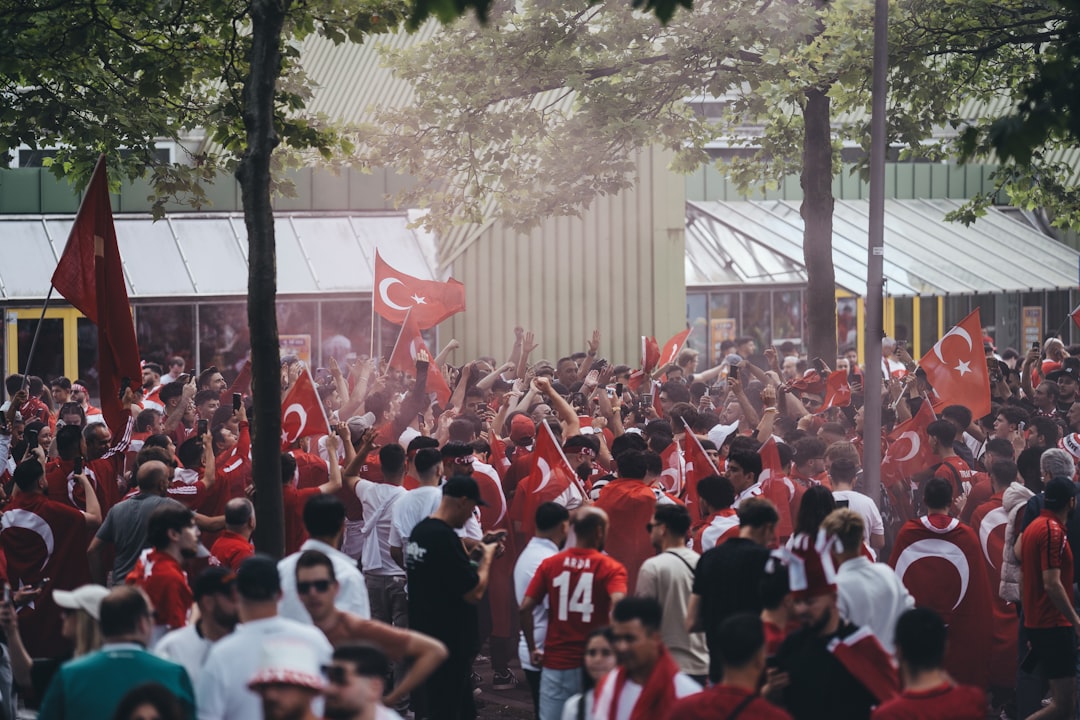
For supporters from the Balkans, the 2026 World Cup represents a unique opportunity to witness football's biggest stage in the Americas. Nations like Serbia, Croatia, and Bosnia and Herzegovina have strong footballing traditions and passionate fan bases that often travel abroad to support their teams. The recent violence in Mexico City is a reminder that fan behavior abroad is under intense scrutiny. Balkan fans, in particular, have faced restrictions and bans in the past due to incidents of hooliganism in Europe. The 2026 World Cup organizers are expected to take a zero-tolerance approach to any misconduct, meaning that Balkan supporters must be particularly mindful of their actions to avoid jeopardizing their team's reputation or their own ability to attend future events.
The cultural exchange that comes with international football is one of its greatest strengths, but it also requires mutual respect and understanding. Balkan fans are known for their creativity and passion, from elaborate choreographies to powerful chants. These traditions can enrich the World Cup experience, but they must be expressed within the bounds of the law. The recent clashes in Mexico City serve as a cautionary tale, illustrating how quickly things can spiral out of control when tensions are high. For Balkan audiences, the lesson is to channel their energy positively and to respect the host nation's laws and customs. By doing so, they can help ensure that the 2026 World Cup is remembered for its footballing brilliance rather than off-field disturbances.
As the 2026 World Cup approaches, the eyes of the footballing world will be fixed on the security preparations in the Americas. The recent clashes in Mexico City are a stark reminder of the challenges that lie ahead. For fans from the Balkans and beyond, the key is to approach the tournament with respect and responsibility. The organizers must learn from this incident and strengthen their security protocols to ensure a safe and enjoyable experience for everyone. The world is waiting to see if the tri-nation bid can deliver on its promise of a peaceful and spectacular tournament. For now, the smoke over Mexico City serves as a somber note, urging all stakeholders to remain vigilant and committed to the spirit of the game.
Comments