


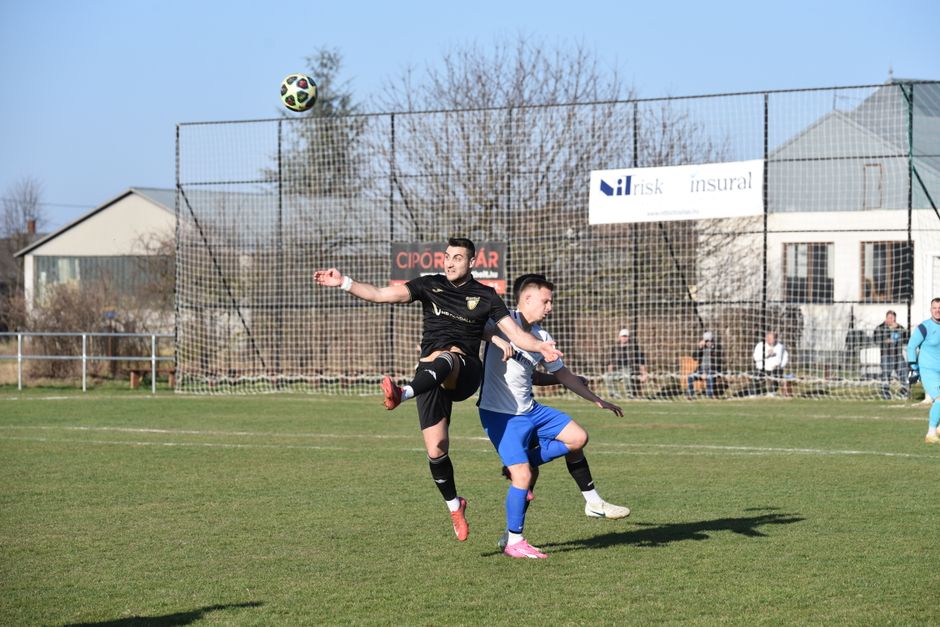
CFR Cluj, one of Romania's most successful football clubs, is currently grappling with a severe crisis that threatens its participation in European competitions. The Union of European Football Associations (UEFA) has imposed a staggering fine of €200,000 on the club, accompanied by a formal warning that non-compliance could lead to exclusion from future European tournaments. This development has sent shockwaves through the Romanian football landscape, raising urgent questions about the club's financial stability and administrative compliance. For a team that has become a regular fixture in UEFA competitions, the stakes are incredibly high, with the potential loss of significant revenue and prestige on the line.
The situation centers on alleged breaches of UEFA's Financial Sustainability Regulations, which are designed to ensure that clubs operate within their means and meet strict financial benchmarks. While specific details of the infractions have not been fully disclosed, such fines typically relate to issues like unpaid wages, transfer fee irregularities, or failure to provide adequate financial guarantees. The €200,000 penalty is merely the beginning; the real danger lies in the conditional nature of the sanction. If CFR Cluj fails to rectify the situation to UEFA's satisfaction, the governing body could escalate the punishment, potentially barring the club from the UEFA Europa Conference League or other continental events.

Background and Context of the UEFA Sanction
CFR Cluj has established itself as a powerhouse in Romanian football, winning multiple Liga I titles and consistently qualifying for European competitions. The club's success has made it a key ambassador for Romanian football on the international stage, often outperforming larger rivals in terms of European results. However, this rise has also brought increased scrutiny from governing bodies. UEFA's Financial Sustainability Regulations, formerly known as Financial Fair Play, have become increasingly stringent in recent years, aiming to curb financial excesses and promote long-term stability across European clubs.
The specific infractions that led to this sanction remain under wraps, but they likely involve complex financial maneuvers that did not meet UEFA's rigorous standards. Clubs often face challenges in balancing immediate sporting ambitions with long-term financial health, and CFR Cluj may have stumbled in this delicate balancing act. The €200,000 fine serves as a stark reminder of the consequences of non-compliance, and it underscores the importance of transparent financial management in modern football. For a club operating in a market with limited financial resources compared to Western European giants, navigating these regulations is particularly challenging.
The timing of this sanction is also critical. As the club prepares for its upcoming European campaign, the threat of exclusion looms large. A ban from European competitions would not only deprive CFR Cluj of valuable prize money and exposure but also damage its reputation and ability to attract top talent. The club's board and management team are now under immense pressure to address UEFA's concerns swiftly and effectively, lest they face the prospect of a European exile that could derail their ambitions for years to come.

Significance and Impact on Romanian Football
The potential exclusion of CFR Cluj from European competitions would have profound implications for Romanian football as a whole. The club has been a consistent presence in UEFA tournaments, providing a vital source of revenue and prestige for the domestic league. Its absence would weaken Romania's standing in UEFA's coefficient rankings, potentially reducing the number of slots available for Romanian clubs in future European competitions. This domino effect could hinder the progress of other Romanian teams and diminish the overall competitiveness of the Liga I.
Beyond the sporting implications, the sanction highlights broader issues within Romanian football's financial structure. Many clubs in the region struggle with financial instability, relying on short-term investments and lacking the robust financial planning required by UEFA. CFR Cluj's case serves as a cautionary tale for other clubs, emphasizing the need for sustainable financial practices. The Romanian Football Federation (FRF) may also face pressure to intervene, either by supporting CFR Cluj in its appeal or by implementing stricter financial controls to prevent similar issues in the future.
The reaction from fans and stakeholders has been one of concern and frustration. CFR Cluj supporters have been vocal in their demand for transparency and accountability, urging the club's leadership to provide clear information about the situation and the steps being taken to resolve it. The club's ability to navigate this crisis will be a test of its resilience and commitment to long-term stability. If handled poorly, the sanction could erode trust among fans and sponsors, further complicating the club's efforts to recover.
Balkan Angle and Regional Implications
While the immediate focus is on Romania, the implications of CFR Cluj's situation extend across the Balkans. Football clubs in the region, including those in Serbia, Bulgaria, and Croatia, face similar challenges in adhering to UEFA's financial regulations. The case of CFR Cluj serves as a reminder that European football's financial landscape is increasingly interconnected, and non-compliance can have severe consequences regardless of a club's domestic success. Regional fans and analysts are watching closely, aware that the outcome of this case could set a precedent for how UEFA handles similar situations in the future.
The Balkan football scene has seen a rise in competitive clubs that regularly participate in European competitions, and their financial health is critical to the region's sporting identity. If CFR Cluj were to be excluded, it would create a vacuum that could be filled by clubs from other leagues, potentially altering the competitive dynamics in regional qualifiers. This underscores the importance of financial stability not just for individual clubs, but for the entire ecosystem of Balkan football. The region's federations may need to collaborate more closely to support their clubs in meeting UEFA's demands, ensuring that they can continue to compete on the international stage.
Moreover, the situation highlights the broader economic challenges facing sports in the Balkans. Many clubs operate with limited financial resources, making it difficult to invest in the infrastructure and compliance measures required by UEFA. The case of CFR Cluj could prompt a regional dialogue on how to address these challenges, potentially leading to new initiatives aimed at promoting financial sustainability and transparency. For Balkan audiences, the outcome of this case is not just about one club's future, but about the future of football in the region as a whole.
As CFR Cluj fights to retain its European status, the football world will be watching to see how the club responds. The next few weeks are critical, with the club needing to demonstrate its commitment to compliance and provide a clear plan for addressing UEFA's concerns. For fans, stakeholders, and regional observers, the resolution of this crisis will have lasting implications for the future of football in Romania and the wider Balkan region. The stakes are high, and the outcome could shape the trajectory of European football for years to come.


Comments