


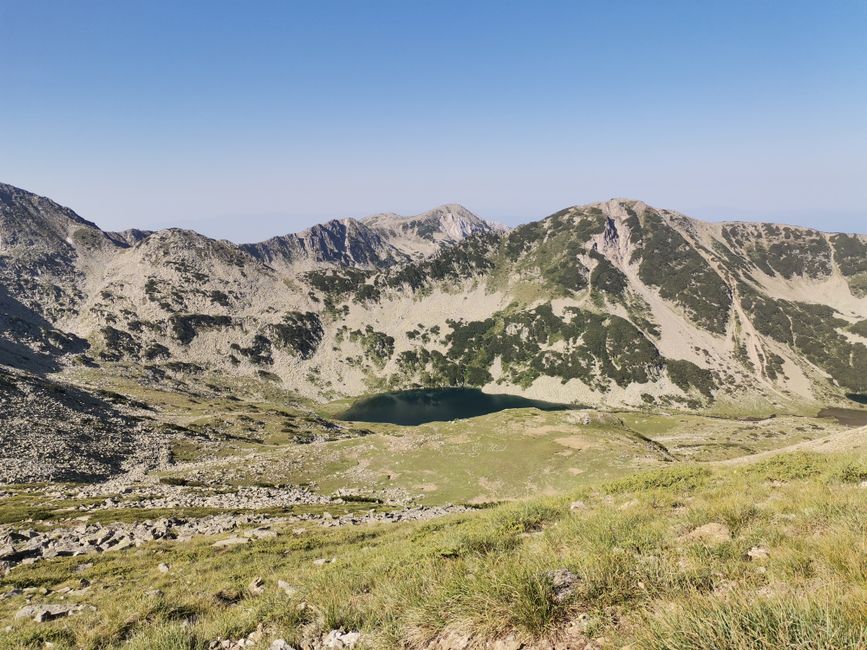
The wind in the Pirin Mountains doesn't just blow; it interrogates. I was standing on a ridge above Seven Rila Lakes (wait, no, let's correct that mental slip—Pirin has its own set, the Seven Pirin Lakes or Sedemte Pirinski Ezeratsa), and the air was so thin it felt like breathing through a straw. My lungs were burning, my boots were caked in the red dust of the trail, and a local shepherd in a weathered fur hat looked at me with the kind of pity usually reserved for tourists who try to hike in sneakers. "You think you are here for the view?" he shouted over the gale, gesturing to the jagged peaks of Vihren Peak in the distance. "You are here because the mountain wants to see if you break." It was 2 PM, the light was turning that harsh, alpine white, and I realized I hadn't checked my phone in six hours. The signal was dead, the map was paper, and the only thing that mattered was the next rocky step and the glacial blue water waiting below.
This isn't a vacation. This is an assault on the senses, a raw confrontation with geology that hasn't changed in ten thousand years. Most people drive past the Bansko ski resort in winter and miss the summer soul of the region. But if you come in July or August, when the snow has retreated to the highest crevices, you find something else. You find silence. You find water so cold it hurts to look at it. And you find a landscape that feels ancient, indifferent, and utterly captivating. I spent three days navigating the trails of Pirin National Park, and here is the unvarnished truth about chasing these high-altitude mirrors.
The Geology of Silence
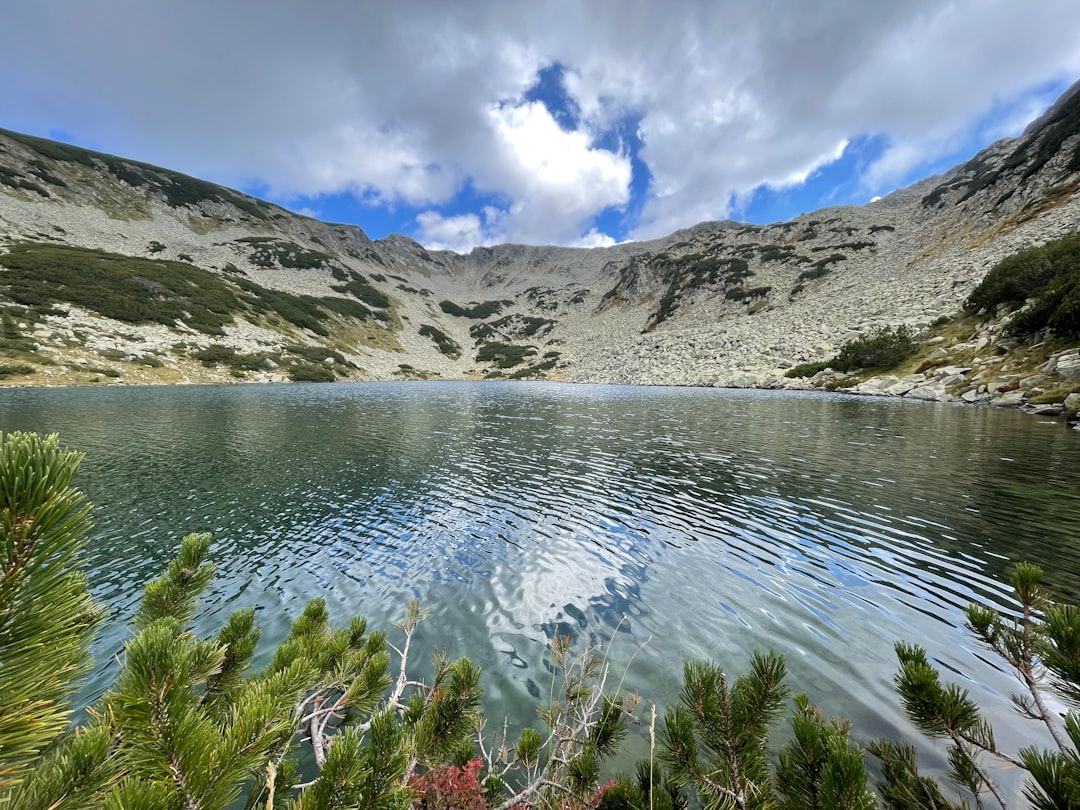
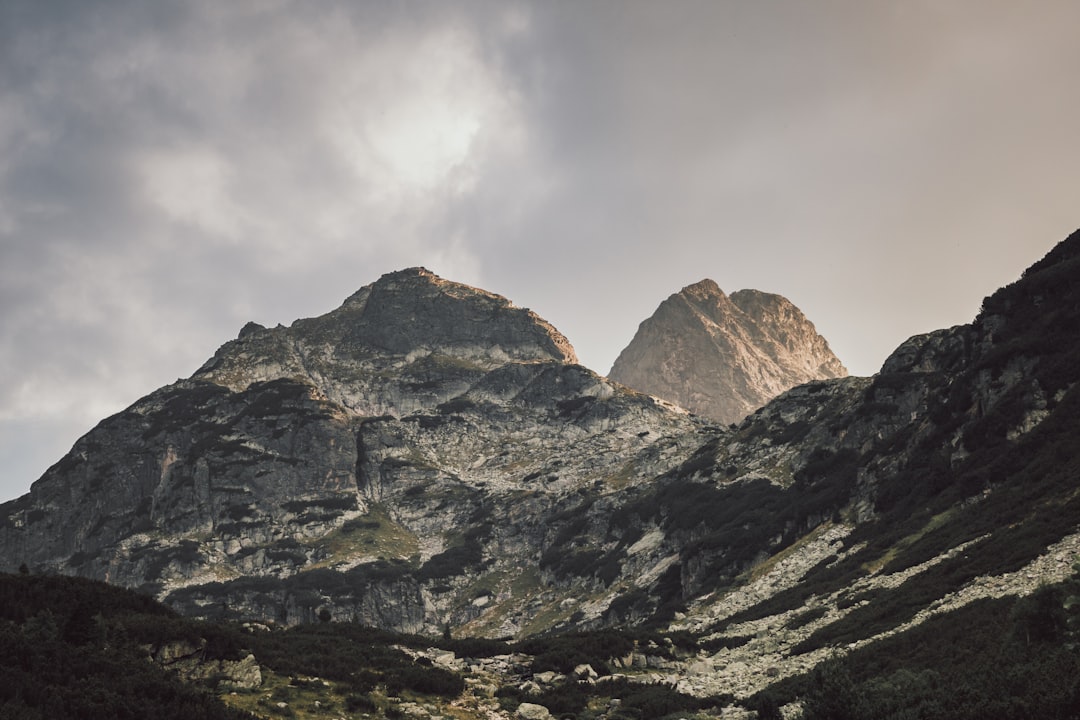
The Pirin Mountains are a UNESCO World Heritage site, but that label feels too soft for the reality on the ground. This is a karst labyrinth of limestone and marble, carved by glaciers during the last Ice Age. The result is a series of deep, steep valleys and high plateaus where the lakes sit like spilled ink on a rough canvas. The Seven Pirin Lakes are the crown jewels, located at an altitude of over 2,500 meters. They aren't just pretty; they are geologically significant, formed in cirques where the ice once scraped the bedrock clean. The water is fed by snowmelt and underground springs, keeping it at a temperature that can shock your system. When you stand on the shore of Chukar Lake, the largest of the seven, the silence is absolute. There are no birds here, only the wind and the crunch of your own boots on the scree.
What makes Pirin distinct from its neighbor, the Rila Mountains, is its ruggedness. The trails are less manicured, the refuges are more austere, and the sense of isolation is stronger. You aren't just hiking; you are traversing a living geological museum. The rocks here are pale, almost white, contrasting sharply with the dark pine forests at lower elevations and the blue-grey of the water. It's a palette of cold colors that feels alien to the Mediterranean warmth of the coast. This is the Balkan heartland in its most primal form, untamed and unapologetic.
The Ascent: From Forest to Rock
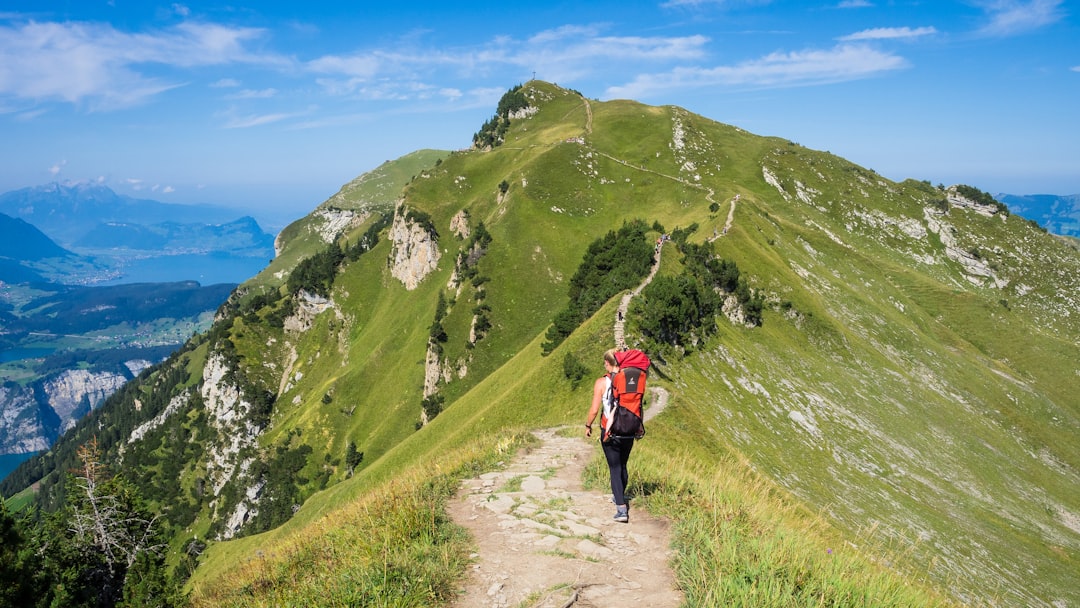
The journey to the lakes usually begins in the village of Bansko or from the Banya area, but the real start is at the trailhead near Bayuvi Dutshi or the Vihren hut approach. The lower slopes are dense with black pine and fir, the air thick with the scent of resin and damp earth. As you climb, the trees thin out, giving way to alpine meadows dotted with wildflowers—gentians, edelweiss, and thyme. This is the transition zone, where the forest surrenders to the rock. The trail becomes steeper, the path less defined, and the physical demand increases exponentially. You'll pass smaller lakes along the way, like Malyovitsa views that open up suddenly, rewarding your effort with a panorama that stretches across the entire massif.
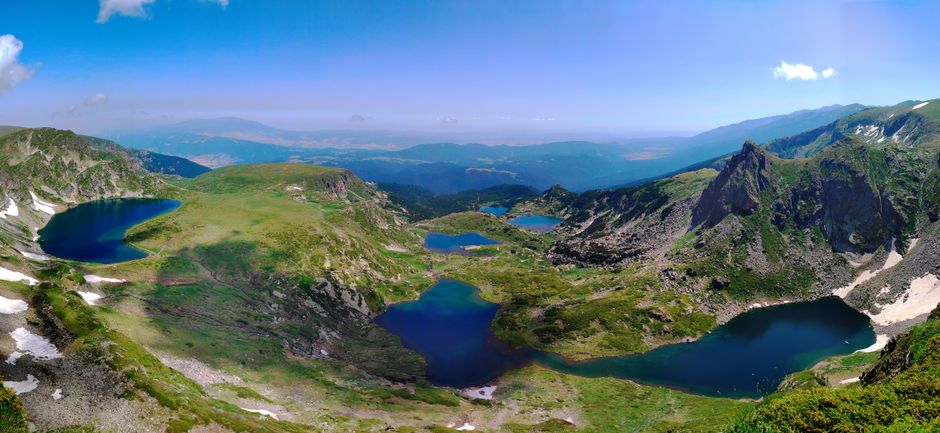
The final push to the Seven Lakes is a scramble over loose rock and scree. There are no guardrails, no handholds. It's a test of balance and endurance. The altitude plays tricks on your body; you might feel lightheaded, your heart pounding in your ears. But when you crest the final ridge and see the chain of lakes laid out below, the pain vanishes. The water is a startling turquoise, reflecting the sky with a clarity that feels almost supernatural. It's a moment of pure, unadulterated awe, the kind that reminds you why we leave our comfort zones in the first place. This is the payoff, the reason you suffered on the climb.
Routes & Trail Info
The most common route to the Seven Pirin Lakes starts from the Bayuvi Dutshi parking area or the Banya side. Here are the key details for the main approach:
Route 1: Bayuvi Dutshi to Seven Lakes Starting Point: Bayuvi Dutshi parking area (altitude ~1,900m). Total Distance: ~10 km round trip to the lakes. Elevation Gain: ~600m. Estimated Duration: 3-4 hours round trip. Difficulty: Intermediate. The trail is well-marked but steep in sections. Suitable for experienced walkers. Children over 10 may manage with supervision.
Route 2: Via Vihren Hut Starting Point: Vihren Hut (altitude ~2,540m). Total Distance: ~2 km one way from the hut to the lakes. Elevation Gain: Minimal from the hut. Estimated Duration: 30-45 minutes. Difficulty: Beginner. This is the easiest access if you can reach the hut first (via cable car or hike). Ideal for those with limited time or mobility issues.
Note: Weather changes rapidly above 2,000m. Always check forecasts and carry extra layers. The trail is exposed, and wind chill can be severe even in summer.
Getting There & What to Expect
The nearest major town is Bansko, located about 40km from the trailheads. From Sofia, the capital, it's a 120km drive taking about 2.5 hours via the Trakia motorway and then the winding mountain roads. Buses run regularly from Sofia Central Bus Station to Bansko, costing around 8-12 EUR one way, with a travel time of 3-4 hours. From Bansko, local minibuses or taxis can take you to Bayuvi Dutshi or Banya, costing 5-10 EUR per person. Renting a car is recommended for flexibility, especially if you plan to explore other parts of the park.
Accommodation options range from budget hostels in Bansko (20-30 EUR per night) to mid-range hotels (40-60 EUR per night). For a more immersive experience, stay at the Vihren Hut or Bayuvi Dutshi Hut. The huts offer dormitory-style rooms (15-25 EUR per person) and meals (10-15 EUR per meal), providing a base camp feel. Camping is allowed in designated areas, but always respect the environment and pack out all trash. The best months to visit are July and August, when the trails are clear of snow and the weather is most stable. September offers fewer crowds and golden light, but temperatures drop significantly.
Expect basic facilities. There are no ATMs above the villages, so carry cash. Restrooms are available at the huts but may be rustic. Water should be treated or boiled, even if it looks clear. The park is protected, so stay on marked trails to avoid damaging the fragile alpine vegetation. Respect the silence; this is a place of reflection, not noise.
Search accommodation in Bansko on Booking.com →
The Afterglow: Why It Matters
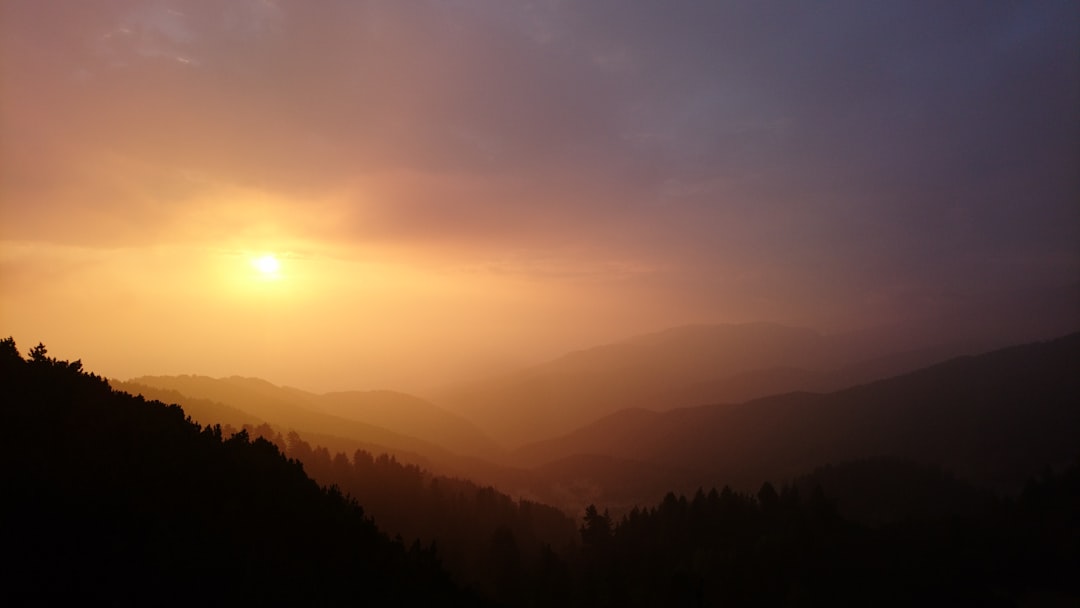
Descending from the lakes, the light turns golden, casting long shadows across the rocks. The air cools, and the scent of pine returns. You feel lighter, as if the mountain has shed some of its weight onto you. This isn't just a hike; it's a reset. In a world of constant connectivity, the Pirin Mountains offer a rare disconnection. The glacial lakes don't care about your job, your bills, or your social media feed. They are ancient, indifferent, and beautiful in their own right. Standing there, shivering slightly in the evening chill, I realized that this is what travel is supposed to be: a confrontation with the unknown, a reminder of our smallness, and a celebration of the wild, untamed places that still exist. The wind still interrogated me, but this time, I had an answer. I was still here. And for now, that was enough.
Comments