


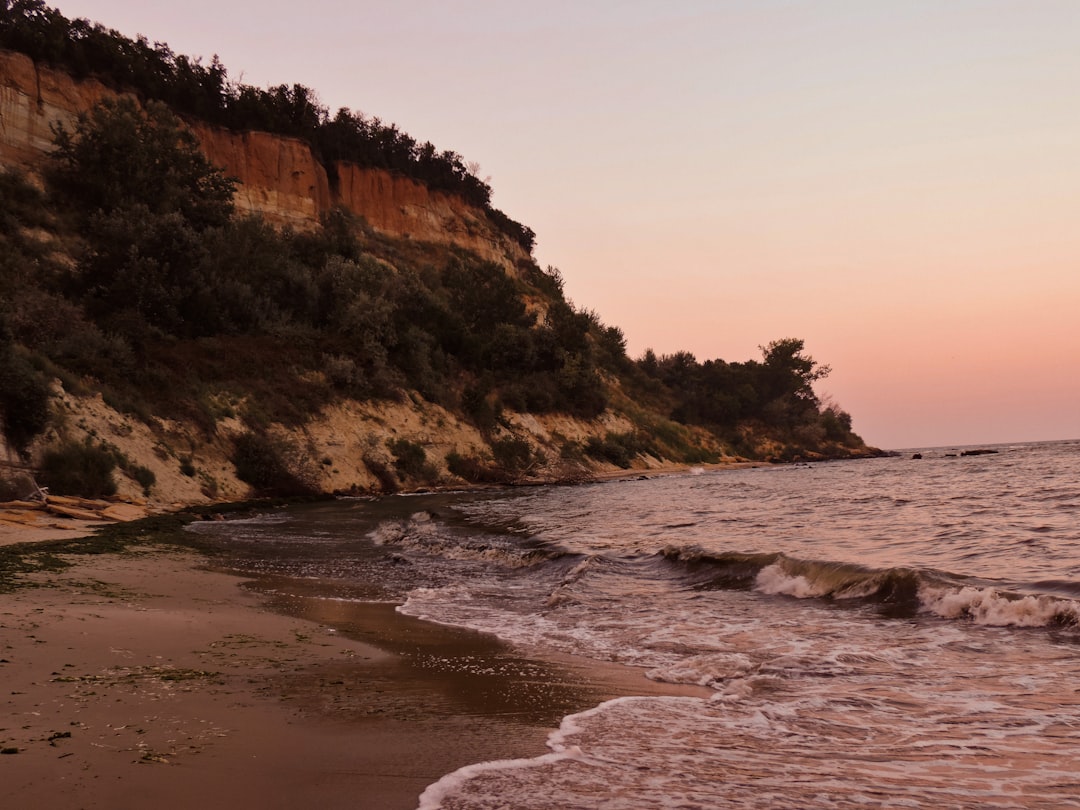
I am standing knee-deep in the freezing brine of the Black Sea, watching a wave that barely clears my chest. It is not the turquoise paradise sold on postcards from Antalya. It is grey, choppy, and smells faintly of diesel and brine. A local fisherman on a rusted dinghy yells something at me from the shore, likely telling me to get out before I drown or freeze, but I am too busy laughing at the absurdity of it all. This is Varna, Bulgaria, and I am here to tell you that surfing the Black Sea is less about glory and more about a stubborn, shivering defiance against the elements.
The wind howls down from the Balkan Mountains, whipping the surface into white-capped chaos. Most tourists are tucked into heated pools at all-inclusive resorts, drinking cocktails under umbrellas. I am here in a wetsuit that is two sizes too big, paddling against a current that feels like it wants to drag me out to the Bosphorus. But when the wave finally breaks, even if it is only a meter high, the rush is real. It is raw, unfiltered, and entirely unexpected.
The Reality of Black Sea Surfing
Let us get one thing straight: this is not Bali. This is not even Portugal. The Black Sea does not generate massive, consistent swells. It is an enclosed sea, and its waves are wind-driven, chaotic, and often short. However, for the dedicated surfer who has exhausted the Mediterranean and wants a challenge, the Varna Region offers a unique, rugged experience. The waves here are best during the autumn and winter months, when strong northerly and north-westerly winds batter the coast.
The water temperature is a shock to the system. Even in summer, it rarely exceeds 22°C. In winter, it drops to 5-8°C. A thick wetsuit, booties, gloves, and a hood are not optional; they are survival gear. The surf community here is small, tight-knit, and mostly composed of locals who have adapted to the conditions. You will not find surf shops on every corner, but you will find a few dedicated souls who know exactly where the wind creates the best break.
Where the Waves Break: Top Spots Near Varna
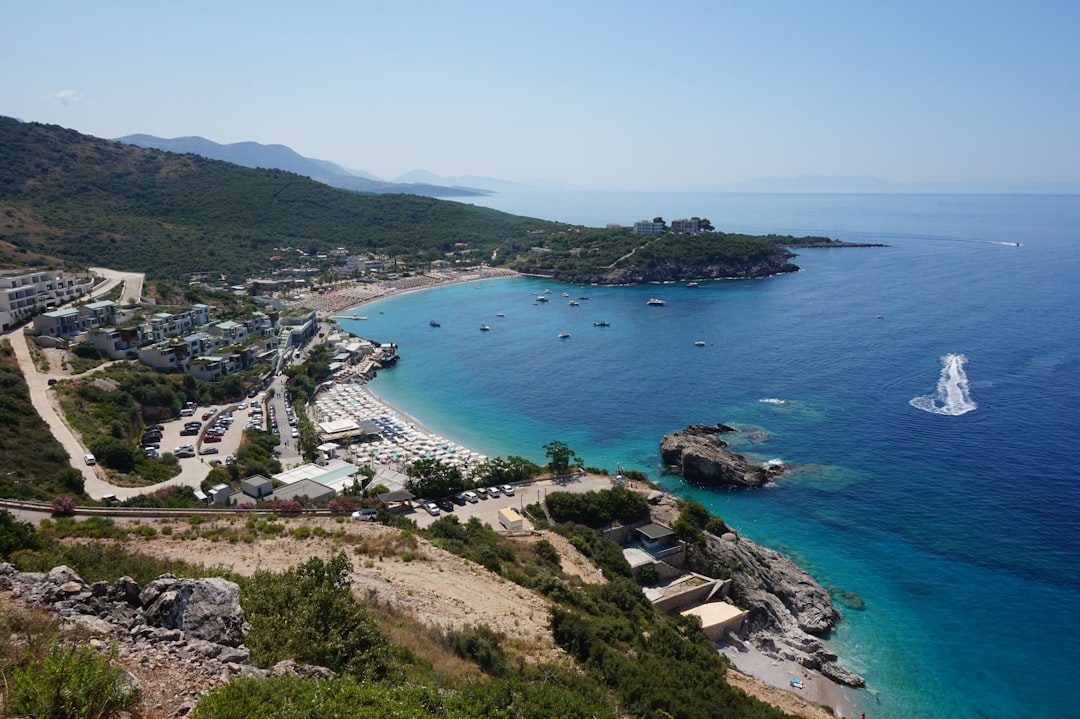
Albena Beach — Located just north of the city center, this long stretch of sand is the most accessible spot for beginners. The waves are generally smaller and more forgiving, making it a good place to practice your pop-up without getting battered against rocks. The beach is wide, allowing plenty of space to paddle out, though it can get crowded in summer.
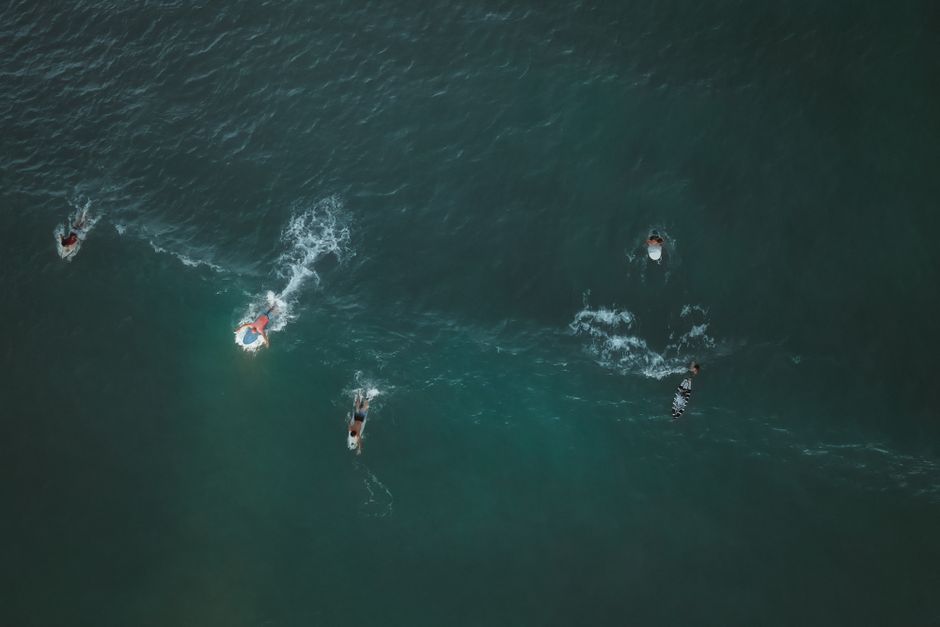
Emona Beach — Further north, near the village of Emona, the coastline becomes more rugged. The waves here are larger and more powerful, shaped by the open exposure to the north. This is where the serious locals go when the wind is howling. The water is colder here, and the currents can be tricky, so experience is highly recommended. The beach is less developed, offering a more wild, natural feel.
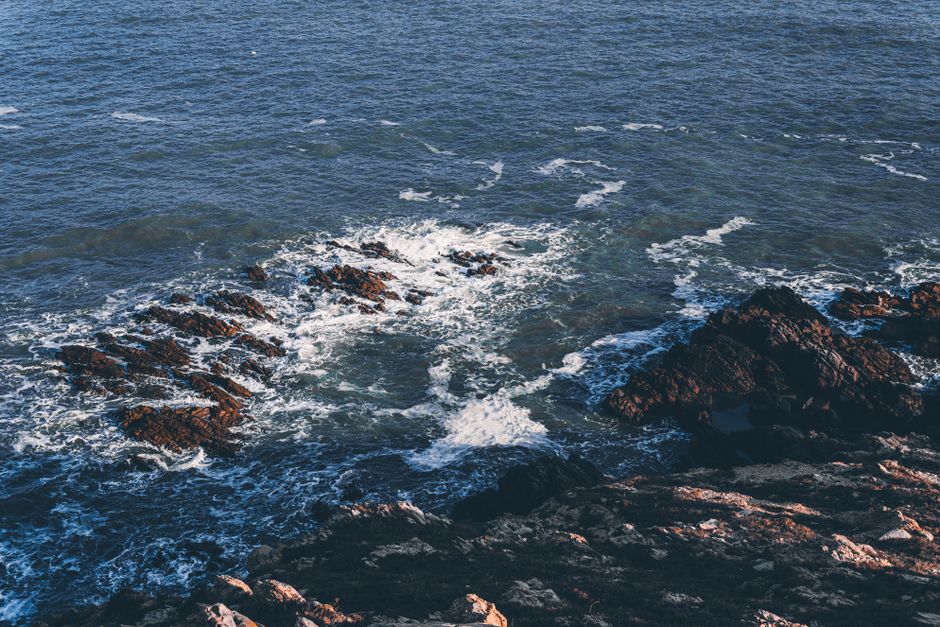
Golden Sands — While famous for its luxury resorts, the northern end of Golden Sands offers decent waves during storm surges. The beach is long and sandy, with a gentle slope that allows waves to build up. It is a popular spot for locals who live in the area, and you might catch a break here when the wind shifts from the east. The downside is the crowds, which can make paddling out a bit of an obstacle course.
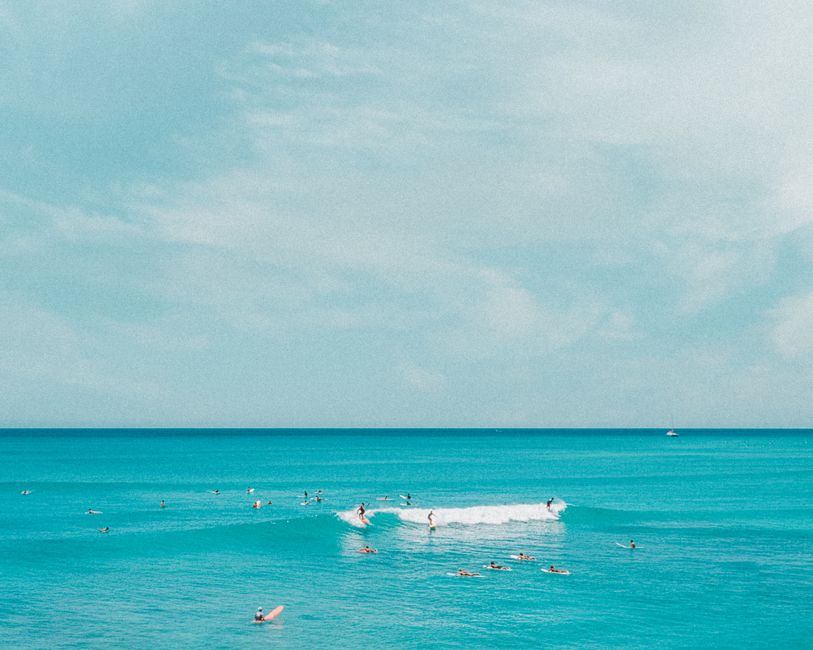
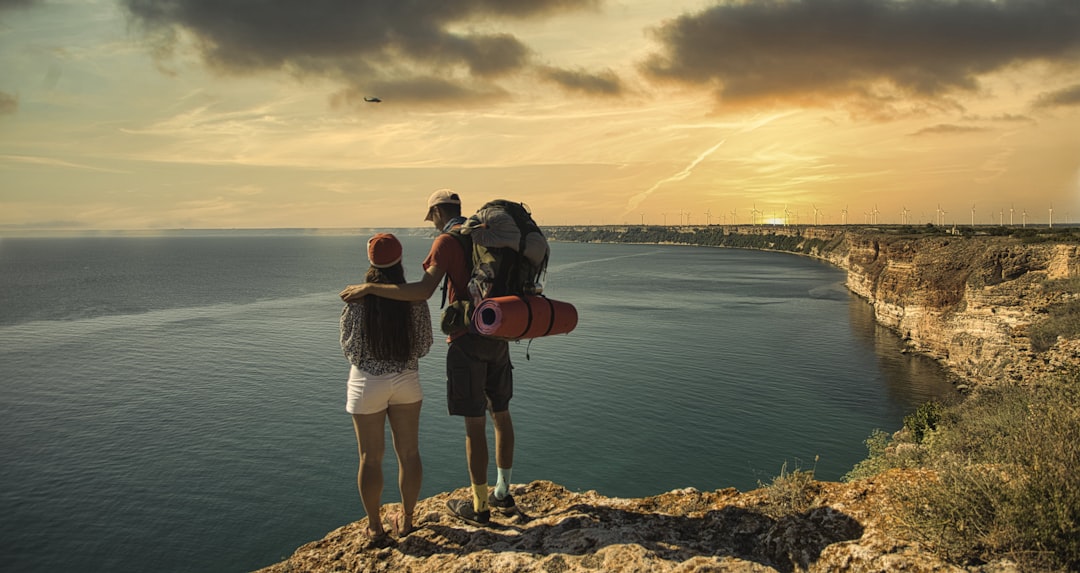
Kavarna Coast — About an hour east of Varna, the town of Kavarna sits at the mouth of the Danube. The confluence of the river and the sea creates unique tidal currents and wave patterns. The waves here can be unpredictable but are often larger and more powerful. It is a remote spot, far from the tourist hubs, and attracts a hardcore group of surfers who are willing to drive for the right conditions. The landscape is dramatic, with cliffs and wetlands adding to the rugged atmosphere.
Getting There & What to Expect
Reaching the surf spots in Varna is straightforward. The nearest major airport is Varna Airport Varna Airport, which receives seasonal flights from major European cities. From the airport, you can take a taxi or bus to the city center, and then rent a car to access the various beaches. A car is essential for reaching the more remote spots like Emona and Kavarna. The drive from Varna to Kavarna takes about an hour, and the roads are generally in good condition.
Accommodation options range from budget hostels to luxury hotels. In Varna city, you can find a bed in a hostel for 15-25 EUR per night, while a mid-range hotel costs around 40-60 EUR. In the beach resorts like Albena and Golden Sands, prices are higher, especially during the summer season. For surfers, staying in a local apartment or guesthouse near the beach is often the best option, as it allows for easy access to the waves at dawn and dusk.
The best time to surf in Varna is from October to March, when the winds are strongest and the waves are most consistent. However, the water and air temperatures are extremely cold, so you need proper gear. If you prefer warmer conditions, you can try surfing in late summer, but the waves will be smaller and less reliable. The surf community is small, so it is a good idea to connect with locals before you go. They can provide real-time information on conditions and help you find the best spots.
Search accommodation in Varna on Booking.com →
The Shivering Truth
As I pull myself out of the water, my teeth chattering so hard I fear they might crack, I realize that surfing the Black Sea is not about the wave. It is about the cold. It is about the shock of the icy water hitting your skin, the sting of the wind in your face, and the sheer, stubborn joy of doing something that makes absolutely no sense to anyone else on the beach.
The fisherman is gone. The tourists are back in their heated pools. But I have my board, my wetsuit, and the memory of a grey, choppy wave that broke just right for a second. It was not perfect. It was not even particularly good. But it was mine. And in the end, that is what this place is all about. It is not a destination for the faint of heart or the warm-blooded. It is for those who are willing to shiver for the sake of the ride. And if you can handle that, the Black Sea might just surprise you.
Comments