


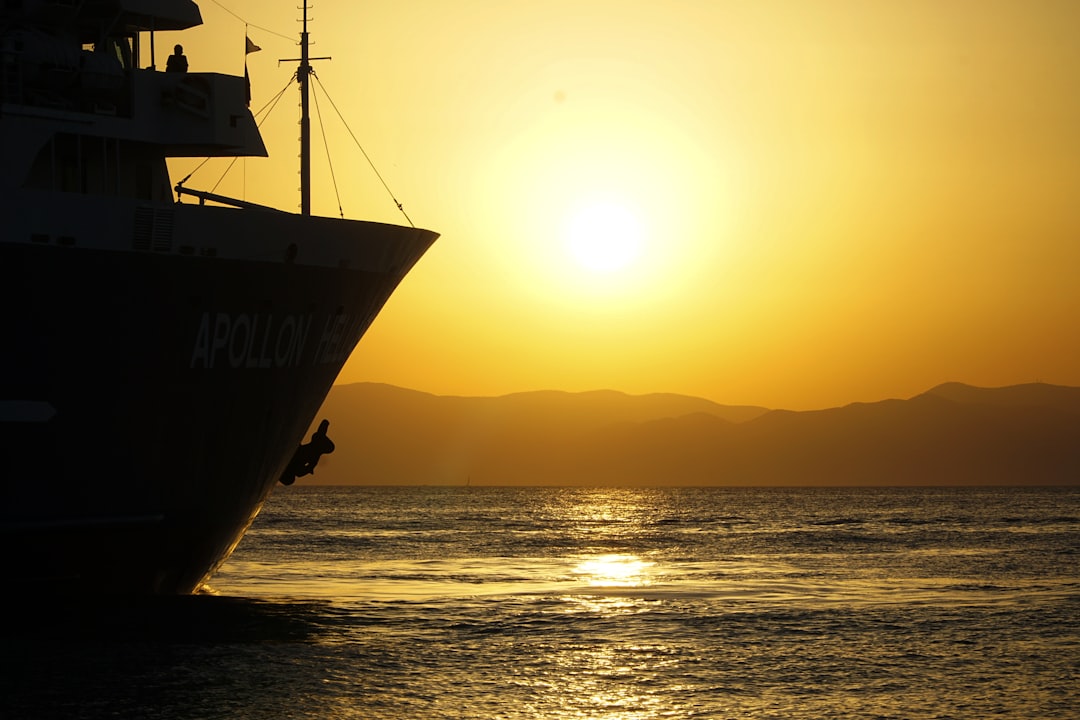
The salt spray hits you like a slap in the face, a sharp reminder that you are no longer in the sterile, air-conditioned bubble of Athens. I am standing on the deck of a battered wooden caique, the engine rumbling like a dying beast beneath my boots, watching the sun bleed into the Aegean. The captain, a man named Nikos with a beard that looks like it has never met a comb, shouts something in Greek that I don't understand but nod at anyway. It's 6:30 PM. The sky is turning a violent shade of purple, and the water is a mirror of shattered glass. This isn't a luxury cruise. There is no buffet. There is no polished deck crew in crisp white uniforms. There is just the wind, the engine, and the raw, unfiltered chaos of the Saronic Gulf.
Most tourists treat the islands like checkboxes. They take the ferry, they eat a souvlaki, they leave. But to sail here, to move across the water at sunset, is to see Greece as it actually is. It is wild, it is loud, and it is beautifully indifferent to your schedule. I came to escape the gridlock of Athens, and in the first ten minutes, as the Piraeus harbor faded into a smear of concrete and lights, I realized I had found it. The air smells of diesel, fried fish, and wild thyme. It is the smell of freedom.
The Departure from the Port of Chaos
Leaving Piraeus is an experience in itself. It is the largest port in Greece, a sprawling maze of cranes, cargo ships, and ferries that looks like a scene from a dystopian novel. But as you push out into the open water, the chaos gives way to a strange, rhythmic calm. The city of Athens looms in the background, its white buildings stacked like precarious blocks against the grey sky. You can see the Acropolis, a tiny silhouette in the distance, a reminder of the ancient history that underpins this modern madness. Piraeus Piraeus is not pretty, but it is alive. It is the gateway to the sea, the place where the land ends and the adventure begins.
The boat we are on is a traditional Greek sailing vessel, a caique. It is small, maybe 15 meters long, with a wooden hull that creaks under the weight of the waves. There are no life jackets on the deck, just a pile of them in the corner that no one seems to use. The captain navigates by instinct, his eyes scanning the horizon for the tell-tale signs of the islands. We are heading south, towards the Saronic Gulf Saronic Gulf, a cluster of islands that have been inhabited for thousands of years. The water is choppy, the engine is loud, and the sun is starting to dip below the horizon. It is not comfortable, but it is authentic. And in this part of the world, authenticity is more valuable than comfort.
The Islands: A Patchwork of History and Heat
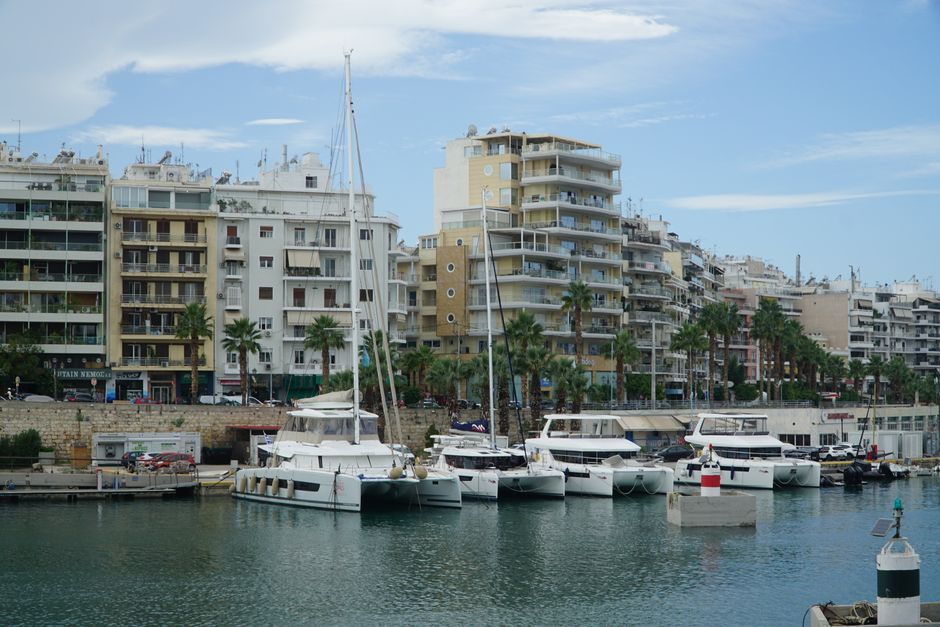
As the sun sets, the islands emerge from the haze like ghosts. First is Aegina Aegina, its green hills glowing in the fading light. Then Poros Poros, a car-free island where the only sound is the braying of donkeys and the chatter of locals. And finally, Hydra Hydra, its medieval stone houses stacked like a fortress against the sea. These are not the crowded party islands of Mykonos or Santorini. They are quieter, more reserved, and deeply connected to the land and the sea. The water here is a deep, dark blue, almost black in the shadows of the rocks. It is cold, even in July, and it bites at your ankles if you dare to jump in.
The beauty of the Saronic Gulf islands is their diversity. Aegina is known for its pistachios and almonds, its fields of green a stark contrast to the blue of the sea. Poros is a boater's paradise, its harbor filled with yachts and fishing boats. Hydra is an artist's colony, its narrow streets lined with galleries and workshops. Each island has its own character, its own history, and its own way of life. To sail between them is to travel through time, from the ancient world to the modern age, in a matter of hours. The sunset paints the sky in shades of orange, pink, and purple, and the water reflects the colors like a mirror. It is a moment of pure, unadulterated beauty, and it is something you will never forget.
The Taste of the Sea: Dinner on the Deck
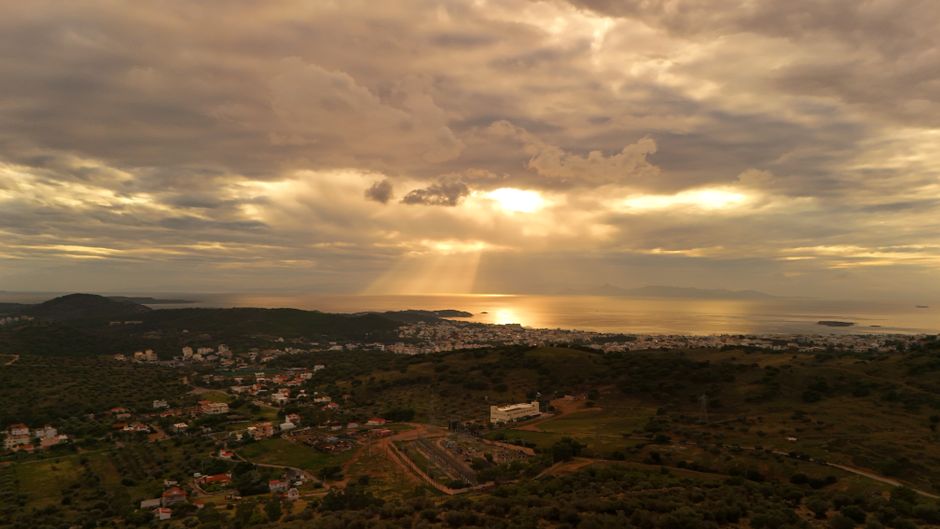
Dinner on a caique is not a gourmet experience. It is a feast of the sea, served on plastic plates and eaten with your hands. The captain brings out a cooler filled with fish, caught earlier that day, and a bottle of retsina Retsina, a traditional Greek wine flavored with resin. The fish is grilled on a small barbecue on the deck, the smoke mixing with the salt air. It is simple, it is fresh, and it is delicious. The taste of the sea is in every bite, the fish melting on your tongue, the wine burning your throat. It is a meal that tastes like freedom.
The food is cheap, too. A plate of grilled fish costs around 8-12 EUR, and a bottle of retsina is 5-8 EUR. It is a far cry from the expensive restaurants in Athens, where a meal can cost you 30-50 EUR per person. Here, you pay for the experience, not the ambiance. The plastic plates, the plastic cups, the plastic cutlery — it is all part of the charm. It is a reminder that you are not in a hotel, you are not in a restaurant, you are on a boat, in the middle of the sea, eating fish that was swimming in the water just hours ago. It is a meal that connects you to the land, the sea, and the people who live there.
Nightfall: The Stars Over the Aegean
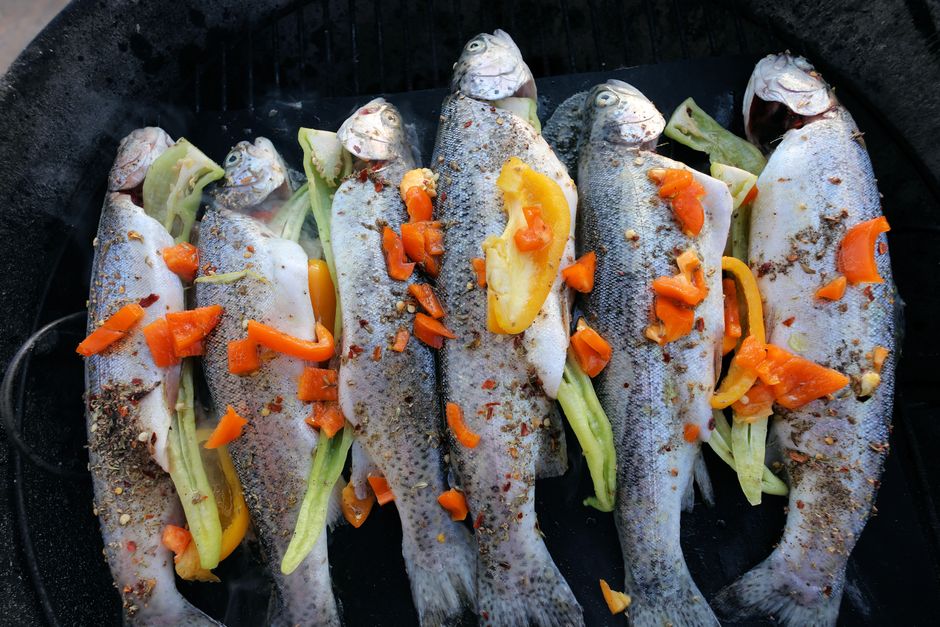
As the sun disappears, the sky fills with stars. It is a sight that is hard to believe, given the light pollution of Athens. But out here, in the middle of the Saronic Gulf, the sky is a vast, dark canvas, dotted with millions of tiny lights. The captain turns off the engine, and the boat drifts silently through the water. The only sound is the lapping of the waves against the hull, and the occasional splash of a fish jumping in the moonlight. It is a moment of pure silence, a moment of peace that is rare in this busy world.
The night is cool, the air crisp and clean. You can feel the warmth of the day fading, replaced by the chill of the sea. It is a feeling that is both comforting and unsettling, a reminder that you are small, and the world is big. The stars are bright, the moon is full, and the sea is calm. It is a perfect night for sailing, a perfect night for thinking, and a perfect night for forgetting. You can forget your worries, your problems, your stress. You can forget everything, except the beauty of the moment. It is a feeling that is hard to describe, but easy to feel. And it is a feeling that you will carry with you, long after you have left the Saronic Gulf.
Getting There & What to Expect
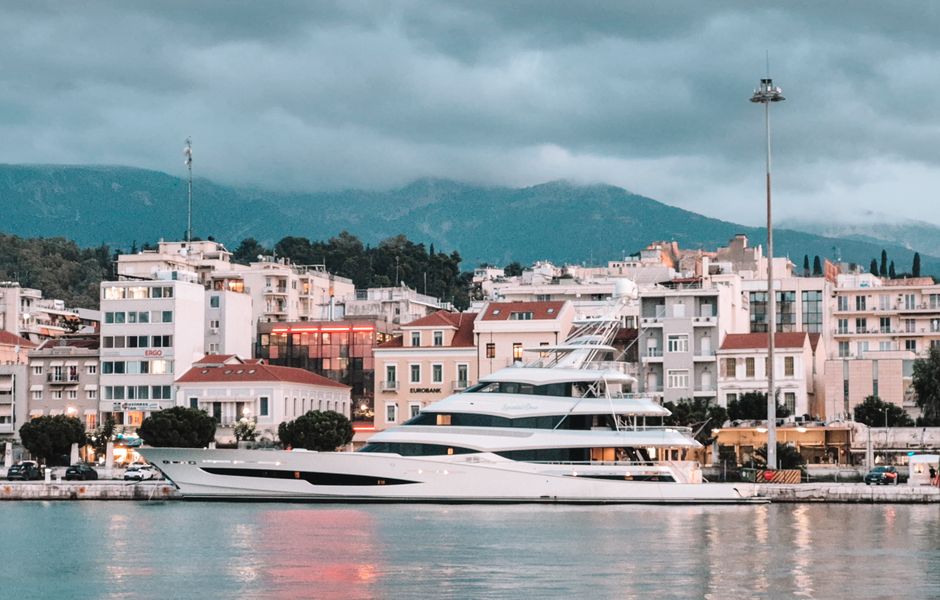
Getting to Piraeus is easy. It is located just 10-15 EUR away from central Athens Athens, and you can reach it by metro, bus, or taxi. The metro is the cheapest option, costing around 1.20 EUR per ride, and it takes about 30 minutes. The bus is slightly more expensive, at 1.50 EUR, but it offers a better view of the city. The taxi is the most expensive, at 15-20 EUR, but it is the most convenient. Once you are in Piraeus, you can walk to the port, where you will find a variety of boats for hire.
There are many companies that offer sunset sailing tours in the Saronic Gulf. Prices vary depending on the type of boat and the duration of the tour. A basic tour on a caique costs around 40-60 EUR per person, while a luxury yacht tour can cost 150-300 EUR per person. The best time to go is in the late afternoon, around 5:00 PM, so you can catch the sunset. The tours usually last about 3-4 hours, and they include food and drink. It is a great way to spend an evening, and it is a memory that you will never forget.
Search accommodation in Athens on Booking.com →
The Final Horizon
I am back in Athens now, the city loud and chaotic as ever. But I can still feel the salt on my skin, the wind in my hair, and the stars in my eyes. The Saronic Gulf is not just a place, it is a feeling. It is the feeling of being free, of being alive, of being part of something bigger than yourself. It is a feeling that is hard to find in the modern world, but it is there, if you know where to look. And if you don't know where to look, just get on a boat, head out to sea, and let the sunset guide you. It is the only way to truly see Greece, and the only way to truly feel alive.
Comments