


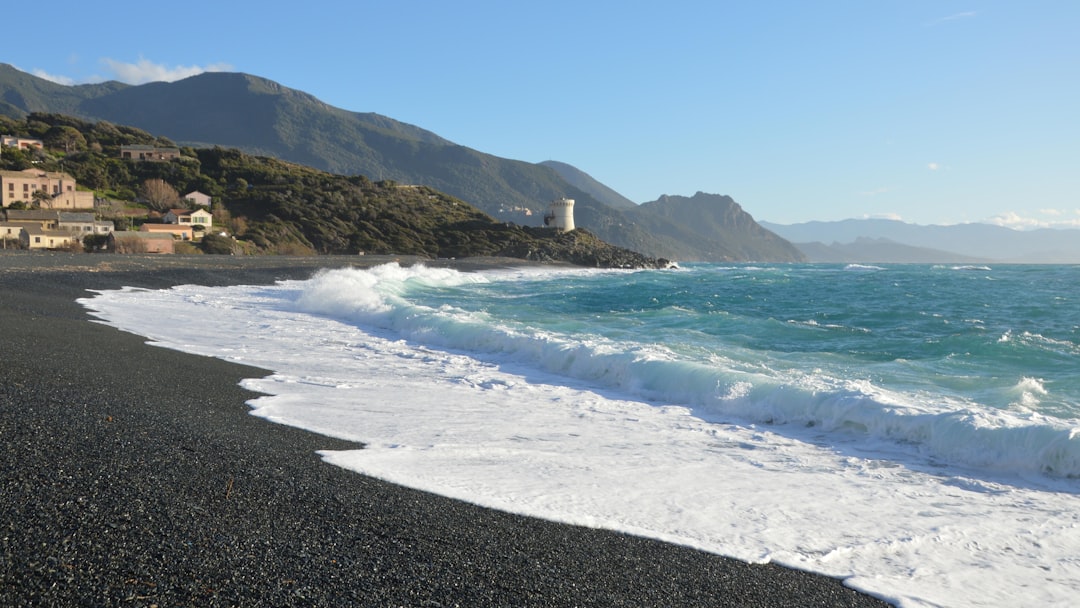
I stood on the concrete edge of the pool at Varna Dolphinarium, the air thick with the scent of chlorine and salt, watching a bottlenose dolphin named Yana breach the surface with a splash that soaked my sneakers. It's not the open ocean. It's not the wild, untamed Black Sea where these creatures roam freely. This is a controlled environment, a place where the line between entertainment and education blurs under the hot Bulgarian sun. I came to Varna expecting a tropical adventure, but I found something far more complex—a mix of genuine wonder, ethical debate, and the raw, unfiltered reality of marine life in captivity. The dolphin slapped its tail against the water, and for a second, I saw intelligence in its eyes, a reminder that these are not just props for a photo op.
The experience is raw, unpolished, and undeniably striking. You're not just watching a show; you're stepping into a world where humans and marine mammals interact in a way that's both fascinating and controversial. The water is cool, the air is humid, and the energy is electric. As I prepared to swim, I felt a mix of excitement and trepidation. What does it really mean to swim with a dolphin? Is it a privilege or a privilege? The answers are not black and white, and that's what makes this place so compelling. This is not a sanitized tourist trap. It's a place where you confront the reality of human-animal interaction head-on.
History & Identity
Varna has long been a hub of maritime culture, its identity shaped by centuries of trade, naval power, and coastal living. The city's connection to the sea is deeply ingrained in its history, from the ancient Thracian settlements to its role as a major port in the Ottoman Empire and beyond. The establishment of the Varna Dolphinarium in the 1970s was part of a broader trend in Eastern Europe to create public aquariums and marine parks as symbols of modernity and scientific progress. Over the decades, the dolphinarium has evolved from a simple exhibition space to a center for marine research and conservation efforts.
Today, Varna stands at a crossroads. On one hand, it's a vibrant Black Sea resort, attracting millions of tourists each summer with its sandy beaches and historic landmarks. On the other hand, it faces growing scrutiny over its marine attractions. The dolphinarium has become a focal point in the global debate about animal welfare, with activists arguing for the end of captive breeding programs and proponents highlighting the educational value of close encounters. This tension defines the modern identity of Varna's marine tourism—a city grappling with its past while navigating the ethical complexities of the present.
Where to Go
Varna Dolphinarium — This is the heart of the experience, a facility that has housed bottlenose dolphins for decades. The complex includes a large outdoor pool, viewing stands, and interactive zones where visitors can participate in feeding sessions and swimming programs. The architecture is functional, with concrete structures and glass barriers that offer clear views of the animals. Entry to the grounds costs 10-15 EUR, while the swimming experience is priced higher, around 80-120 EUR per person depending on the package. The best time to visit is early morning, when the pools are less crowded and the dolphins are more active after their overnight rest. The facility also hosts daily shows, which are free with entry, featuring trained behaviors that demonstrate the dolphins' agility and intelligence.
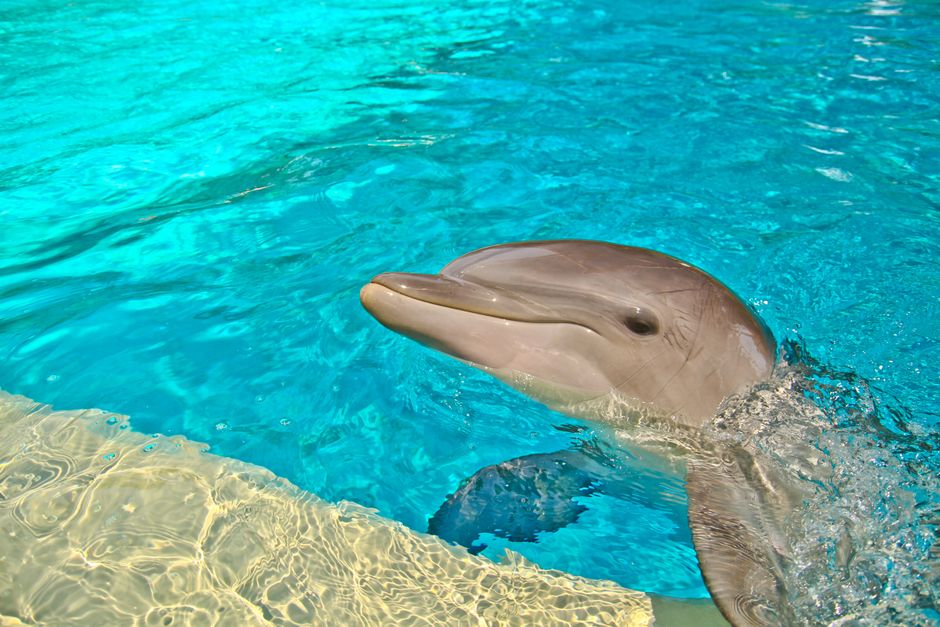
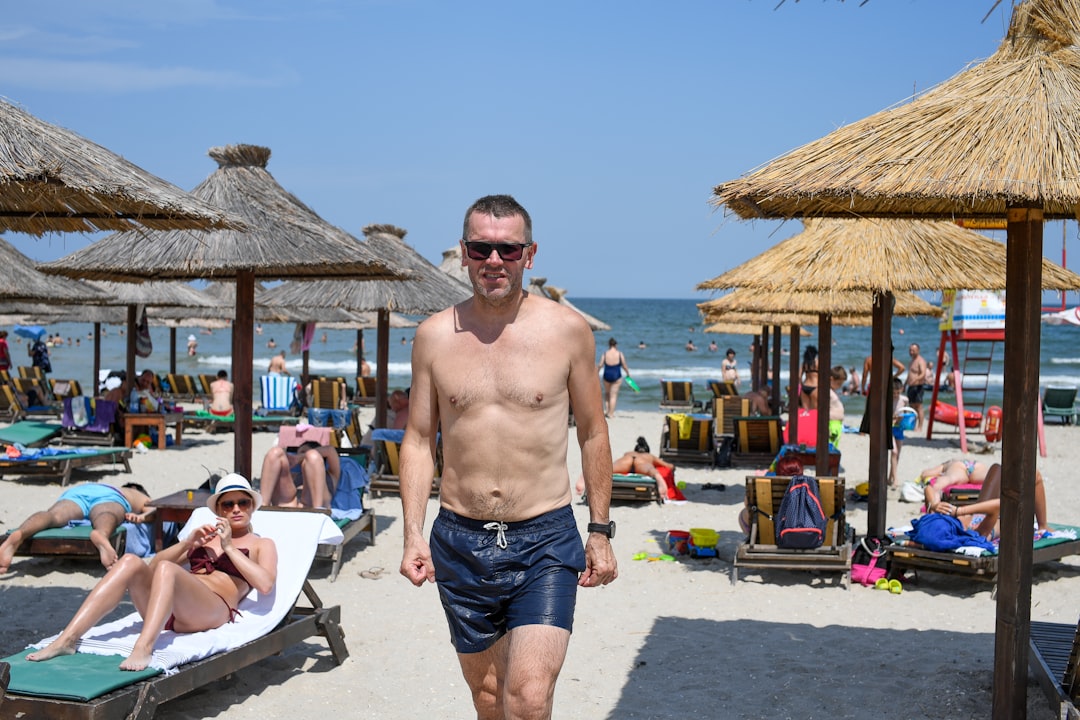
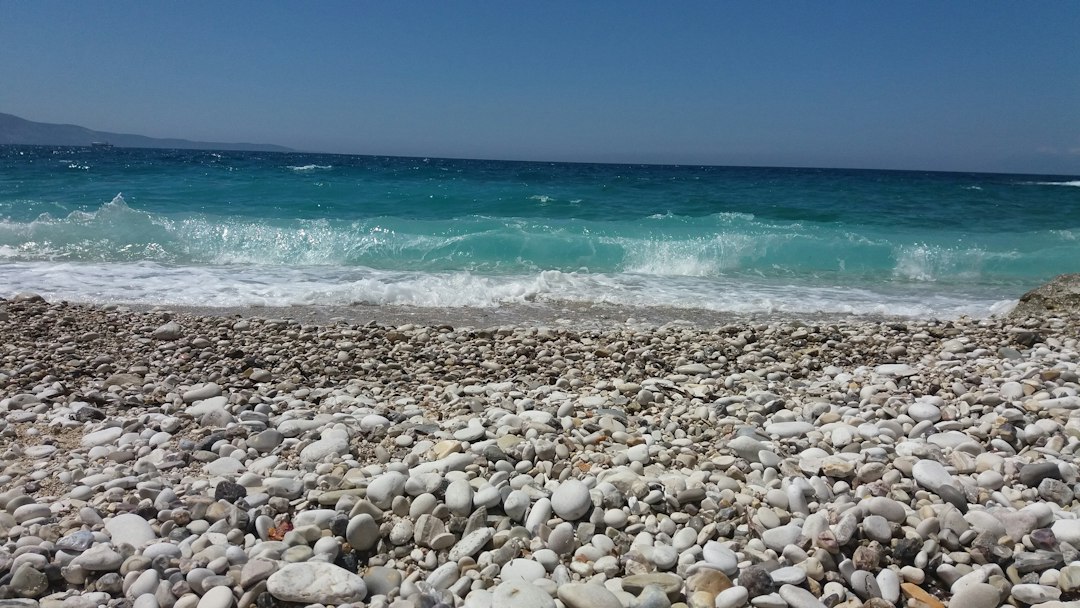
Golden Sands Beach — Just a short drive from the dolphinarium, this expansive stretch of coastline offers a stark contrast to the controlled environment of the marine park. Golden Sands is one of Bulgaria's most famous resorts, with wide, sandy shores and a lively promenade lined with cafes and shops. It's a place to unwind after the intensity of the dolphin swim, where you can soak up the sun and watch the Black Sea waves roll in. The beach is well-maintained, with sunbeds and umbrellas available for rent, and the water is generally clean and safe for swimming. It's a reminder of what wild marine environments can look like, even if it's still a popular tourist destination.
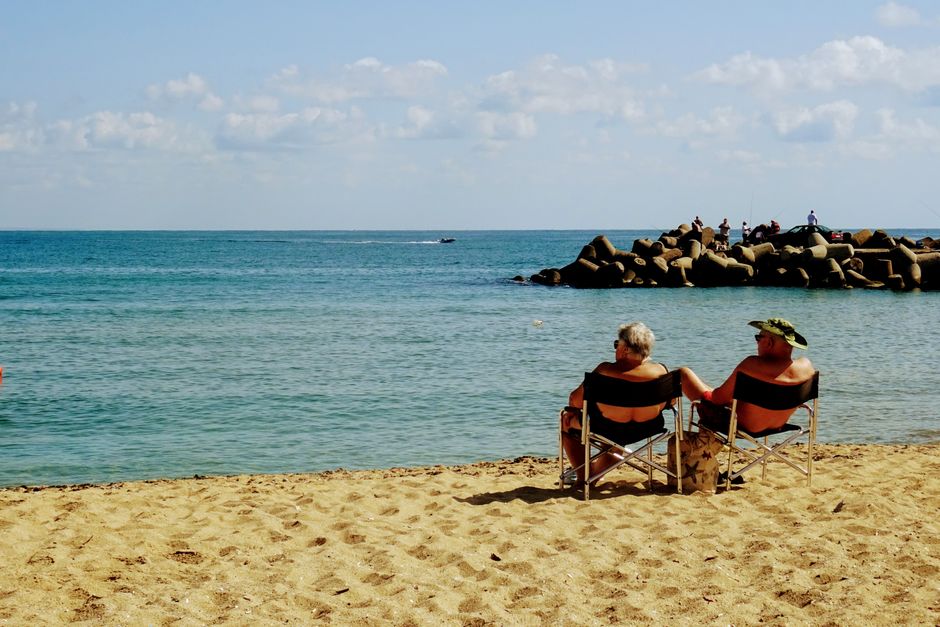
Archaeological Museum of Varna — To understand the deep history of this region, a visit to this museum is essential. Housed in a striking modern building, the museum holds one of the world's oldest gold treasures, dating back to the Chalcolithic period. The exhibits provide context for Varna's long-standing relationship with the sea, showcasing artifacts from ancient shipwrecks and coastal settlements. Entry is 5-7 EUR, and the audio guide is highly recommended for those who want to delve into the details. The museum is a testament to the city's cultural richness, offering a counterpoint to the more contemporary attractions like the dolphinarium.
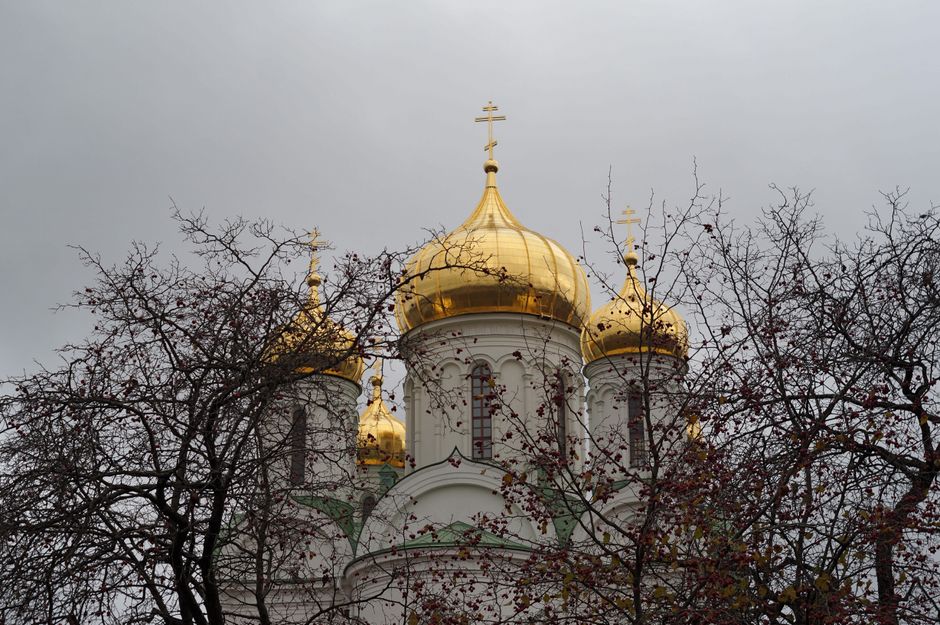
St. Dimitar Cathedral — Located in the city center, this majestic Orthodox cathedral is a landmark of Varna's religious and architectural heritage. Its white stone facade and golden domes stand out against the skyline, and the interior is adorned with intricate frescoes and icons. The cathedral is free to enter, and it's a peaceful place to reflect amidst the bustle of the city. It's a short walk from the main bus station, making it easy to combine with other sightseeing.
What to Eat & Drink
Varna's culinary scene is a blend of traditional Bulgarian flavors and coastal specialties. After a morning at the dolphinarium, you'll want to refuel with some local dishes. Shkembe chorba — a hearty tripe soup that's a staple of Bulgarian cuisine — is available at most local restaurants for 4-6 EUR per serving. It's rich, flavorful, and perfect for warming up on cooler days. Shopska salad — a mix of tomatoes, cucumbers, peppers, and sirene cheese — is a refreshing side dish, typically costing 3-4 EUR. For seafood lovers, grilled mackerel is a must-try, often served with lemon and herbs, priced around 8-10 EUR per portion.
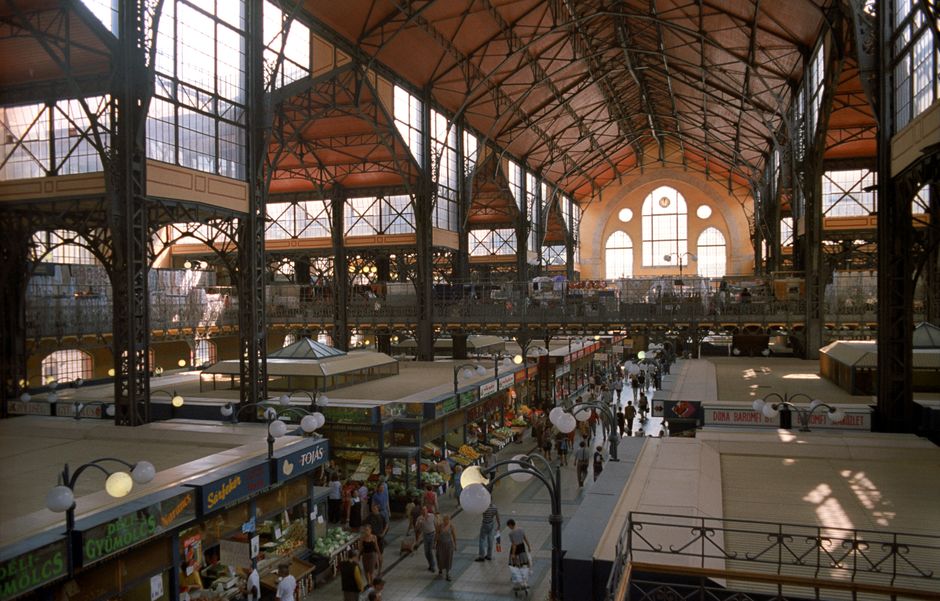
Budget travelers can find street food options like banitsa — a savory pastry filled with cheese or spinach — for 1-2 EUR at bakeries throughout the city. Sit-down meals at local restaurants range from 10-15 EUR per person, while mid-range dining experiences can cost 20-30 EUR. The Central Market Hall is a great place to sample local produce and prepared foods, with stalls offering everything from fresh fruits to grilled meats. It's a bustling, authentic spot that gives you a taste of everyday life in Varna.
Nightlife
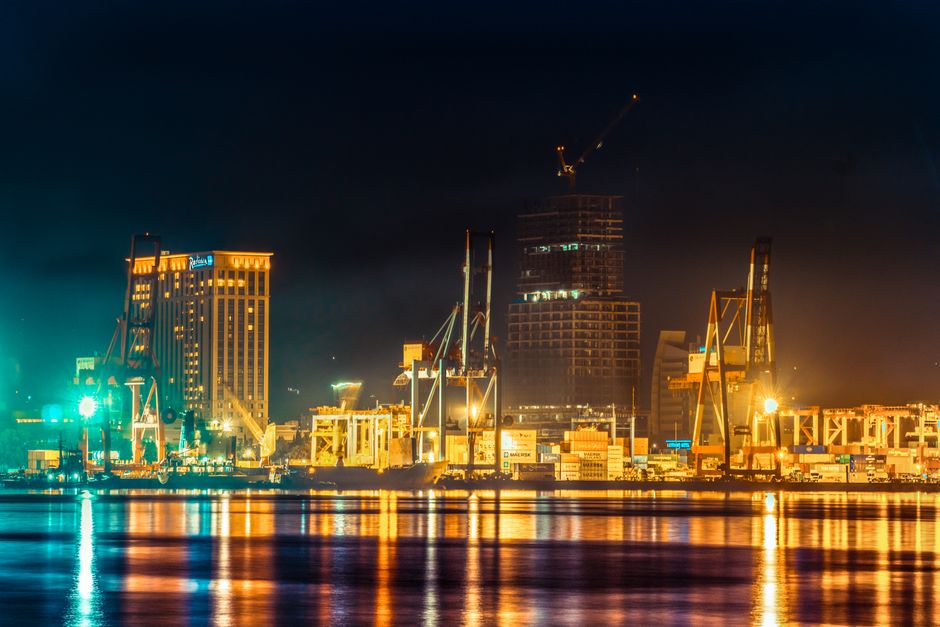
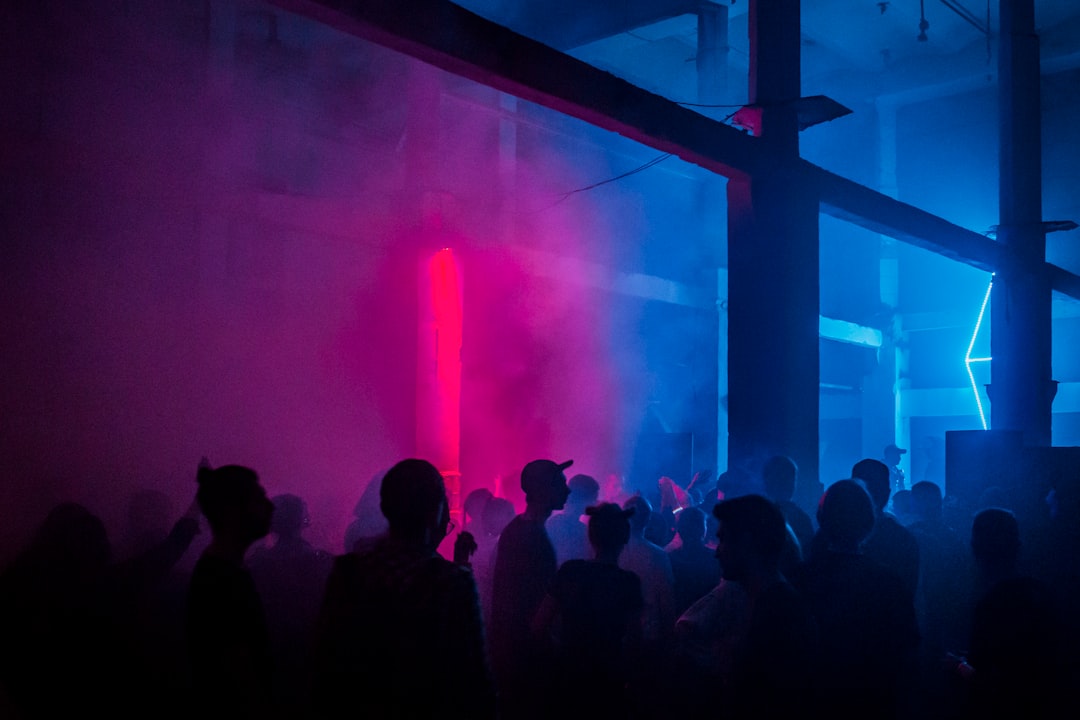
Varna's nightlife is vibrant, with a mix of beach clubs, bars, and live music venues. The Port of Varna area is a hub for evening entertainment, with waterfront bars offering cocktails with a view of the Black Sea. Club Mamma is a popular spot for electronic music, drawing crowds of young locals and tourists alike. Cover charges are typically 5-10 EUR, and drinks range from 3-5 EUR. The atmosphere is energetic, with dancing until the early hours.
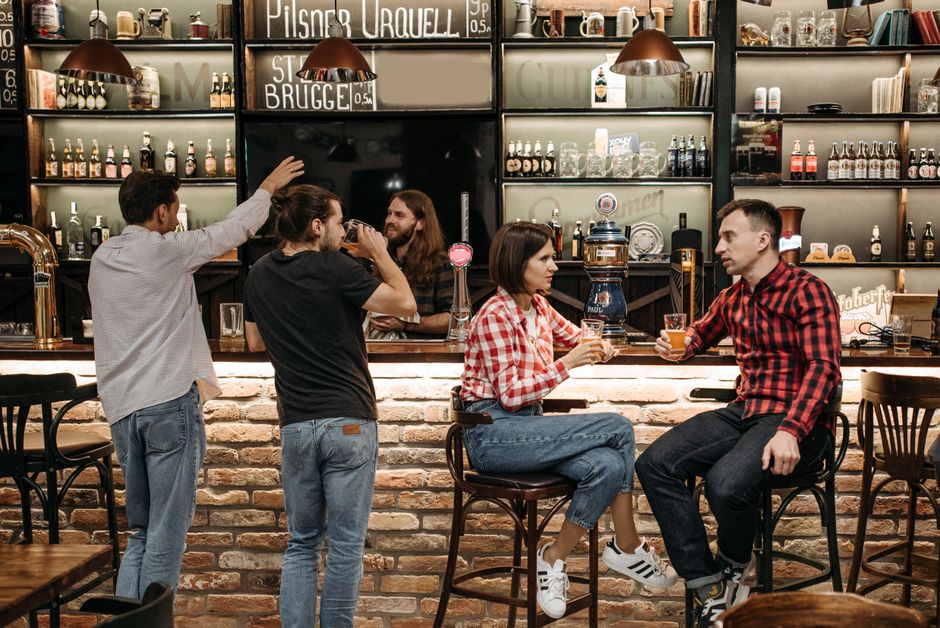
For a more relaxed vibe, head to Bar Kafe in the city center, where you can enjoy craft beers and live acoustic music. It's a favorite among expats and travelers looking for a quieter evening. The bar has a cozy, intimate setting, with outdoor seating that's perfect for summer nights. Live performances are frequent, featuring local bands and solo artists.
Getting There & What to Expect
The nearest airport is Varna Airport, which receives direct flights from major European cities. From the airport, you can take a taxi or a bus to the city center, with the journey taking about 20-30 minutes. Bus tickets cost around 2-3 EUR, while taxis are more expensive, typically 15-20 EUR. If you're arriving by train, Varna Railway Station is well-connected to Sofia and other major Bulgarian cities, with travel times ranging from 5 to 7 hours. Train tickets cost between 15-25 EUR depending on the class and time of travel.
Accommodation in Varna ranges from budget hostels to luxury hotels. Hostels cost around 15-25 EUR per night, while mid-range hotels are priced at 50-80 EUR. Luxury options can exceed 150 EUR per night. The best time to visit is between June and September, when the weather is warm and the dolphinarium is fully operational. However, be prepared for crowds during the peak summer months.
Search accommodation in Varna on Booking.com →
The Ethical Edge
As I walked out of the dolphinarium, the sun was setting, casting a golden glow over the Black Sea. The memory of Yana's eyes stayed with me, a haunting reminder of the intelligence and emotion that exists within these creatures. Swimming with dolphins in Varna is not just a tourist attraction; it's a confrontation with the ethical dilemmas of modern entertainment. It's a place where you can't look away, where the line between wonder and unease is razor-thin. This is the reality of the Black Sea coast—a place of beauty, complexity, and unanswered questions. Whether you see it as a privilege or a problem, one thing is certain: you won't forget it.
Comments