


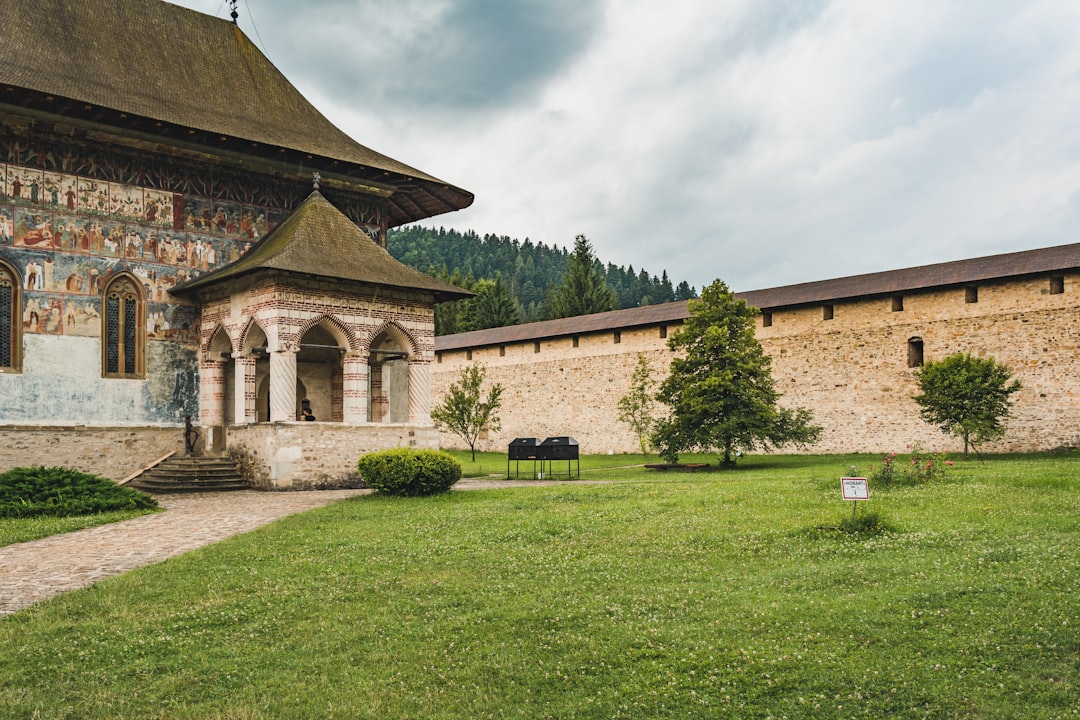
The rain in Suceava doesn't fall; it hangs in the air like a wet wool blanket, soaking into your bones before you even step out of the car. I’m standing in the mud of a roadside stop, nursing a lukewarm coffee from a Styrofoam cup that’s already dissolving in my grip, watching a local shepherd drive his sheep past a crumbling stone wall covered in faded red ochre. This isn’t a postcard. This is the raw, unvarnished edge of Moldova, a region in Romania that feels like it’s holding its breath, waiting for the rest of the world to catch up to its own history. The air smells of wet earth, woodsmoke, and old stone. I’m here to chase ghosts—specifically, the ghosts painted onto the walls of monasteries that have stood for centuries, defying war, communism, and time itself.
Most tourists head south to Transylvania for castles or west to Bucharest for nightlife. They miss the real story. The real story is here, in the northeast, where the Moldavian princes of the 15th century commissioned some of the most significant Orthodox iconography in Eastern Europe. These aren’t just religious buildings; they are open-air galleries, their exterior walls covered in biblical scenes, historical battles, and terrifying depictions of hell. And they are fading. Fast. Every year, more pigment flakes off into the mud. Every year, the colors dull. I’m here to see them before they’re just outlines.
History & Identity
The painted monasteries of Suceava are not random acts of piety. They are political statements. In the 15th century, under the rule of Stephen the Great and his successors, the Principality of Moldova was a power broker in Eastern Europe, balancing between the Ottoman Empire to the south and the Polish-Lithuanian Commonwealth to the west. These princes needed legitimacy. They needed to show that their rule was divinely sanctioned. So, they didn’t just build churches; they built monumental stone fortresses covered in paintings that could be seen from miles away. The exterior frescoes served as a billboard for the faith and power of the ruler.
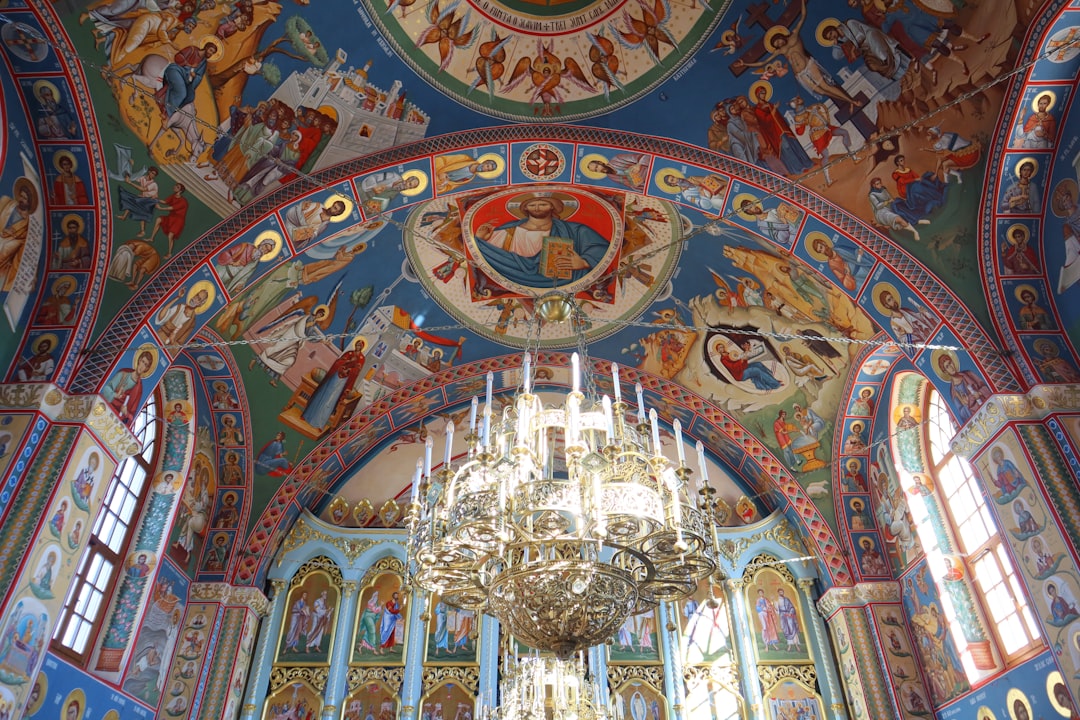
The style is distinct. It’s not the gentle, serene iconography you might find in Western European churches. It’s bold, dramatic, and often violent. The colors are stark—deep reds, blacks, and earthy browns. The figures are elongated, the expressions intense. This is art meant to inspire awe and fear. It’s art that says, "This is your God, and this is your King." The paintings often blend biblical narratives with contemporary historical events, showing the princes praying to Christ or being blessed by saints. It’s a unique fusion of the sacred and the secular that defines the cultural identity of this region.
But history is also a story of survival. These monasteries were attacked, looted, and abandoned. Many fell into ruin during the Ottoman wars and later under the communist regime, which saw religion as a threat. The fact that any of these paintings survive is a miracle. Restoration efforts have been ongoing for decades, but they are slow and expensive. Some walls are protected by scaffolding and plastic sheeting, looking like bandaged wounds. Others are exposed to the elements, slowly eroding. The tension between preservation and decay is palpable. You can feel the weight of centuries in every flake of paint.
Where to Go
Sucevița Monastery — This is the crown jewel. Built in 1582 by Petru the Lame, its exterior walls are covered in vivid frescoes that are among the best-preserved in the region. The most famous scene is the "Ladder of Virtues," a towering depiction of monks climbing a ladder to heaven while demons try to pull them down into hell. It’s a visceral, terrifying image that has little to do with peaceful meditation and everything to do with spiritual struggle. Entry is free, but donations are expected. Visit early in the morning to avoid crowds and get the best light for photography. The monastery is small, so you can see everything in under an hour.
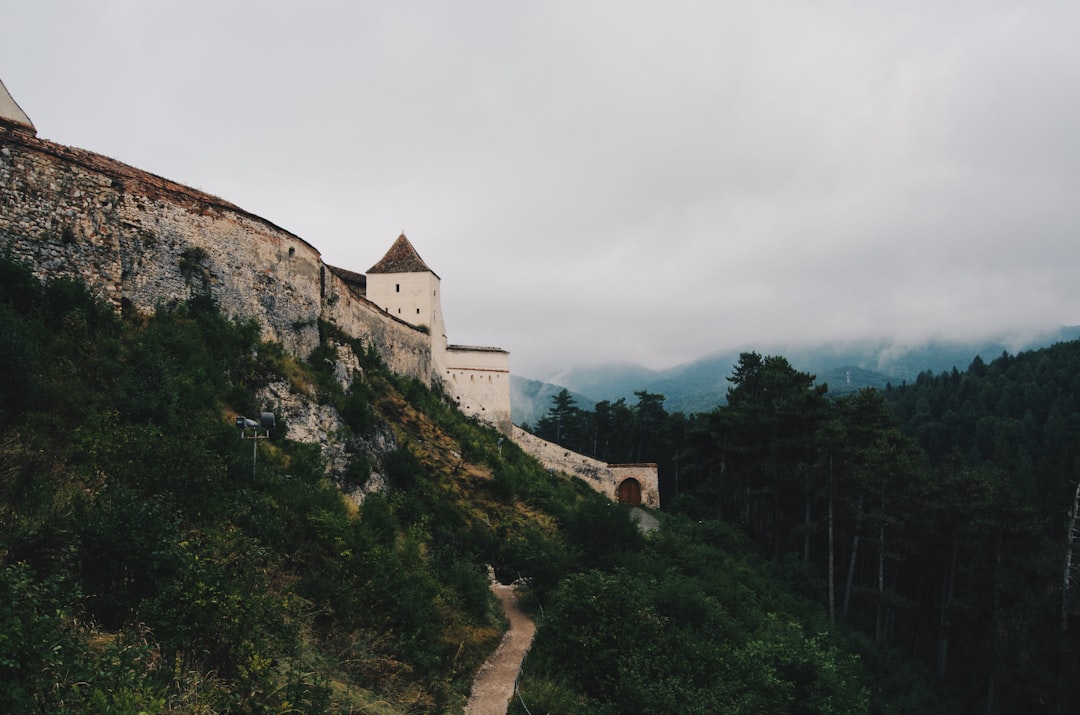
Sfântul Ioan Botezătorul — Known as the "Baptist" monastery, this is the oldest of the painted monasteries, dating back to 1488. The frescoes here are older and therefore more faded, but they have a haunting beauty. The scenes are more fragmented, with large patches of wall bare, but the remaining images are powerful. The monastery is less crowded than Sucevița, giving you time to really look at the details. It’s a quieter, more contemplative experience. The location is slightly more remote, so allow extra travel time.
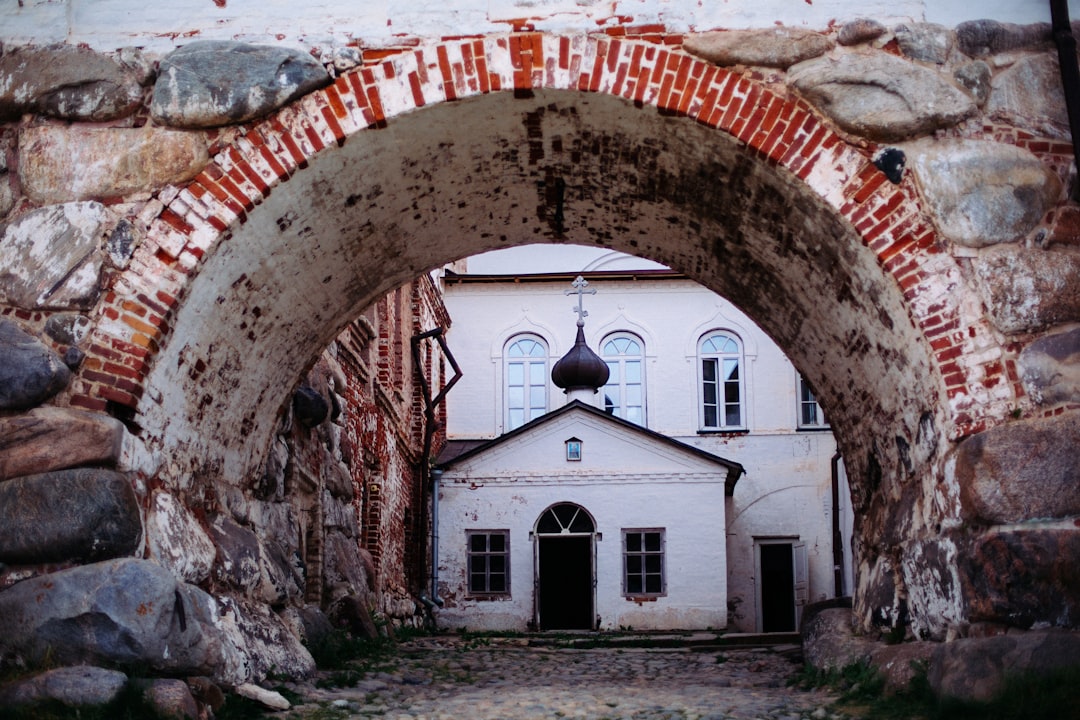
Pogănești Monastery — This monastery is unique for its "Judgment of the Soul" fresco, a detailed depiction of the Last Judgment that covers an entire wall. It’s a gruesome, fascinating scene that shows the weighing of souls, with demons and angels vying for control. The monastery is also known for its well-preserved interior icons, which complement the exterior paintings. It’s a bit further from Suceava city, so it’s often skipped by day-trippers. If you have the time, it’s worth the detour. The surrounding landscape is rugged and beautiful, adding to the atmosphere.
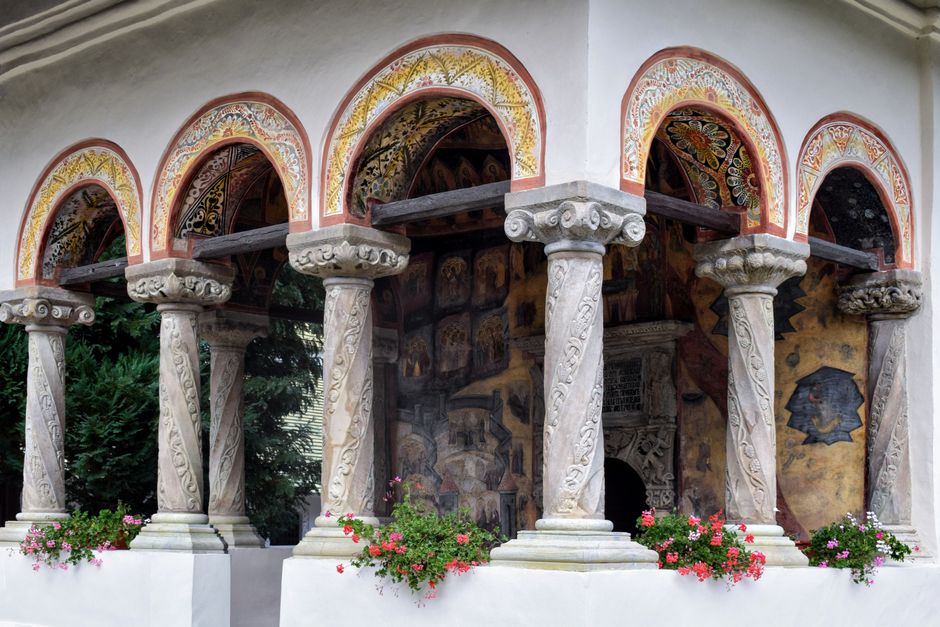
Suceava Citadel — Before you hit the monasteries, stop at the Citadel in Suceava city. It’s the remains of the medieval fortress that was the seat of the Moldavian princes. The walls are massive, and the view over the city is impressive. Inside, you’ll find the Princes' Church, which has some interesting frescoes, though they’re not as famous as those in the monasteries. The Citadel is a good starting point for understanding the historical context of the painted monasteries. It’s free to enter, and there are cafes nearby for a break.
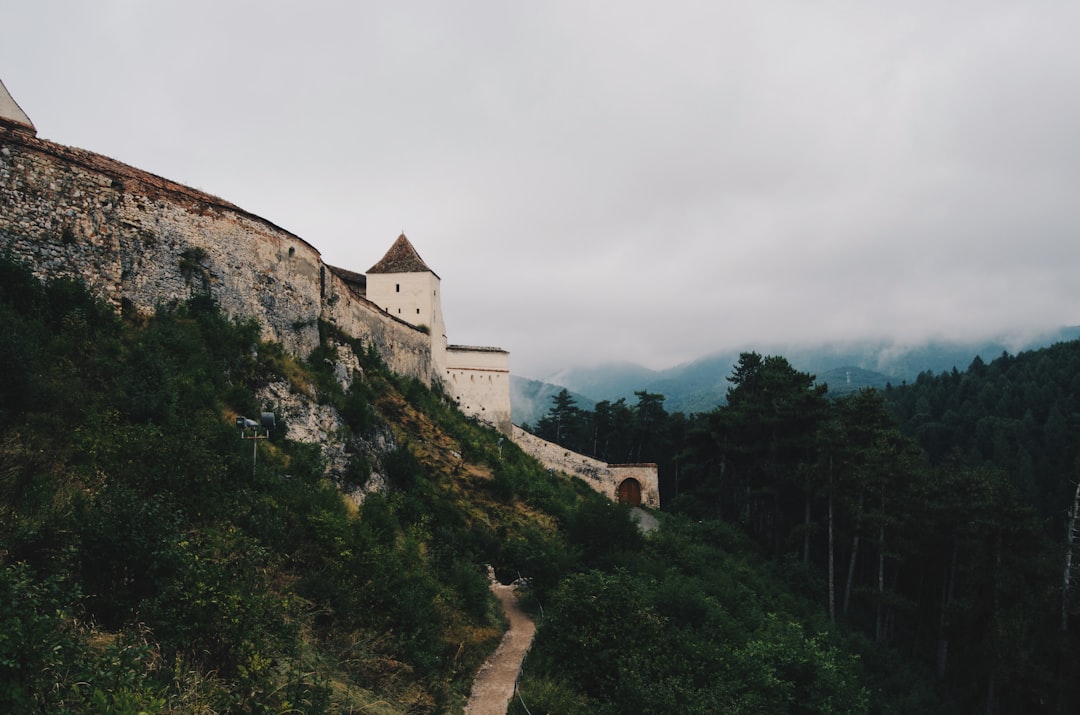
Moldovița Monastery — This is the first of the painted monasteries to be restored, and it’s a UNESCO World Heritage site. The frescoes here are vibrant and well-preserved, depicting biblical scenes and the life of Christ. The monastery is larger than the others and has a more formal atmosphere. It’s the most touristy of the group, so expect more people. But the quality of the paintings is undeniable. It’s a must-see for anyone interested in Orthodox art. Allow at least an hour to explore the grounds and the interior.
What to Eat & Drink
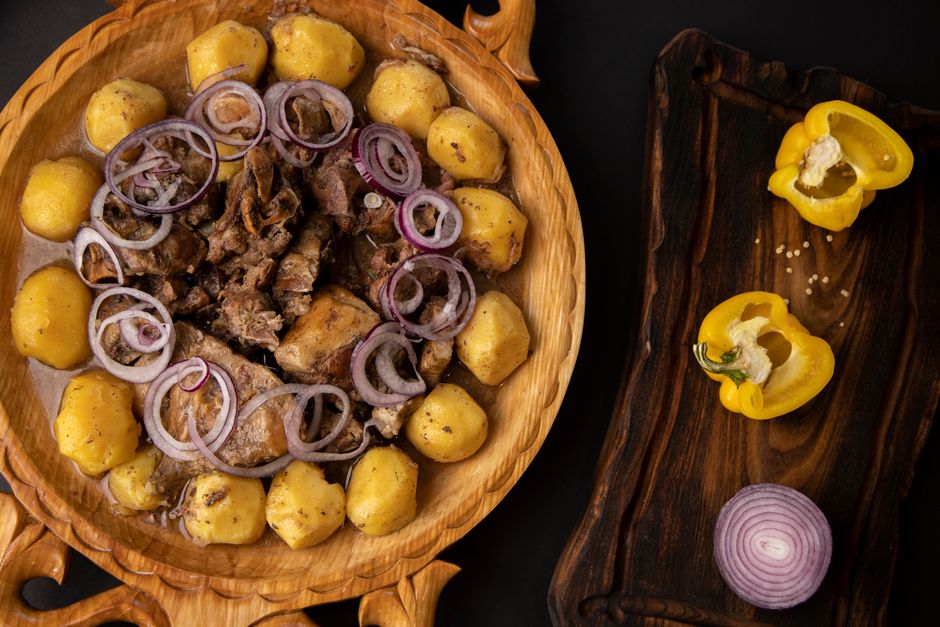
After a day of walking through monasteries, you’ll need fuel. The food in Suceava and the surrounding villages is hearty, simple, and affordable. Look for mămăligă (polenta) served with sour cream and cheese, typically 3-5 EUR per serving. It’s the staple of the region, and it’s delicious. Pair it with sarmale (cabbage rolls stuffed with meat and rice), which you can find in most local restaurants for 6-10 EUR per plate. If you’re feeling adventurous, try mici (minced meat rolls), a popular street food that costs 2-4 EUR for a few pieces.
For drinks, you can’t go wrong with local wine. The Valea Vinului (Valley of Wine) region is nearby, and many restaurants serve affordable house wines for 3-6 EUR per glass. Beer is also popular, with local brands like Timișoreana widely available for 2-4 EUR per bottle. If you want something stronger, try pălincă, a traditional fruit brandy that’s strong enough to strip paint. It’s usually served in small shots and costs 2-3 EUR per glass.
Budget breakdown: Street food and take-away meals will cost you 2-5 EUR per person. A sit-down meal at a local restaurant, including a main dish and a drink, will run 8-15 EUR per person. Mid-range hotels in Suceava city charge 30-60 EUR per night, while budget hostels are 15-25 EUR per night. If you’re staying in the villages near the monasteries, guesthouses are cheaper, often 10-20 EUR per night, and usually include breakfast.
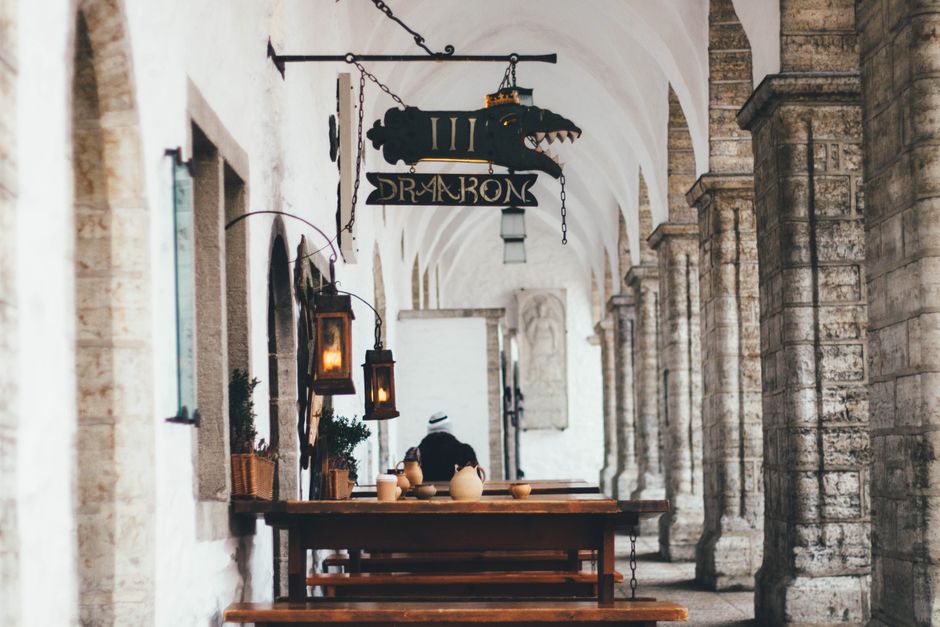
The best place to eat in Suceava city is the old town area, around Piața Sfatului. There are several traditional restaurants here, as well as cafes and bakeries. For a more authentic experience, head to the villages near the monasteries, where you’ll find family-run guesthouses serving home-cooked meals. Don’t miss the local markets, where you can buy fresh produce, cheese, and honey. It’s a great way to support local farmers and taste the best of the region.
Nightlife
Nightlife in Suceava is not your typical party scene. It’s low-key, local, and centered around a few key streets. The main area is around Piața Sfatului and the surrounding streets, where you’ll find a mix of bars, pubs, and a few clubs. Most places are open until midnight or 1 AM, with the exception of a couple of clubs that stay open later. The atmosphere is relaxed, and you’ll mostly see locals and students. If you’re looking for a wild party, you’ll be disappointed. But if you want to have a drink, listen to some live music, and talk to locals, it’s a great spot.
One of the most popular bars is La Pădure, a cozy spot with live folk music on weekends. It’s a great place to experience traditional Romanian culture. Cover charge is 2-5 EUR, or free if you buy drinks. Club 40 is a larger venue that plays a mix of pop, dance, and electronic music. It’s more of a club scene, with a younger crowd. Cover charge is 5-10 EUR. Brewery 31 is a craft beer bar that’s popular with expats and locals alike. It has a wide selection of local and international beers, and the food is good. Drinks are 4-8 EUR per glass.
If you’re staying in the villages near the monasteries, nightlife is virtually non-existent. Most places close early, and there are few bars or clubs. But that’s part of the charm. You’ll be able to enjoy the silence, the stars, and the peace of the countryside. It’s a stark contrast to the bustle of the city, and it’s a good reminder of why you’re here in the first place.
Getting There & What to Expect
The nearest airport is Suceava Airport (SCV), which has limited international flights, mostly from within Europe. The most common way to get to Suceava is by train or bus from Bucharest. The train journey takes about 6-7 hours and costs 15-25 EUR for a second-class ticket. Buses are faster, taking 4-5 hours, and cost 20-30 EUR. Once you’re in Suceava, you can rent a car for 30-50 EUR per day, or take a taxi to the monasteries, which will cost 10-20 EUR per trip. Buses also run to the monasteries, but they are infrequent and slow.
The best time to visit is between April and October, when the weather is mild and the roads are accessible. Summer can be hot and crowded, so spring or autumn is preferable. The monasteries are open year-round, but the exterior frescoes are best viewed in good light. Avoid visiting in winter, when the roads can be icy and the monasteries may be closed for restoration.
Expect to walk a lot. The monasteries are spread out, and there’s a lot of ground to cover. Wear comfortable shoes and bring layers, as the weather can change quickly. Bring a camera, but be respectful of the religious nature of the sites. Photography is usually allowed, but ask for permission before taking pictures inside the churches. Donations are expected at most monasteries, so bring some small bills.
Accommodation in Suceava city ranges from budget hostels at 15-25 EUR per night to mid-range hotels at 30-60 EUR per night. If you prefer a more rural experience, guesthouses in the villages near the monasteries are 10-20 EUR per night. Most include breakfast, which is a good way to start your day.
Search accommodation in Suceava on Booking.com →
The Fading Line
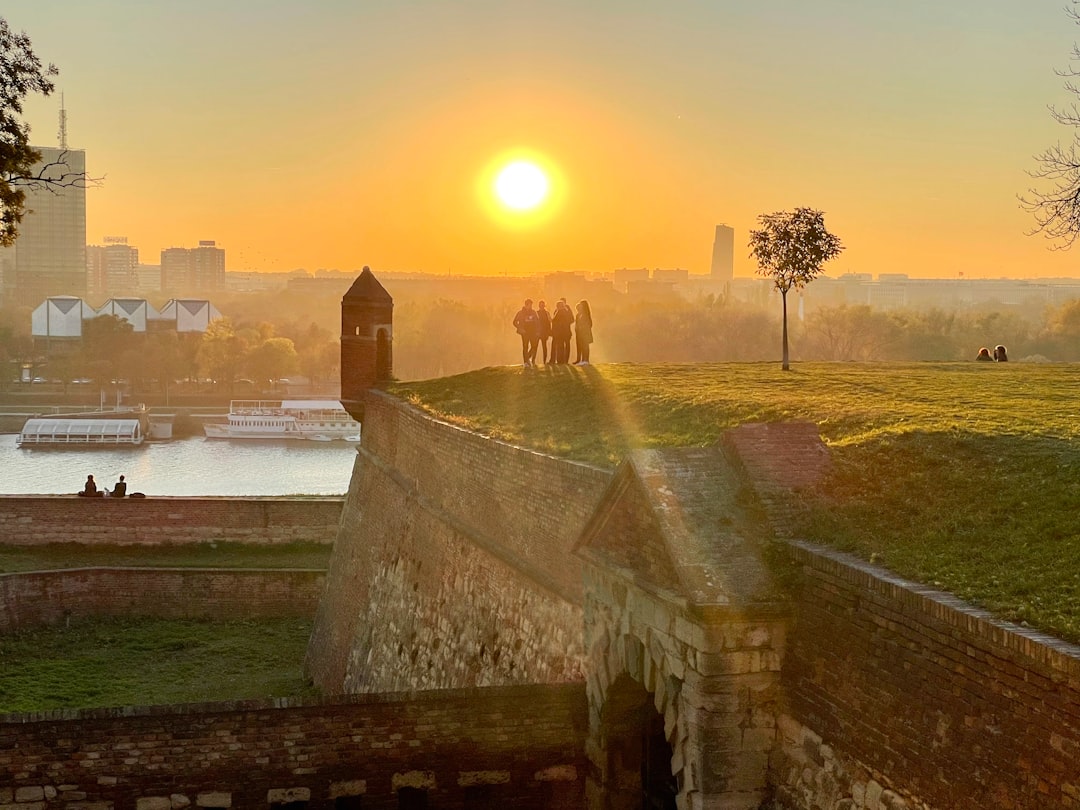
I’m sitting on a bench outside Sucevița, watching the sun set behind the Carpathian Mountains. The light is turning gold, and the faded reds on the wall are glowing like embers. A group of schoolchildren walks by, their teacher pointing out the details of the frescoes. They’re learning about their history, about their identity. But I wonder how long these paintings will last. How many more years before the colors fade completely? How many more generations will see them?
It’s a question that haunts me. We talk about preservation, about restoration, but time is relentless. The stones crumble, the paint flakes, the memories fade. But for now, they’re still here. And that’s enough. I stand up, brush the dust off my jeans, and head back to the car. The road ahead is dark, but the images on the walls will stay with me. They’re not just paintings. They’re a testament to a time when faith and power were one, when art was a weapon, and when history was written in stone and paint. And I’m grateful I was here to see them.
Comments