


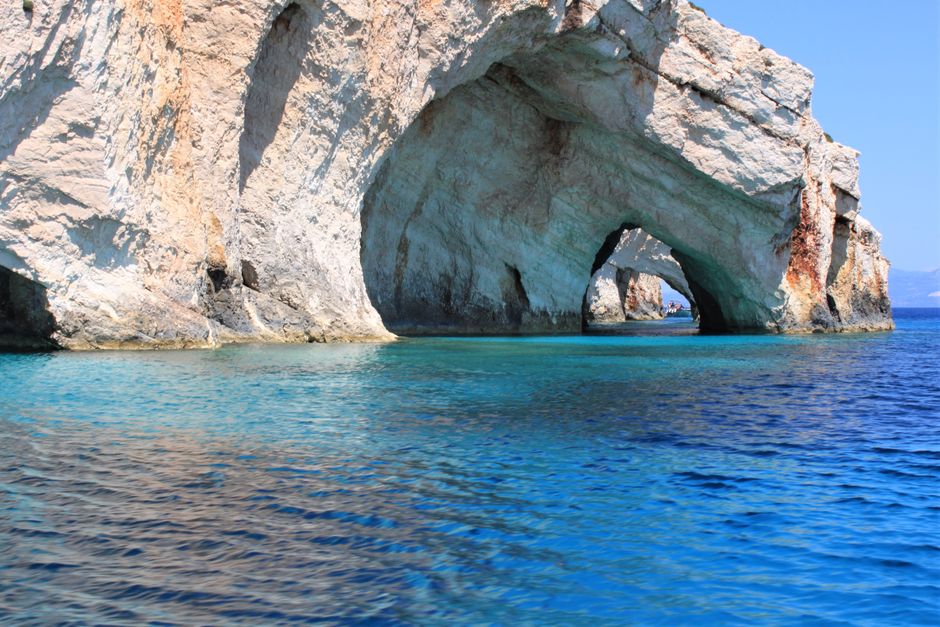
The ferry from Vis to Biševo doesn't care about your schedule, your sunburn, or your existential dread. It just sits there in the harbor, a rusted metal beast waiting for a bus that might arrive late. I stood on the pebbled dock, sweat stinging my eyes, watching a group of German tourists argue over a map that was clearly three years out of date. The air smelled of diesel, salt, and the faint, sweet rot of overripe figs left baking in the sun. This isn't a resort. This is the Adriatic's rough edge. I wasn't here for the polished photo ops of Dubrovnik or the glitzy beaches of Split. I was here for a cave that glows like a radioactive vein in the side of a cliff, and I was going to get there by any means necessary.
When the boat finally arrived, it was half-empty, the captain chewing on a cigar that looked older than the Yugoslav federation. We bounced over swells that felt less like water and more like concrete slabs. By the time we hit the tiny harbor of Biševo, I was already salty, tired, and grinning. The island is a jagged tooth of limestone, mostly empty except for a few stubborn goats and a handful of locals who look at tourists with the same mild confusion you'd give a stray dog. The Blue Cave isn't just a sightseeing stop. It's a physical challenge, a race against the tide, and a reminder that some of the best things in the Balkans aren't handed to you on a silver platter.
The Physics of the Glow
The Blue Cave, or Modra Špilja, isn't magic. It's physics, brutal and beautiful. Sunlight enters through a submerged entrance at the waterline, hitting the white sand floor of the sea inside the grotto. The light reflects upward, illuminating the ceiling in an intense, electric blue that seems to pulse. But there's a catch. The effect only works when the sun is high, between 11 a.m. and 2 p.m. Miss that window, and you're just looking at a damp rock hole. The water inside is so clear it feels like swimming in air, and the silence is absolute, broken only by the splash of your own arms.
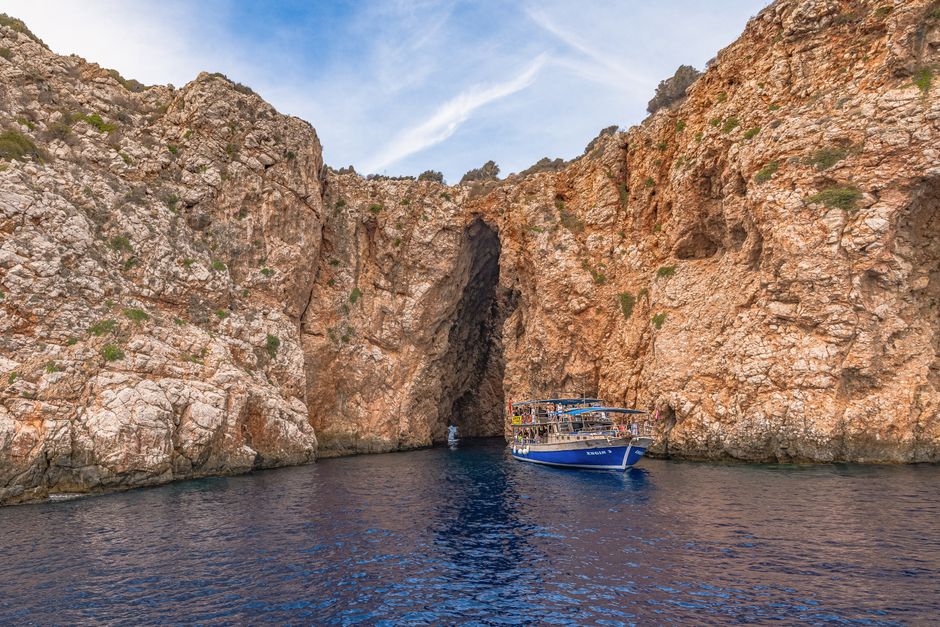
Getting to the cave is the real story. You can't drive there. You can't even walk there easily. The main approach is by small wooden boats that ferry tourists from the harbor, but the ride is rough. The boats are little more than open skiffs with outboard motors, and they slam through the waves with terrifying enthusiasm. I clung to the side, water soaking my jeans, watching the cliffs rise like fortress walls on either side. The boatman didn't speak a word of English, just pointed at the cave entrance and shouted something that sounded like "hold on!" We drifted up to the mouth of the cave, the blue light spilling out like liquid neon. It was surreal, almost too bright to look at directly.
The Wild Alternative: Swimming the Channel
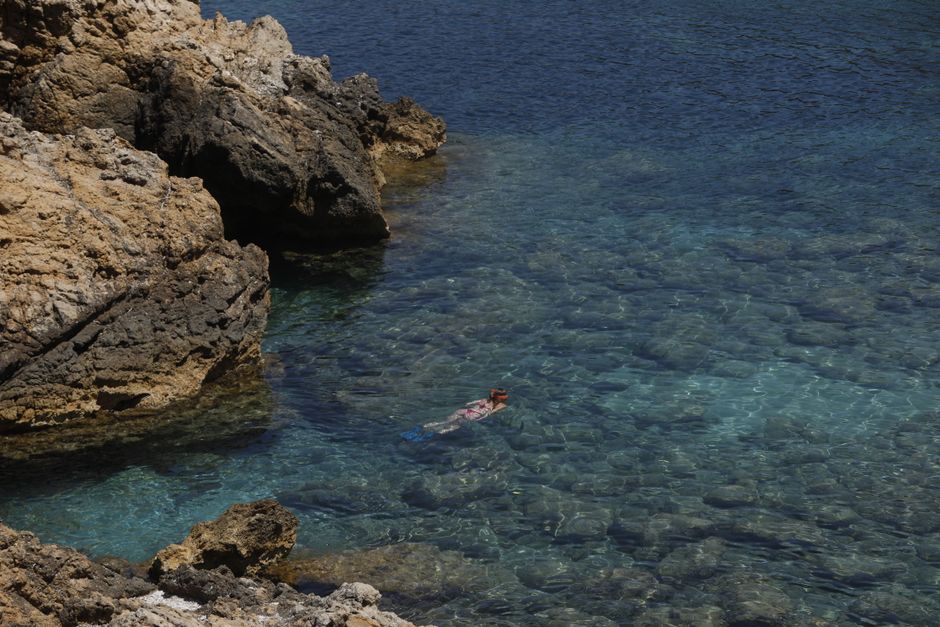
If you have the stamina and the nerve, there's a better way. The Blue Grotto is visible from the beach at Žirje on the main island of Vis. It's about 800 meters across the channel, a swim that looks easy but hides strong currents and unpredictable swells. I watched a handful of brave souls strip down and jump in, swimming with a determination that bordered on manic. The water is cold, even in July, and the current can pull you off course in seconds. But the payoff is worth it. Swimming to the cave gives you a sense of achievement that no boat ride can match. You're not just a spectator; you're part of the landscape.
I didn't swim it. I'm not that brave. But I watched from the rocks, sipping a warm beer, as the swimmers emerged from the cave, dripping and exhausted, their faces lit by the blue glow. It was a moment of pure, unfiltered joy. The island itself is mostly uninhabited, with only a few dozen residents scattered across the hills. The main village is a cluster of whitewashed houses and a single tavern that serves grilled fish and local wine. It's a place where time slows down, where the only schedule is the tide and the sun.
Biševo: More Than a Cave
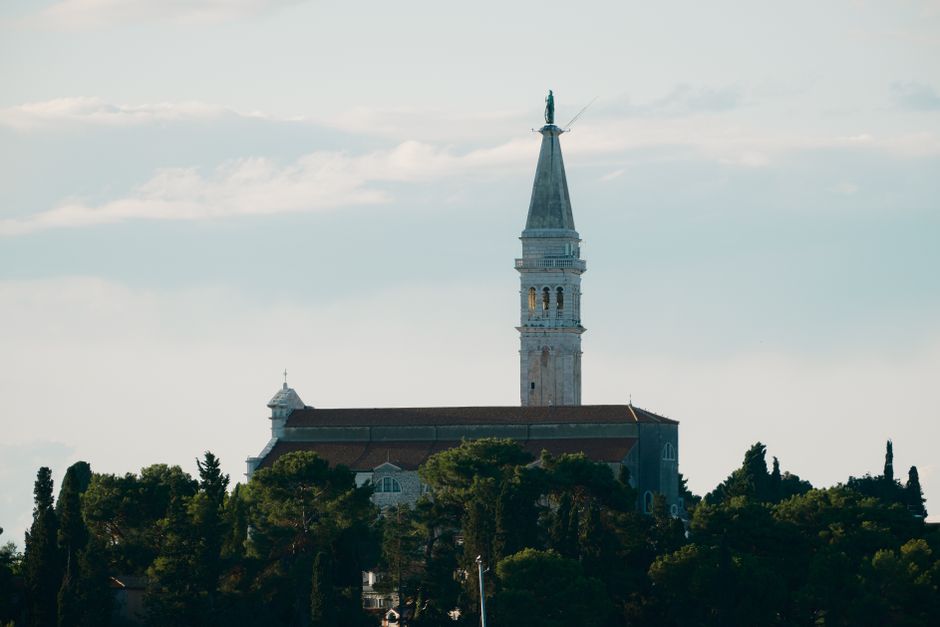
Biševo isn't just a stopover for the cave. The island has its own history, its own rhythm. The St. George's Church sits on a hill overlooking the harbor, a small stone structure that has survived wars, earthquakes, and centuries of neglect. Inside, the air is cool and smells of incense and old wood. The priest, an elderly man with a face like a map, greeted me with a nod and a glass of rakija. He didn't speak much, but his eyes told a story of resilience and faith. The island was nearly abandoned after the Yugoslav wars, but a few families have returned, drawn by the peace and the promise of a simpler life.
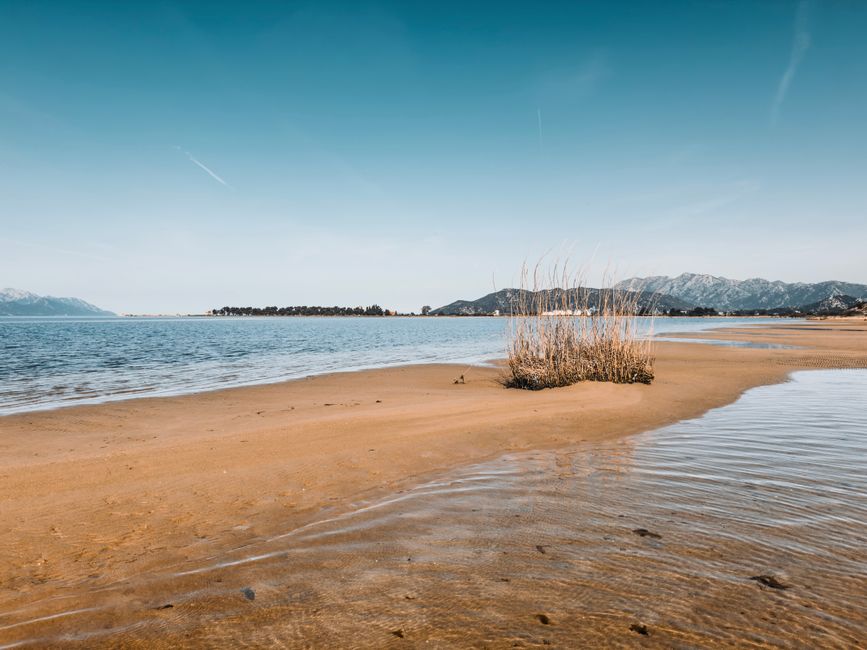
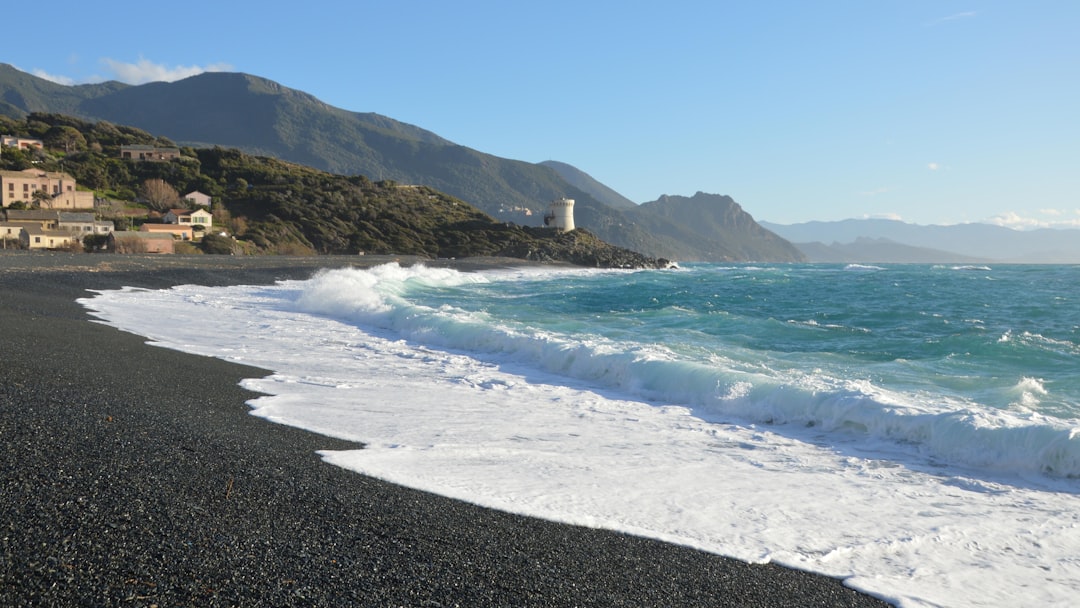
The beaches on Biševo are small and rocky, but the water is some of the clearest I've ever seen. Beach at the Harbor is a pebbled strip where locals sit and watch the boats come and go. There are no umbrellas, no sunbeds, no tourist traps. Just a bench, a view, and the sound of the sea. It's a place to escape the noise, to sit and think, to remember that life doesn't have to be complicated. The island is also a haven for divers, with several wrecks and underwater caves to explore. The visibility is often over 30 meters, and the marine life is abundant. If you're lucky, you might spot a sea turtle or a school of colorful fish darting through the rocks.
Getting There & What to Expect
Getting to Biševo is a journey in itself. The main gateway is the island of Vis, which is connected to the mainland by ferries from Split and Trilj. The ferry from Split takes about two hours and costs around 30-40 EUR one way. From Vis, there are regular boat transfers to Biševo, but they can be crowded and expensive. A private boat charter is a better option if you're traveling in a group, costing around 150-200 EUR for a few hours. The ride takes about 30 minutes, and the captain can take you directly to the cave or drop you off at the harbor for a longer stay.
Accommodation on Biševo is limited. There are a few family-run guesthouses and apartments, but they book up quickly in the summer. A double room in a guesthouse costs around 60-80 EUR per night, including breakfast. If you're on a tighter budget, you can camp on the island, but you need to bring your own supplies. There are no supermarkets or shops, so you'll need to stock up on Vis before you arrive. The best time to visit is between June and September, when the weather is warm and the sea is calm. But even in the shoulder season, the cave is worth the trip, as long as the sun is shining.
The Blue Cave is not for everyone. It's rough, it's unpredictable, and it requires effort. But if you're willing to put in the work, it rewards you with a moment of pure magic. The blue light, the silence, the sense of discovery — it's a memory that stays with you long after you've left the island. Biševo is a place where the wild still exists, where the sea rules and the land is just a guest. It's a reminder that the Balkans are not just about history and politics, but about the raw, untamed beauty of the natural world.
Biševo Blue Cave (Biševo) Vis (island)Search accommodation in Vis on Booking.com →
The Last Wave
As the sun dipped below the horizon, painting the sky in shades of orange and purple, I sat on the rocks outside the cave, watching the light fade. The blue glow was gone, replaced by the dark, brooding silence of the sea. I felt a strange sense of loss, as if I were leaving a part of myself behind. The island was quiet now, the tourists gone, the boats docked. Only the goats remained, bleating softly in the twilight. I packed my bag, slipped on my sandals, and walked back to the harbor. The ferry to Vis would leave soon, and I had a long ride ahead. But I knew I'd be back. The Blue Cave has a way of pulling you back, like a tide you can't resist. It's not just a place. It's a feeling. And in the Balkans, feelings are the only things that matter.
Comments