


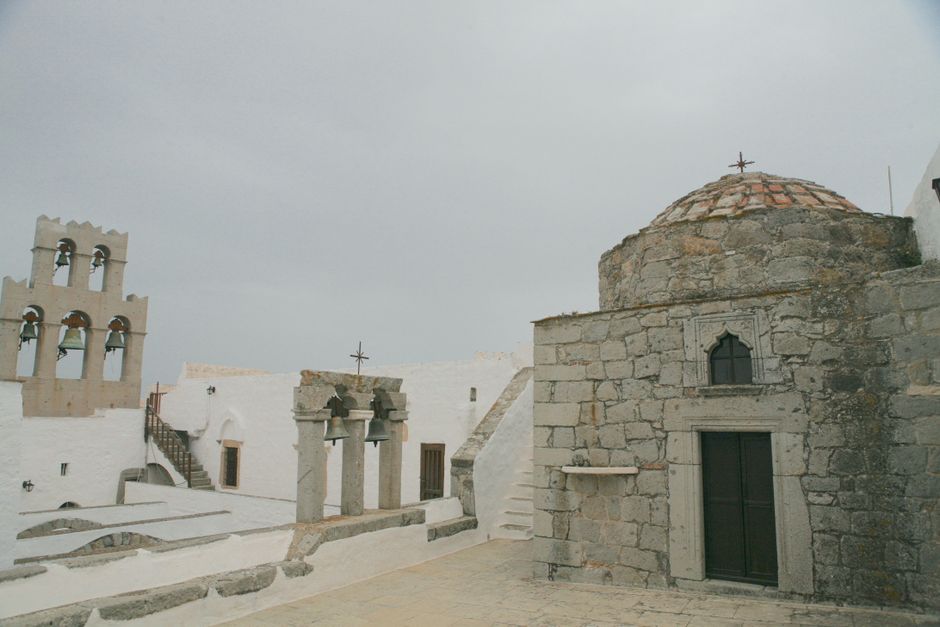
I stood on a slab of limestone so worn it felt like polished glass, my knees aching from the climb up the steep, unforgiving steps of Chora, Patmos. The air smelled of burnt incense and old salt. Inside the tiny, dark chamber of the Cave of St. John the Theologian, the heat was suffocating, a physical weight pressing against my chest. A monk, his face a map of deep wrinkles, stared at me with eyes that seemed to have seen everything and judged it all. He didn't speak. He just pointed to the rough-hewn desk where, according to legend, the apostle wrote the Book of Revelation. I expected a whisper from the divine. Instead, I got the sound of a thousand other pilgrims shuffling past, their flashlights cutting through the gloom, turning a sacred moment into a crowded queue. It was less "holy spirit" and more "heritage site bottleneck," but the silence that followed when the door closed behind me was absolute. That silence is what you come for. Not the view, not the postcard, but the crushing, beautiful weight of history stacked in a cave on a rocky island in the Aegean.
Patmos is not a place you visit; it's a place you endure for a specific reason. It's small, rugged, and fiercely religious. The island is dominated by the Monastery of the Conception, a fortress of faith that has controlled the island's soul for over a thousand years. The pilgrimage to the cave is the central act of this tiny Greek world. It's a journey that mixes the spiritual with the intensely practical: you have to ask permission, you have to dress right, and you have to respect the rhythm of the monks, who run this place with military precision and zero tolerance for tourist nonsense. This isn't a casual day trip from a cruise ship. This is a deliberate walk into the heart of Orthodox Christianity, where the line between the ancient and the modern is as thin as the marble dust under your shoes.
The Weight of Revelation
The history of Patmos is written in stone and scripture. In the late first century, the Apostle John was exiled to this small, barren island for his faith. It was a punishment, meant to break him. Instead, it forged the most apocalyptic text in the Western canon. The Cave of St. John the Theologian is the physical anchor of that story. Tradition holds that it was here, in the damp darkness, that John received the visions of the end times, the beasts, the seven seals, and the new Jerusalem. For Christians, this cave is ground zero for the concept of the apocalypse. It's not just a cave; it's the launchpad for an entire theological imagination that has shaped Western culture for two millennia.
The island's modern identity is inextricably linked to the Monastery of the Conception, founded in 1088 by Christodoulos. This wasn't just a monastery; it was a political entity, a library, and a fortress. The monks copied manuscripts, preserved knowledge, and wielded significant influence within the Orthodox world. The monastery's strict rules still govern the island today. For decades, women were not allowed to visit the cave at all. While those rules have relaxed, the atmosphere remains one of profound reverence and control. The island's capital, Chora, Patmos, is essentially a suburb of the monastery. Every street leads up to it, every life is oriented around it. The history here isn't a museum exhibit; it's the operating system of the island.
The Climb and the Cave
The pilgrimage begins at the Monastery of the Conception. You cannot just wander into the cave. You must first visit the monastery, which serves as the gatekeeper. The monastery itself is a stunning example of Cycladic military architecture, with thick walls and a fortified tower. Inside, the churches are filled with icons, mosaics, and relics that dazzle the eye but demand quiet respect. The entry fee for the monastery complex is modest, but it's a necessary toll. From the monastery, you descend into the labyrinthine streets of Chora. The path to the cave is steep and narrow, winding through whitewashed houses that cling to the hillside. The air grows cooler as you descend, but the steps are unforgiving. It's a physical test, a small penance before the reward.
The Cave of St. John the Theologian is a small, rock-cut chamber, barely large enough to hold a dozen people comfortably. The walls are rough, the ceiling low. The focal point is the wooden desk, covered in a white cloth, where John supposedly wrote. The desk is worn smooth by centuries of touching. Pilgrims line up to place their hands on it, a silent transfer of faith. The lighting is dim, designed to create an atmosphere of intimacy and awe. There are no guides inside; you are left alone with the space and your own thoughts. The acoustics are strange; whispers seem to echo, while footsteps are muted by the stone. It's a place that forces you to slow down, to breathe, to listen. The experience is less about seeing and more about feeling the weight of the centuries that have passed in this single, small space.
Chora and the Monastery
Monastery of the Conception — This is the heart of Patmos. A fortified complex that houses churches, a museum, and the living quarters of the monks. The museum contains an incredible collection of icons, manuscripts, and vestments. The architecture is a blend of Byzantine and Cycladic styles, with thick walls and narrow windows. Entry is required for the cave visit. Best time to visit is early morning to avoid the heat and crowds. Entry fee is approximately 8 EUR.
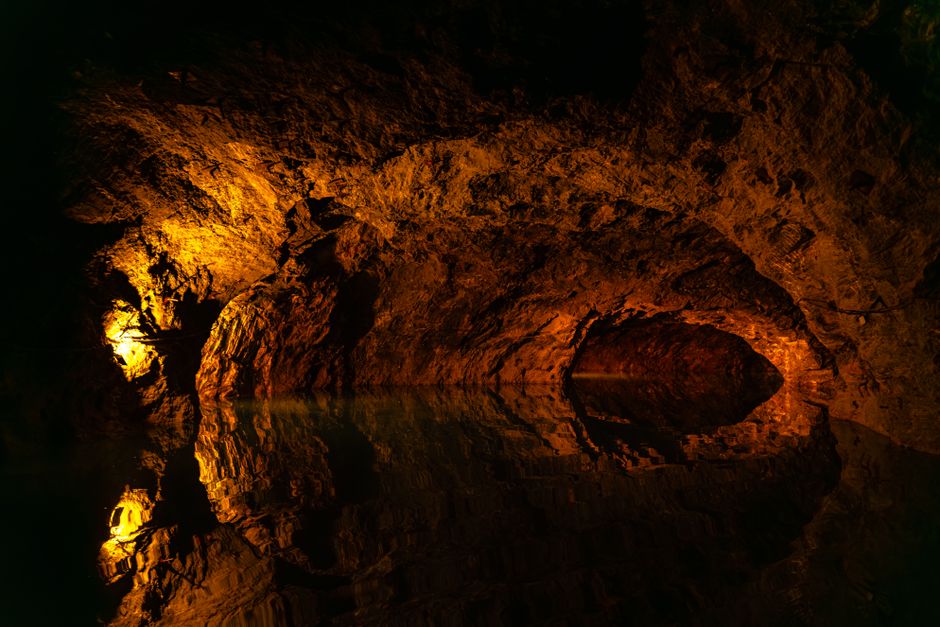
Cave of St. John the Theologian — The legendary site where the Book of Revelation was written. A small, dark cave with a worn wooden desk. Access is controlled by the monastery. Visitors must be respectful and dress modestly. The climb down from Chora is steep. No entry fee for the cave itself, but monastery entry is required. Allow 30-45 minutes for the full experience.
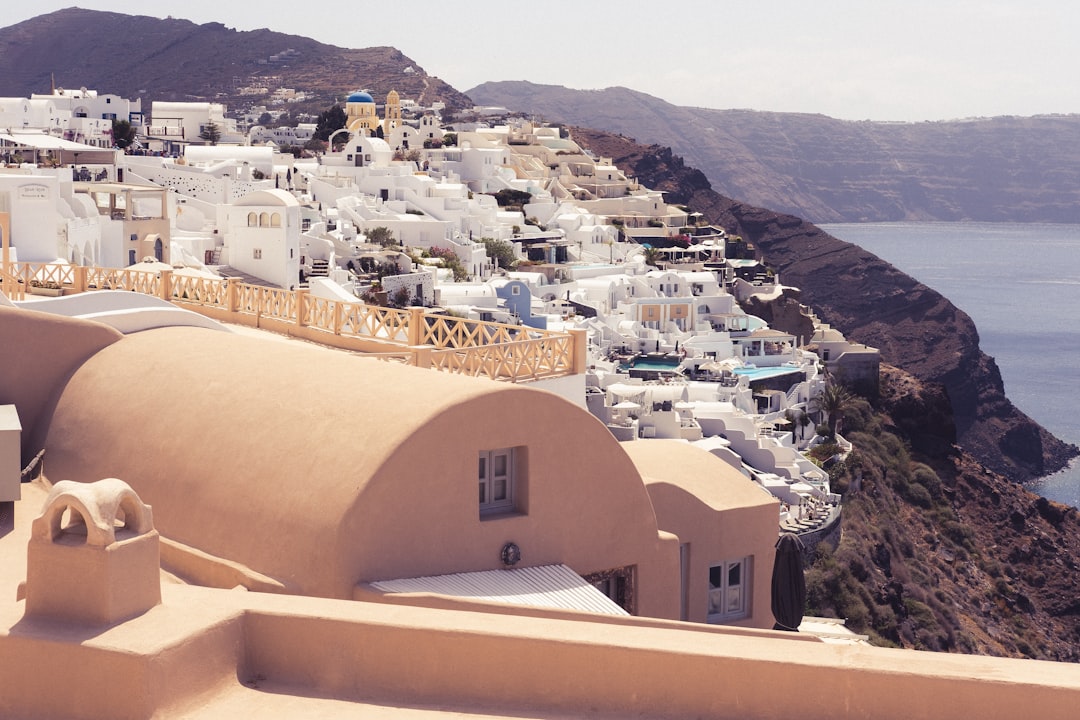
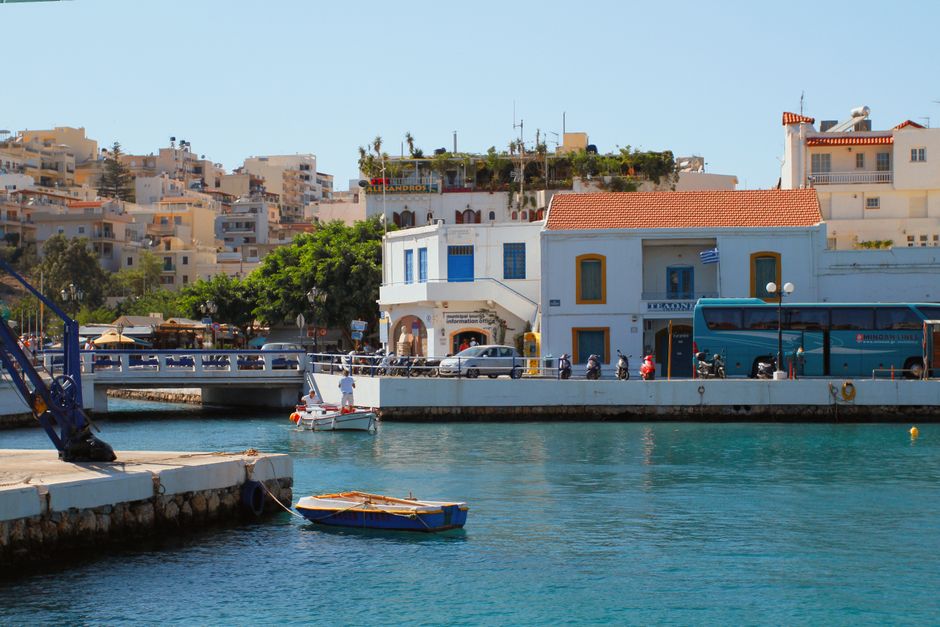
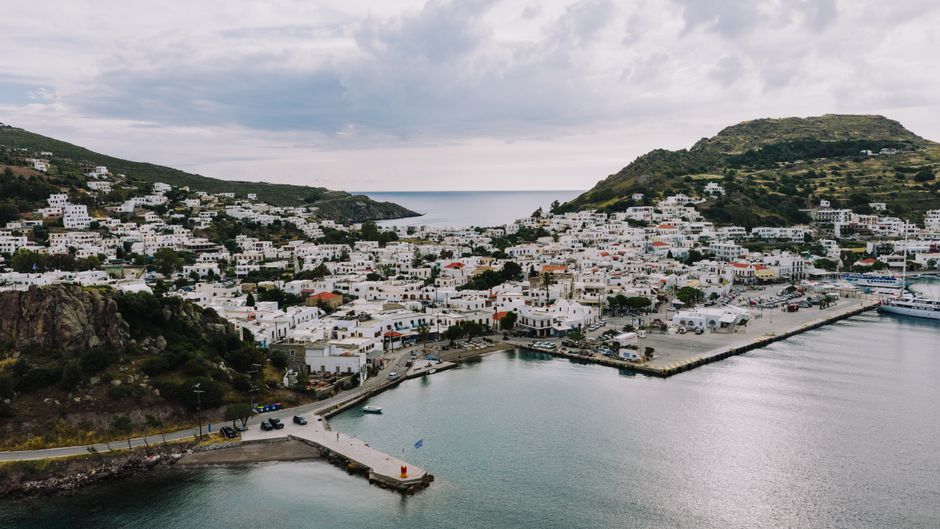
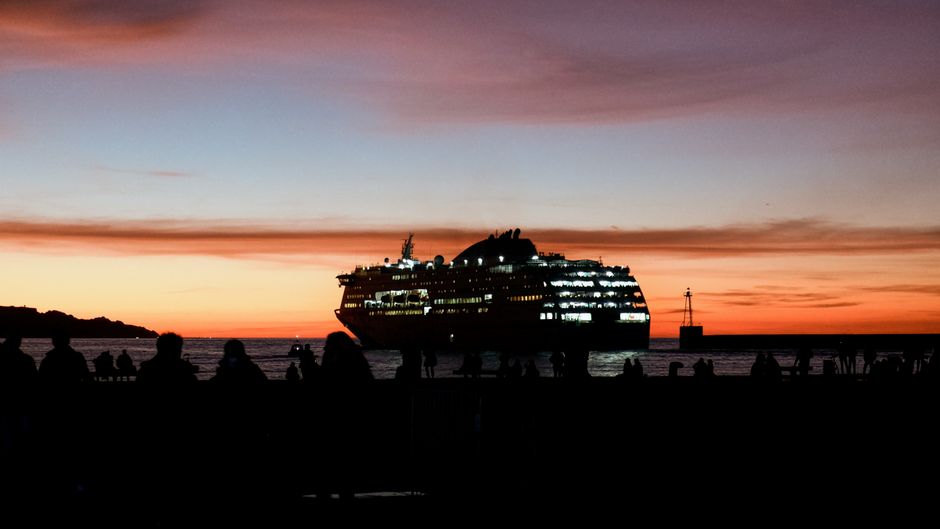
Skala Port — The main port of Patmos, where ferries arrive from Piraeus and nearby islands. A small, bustling harbor with cafes, shops, and a lively atmosphere. It's the gateway to the island, a place of departure and arrival. The view from the port looks up towards Chora, perched on the hill above. A good place to grab a coffee and watch the boats come and go.
Church of St. George — Located in Skala, this church is dedicated to the patron saint of the island. It's a simple, whitewashed church with a small courtyard. A place of local worship, away from the tourist crowds. The atmosphere is quiet and peaceful. A good place to see everyday religious life on Patmos.
What to Eat & Drink
Food on Patmos is simple, honest, and deeply rooted in the island's agricultural traditions. You won't find fancy fusion cuisine here. You'll find olive oil, capers, tomatoes, and fish, prepared with skill and care. The island produces its own olive oil, which is thick, green, and peppery. It's used in everything, from salads to pasta. The local wine, made from the Assyrtiko grape, is crisp and acidic, perfect with seafood. Meals are often shared, with dishes passed around the table. It's a communal experience, reflecting the island's close-knit community.
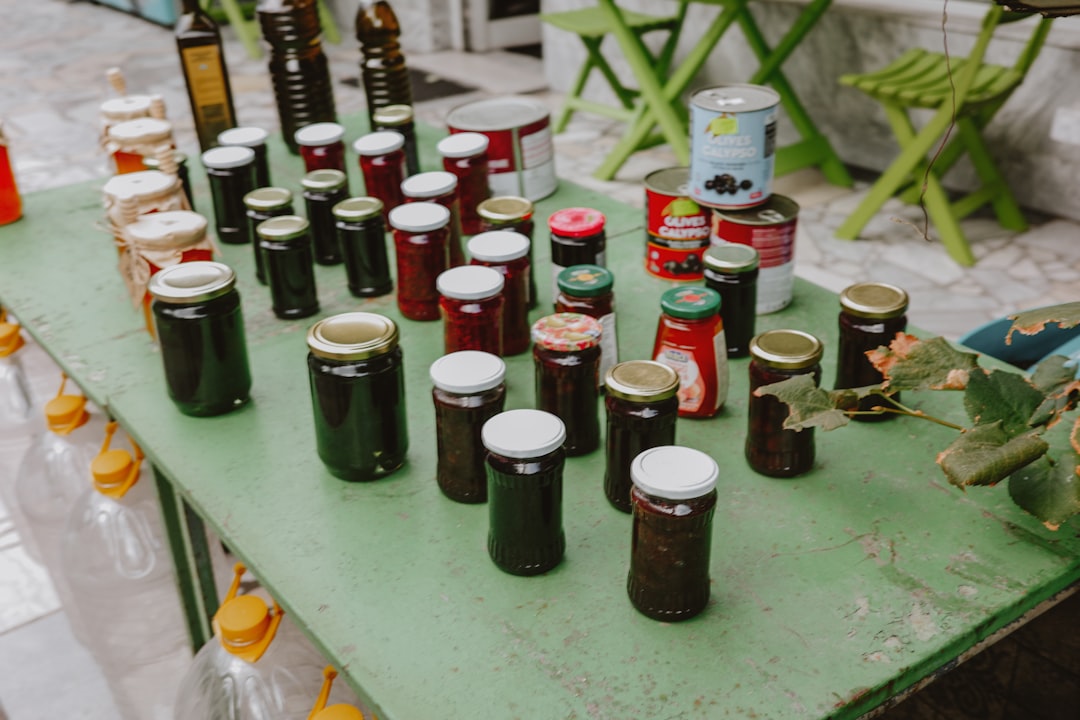
Patmos Capers — The island is famous for its capers, which are small, tart, and packed with flavor. They're used in salads, sauces, and as a garnish. You can buy them dried or in brine at local shops. A perfect souvenir. Typical price for a small jar is 3-5 EUR.
Fried Fish — Fresh fish, caught daily, is a staple. It's often fried in olive oil and served with lemon and salad. Simple, delicious, and cheap. A typical meal at a taverna in Skala will cost around 10-15 EUR for a main course and a drink.
Local Wine — The Assyrtiko grape produces a crisp, white wine that's perfect with seafood. It's dry, acidic, and refreshing. A glass at a taverna will cost around 3-4 EUR.
Patmian Olive Oil — The island's olive oil is of exceptional quality. It's thick, green, and peppery. It's used in cooking and as a finishing oil. A bottle of 500ml will cost around 10-15 EUR.
Budget breakdown: Street food or a simple meal at a taverna in Skala will cost you 5-10 EUR per person. A sit-down meal at a nicer restaurant in Chora will cost 15-25 EUR per person. Mid-range hotels and guesthouses are plentiful, with prices ranging from 40-80 EUR per night for a double room. Take-away options are limited but available in Skala, with gyros and souvlaki costing around 3-5 EUR. The island is small, so you can walk from Skala to Chora if you're fit, but most people use taxis or buses.
Nightlife and Quiet Evenings
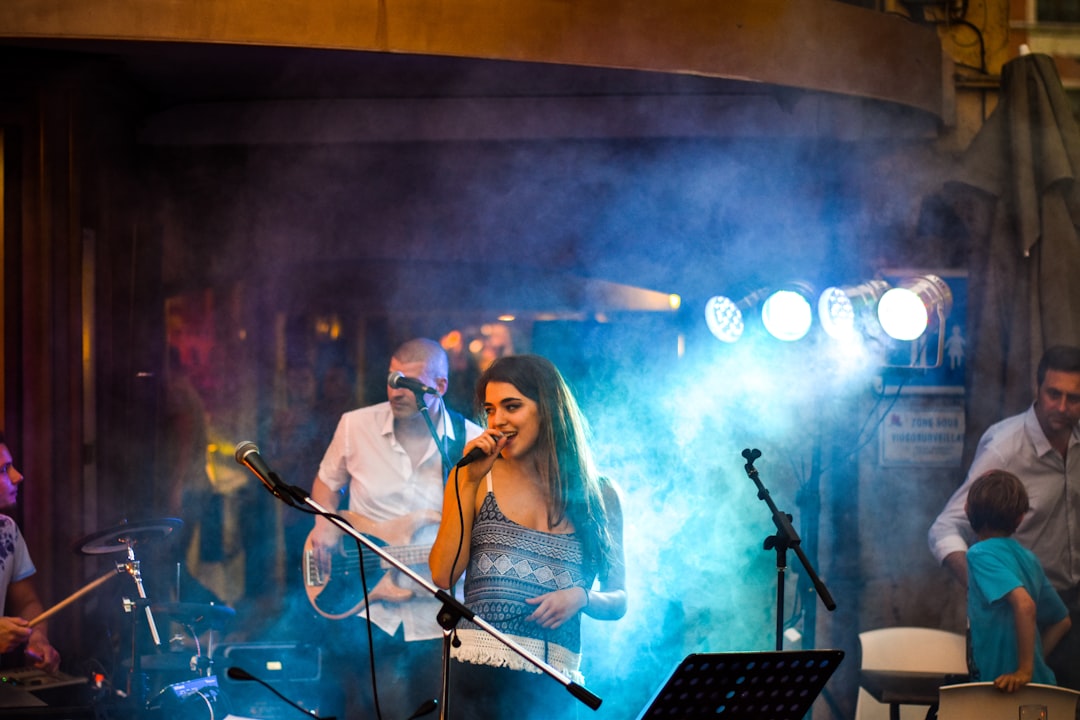
Nightlife on Patmos is not what you'd call vibrant. It's a place of quiet evenings, not wild nights. The main social hub is Skala, where a few bars and tavernas line the waterfront. The atmosphere is relaxed, with locals and tourists mingling over drinks and conversation. The music is usually Greek traditional or soft pop, played at a low volume. It's a place to unwind, not to party. The bars close early, usually by 11 PM or midnight. After that, the island sleeps. The only sound is the wind and the waves.
One of the main spots is Porta Lounge, a bar with a view of the harbor. It's popular with tourists and offers a good selection of drinks and light food. The atmosphere is casual, with outdoor seating and a relaxed vibe. Cover charge is none, but drinks are reasonably priced, around 5-7 EUR for a cocktail. Another option is Chora Tavernas, where you can find a few bars serving traditional Greek music and drinks. The atmosphere is more local, with older crowds and a focus on conversation and music. It's a place to experience the island's quieter side, away from the hustle and bustle of the mainland.
Getting There & What to Expect
Patmos is accessible by ferry from Piraeus, the main port of Athens. The journey takes around on a conventional ferry or on a high-speed ferry. Ferries run daily in the summer and less frequently in the winter. Tickets cost around 40-80 EUR one way, depending on the type of ferry and cabin. From Athens, you can also fly to nearby Kos and take a ferry to Patmos, which is a faster option. The island has a small airport, but it's primarily used for cargo and private flights. Most visitors arrive by ferry.
Once on the island, you can get around by bus, taxi, or on foot. The island is small, so distances are short. Buses run regularly between Skala and Chora, costing around 1-2 EUR per ride. Taxis are available but can be expensive, with a ride from Skala to Chora costing around 5-10 EUR. Walking is the best way to explore, but be prepared for steep hills and uneven paths. The island is not wheelchair accessible in many areas.
Accommodation ranges from budget guesthouses to luxury hotels. Budget hostels and guesthouses in Skala cost around 20-40 EUR per night. Mid-range hotels and apartments in Chora cost 40-80 EUR per night. Luxury hotels and villas can cost 100-200 EUR per night or more. The best time to visit is from April to October, when the weather is warm and the ferries run frequently. July and August are the busiest months, with crowds and higher prices. May and September are ideal, with pleasant weather and fewer tourists.
Search accommodation in Patmos on Booking.com →
The Silence After the Bell
As I walked back up the steep steps to Chora, my legs burning, the sun began to set, casting long shadows across the whitewashed houses. The bells of the monastery rang out, a deep, resonant sound that echoed across the valley. It was a sound that felt ancient, timeless, and utterly present. I stopped and listened, letting the sound wash over me. It was a reminder that this place, this cave, this island, was not just a tourist destination. It was a living, breathing community, rooted in faith and tradition. The pilgrimage to the Cave of St. John the Theologian is not just about seeing a historical site. It's about experiencing a way of life, a connection to the past that is still alive and well. It's a place that demands respect, humility, and a willingness to listen. And in that silence, you might just hear something more than your own thoughts. You might hear the echo of a voice that spoke of the end of the world, and found, instead, the beginning of a new understanding.
Comments