


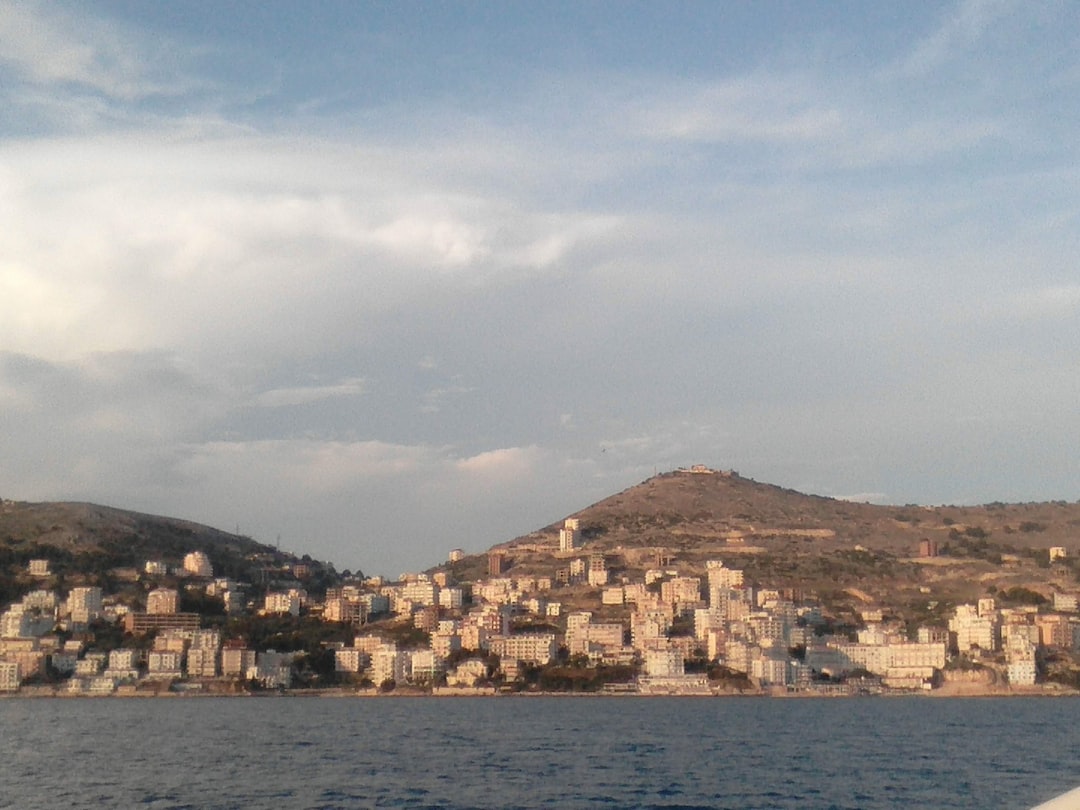
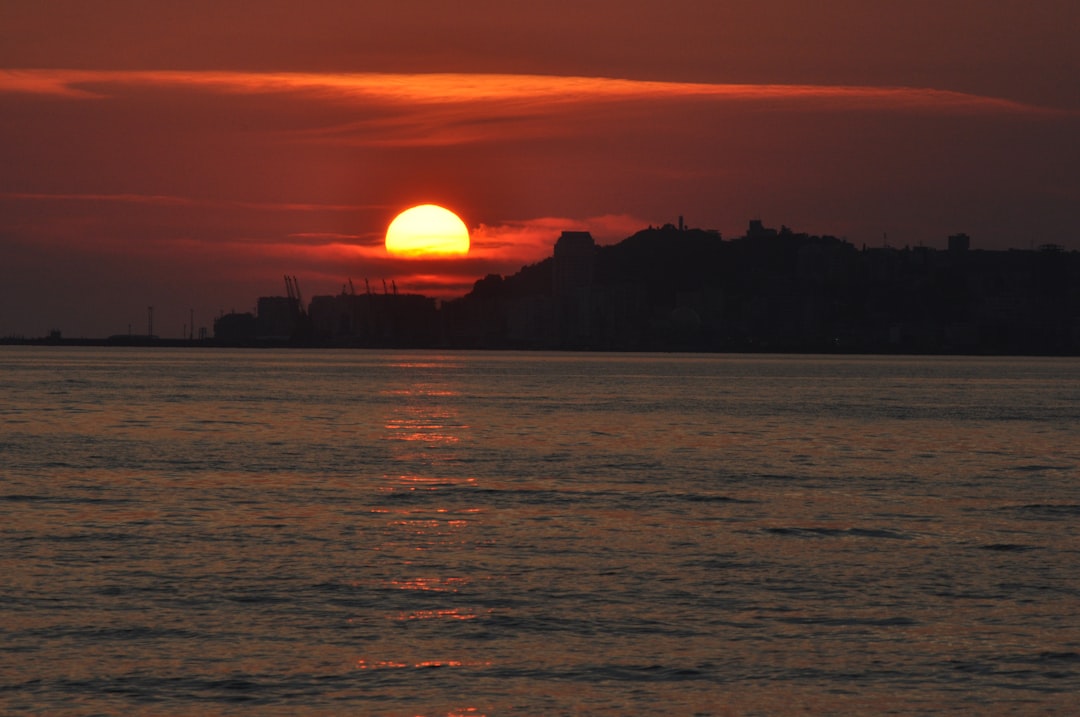
I woke up with the smell of diesel and saltwater burning a hole in my nostrils. The Albanian Riviera doesn't care about your sleep schedule. At 4 AM, the harbor at Durrës was already shaking with the rumble of trawlers hauling in the night's catch. I stood on the deck of a chartered 40-foot sailboat, the hull slapping against the concrete pontoon, watching the first gray light bleed over the silhouette of the Dajti Mountain range. My skipper, a chain-smoking local named Arben with eyes like cracked flint, handed me a lukewarm coffee in a plastic cup. "Today," he shouted over the engine idle, "we go south. The sea is angry, but the wine is good." This wasn't a cruise; it was a negotiation with the Adriatic.
We pushed off as the sun finally crested the horizon, painting the water in violent shades of violet and orange. The plan was simple: sail the entire length of the Albanian coast, from the industrial grit of the north to the turquoise shallows of the south. It is a route that feels less like a vacation and more like a pilgrimage through a country that has spent decades screaming to be heard. The coastline here is jagged, unpolished, and aggressively real. There are no five-star resorts hiding behind hedges, no sanitized tour guides with flags. Just raw geography, ancient ruins half-swallowed by the sea, and a hospitality that feels earned rather than bought.
The Northern Leg: Durrës to Vlorë
The first leg of the journey is a battle against the wind and the memory of empire. We sailed past the Durrës Amphitheatre, the largest Roman theater in the Balkans, its crumbling stone arches jutting out of the modern city like the bones of a leviathan. The contrast is jarring: ancient grandeur sitting feet away from concrete apartment blocks and bustling fish markets. We dropped anchor in a small cove just south of the city, where the water turned a murky green. Arben grilled sardines on a makeshift grate on the stern, the smoke mixing with the sea spray. It tasted of charcoal and iron, a flavor that sticks to the back of your throat for days.
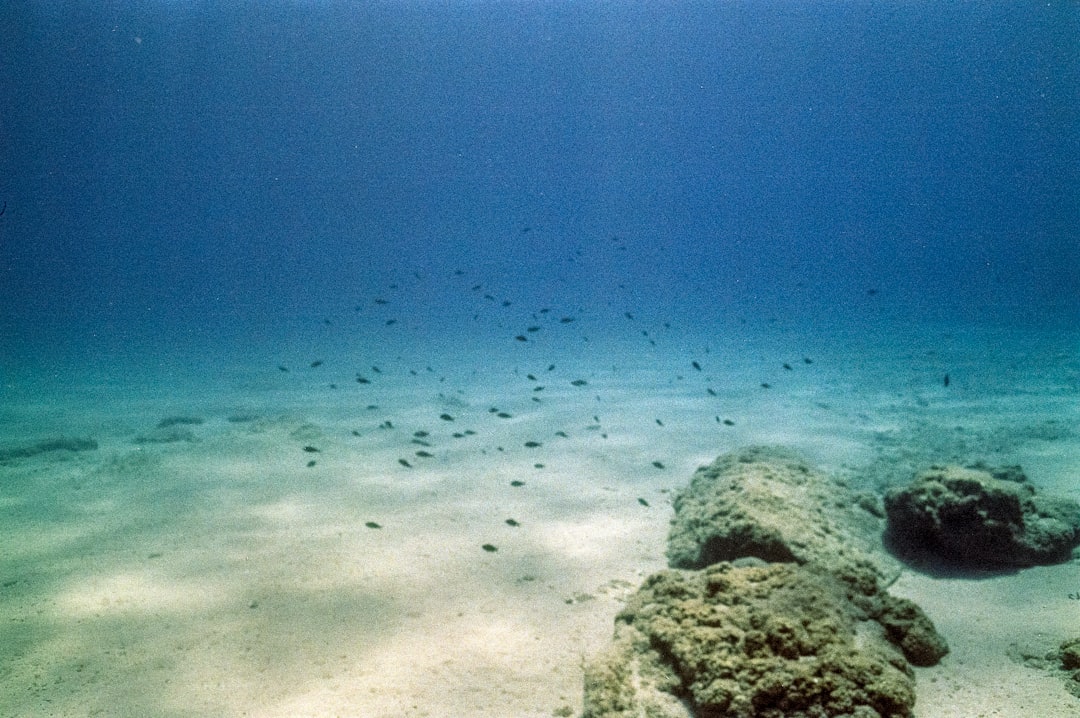
As we pushed south toward Vlorë, the coastline transformed. The industrial haze of Durrës gave way to the sweeping beaches of the Karaburun-Sazan Marine Park. This is one of the most biodiverse areas in the Mediterranean, a protected zone where dolphins are common and the water clarity is shocking. We spent an afternoon anchored near the island of Sazan, a former military base turned nature reserve. The silence here is heavy, broken only by the cry of gulls and the lap of waves against the hull. We swam in water so clear it felt like floating in air, the seabed visible twenty meters down.
Vlorë itself is a city of contradictions. It was here that Albanian independence was declared in 1912, a fact celebrated with statues and plaques throughout the town. The waterfront is a mix of Soviet-era concrete and new, flashy hotels trying to catch the tourist dollar. We docked at the small harbor, where the smell of frying fish and grilling meat was overwhelming. The locals here are proud, loud, and unfailingly curious. They don't care about your passport; they care about your opinion on the sea, the politics, and the best place to drink raki.
The Middle Stretch: The Riviera's Heart
Leaving Vlorë behind, we entered the true heart of the Albanian Riviera. The coast here is indented with countless coves, each one more secluded than the last. The water shifts from green to a brilliant, almost electric blue. We sailed past Himara, a town perched on a hillside that looks like a terraced garden. The houses are stacked one on top of the other, cascading down to the beach below. We dropped anchor in a small bay just south of the town, where a handful of families were swimming and sunbathing. There were no umbrellas, no loungers, just towels spread on the sand and the sound of children laughing.
The further south we went, the more the landscape became dramatic. The mountains plunge straight into the sea, creating cliffs that are sheer and imposing. We navigated carefully around the rocky outcrops, the boat rocking violently in the chop. At one point, we had to tie up to a small fishing pier in Qeparo, a village that feels like it has been forgotten by time. The houses are built from stone, with narrow streets that wind up the hillside. The people here are traditional, still wearing the old costumes on special occasions. We shared a meal with a local family, eating grilled octopus and fresh bread, drinking raki that burned like fire. It was a moment of pure connection, devoid of transaction.
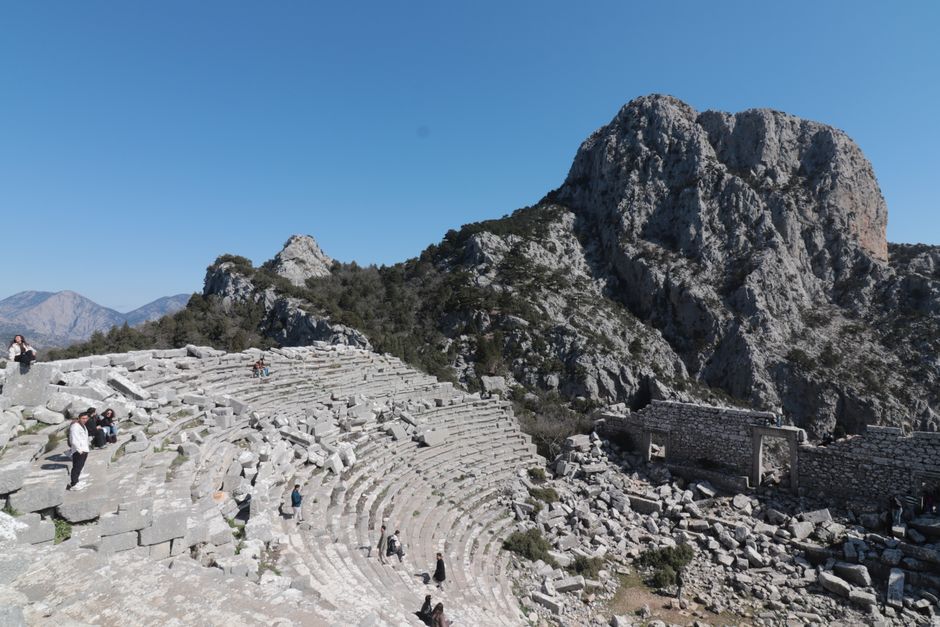
One of the highlights of this stretch is the Butrint National Park, a UNESCO World Heritage site. We sailed past the ancient ruins, visible from the water, before heading inland to explore on foot. Butrint is a layered city, with traces of Greek, Roman, Byzantine, and Venetian occupation. The theater, the basilica, and the amphitheater are all remarkably well-preserved. It's a place where history feels tangible, where you can almost hear the echoes of the past. We spent hours wandering through the ruins, the heat of the day beating down on us, the sounds of the forest surrounding us.
The Southern Finale: Gjirokastër to Sarandë
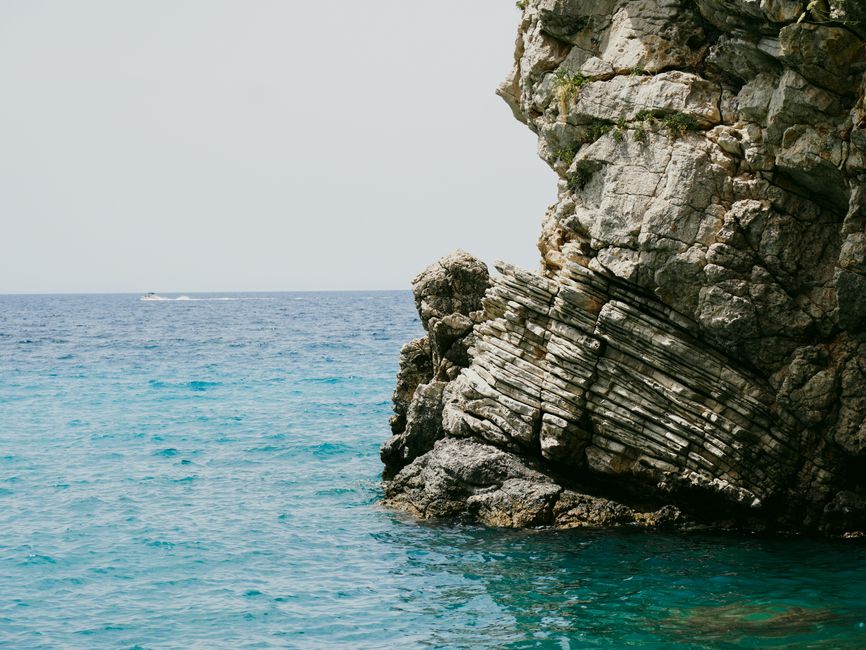
The final leg of our journey took us to the southern tip of Albania, where the Adriatic meets the Ionian. The water here is the clearest I have ever seen, a shade of turquoise that looks artificial. We sailed past Gjirokastër, the "City of Stone," perched high in the mountains. It's a UNESCO site, famous for its Ottoman-era architecture and cobblestone streets. We didn't dock here, but the view from the sea was breathtaking. The castle looms over the town, a symbol of the region's turbulent history.
We ended our journey in Sarandë, a town that has exploded in popularity in recent years. It's a hub for tourists, with a bustling waterfront and a vibrant nightlife. But beneath the surface, there's still a sense of authenticity. We docked at the small harbor, surrounded by fishing boats and yachts. The sun was setting, casting a golden glow over the town and the nearby island of Corfu. It was a perfect end to a perfect journey.
The night in Sarandë was electric. The streets were filled with people, eating, drinking, and dancing. We found a small taverna near the waterfront, where we ate grilled fish and drank wine. The music was loud, the atmosphere was festive, and the people were friendly. It was a celebration of life, of the sea, and of the journey we had just completed. As we sat on the deck of our boat, watching the stars come out over the Ionian, I realized that this was more than just a sail. It was a discovery of a place that is still finding itself.
Getting There & What to Expect
Getting to the Albanian coast is easy. The nearest airport is in Tirana, about 30 kilometers from Durrës. From there, you can rent a car or take a bus to the port. If you are sailing your own boat, you can enter the country at the port of Durrës, where you will need to clear customs and immigration. It's a straightforward process, but you should have all your paperwork in order. The cost of sailing the coast varies depending on the type of boat and the level of service you want. A basic sailboat charter starts at 800 EUR per week, while a luxury yacht can cost 3000 EUR or more. Accommodation on the boat is usually included, but you should budget for food and fuel. A meal at a local restaurant costs about 10-15 EUR, while a night in a budget hotel in Sarandë is around 30-50 EUR. The best time to sail is from May to October, when the weather is warm and the sea is calm. July and August are the busiest months, so book in advance.
For those who prefer land-based exploration, buses run frequently from Tirana to the coastal towns. The journey from Tirana to Sarandë takes about 6-7 hours and costs around 10-15 EUR. Once you are on the coast, you can rent a car or take local buses to get around. The roads are improving, but they can still be rough in places. Driving in Albania is an adventure in itself, so be prepared for some challenges.
Albania is a country of contrasts, where ancient history meets modern chaos. The coast is one of the most beautiful in the Mediterranean, but it's also one of the least developed. There are few amenities, few tourist traps, and few rules. It's a place where you can lose yourself in the beauty of nature and the warmth of the people. If you are looking for a polished, sanitized vacation, look elsewhere. But if you are looking for an experience that will challenge you, inspire you, and change you, then the Albanian coast is the place to be.
Search accommodation in Sarandë on Booking.com →
The Last Mile: A Note on the Waves
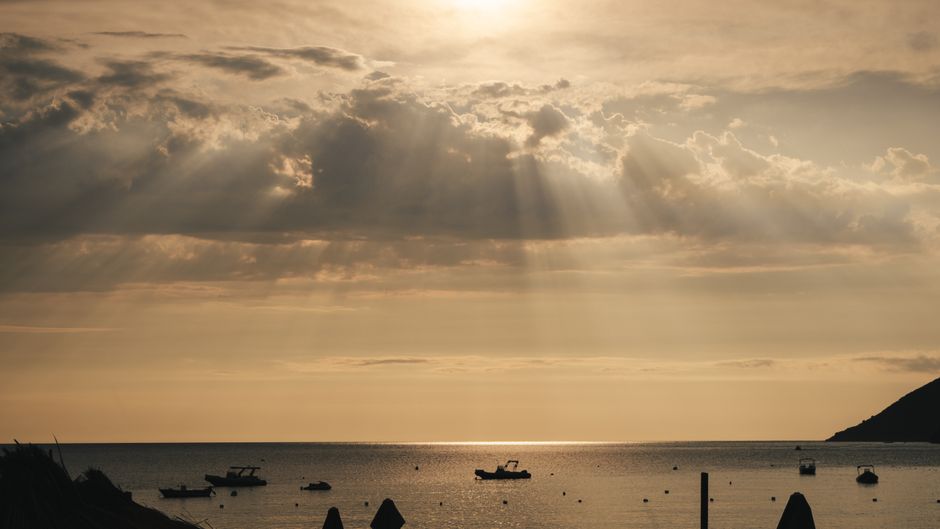
As the sun dipped below the horizon on our final night, I sat on the bow, watching the lights of Sarandë flicker on. The sea was calm now, the wind that had battered us all week had died down. Arben was asleep in the cockpit, snoring loudly. I thought about the journey, the people we had met, the places we had seen. It was a lot to take in. Albania is not easy. It is not comfortable. But it is real. And in a world that is increasingly fake, that is a rare and precious thing. I closed my eyes and listened to the sound of the waves, knowing that I would carry this place with me forever.
Comments