


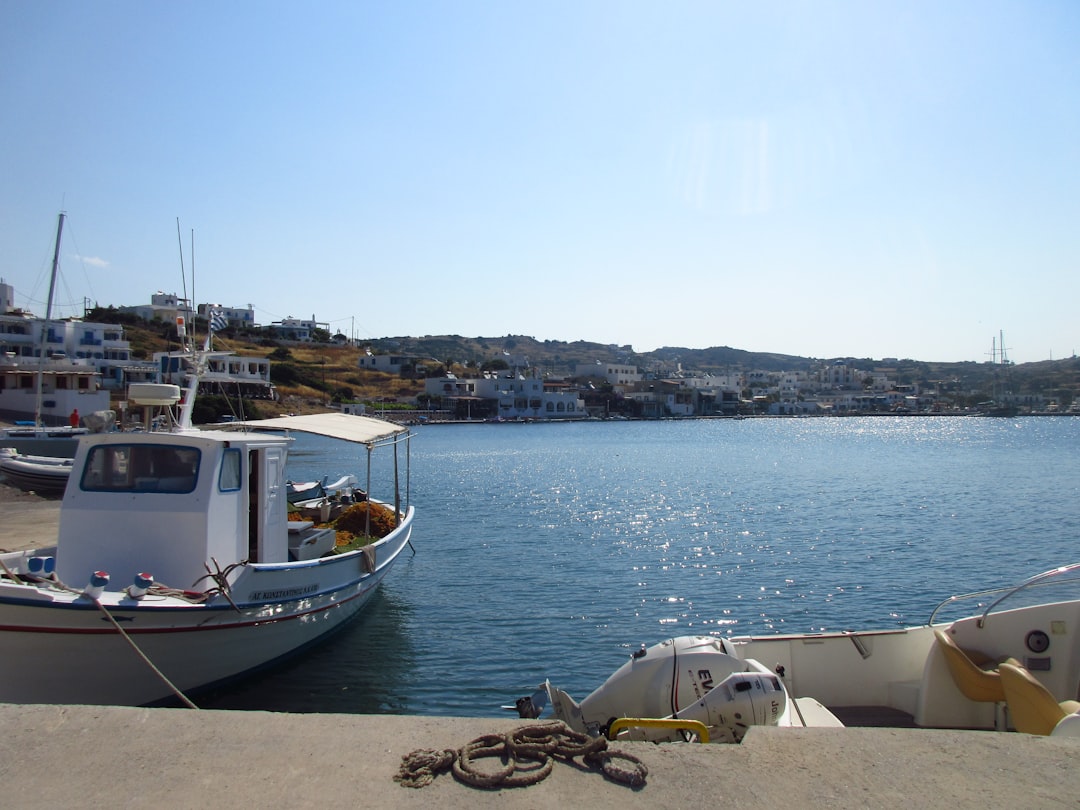
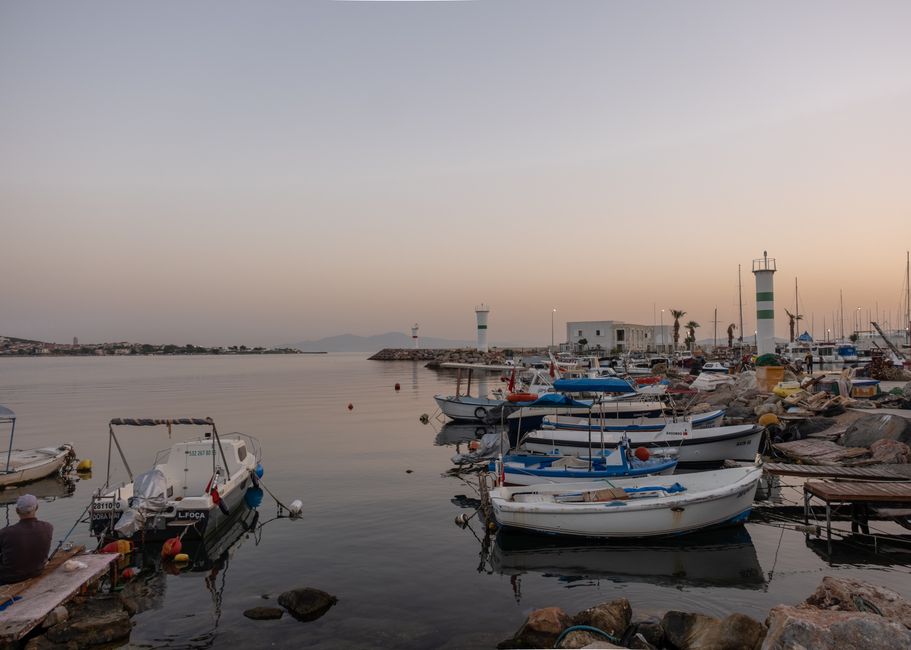
The smell hits you before the view does. It's not the perfume-scented tourist trap of Mykonos or the polished marble of Athens. It's brine, diesel, and rotting squid guts. I'm standing on the cracked concrete of a jetty in Kefalonia, watching an old man with hands like knotted rope gut a red mullet with the efficiency of a surgeon. He doesn't speak English, I don't speak Greek, but we share a look of mutual disdain for the drone buzzing overhead like an angry hornet. This is the Aegean, but not the one you see on Instagram. This is the working coast, where the sea is a employer, not a backdrop, and the silence is heavy with the weight of a thousand sunsets that haven't been filtered.
I've spent the last week bouncing between islands, chasing the ghost of the old fishing life. The Greek Aegean is drowning in sunbeds and all-inclusive resorts, but if you look hard enough, past the glass-fronted tavernas and the neon-lit bars, the bones of the traditional fishing villages still hold up the sky. They are stubborn, weathered, and utterly indifferent to your travel itinerary. This is a report from the edge of the map, where the nets are still cast by hand and the coffee is strong enough to wake the dead.
History & Identity
The identity of these villages is forged in salt and isolation. For centuries, the Aegean islands were not holiday destinations; they were survival stations. The rugged coastlines of places like Amorgos and Astypalaia dictated life. You built your houses into the cliffs to escape the wind, you kept your boats small to navigate the rocky inlets, and you preserved everything because the next shipment from the mainland might be months away. This isn't just history; it's the architecture you sleep in and the food you eat.
The 19th and early 20th centuries were defined by the "Great Exodus" and the maritime trade. Many islanders became captains, merchants, or left for America entirely. The money sent back built the grander neoclassical mansions you see in the main ports, but the fishing hamlets remained modest, functional clusters of whitewashed stone. Today, this history creates a strange duality. The main towns are often overrun by luxury tourism, while the fishing outposts remain quiet, sometimes abandoned, sometimes fighting to keep their soul alive against the tide of commercialization.
The identity here is resilient. You can feel it in the way the locals stare at you. They aren't hostile, just observant. They know who is there for the party and who is there to watch the light change on the water. In the fishing villages, time moves slower. The clock is set by the tides, not the flight schedule. This disconnect is exactly why you need to go. It's a chance to see Greece as it was when the only thing connecting an island to the world was a wooden boat and a prayer.
Where to Go
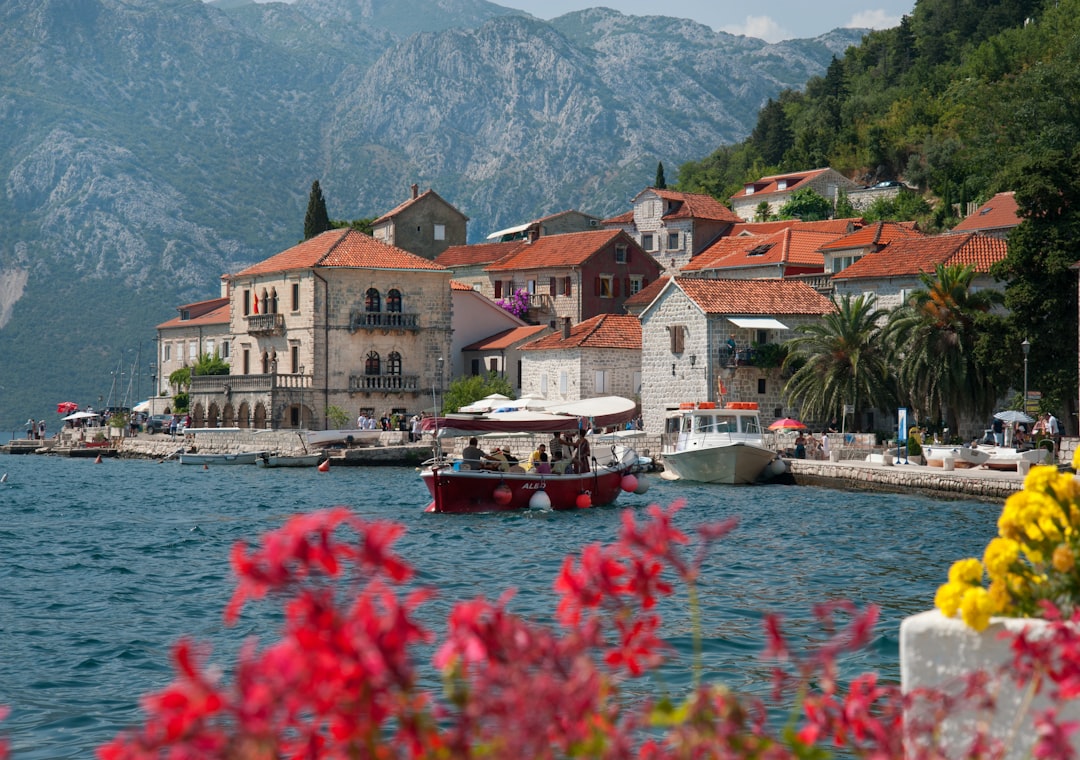
Ayia Efimia, Kefalonia — This isn't a village you stumble upon by accident; it's a deliberate retreat. Located on the northern tip of the island, it's a traditional fishing settlement that has resisted the urge to become a resort. The harbor is filled with colorful boats, not yachts. Walk the narrow stone paths leading up to the small church of Ayia Efimia for a view that stretches across the Ionian Sea. Entry is free, but the best time is late afternoon when the fishermen are hauling in the day's catch and the light turns golden.
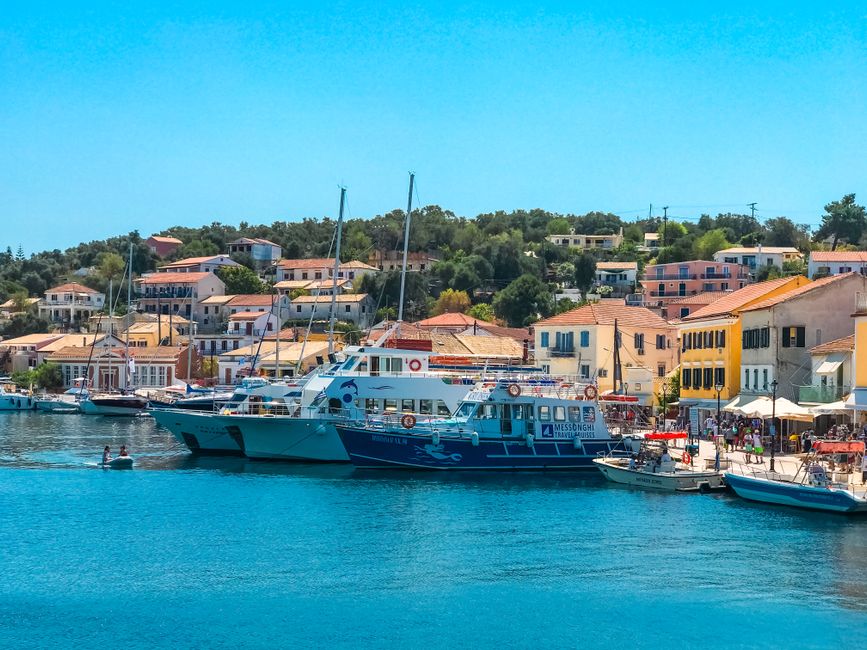
Chora, Amorgos — While the main town of Amorgos is a stunning clifftop marvel, the true fishing spirit lives in the smaller hamlets scattered along the coast. But Chora itself, perched high above the sea, offers a stark contrast. It's a vertical village of white and blue, built into the rock. The view from the castle ruins is immense, but the real draw is the descent to the small ports below. It's a place of dramatic silence. No entry fee, just the cost of your breath. Visit in the morning to avoid the cruise ship crowds.
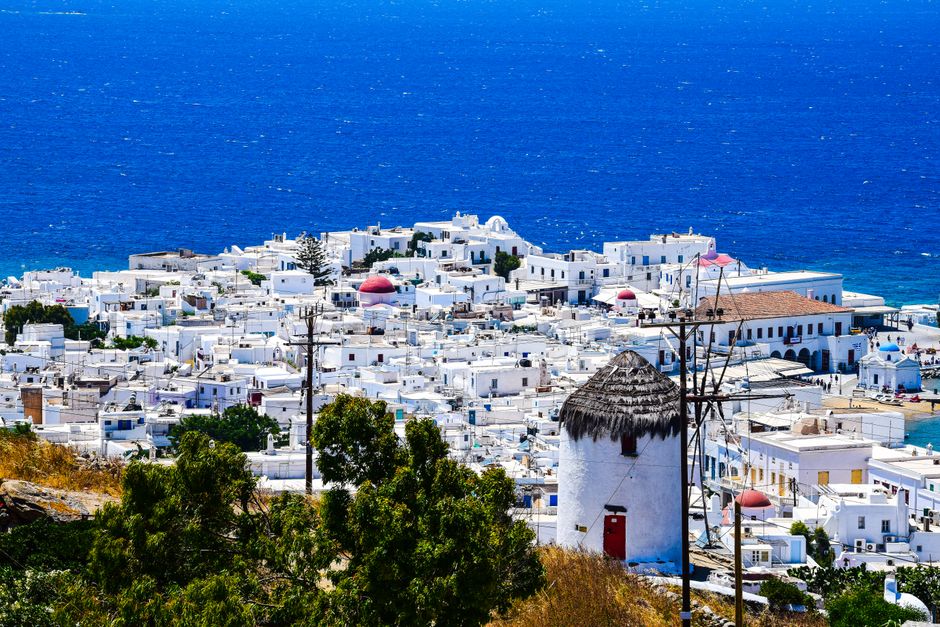
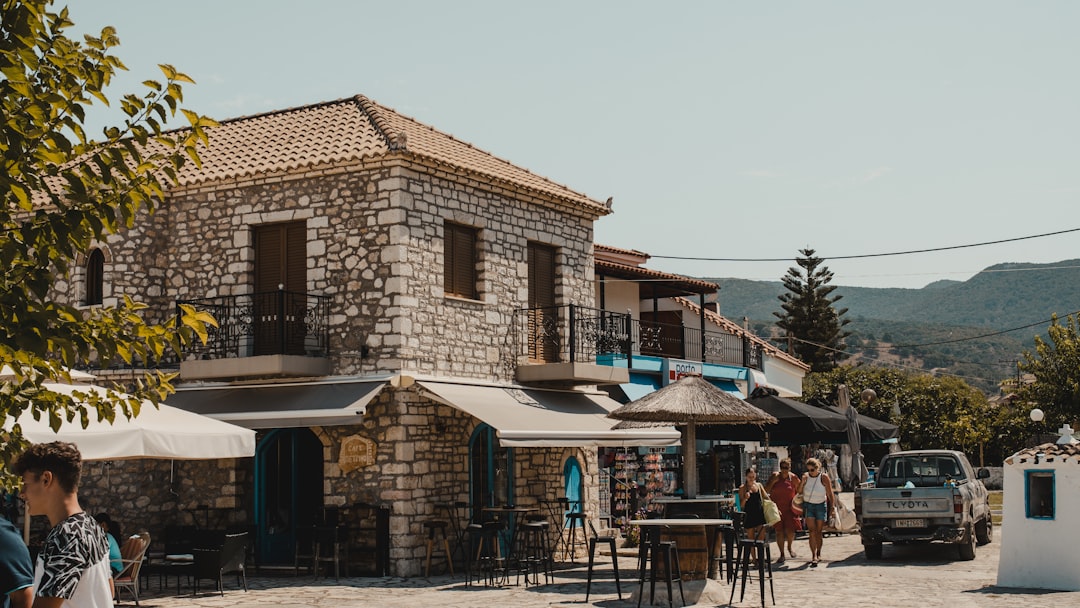
Livadi, Astypalaia — Astypalaia is often called the "Maldives of the Aegean," but Livadi is its heart. This is a true fishing port, bustling with activity. The waterfront is lined with small tavernas serving fresh seafood caught that morning. The architecture is a mix of Cycladic and Ionian styles, with pastel colors and wooden shutters. It's less polished than Santorini and far more authentic. Entry is free. Best visited at night when the locals gather for coffee and conversation.
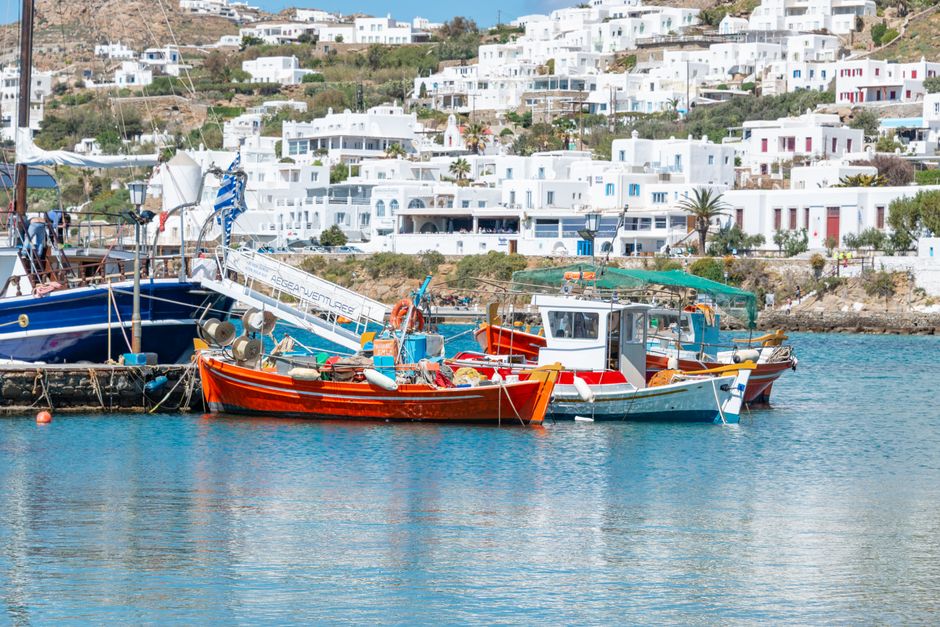
Petra, Crete — Moving south to the largest island, Petra is a tiny fishing village on the northern coast, near Heraklion. It's a hidden gem for those who want to escape the chaos of the capital. The harbor is small, intimate, and filled with the sounds of splashing water and local chatter. The seafood here is arguably the best on the island. No entry fee. Go in the late afternoon to watch the sunset reflect off the calm water.
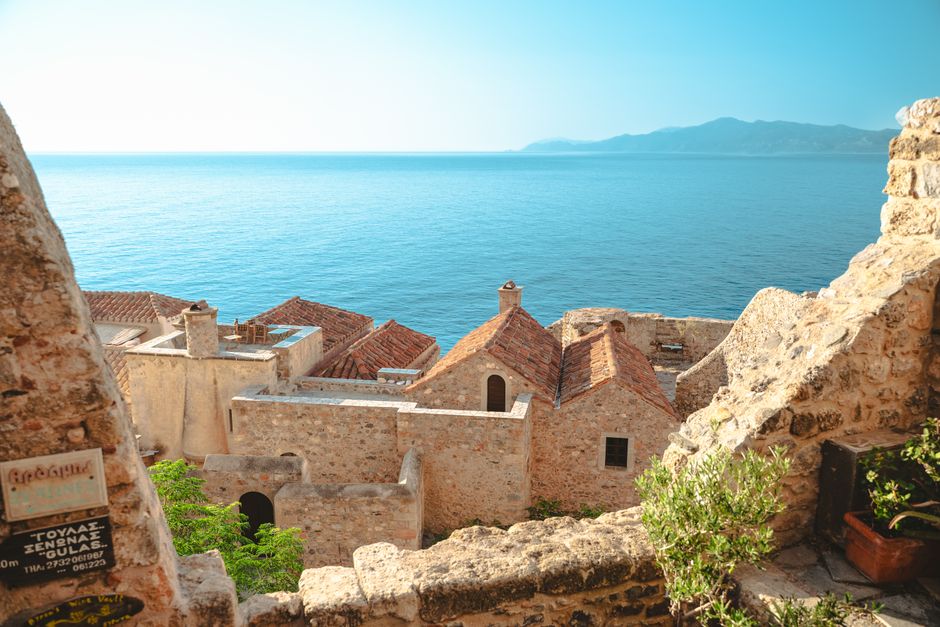
Monemvasia, Laconia — Technically on the mainland, but spiritually an island, Monemvasia is a medieval fortress town built on a massive rock connected to the coast by a narrow isthmus. The upper town is a labyrinth of Venetian and Byzantine ruins, while the lower town is a lively fishing port. The contrast between the ancient stone walls and the colorful fishing boats is striking. Entry to the fortress is 3 EUR. Best visited early morning to avoid the heat and crowds.
What to Eat & Drink
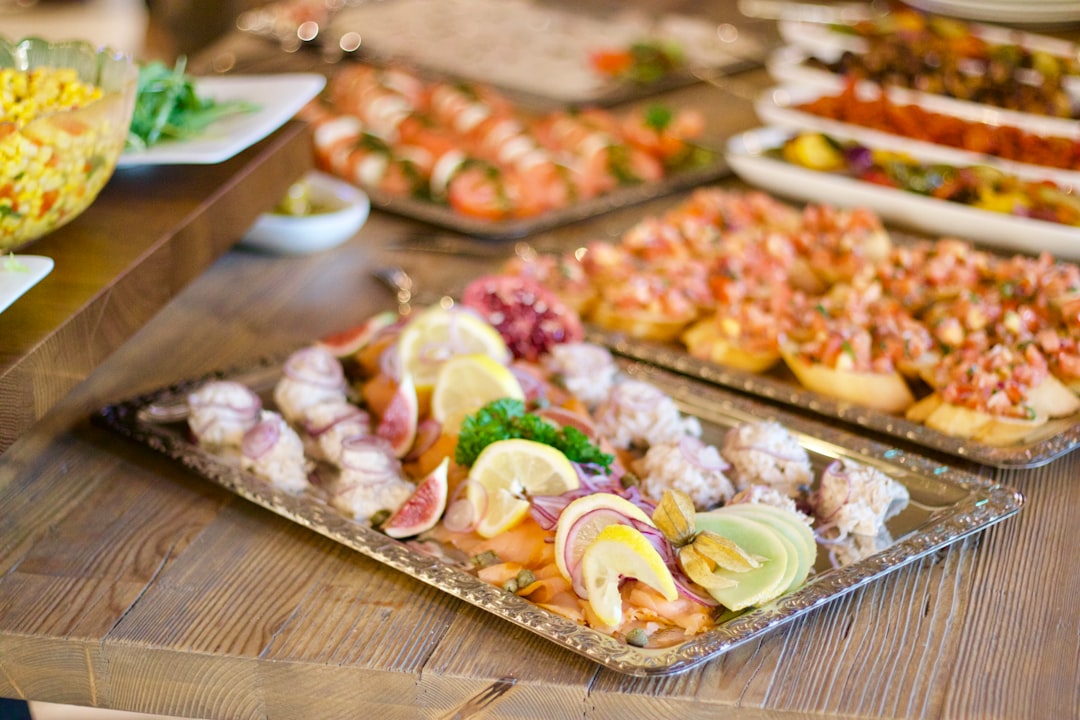
Food in these villages is not an experience; it's a necessity. The menu changes with the tide. If you're in a fishing hamlet, you eat what was caught that morning. Expect red mullet (lavraki) grilled simply with lemon and olive oil, costing around 15-20 EUR per serving. Try octopus stew (hummos), a rich, garlicky dish that's a staple of the Aegean, usually 12-15 EUR. Don't skip the local cheese spread (antipasto me forages), a mix of feta, myzithra, and wild greens, priced at 8-10 EUR to share.
Budget breakdown is straightforward. Street food or a simple gyros wrap from a local kiosk will run you 5-7 EUR. A sit-down meal at a family-run taverna with fresh seafood and a bottle of local wine is 25-40 EUR per person. Mid-range restaurants with a view might push this to 40-60 EUR. For budget travelers, the local markets in the main towns of each island offer fresh produce, bread, and cheese for 10-15 EUR for a full day's worth of food.
In Kefalonia, head to the port of Argostoli for the best seafood markets. In Astypalaia, the waterfront in Livadi is your spot. For take-away, look for "meze" shops near the harbors, where you can grab skewers and salads for 3-5 EUR. The key is to avoid the restaurants with pictures of food outside and the menus in five languages. Go where the locals are sitting on plastic chairs, drinking raki and arguing about football.
Nightlife
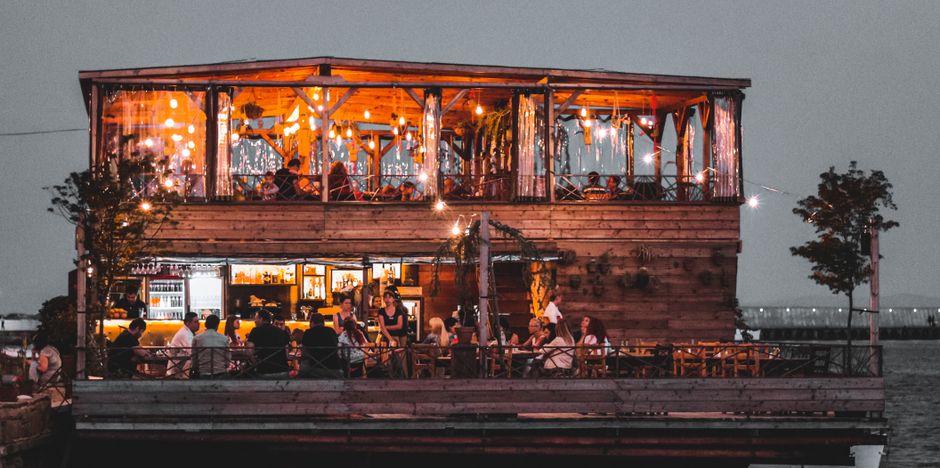
Nightlife in the fishing villages is not about clubs and DJs. It's about the "kafeneio" culture and the late-night taverna gatherings. In Ayia Efimia, the bars are small, family-run spots where the music is live bouzouki, not EDM. Cover charges are non-existent, but you're expected to buy a drink, usually a glass of local wine or a shot of raki, for 3-5 EUR.
In Livadi, Astypalaia, the waterfront bars come alive after midnight. The vibe is relaxed, with locals and a few tourists mingling. Music is traditional Greek folk or soft rock. No cover, just the cost of your drinks. In Petra, Crete, the nightlife is even quieter, focused on small bars serving ouzo and conversation.
If you want actual partying, you need to go to the main towns. But in the fishing villages, the party is the conversation. It's the clinking of glasses, the laughter, and the shared stories of the day's catch. It's a different kind of night, one that feels more real and less performative.
Getting There & What to Expect
Getting to these villages requires a bit of effort. Most are not directly accessible by international flights. You'll likely fly into Athens International Airport (ATH) or Heraklion (HER) for Crete. From there, you need to take a ferry or a domestic flight to the specific island.
Ferry costs vary wildly. A ticket from Athens to Kefalonia is around 40-60 EUR one way, taking 6-8 hours. To Amorgos, it's 30-50 EUR from Piraeus, taking 4-6 hours. Domestic flights are faster but more expensive, often 100-200 EUR round trip. Once on the island, you'll need a car or a motorcycle to reach the fishing villages. Renting a car is 30-50 EUR per day, while a motorcycle is 20-30 EUR per day.
Accommodation in the fishing villages is limited. Budget hostels or guesthouses are 40-60 EUR per night. Mid-range hotels or traditional stone houses are 80-120 EUR per night. Luxury options are rare and can exceed 200 EUR per night. The best months to visit are May, June, September, and October. July and August are hot, crowded, and expensive. Winter is quiet, with many businesses closed.
Search accommodation in Kefalonia on Booking.com →
Expect silence. Expect slowness. Expect to be ignored by the shopkeeper if you're not in a hurry. These places are not designed for efficiency. They are designed for life. If you can embrace that, you'll find a Greece that is raw, beautiful, and utterly unforgettable.
The Salt in Your Veins
I left Amorgos with sand in my shoes and salt in my hair. The last image I have is of that old fisherman in Kefalonia, still gutting his catch as the sun dipped below the horizon, painting the sky in shades of bruised purple and blood orange. He didn't look up. He didn't need to. The sea was enough. And for a moment, so was I.
The fishing villages of the Aegean are disappearing. Not all at once, but slowly, like the tide going out. Each new resort, each new high-speed ferry, each new influencer posing with a fish and chips sandwich erodes a little more of their soul. But they are still there. Stubborn. Quiet. Waiting for those who are willing to look past the postcard and see the reality. Go now. Before the silence is gone forever.
Comments