


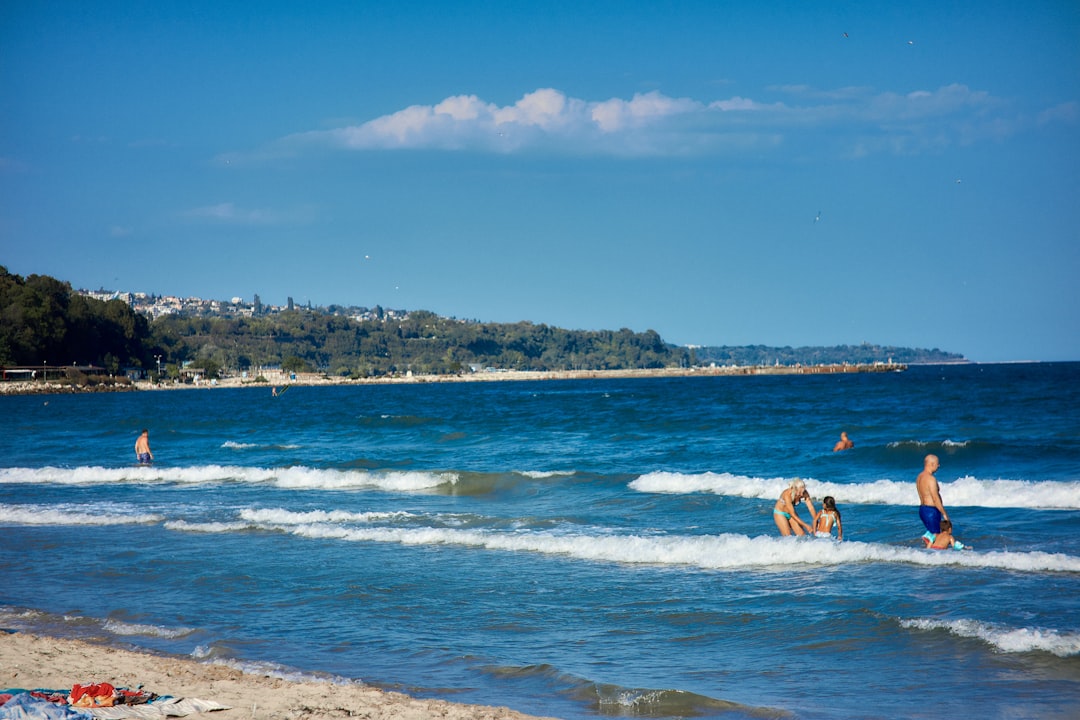
I stood on the shingle of Golden Sands, shivering in a wetsuit that felt two sizes too big, watching a wave the height of a dinner plate curl and break with the enthusiasm of a toddler learning to walk. A local fisherman in a rusted motorboat idled nearby, smoking a cigarette with the detached indifference of a man who has seen empires rise and fall, and really couldn't care less about my attempt to stand on a board. This is not Hawaii. This is not even the Mediterranean. This is the Black Sea, a body of water so vast it feels like an ocean trapped in a cage, and Varna, Bulgaria, is its gritty, sun-bleached gateway. The wind here doesn't whisper; it howls off the open water, carrying the scent of brine, diesel, and grilled mackerel. I came for the surf, but I stayed for the surreal reality of a city where Soviet brutalism meets beachfront resorts, and where the waves are less about barrel rides and more about the sheer, stubborn joy of paddling out when the rest of Europe is sitting in cafes.
The surfing scene here is not polished. There are no surf shops with neon logos or pro athletes signing autographs. It's a ragtag bunch of locals, expats, and confused tourists like me, huddled around a bonfire of driftwood at midnight, drinking cheap rakia and arguing about whether the swell is actually getting bigger. The water is cold, even in August. The sand is mixed with tiny shells that dig into your feet. But there is a raw, electric energy to it. When you catch a ride, even a sloppy, white-water mush, you feel like you've conquered a beast that few dare to challenge. This is the real Balkan coast, stripped of the glossy postcards and left with its bones.
History & Identity
Varna Varna is not just a beach town; it is one of the oldest cities in Europe, a fact that hangs over the modern skyline like a ghost. The Varna Necropolis Varna Necropolis, dating back to 4500 BC, holds the world's oldest processed gold, a discovery that rewrote the history of civilization. Walking through the city, you feel the weight of millennia. The Ottoman influence is visible in the Varna Clock Tower Varna Clock Tower, a 15th-century structure that stands in the city center, a reminder of the centuries of Turkish rule that shaped the region's architecture and cuisine. The city was a major port for the Ottoman Empire, and its identity is a complex layering of Thracian, Roman, Byzantine, and Ottoman heritage.
In the 20th century, Varna became a hub for Soviet naval power and industrial might. The massive concrete blocks of the Dormition of the Mother of God Cathedral Dormition of the Mother of God Cathedral, Varna and the sprawling residential districts speak to the communist era, when the city was built for workers and sailors. Today, this history is not just in museums; it's in the cobblestone streets of the old town, the grand boulevards, and the attitude of the people who are proud of their deep roots but eager to look forward. The surf culture here is a new layer, a modern rebellion against the static past, adding a splash of global youth culture to a city that has always been a crossroads.
Where to Go
Varna Archaeological Museum — This is the place to start if you want to understand the gold that made this region famous. The museum houses the treasures from the Varna Necropolis, including intricate gold masks and jewelry that are over 6,000 years old. It's a sobering experience, a reminder of how long humans have been crafting beauty in this harsh coastal environment. Entry is 6 EUR. Best visited early morning to avoid crowds.
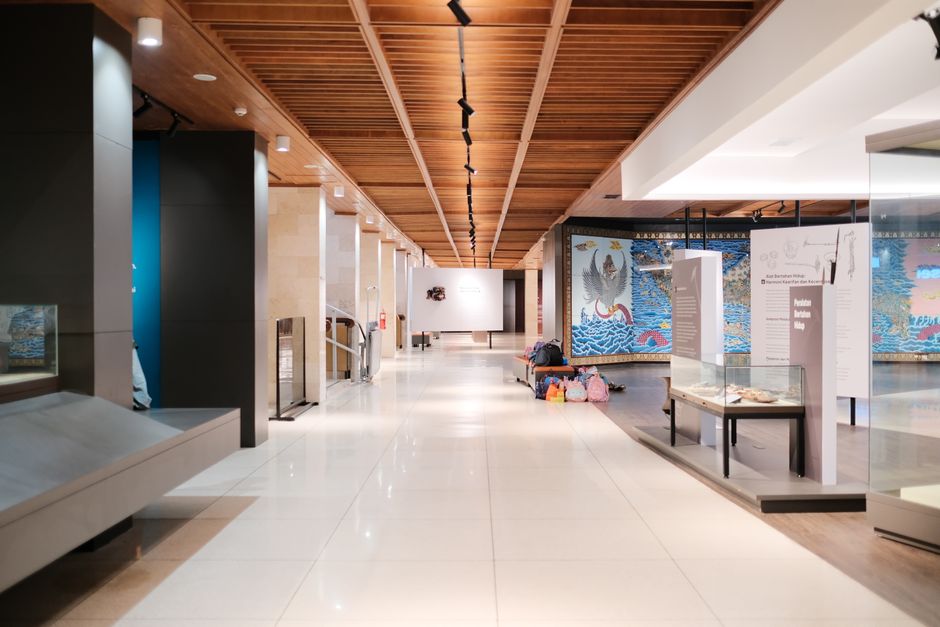
St. Andrew's Fortress — Perched on a rocky outcrop by the sea, this fortress dates back to the Roman era and was later expanded by the Ottomans. It now houses an archaeological museum and offers panoramic views of the bay. The stone walls are cool to the touch, and the sea breeze is relentless here. It's a perfect spot to sit and watch the waves that you'll later be trying to ride. Entry is 4 EUR.
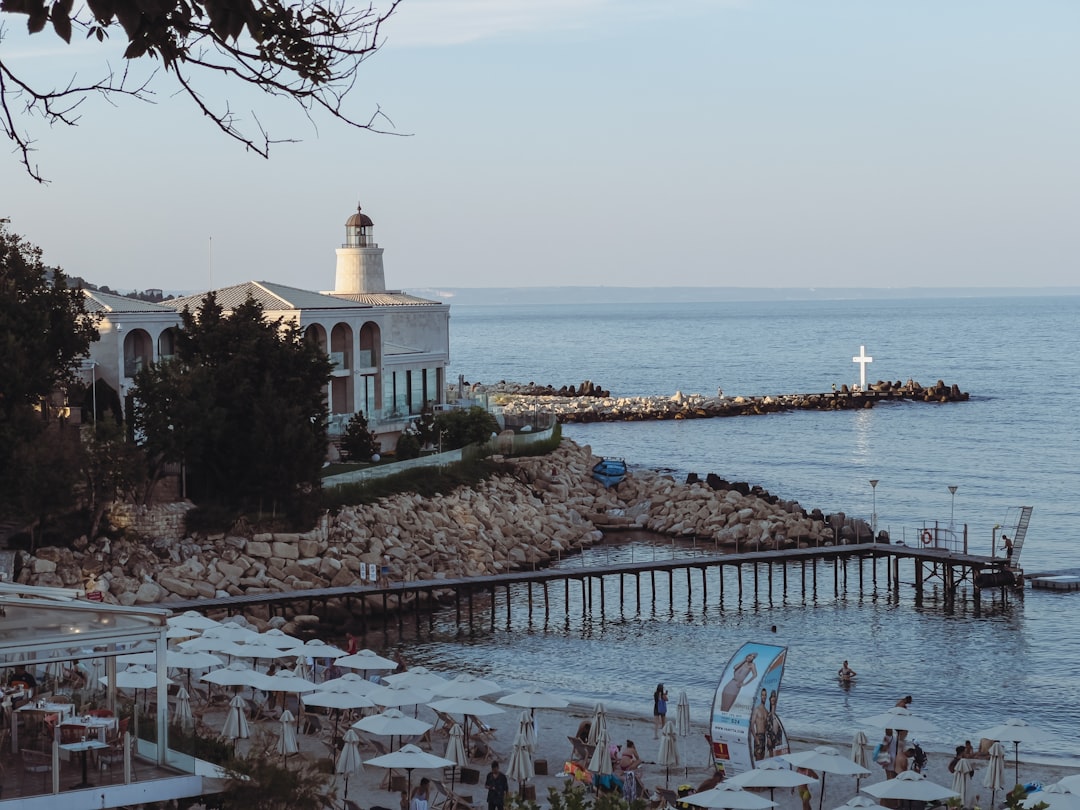
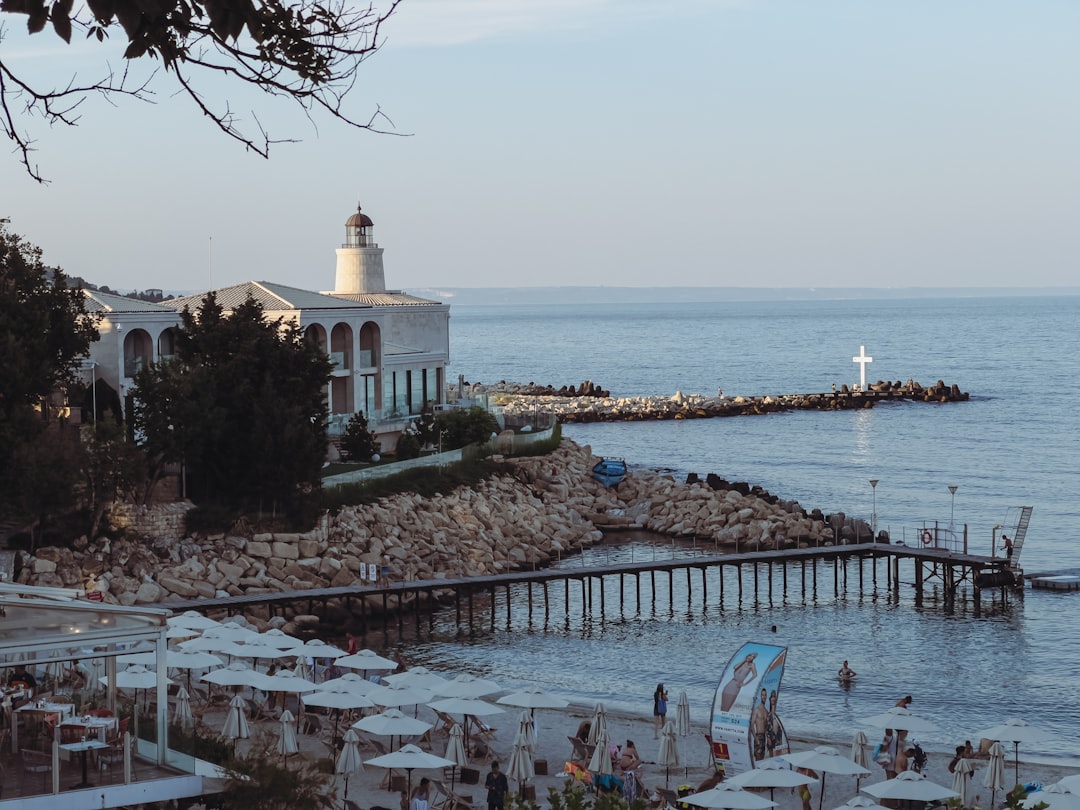
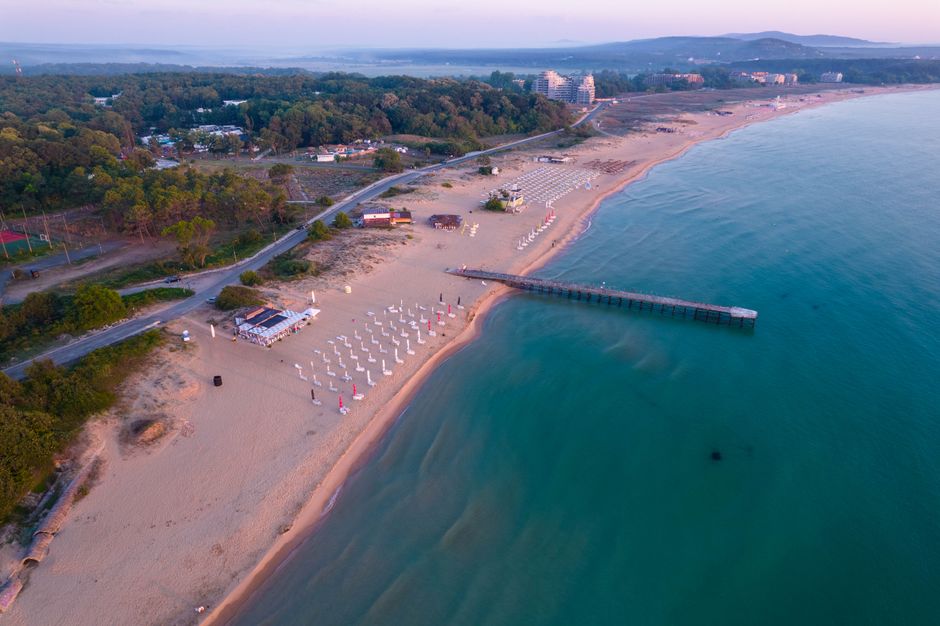
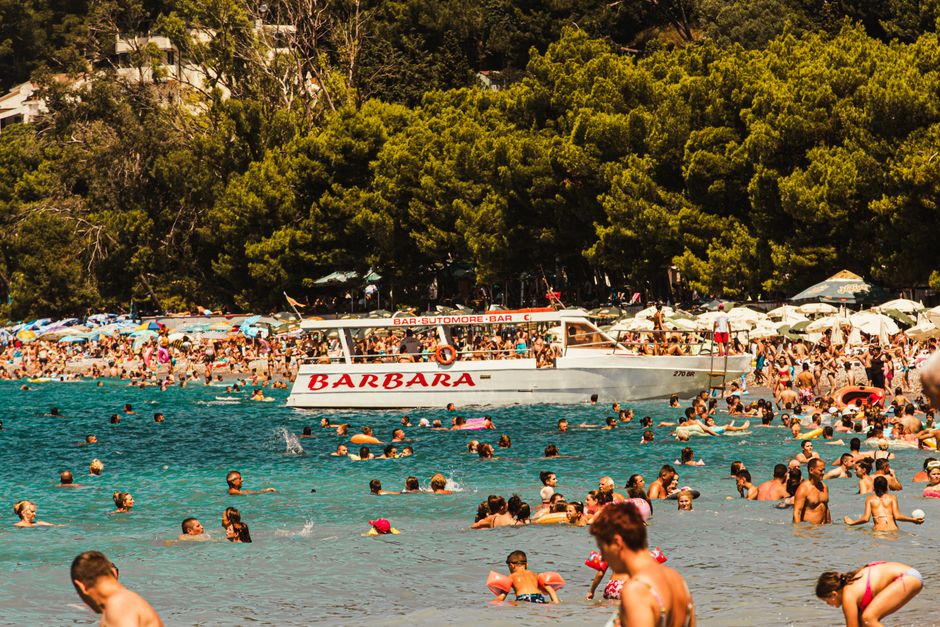
Golden Sands Beach — The most famous stretch of coastline near Varna, known for its golden shingle and clear water. It's lined with hotels and bars, but early in the morning, before the sunbathers arrive, it's a surfer's paradise. The waves here are small but consistent, especially in the spring and autumn when the winds pick up. There are surf schools operating here, offering lessons and board rentals.
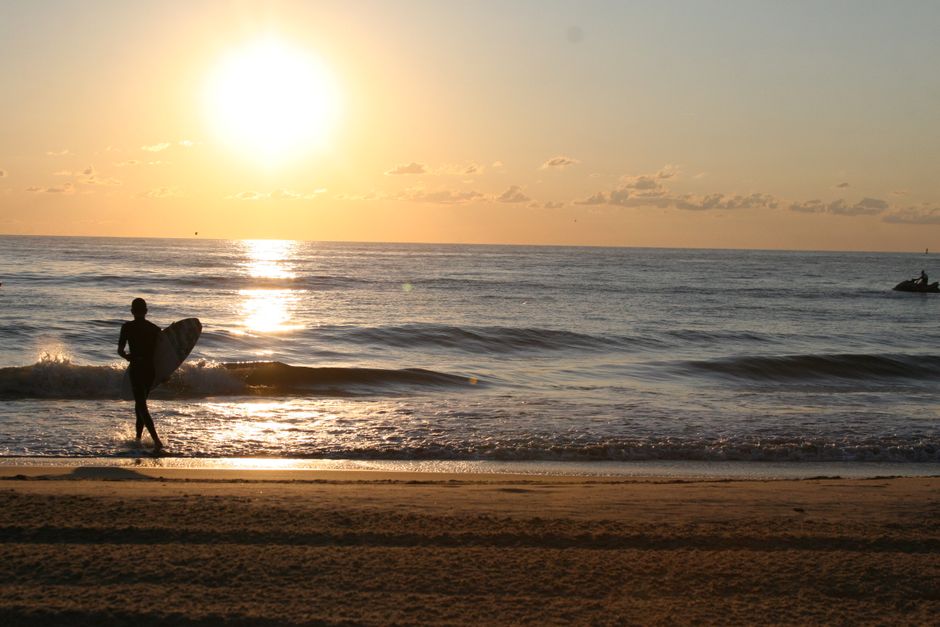
Albena Resort — Further north, this resort area is less developed and has a more natural feel. The beaches here are wider, and the waves can be slightly bigger due to the open exposure to the sea. It's a bit of a trek from the city center, but worth it for those looking for a quieter surf spot. The pine forests that line the coast provide a dramatic backdrop.
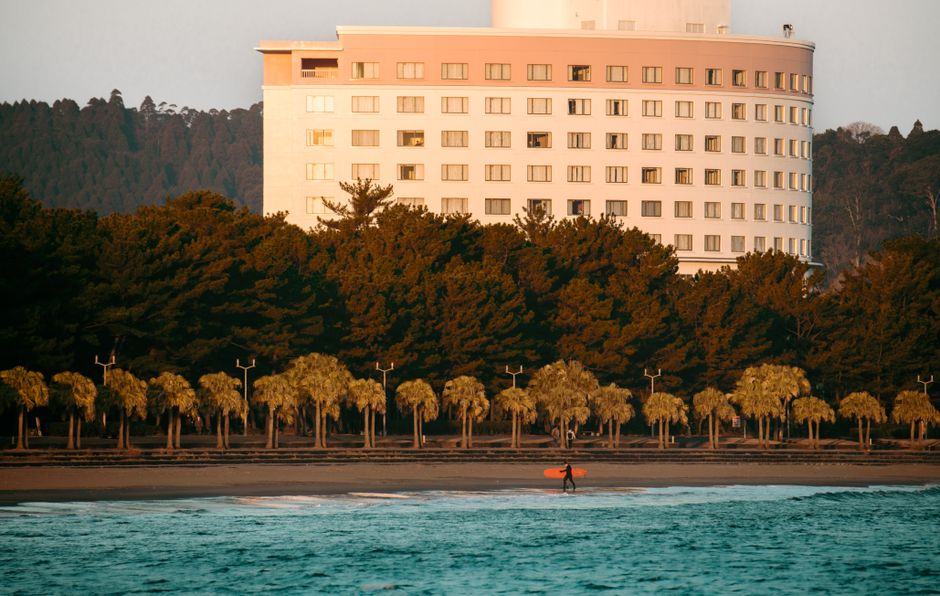
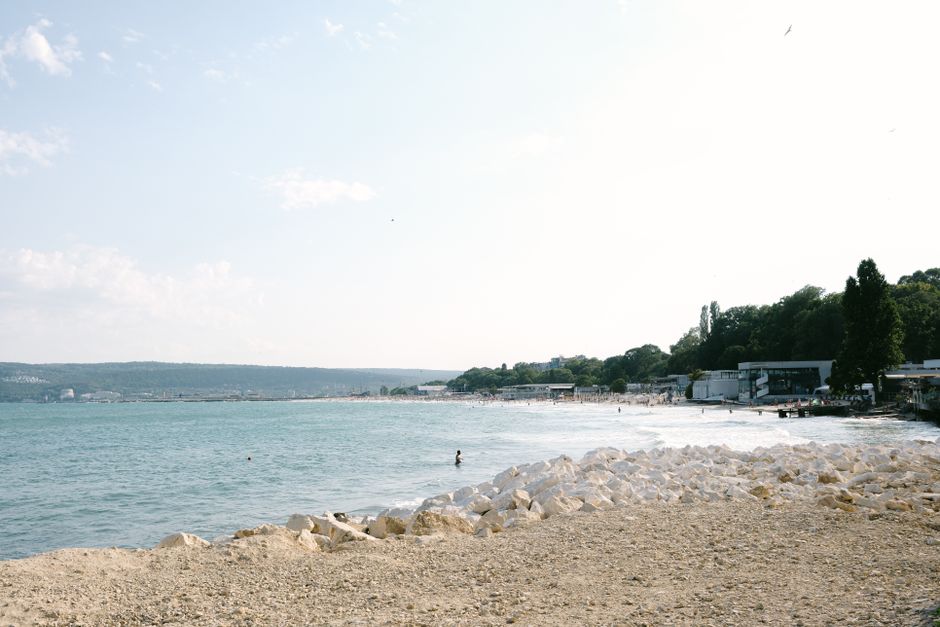
Varna Beach (City Center) — The long, sandy beach that runs along the city center. It's more crowded and the waves are smaller, but it's convenient for those staying in the city. There are plenty of cafes and bars nearby, and you can catch a wave and then grab a coffee without leaving the promenade. It's more about the vibe than the performance here.
What to Eat & Drink
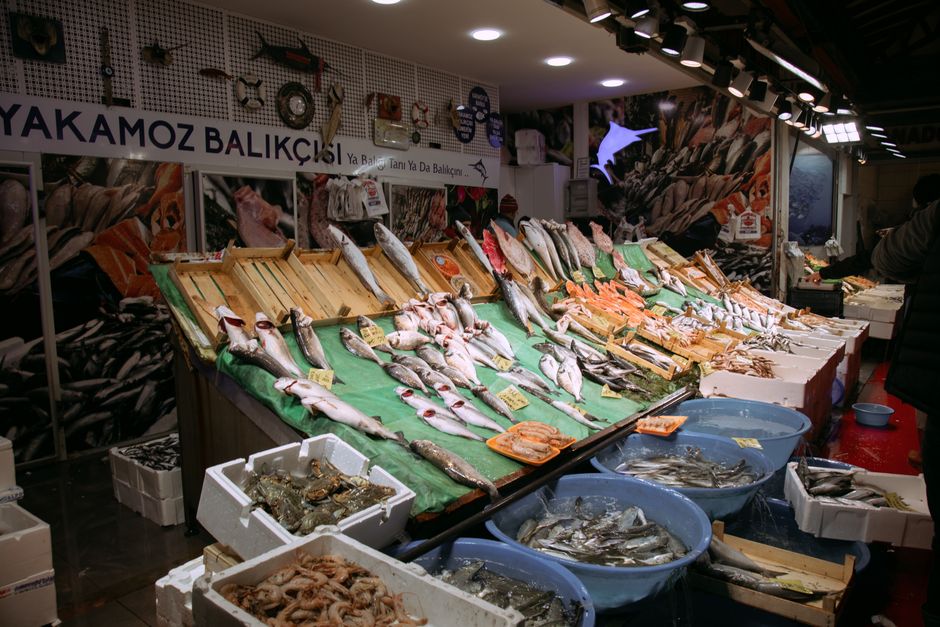
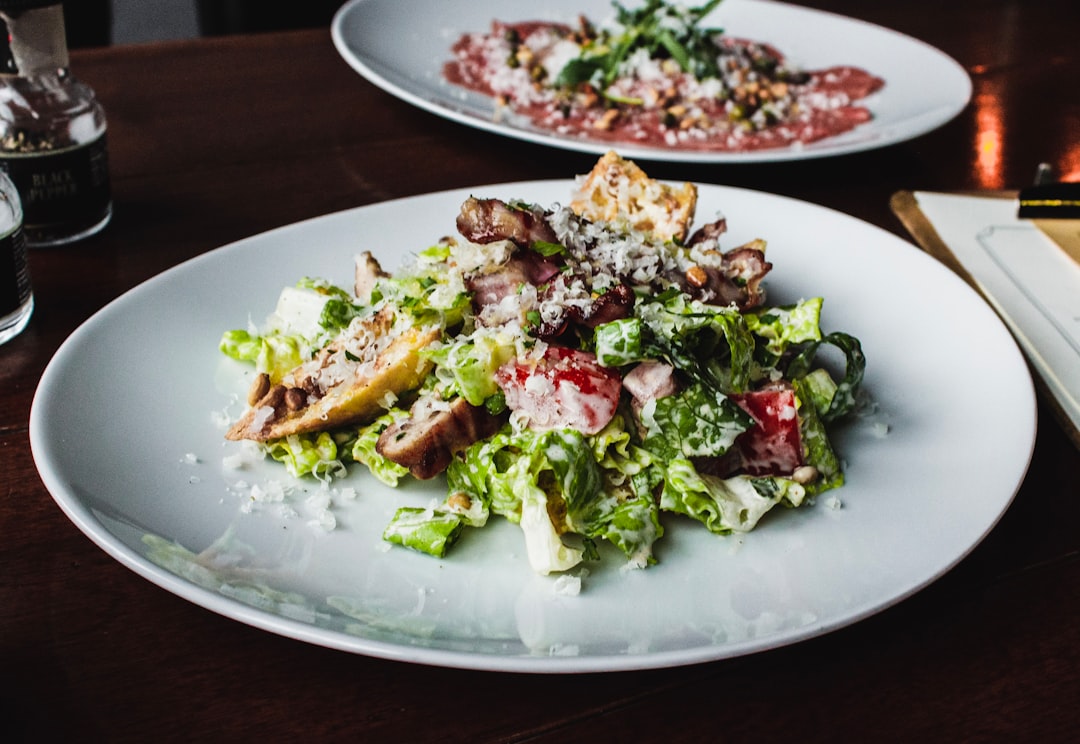
Eating in Varna is a feast for the senses, with a focus on fresh seafood and hearty Balkan dishes. After a cold session in the water, you'll need something warm and filling. Try kyufte — small meatballs made from beef, peppers, and herbs, served with bread — for 3-5 EUR. For something lighter, go for shopska salata — a salad of tomatoes, cucumbers, onions, and peppers topped with grated sirene cheese — for 4-6 EUR. Seafood is a must; grilled mackerel or sardines are cheap and delicious, often costing 5-8 EUR per portion. Don't miss the baklava for dessert, a sweet pastry made with layers of phyllo, nuts, and syrup, available for 2-4 EUR per slice.
For budget travelers, street food and take-away options are plentiful. You can find burek — a flaky pastry filled with cheese, meat, or spinach — for 1-2 EUR from bakeries throughout the city. Sit-down local restaurants offer meals for 8-15 EUR per person, while mid-range options with a sea view can cost 15-25 EUR. The Varna Central Market is a great place to sample local produce and cheap eats, with a wide variety of stalls selling fresh fruit, vegetables, and prepared foods. For a more upscale experience, head to the Port of Varna area, where there are several seafood restaurants with outdoor seating and live music.
Nightlife
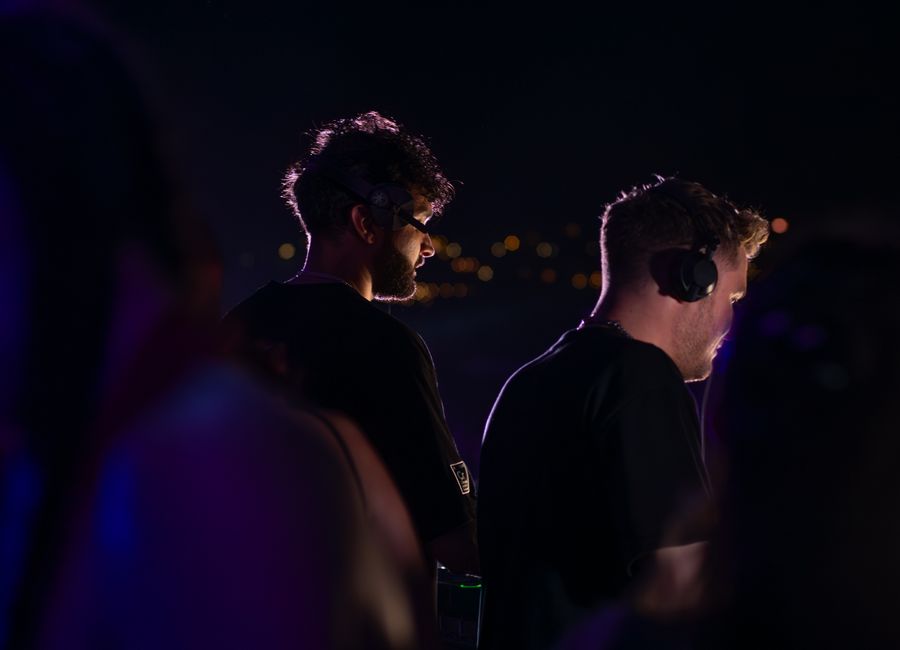
Varna's nightlife is centered around the Strandya district and the Port area. The St. Constantine and Helena promenade is lined with bars and clubs that stay open until the early hours. Club Varna is a popular spot for electronic music, with a cover charge of 10-15 EUR and drinks starting at 4-6 EUR. Bar Harbor offers a more relaxed atmosphere with live rock music and a diverse crowd. For a taste of local nightlife, try Chalga bars, where you can hear the upbeat Bulgarian pop music that is popular in the region. The Golden Sands area also has a vibrant nightlife scene, with beach clubs and bars that cater to a younger, more international crowd. Expect to pay 5-10 EUR for drinks and 10-20 EUR for entry to the more exclusive clubs.
Getting There & What to Expect
The nearest airport is Varna Airport Varna Airport, which has direct flights from major European cities. From the airport, you can take a bus or taxi to the city center, which takes about 20 minutes and costs 5-10 EUR by bus or 20-30 EUR by taxi. Buses also run from Sofia and Burgas, with travel times of around 6 hours and 1 hour, respectively. Ticket prices range from 15-25 EUR for a bus from Sofia. If you're driving, the A1 Highway connects Varna to the rest of the country.
Accommodation in Varna ranges from budget hostels to luxury hotels. A bed in a hostel dorm costs 15-25 EUR per night, while a mid-range hotel room starts at 40-70 EUR per night. Surf camps and guesthouses near the beach offer packages that include accommodation, board rental, and lessons, starting at 100-150 EUR per week. The best months to surf are April to June and September to November, when the winds are stronger and the water is less crowded. Summer months (July-August) are warmer but can be crowded and the waves are smaller. Expect water temperatures to range from 15°C in spring to 25°C in summer. A 3/2mm wetsuit is sufficient for summer, while a 4/3mm or 5/4/3mm is recommended for spring and autumn.
Search accommodation in Varna on Booking.com →
The Last Set
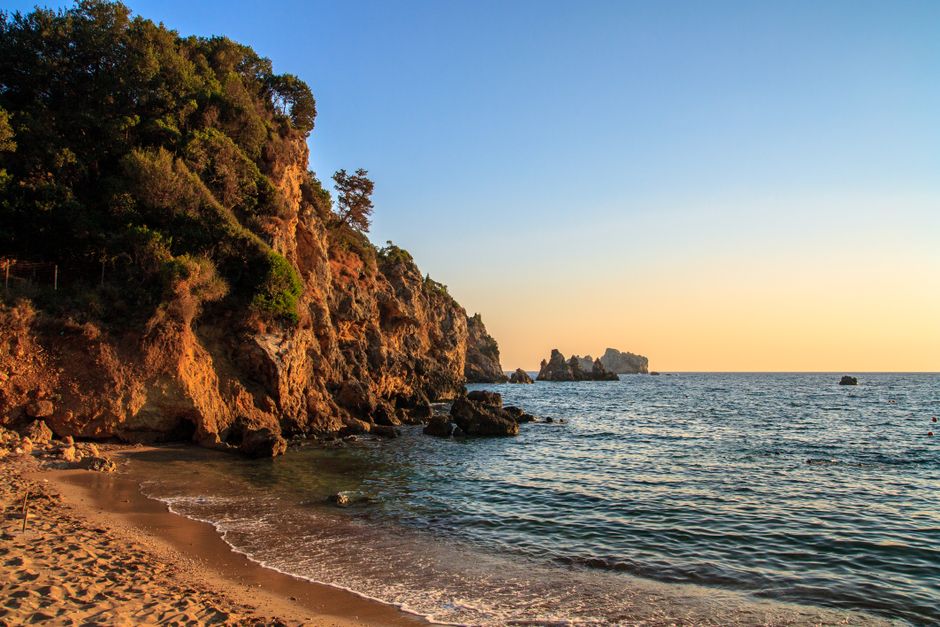
I sat on the rocks at dusk, my board drying in the fading light, watching the sun dip below the horizon and paint the sky in shades of orange and purple. The fisherman was gone, replaced by a group of teenagers laughing and splashing in the shallows. My muscles ached, my skin was salt-crusted, and I was exhausted. But I was also alive in a way I hadn't felt in years. This place, with its ancient history and modern contradictions, had stripped away the pretense and left only the raw elements: wind, water, and stone. Surfing here isn't about perfection; it's about persistence. It's about showing up, paddling out, and embracing the messiness of it all. Varna doesn't care if you're good; it only cares if you're willing to get in the water. And that, I realized, is the only rule that matters.
Comments