


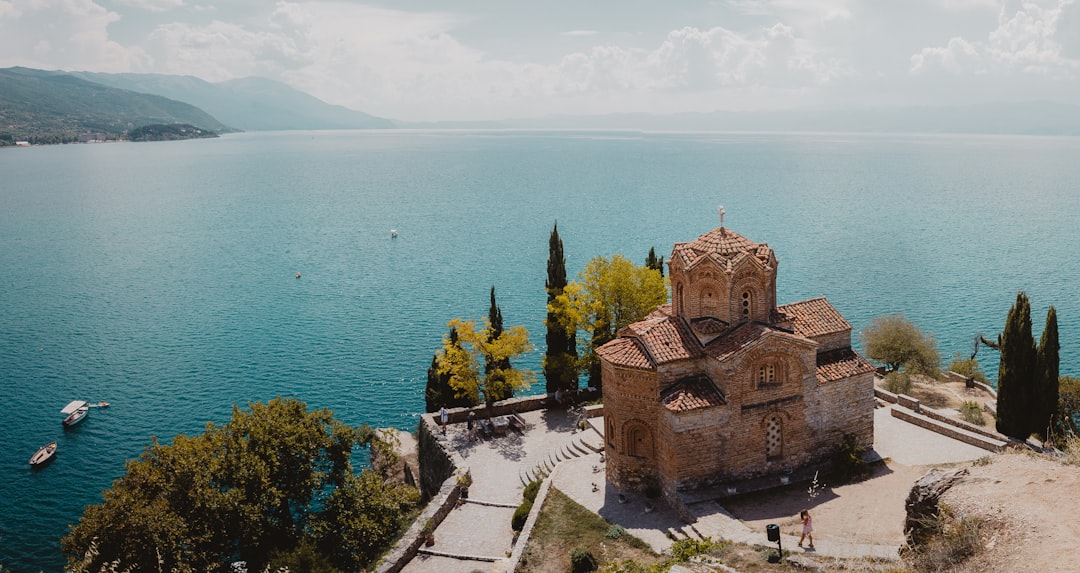
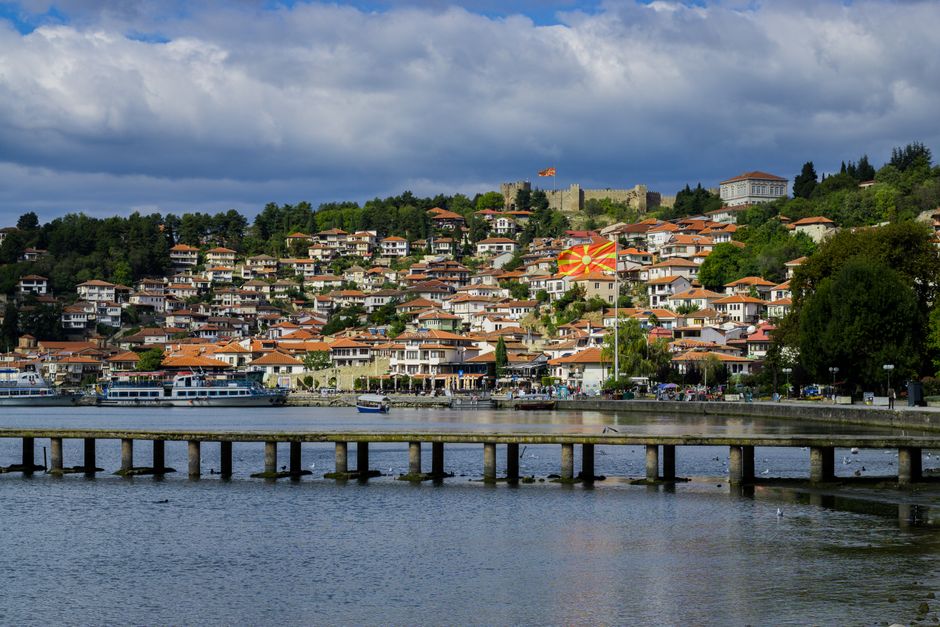
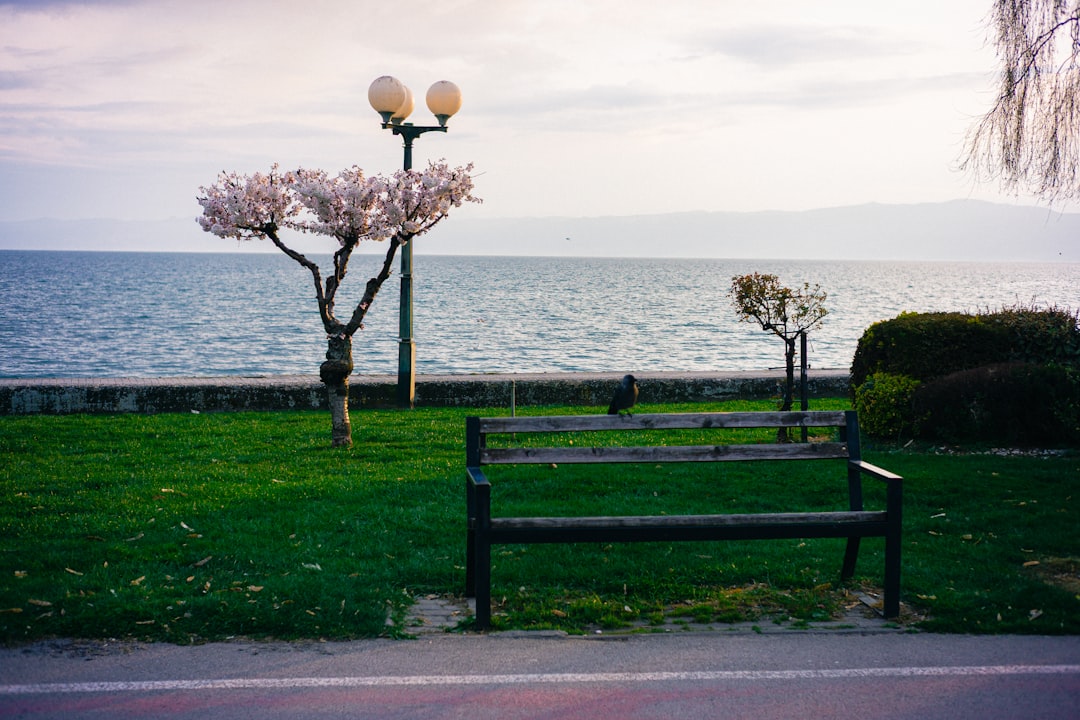
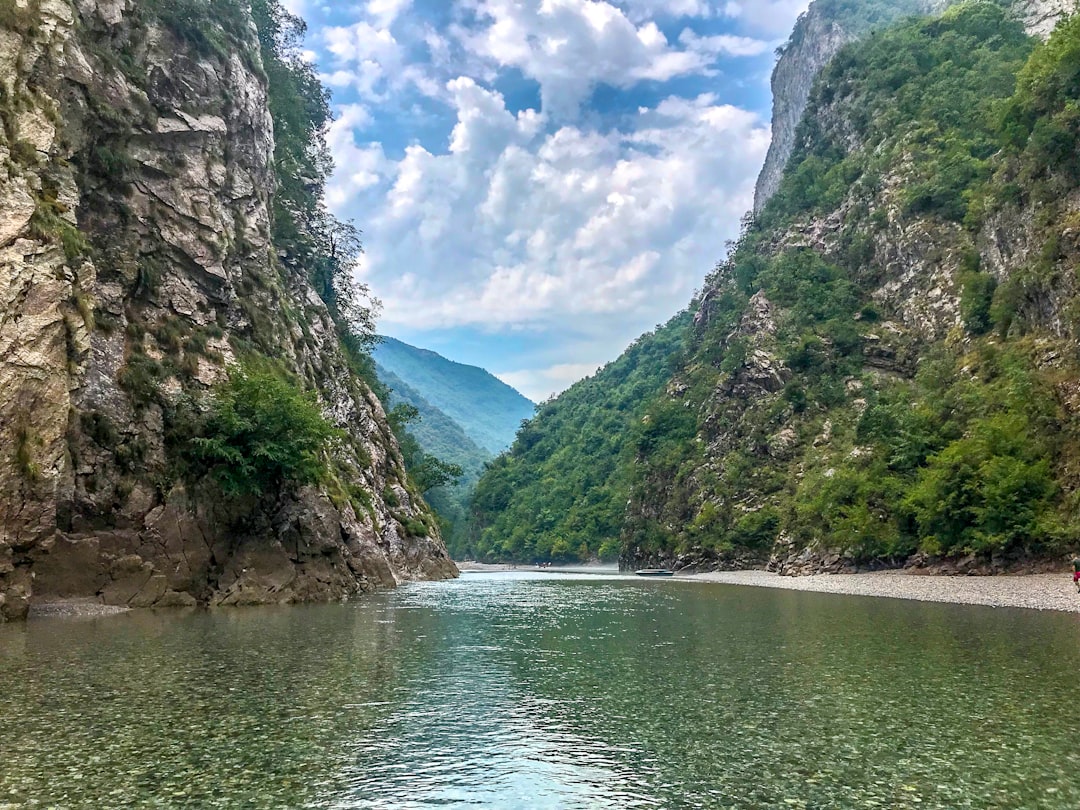
The sun over Lake Ohrid doesn't just shine; it bleaches. It hits the limestone cliffs with a violence that makes you squint, turning the water into a sheet of hammered silver. I stood on the shore near Ohrid, Bulgaria's neighbor to the south, nursing a lukewarm coffee, feeling like a sinner who had somehow stumbled into a cathedral. The air smelled of roasted chestnuts and old incense. A local monk in black robes walked past, his sandals slapping the cobblestones, ignoring the tourists taking selfies with the peacocks. He looked at me with a gaze that felt centuries old, as if he'd seen my type before — the wide-eyed wanderer chasing ghosts in stone. This isn't just a lakeside town; it's a living museum where the paint is still wet in the spiritual sense, even if the physical pigments are cracking under the weight of time.
I came here to find the Byzantine frescoes of Ohrid, the ones that scholars call the greatest collection of medieval art in the Balkans. But you don't just "visit" them. You have to hunt them. They are scattered across the hillsides, hidden in monasteries that cling to the rock like barnacles on a whale. Each wall is a page in a book written in gold leaf and ochre, telling stories of saints, miracles, and the brutal politics of the Byzantine Empire. It's a visual language that demands attention, and if you look closely, you can almost hear the whispers of the monks who painted them by candlelight, their hands stained with lapis lazuli and bone black.
History & Identity
The story of Ohrid begins long before the first brushstroke touched the plaster. This was the cultural capital of the First Bulgarian Empire, a place where the Cyrillic alphabet was born and where Christianity took root in the Slavic world. For centuries, Ohrid was a beacon of learning and faith, rivaling Constantinople itself. The frescoes you see today are not just decorations; they are political statements, theological arguments, and acts of devotion. They were painted during a time when the Byzantine Empire was in decline, and local rulers were asserting their own identity through art.
The most famous period of fresco painting in Ohrid dates back to the 11th and 12th centuries, a time when the city was under Byzantine control but still retained its Bulgarian character. The artists who worked here were masters of their craft, blending Byzantine iconography with local traditions. They used bold colors, dynamic compositions, and a deep understanding of human emotion. The result is art that feels alive, as if the saints and angels are about to step off the walls and walk among you. This is not static history; it's a living conversation between the past and the present.
But the history of Ohrid's frescoes is also a story of survival. Over the centuries, these churches and monasteries have been damaged by earthquakes, wars, and neglect. Many frescoes were covered over or destroyed, only to be rediscovered and restored in the 20th century. Today, they are protected as UNESCO World Heritage sites, but the threat is not over. Tourism, pollution, and the simple passage of time continue to take their toll. Walking through these spaces, you feel a sense of urgency — a need to witness these masterpieces before they fade into memory.
Where to Go
St. John at Kaneo — This small church sits on a hilltop overlooking the lake, and it's home to some of the most important frescoes in Ohrid. The 11th-century paintings depict the life of Christ and the Virgin Mary, with a style that is both solemn and intimate. The church is small, so the atmosphere is intense. You can feel the presence of the past in every corner. Entry is free, but donations are appreciated. Best visited early in the morning to avoid the crowds.
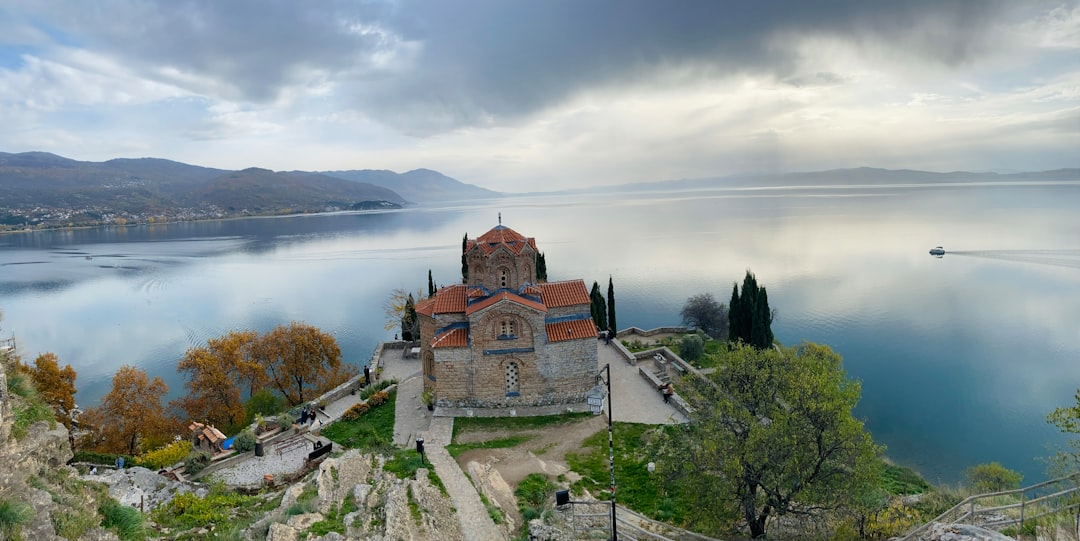
The Church of St. Clement of Ohrid — Located on a hill above the city, this church is dedicated to the patron saint of Ohrid. The frescoes here date back to the 14th century and are a masterpiece of late Byzantine art. The colors are vibrant, and the figures are expressive. The church is part of a larger complex that includes a museum, which is worth a visit for its collection of religious artifacts. Entry fee is around 5 EUR.
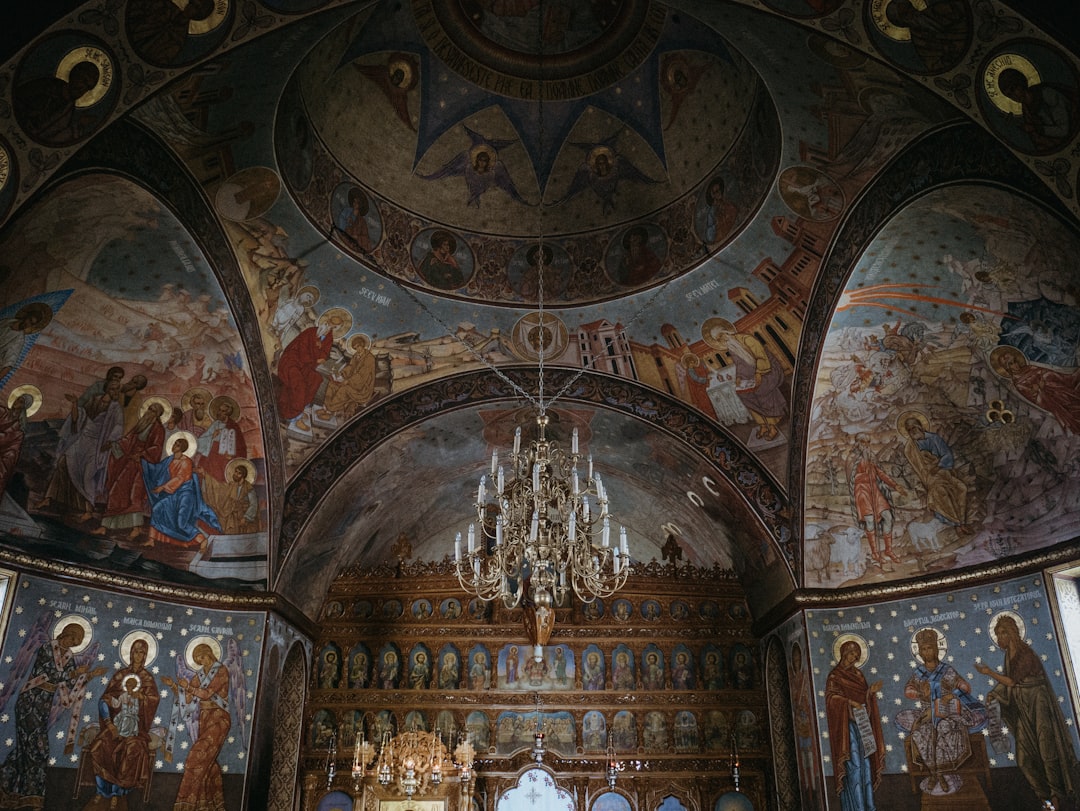
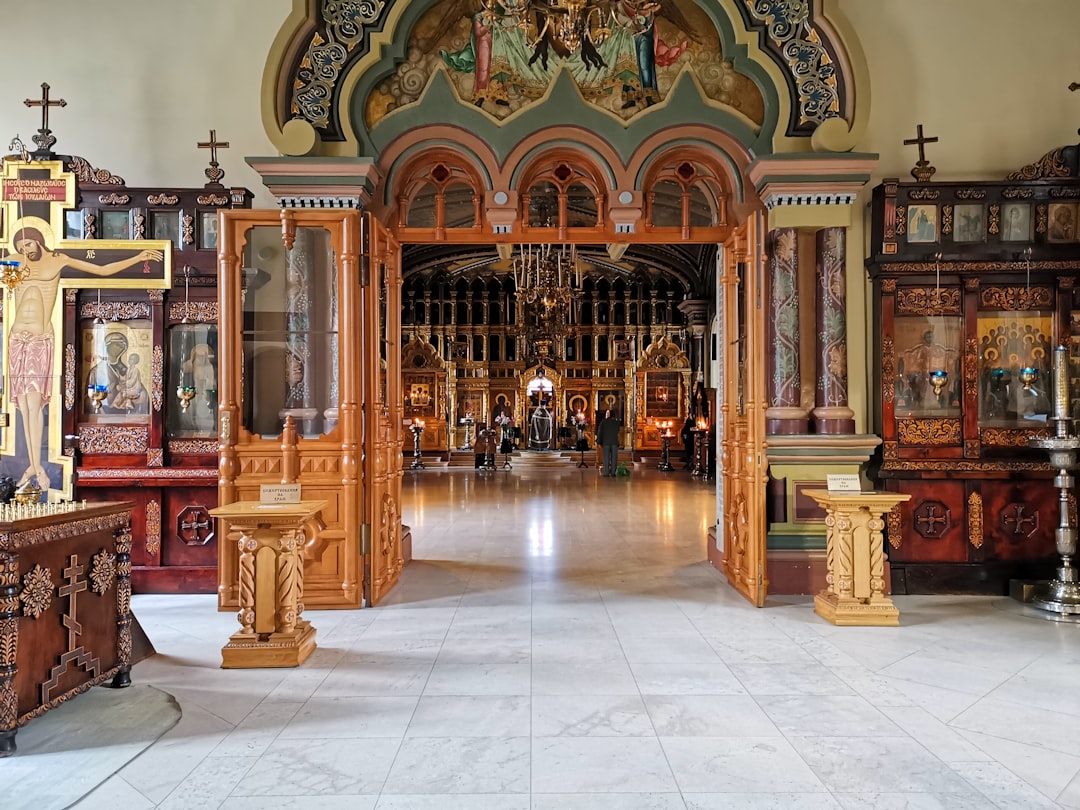
The Church of the Nativity of the Theotokos — This church is located in the old town of Ohrid, near the lake. The frescoes here are from the 14th century and are in excellent condition. They depict scenes from the life of the Virgin Mary and are painted in a style that is both elegant and powerful. The church is open to visitors, and there is a small entry fee of 3 EUR.
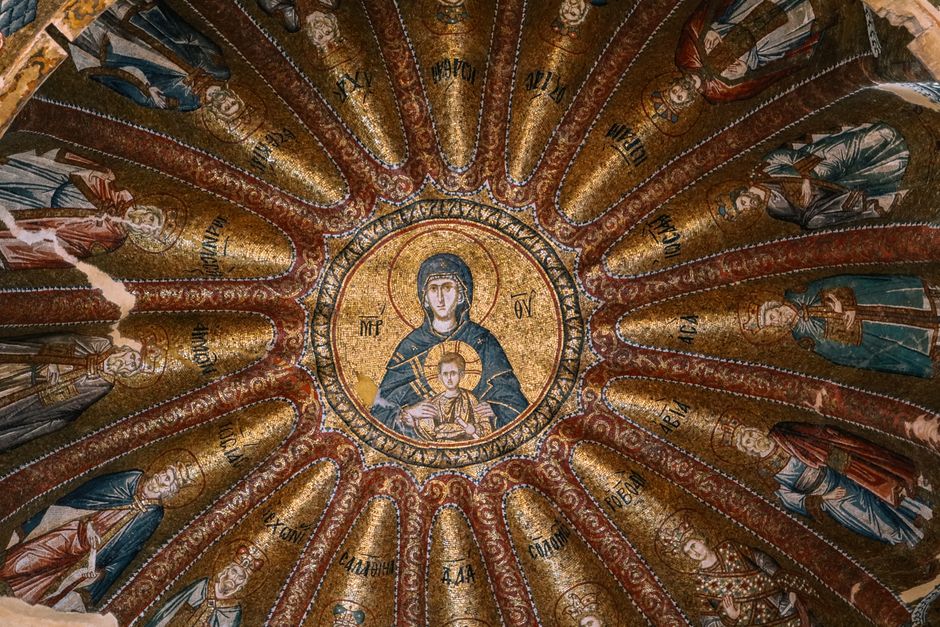
The Church of St. Sophia — This is one of the oldest churches in Ohrid, dating back to the 11th century. The frescoes here are a mix of different periods, with some dating back to the original construction and others added later. The church is a UNESCO World Heritage site and is a must-see for anyone interested in Byzantine art. Entry fee is 7 EUR.
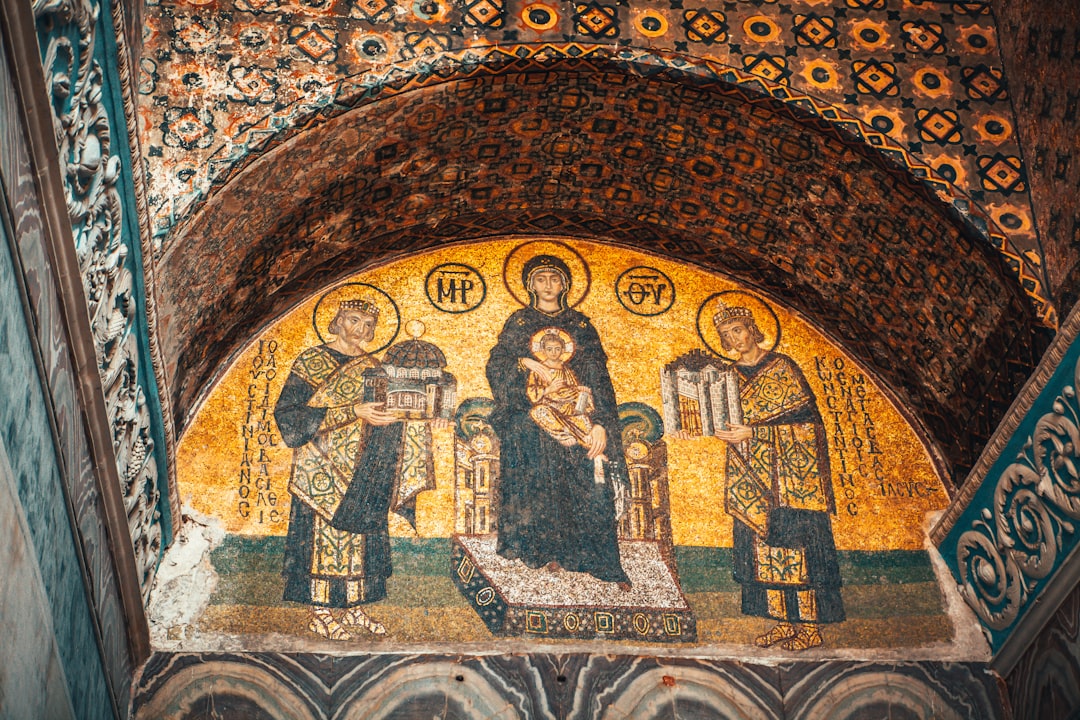
The Church of St. Panteleimon — Located on a hill above the city, this church is known for its 14th-century frescoes. The paintings are vibrant and expressive, with a style that is both Byzantine and local. The church is a popular spot for photographers, and the view from the top is spectacular. Entry fee is 4 EUR.
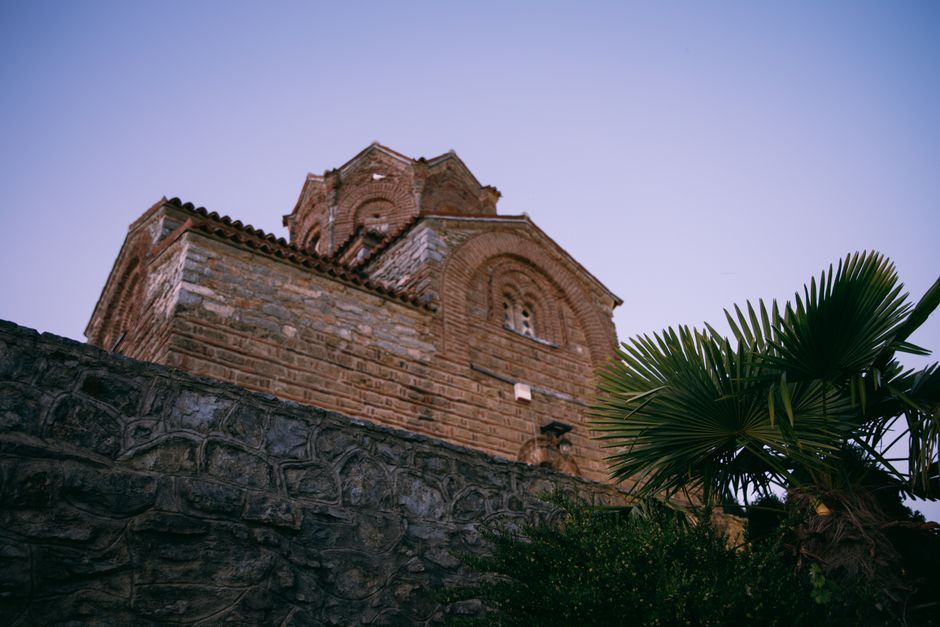
The Church of St. Nikola Orphanos — This small church is located in the old town of Ohrid, near the lake. The frescoes here are from the 14th century and are in excellent condition. They depict scenes from the life of St. Nicholas and are painted in a style that is both elegant and powerful. The church is open to visitors, and there is a small entry fee of 2 EUR.
What to Eat & Drink
You can't walk through centuries of art on an empty stomach. Ohrid's food scene is a mix of traditional Macedonian cuisine and modern influences. Start with ćevapi — grilled minced meat sausages served with somun bread and onions — for 3-4 EUR per serving. They're cheap, filling, and perfect for refueling between church visits. Pair them with šopska salata — a fresh salad of tomatoes, cucumbers, onions, and sirene cheese — for 3 EUR.
For a sit-down meal, head to one of the restaurants in the old town. A typical plate of tavče gravče — baked beans with pork and spices — costs around 8-12 EUR. It's hearty, flavorful, and a staple of Macedonian cuisine. If you're feeling adventurous, try pljeskavica — a large grilled meat patty — for 10-15 EUR. It's a Balkan classic and a must-try.
For budget travelers, there are plenty of street food options and food courts. A burek — a flaky pastry filled with meat, cheese, or spinach — costs 1-2 EUR and is perfect for a quick snack. There are also several bakeries and cafes in the old town where you can grab a pastry and a coffee for 2-3 EUR.
When it comes to drink, Ohrid is famous for its local wines. Try the Vranec red wine, which is produced in the region and pairs well with the local cuisine. A glass costs around 3-5 EUR. For a non-alcoholic option, go for a fresh fruit juice or a traditional Macedonian rakia — a strong fruit brandy — which is usually served as a digestif.
Nightlife
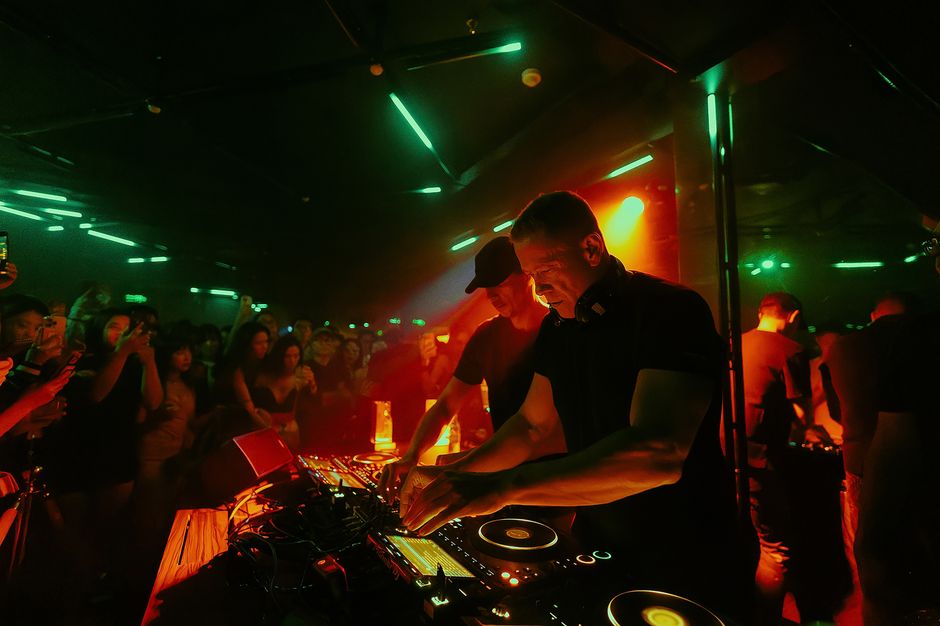
Ohrid's nightlife is more about atmosphere than raving. The main action is along the lakefront and in the old town, where bars and cafes spill out onto the cobblestone streets. Club 101 is a popular spot for younger crowds, with live music and a relaxed vibe. Cover charge is around 5 EUR. Bar Lake offers stunning views of the lake and is a great place to unwind after a day of sightseeing. Drinks here cost around 4-6 EUR.
For a more traditional experience, head to Ohrid Brewery, where you can sample local beers and enjoy live folk music. The atmosphere is lively, and the beer is excellent. A pint costs around 3-4 EUR. If you're looking for something more upscale, Hotel Makedonska Slava has a stylish bar with a terrace overlooking the lake. Cocktails here are around 8-10 EUR.
The nightlife in Ohrid is not about getting wild; it's about soaking in the atmosphere and enjoying the company of locals and travelers alike. The lake provides a stunning backdrop, and the night air is cool and refreshing. It's the perfect way to end a day of exploring Byzantine art.
Getting There & What to Expect
The nearest airport is Ohrid Airport (OHD), which has limited flights from European cities. Most travelers fly into Skopje Airport (SKP) and take a bus or train to Ohrid. The journey takes around 2.5 hours and costs 10-15 EUR. Buses run frequently, and the ride is scenic, passing through mountains and valleys. Taxis are also available but are more expensive, costing around 50-70 EUR from Skopje.
Once in Ohrid, the best way to get around is on foot. The old town is compact, and most of the churches and monasteries are within walking distance. For those who prefer to drive, there are parking areas near the lake, but traffic can be heavy in the summer months. Rental cars are available at the airport and in the city center, with prices starting at 30 EUR per day.
Accommodation in Ohrid ranges from budget hostels to luxury hotels. A bed in a hostel costs around 15-25 EUR per night, while a mid-range hotel room is around 50-80 EUR per night. Luxury hotels with lake views can cost 150-300 EUR per night. Camping is also an option, with several campsites around the lake charging 5-10 EUR per night.
The best time to visit Ohrid is from April to October, when the weather is warm and sunny. Summer can be crowded, so if you prefer a quieter experience, visit in the shoulder seasons of April-May or September-October. Winter is cold and snowy, but the lake takes on a mystical quality, and the churches are less crowded.
Search accommodation in Ohrid on Booking.com →
The Ghosts in the Gold Leaf
As I left the last church, the sun was setting, casting long shadows across the lake. The water was calm, reflecting the fading light like a mirror. I felt a strange sense of peace, as if the ghosts of the past had finally let me go. The frescoes of Ohrid are not just art; they are a testament to the human spirit, a reminder of our shared history and our enduring search for meaning. They are faded, cracked, and imperfect, but they are also beautiful, powerful, and alive. And in a world that is often chaotic and meaningless, that is a rare and precious thing.
I walked back to my hotel, my mind still filled with the images of saints and angels. The streets were quiet, and the air was cool. I knew I would carry these images with me for the rest of my life, a reminder of a place where the past and present collide, where art and faith intertwine, and where the ghosts of the past still walk among us. Ohrid is not just a destination; it's an experience, a pilgrimage, a journey into the heart of the Balkans. And it's one you won't soon forget.
Comments