



The anticipation surrounding the highly anticipated match between Canada and Bosnia and Herzegovina has reached a fever pitch as both nations prepare to face off in what promises to be a defining moment in the FIFA World Cup. This encounter is not merely a routine group stage game; it represents a collision of two distinct footballing philosophies and histories. For Canada, this is a chance to cement their status as a rising force in international football, while Bosnia and Herzegovina seeks to prove that their individual brilliance can translate into collective success on the biggest stage. The match matters immensely for both squads, as a victory could set the tone for their entire tournament campaign and boost national pride back home.
The stakes are particularly high for the Canadian side, known as the Canadians, who have been building momentum since their return to the World Cup after a 36-year absence. Under the guidance of their coaching staff, they have developed a resilient, organized system that relies on defensive solidity and quick transitions. For Bosnia and Herzegovina, the pressure is equally intense. Despite possessing a squad filled with talented players who compete in Europe's top leagues, they have struggled to find consistency in major tournaments. This match serves as a litmus test for their ability to perform under pressure and overcome their historical shortcomings in knockout stages.
Tactical Approaches and Key Players
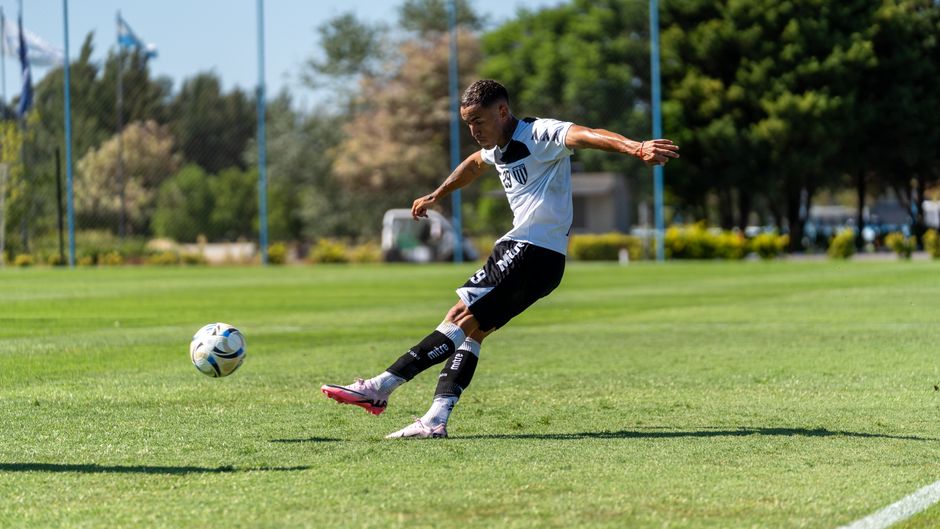
Canada's tactical setup is built around discipline and unity. The team often employs a compact defensive block, looking to absorb pressure and exploit spaces on the counter-attack. Key players like Alphonso Davies, who plays for Bayern Munich, provide immense speed and energy on the wing, capable of stretching defenses and creating opportunities from nothing. The midfield is anchored by players who prioritize ball recovery and distribution, ensuring that the team remains structured even when out of possession. This approach has allowed Canada to compete with stronger opponents in the past, and they will rely on this blueprint to disrupt Bosnia's rhythm.
In contrast, Bosnia and Herzegovina's strategy is heavily influenced by the individual quality of its players. The team features stars such as Edin Džeko, a veteran striker with extensive experience in the Premier League and Serie A, who can hold up the ball and create space for teammates. The midfield boasts creative talents who are comfortable in tight spaces and capable of dictating the tempo of the game. However, the Bosnian side has often been criticized for lacking cohesion, with players sometimes appearing more interested in individual displays than collective movement. The challenge for their coach will be to harness this talent into a unified force that can break down Canada's organized defense.
The battle in the midfield will likely be the deciding factor in this match. Canada's midfielders will need to work tirelessly to cut off passing lanes and prevent Bosnia's creative players from finding space. Meanwhile, Bosnia's midfield will look to dominate possession and control the flow of the game, using their technical ability to bypass Canada's defensive lines. The outcome of this midfield duel could determine which team has the upper hand and ultimately secures the three points.
Balkan Angle and Regional Significance
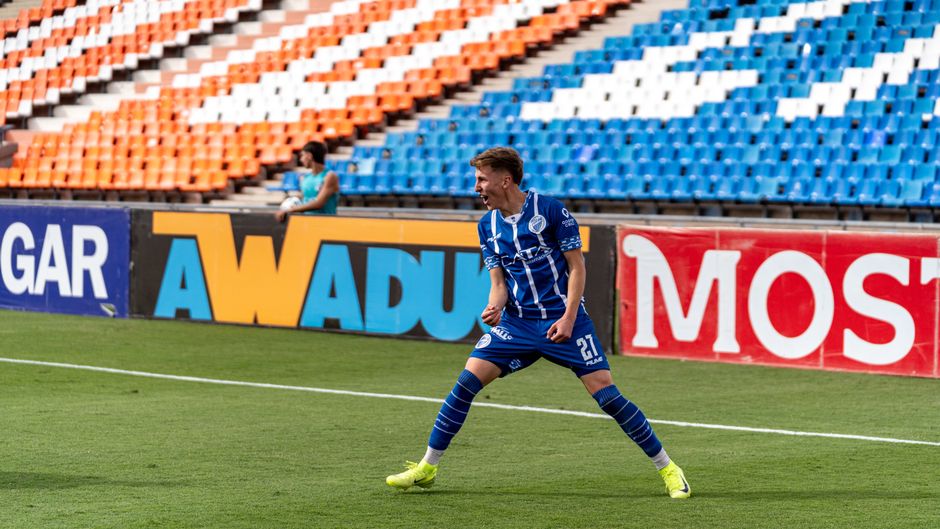
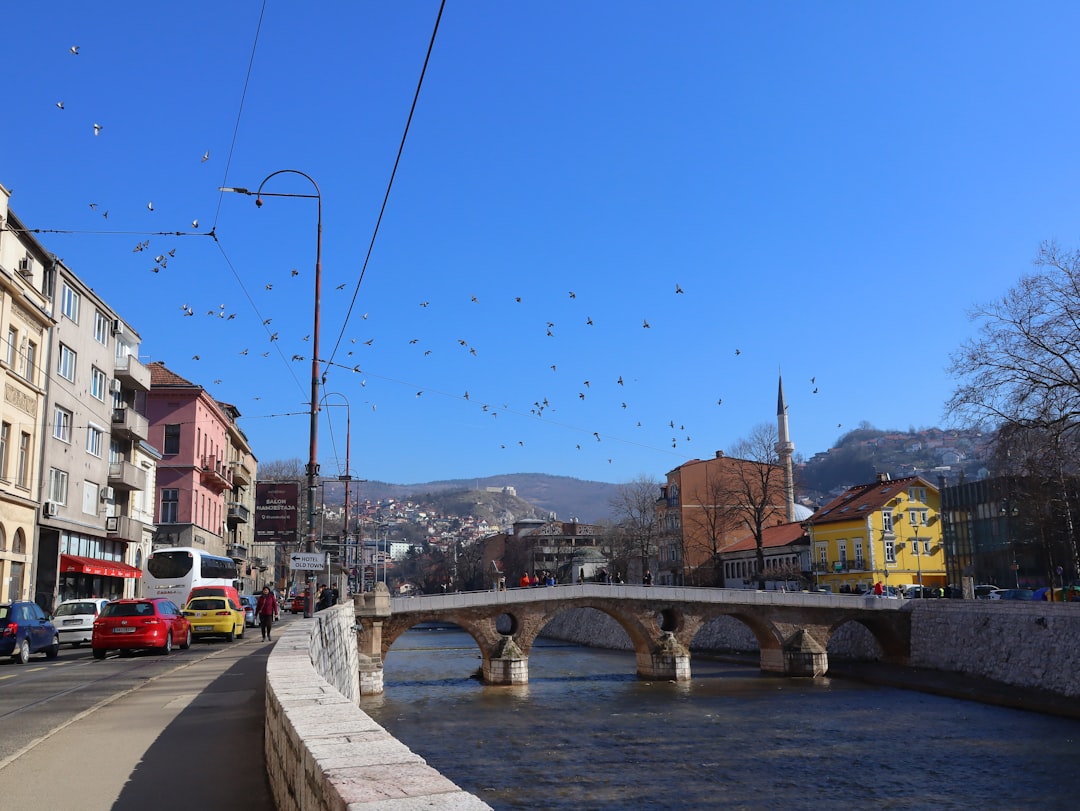
For audiences in the Balkans, particularly in Bosnia and Herzegovina, this match carries significant emotional weight. Football is a unifying force in the region, and the national team serves as a source of pride for a country that has faced considerable challenges in its recent history. The performance of the Bosnian squad is closely watched by fans across the region, who see the team as a symbol of resilience and hope. A strong showing against a tough opponent like Canada would be celebrated not just in Bosnia, but throughout the Balkans, where football passion runs deep.
The Balkan region has produced many talented footballers who have made their mark on the international stage, and Bosnia and Herzegovina is no exception. Players from the region have historically excelled in technical skills and tactical awareness, traits that are essential for success in modern football. The Bosnian team's ability to leverage these strengths against a physically robust and well-organized Canadian side will be a key point of interest for regional analysts and fans. The match also highlights the growing competitiveness of Balkan football, as teams from the region continue to challenge established powers in international competitions.
Moreover, the diaspora community from Bosnia and Herzegovina, which is substantial in countries like Canada, adds another layer of significance to this fixture. Many Bosnian immigrants in Canada have strong ties to their homeland and follow the national team's progress closely. This match provides an opportunity for these communities to engage with their cultural heritage and support their countrymen on the global stage. The shared excitement and anticipation create a unique atmosphere that transcends geographical boundaries, bringing people together through their love of the game.
As the match approaches, all eyes will be on how both teams execute their game plans and respond to the pressures of the moment. For Canada, a victory would solidify their reputation as a team to be reckoned with in international football. For Bosnia and Herzegovina, a win would be a statement of intent, demonstrating that they can compete with the best on their day. Regardless of the outcome, this fixture promises to be a thrilling contest that showcases the beauty and intensity of the World Cup. Fans around the world, and especially in the Balkans, will be watching closely to see which team rises to the occasion.

Comments