


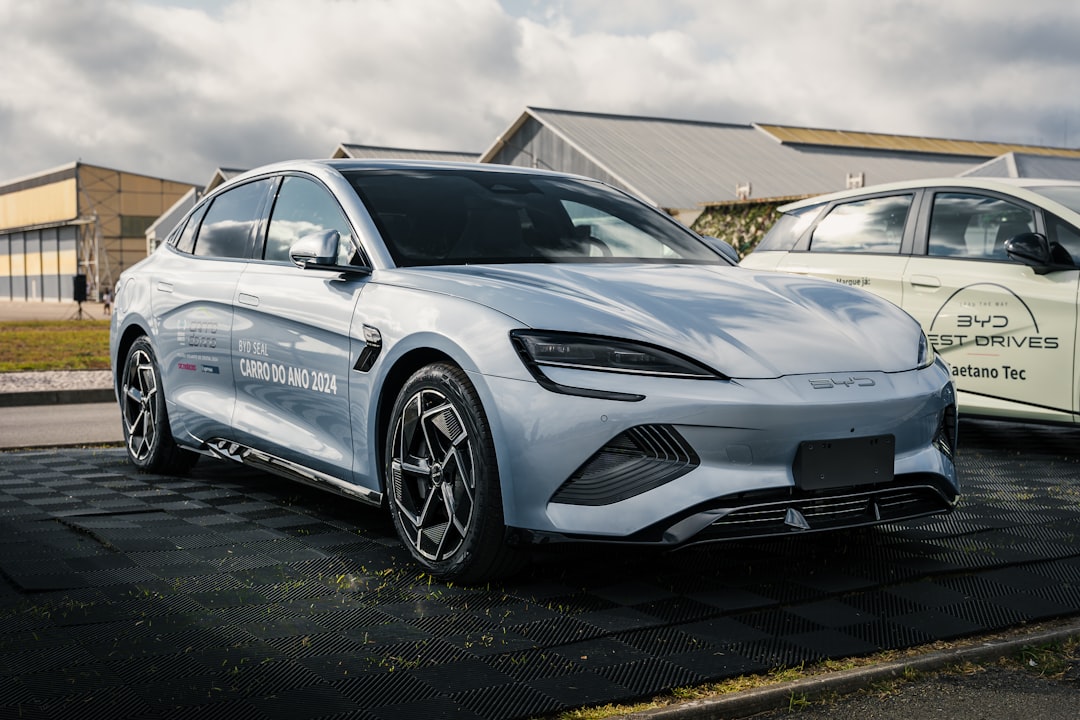
Chinese electric vehicle giant BYD has officially paused plans to construct a manufacturing facility in Turkey, citing unfavorable cost structures and the looming threat of European Union tariffs. This strategic retreat marks a significant shift for the Turkish automotive sector, which had aggressively courted Chinese investment to bolster its export capabilities. The decision sends shockwaves through the Balkans and the broader region, where Turkish industrial hubs have long served as a gateway for Asian manufacturers entering European markets. For investors and policymakers in Greece, Bulgaria, and Serbia, the halt signals that the era of unchecked Chinese automotive expansion into Europe may be facing new, formidable barriers.
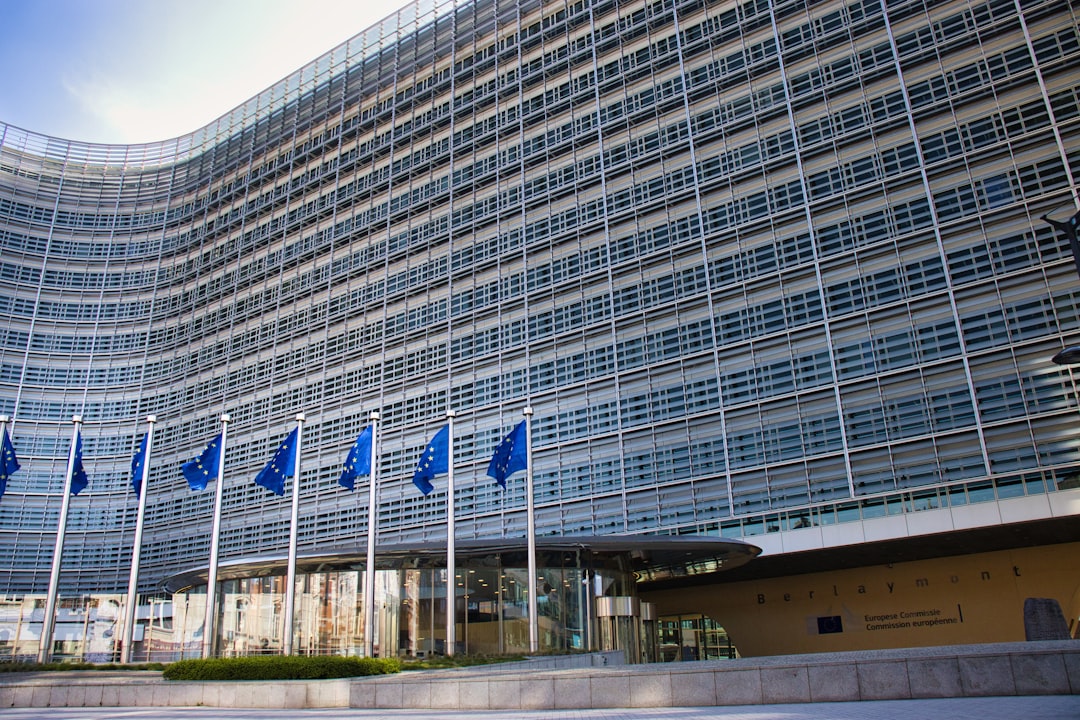
The announcement comes after months of negotiations between BYD executives and Turkish authorities. Initially, the deal was seen as a landmark agreement that would position Turkey as a major EV production hub. However, rising operational costs, currency fluctuations, and the European Commission’s recent imposition of provisional anti-subsidy tariffs on Chinese-made EVs have drastically altered the economic calculus. The European Union has determined that Chinese manufacturers benefit from unfair state subsidies, leading to tariffs that could make Turkish-produced BYD vehicles less competitive when exported to Europe. This geopolitical friction is reshaping the landscape for all Balkan nations hoping to attract similar foreign direct investment.
The Economic and Geopolitical Context
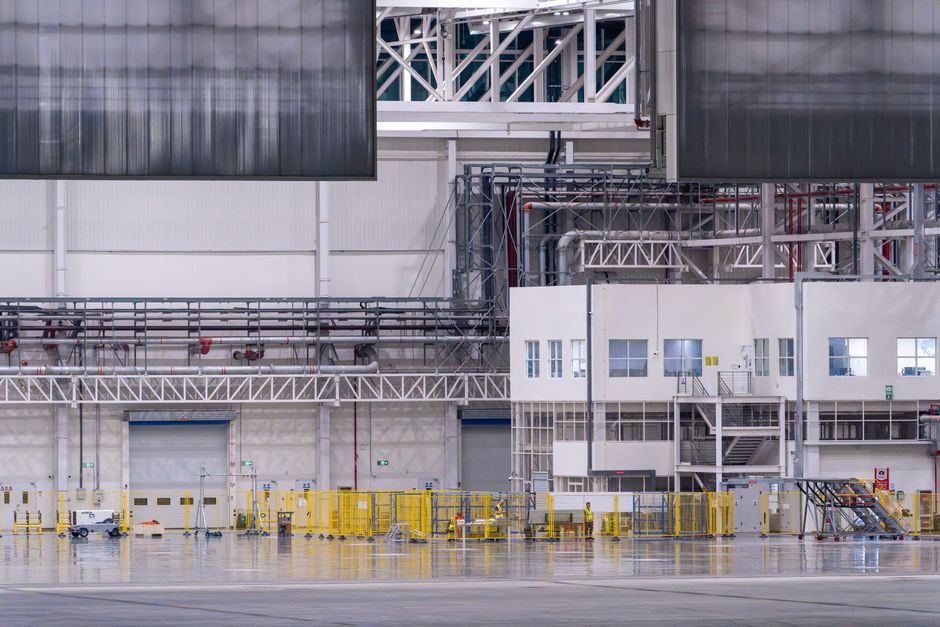
BYD, the world’s largest manufacturer of plug-in hybrid and electric vehicles, had identified Turkey as a strategic foothold to bypass EU trade barriers. By building a plant in Turkey, which has a customs union with the EU, BYD could theoretically export vehicles tariff-free to European consumers. However, the European Commission has clarified that rules of origin will be strictly enforced. If a significant portion of the vehicle’s value is derived from Chinese components, the EU may still apply tariffs, negating the primary benefit of the Turkish location. This regulatory uncertainty has forced BYD to reassess its global expansion strategy, prioritizing markets with clearer regulatory frameworks and lower production costs.
For Turkey, the implications are severe. The government had hoped to revive its struggling automotive sector by attracting Chinese capital, which could create thousands of jobs and modernize local supply chains. The pause in BYD’s investment plan highlights the vulnerability of emerging economies caught between major geopolitical powers. As the US and EU tighten their trade policies against China, countries like Turkey find themselves in a difficult position, balancing the desire for Chinese investment with the need to maintain access to European markets. This tension is likely to influence future negotiations with other Chinese automakers, including Geely and Samsung SDI, which have also shown interest in the region.
Impact on the Balkan Automotive Landscape
The ripple effects of BYD’s decision extend well beyond Turkey’s borders, impacting the broader Balkan region. Countries like Serbia, North Macedonia, and Greece have been actively competing for automotive investment, viewing the sector as a key driver of economic growth and technological advancement. Serbia, in particular, has successfully attracted investments from companies like Fiat and Hyundai, positioning itself as a regional automotive hub. The hesitation of Chinese giants to commit to large-scale manufacturing in Turkey may prompt Balkan governments to reassess their own investment strategies. They may now see an opportunity to offer more favorable terms to Chinese companies seeking alternative locations, or they may pivot towards strengthening ties with European and American manufacturers.
Moreover, the pause in BYD’s Turkish plans underscores the importance of supply chain resilience. Balkan nations are increasingly focused on developing local battery production and component manufacturing capabilities to reduce dependence on imports. The Balkan Green Deal initiatives in countries like Croatia and Slovenia emphasize sustainable industrial growth, which could align with the long-term goals of EV manufacturers. However, without clear regulatory certainty and competitive cost structures, attracting major players like BYD remains a challenge. The region must now demonstrate that it can offer a stable, transparent, and cost-effective environment for high-tech manufacturing, differentiating itself from other emerging markets.
What’s Next for Regional Investors and Consumers
Looking ahead, the automotive sector in the Balkans faces a period of uncertainty and potential realignment. Investors should monitor how other Chinese EV manufacturers respond to the EU’s tariff regime. Some may choose to delay investments, while others might seek partnerships with local companies to mitigate risks. For Balkan governments, this is a critical moment to enhance their value proposition by improving infrastructure, streamlining regulatory processes, and offering targeted incentives for green technology investments. The competition for automotive FDI is intensifying, and nations that can provide a clear, stable path to market will likely emerge as winners.
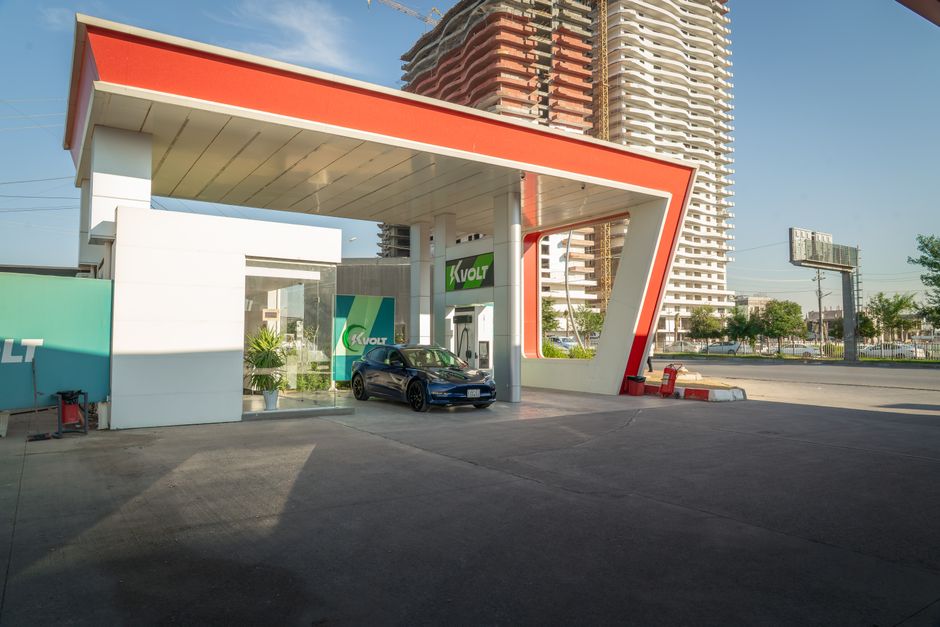
For consumers, the short-term impact may be limited, as the availability of EVs in the region is more likely to be driven by import policies than local production. However, in the long run, the location of manufacturing hubs will influence prices, model availability, and after-sales service networks. If BYD or other Chinese brands establish production in the Balkans, it could lead to more affordable EV options for local buyers. Conversely, if production remains concentrated in China or shifts to other regions, consumers may face higher prices due to tariffs and logistics costs. The coming months will be pivotal in determining the future shape of the Balkan automotive industry, with significant implications for economic development, employment, and environmental sustainability.



Comments