


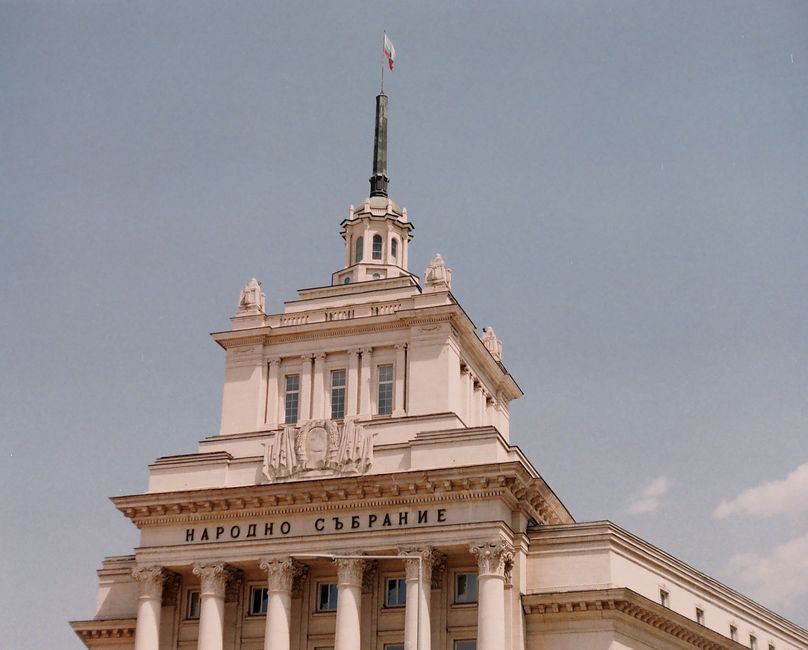
The National Assembly of Bulgaria has officially resumed its parliamentary session, marking a critical juncture for the country’s political stability and legislative agenda. As the unicameral legislature of the Republic of Bulgaria, the National Assembly is tasked with passing laws, approving the national budget, and overseeing the executive branch. This reopening comes amidst heightened public interest, driven by upcoming European Union reforms, domestic economic pressures, and the need to finalize key judicial appointments. For Balkan audiences, the proceedings in Sofia are significant not only for Bulgaria’s internal governance but also for its alignment with broader regional and EU policies. The session’s focus on anti-corruption measures and economic recovery resonates across the Balkans, where similar challenges persist in neighboring states like Serbia and Romania.
Legislative Agenda and Political Dynamics
The current parliamentary session is dominated by a tight legislative schedule aimed at addressing Bulgaria’s EU accession criteria to the Acquis chapters on judiciary and fundamental rights. Lawmakers from the ruling coalition and opposition parties are locked in debates over proposed amendments to the Bulgarian Constitution, particularly regarding the appointment of prosecutors and judges. These reforms are seen as essential for unlocking further EU funding and strengthening institutional trust. The political landscape remains fragmented, with multiple parties vying for influence, which has slowed consensus-building. However, the pressure from Brussels and domestic civil society groups has forced a pragmatic approach, with key bills expected to pass in the coming weeks.
Opposition leaders have criticized the government’s pace of reform, arguing that certain provisions lack transparency. Meanwhile, the ruling coalition defends its actions as necessary steps toward modernization and European integration. The session also includes discussions on the state budget for the upcoming fiscal year, which prioritizes infrastructure development and social welfare programs. This budgetary debate is crucial for maintaining public services and stimulating economic growth, especially in rural areas that have historically lagged behind urban centers like Sofia and Plovdiv. The outcome of these discussions will shape Bulgaria’s economic trajectory for the next several years.

Balkan Context and Regional Implications
Bulgaria’s parliamentary developments do not occur in isolation; they are part of a broader regional trend where Balkan nations are navigating complex political and economic landscapes. The National Assembly’s focus on judicial reform mirrors efforts in Romania and Serbia, where similar challenges regarding rule of law and anti-corruption measures are under scrutiny. For the Balkan audience, Bulgaria’s progress serves as a benchmark for regional stability and EU integration. Success in Sofia could encourage neighboring countries to accelerate their own reforms, fostering a more cohesive and prosperous Balkan region.
Moreover, Bulgaria’s role as an EU member state positions it as a bridge between the European Union and non-EU Balkan countries. The legislative decisions made in the National Assembly will influence cross-border cooperation, trade agreements, and security policies. For instance, reforms in energy infrastructure and digital governance could facilitate better connectivity with Greece, North Macedonia, and Turkey. This regional perspective is vital for understanding the wider implications of Bulgarian politics, as it affects migration flows, economic partnerships, and security collaboration across the Balkans.

What to Watch Next
As the National Assembly continues its session, attention will remain on the passage of key judicial reform bills and the finalization of the state budget. Observers will also monitor the level of political consensus and any potential vetoes from the President of Bulgaria, who holds significant constitutional powers. The upcoming EU summit on Balkan affairs will further amplify the importance of these legislative outcomes, as EU officials assess Bulgaria’s progress toward full compliance with the Acquis. For readers in the Balkans and beyond, these developments offer a window into the complexities of modern governance and the ongoing journey toward European integration. Staying informed about these proceedings is essential for understanding the future trajectory of Bulgaria and its role in the broader Balkan context.



Comments