


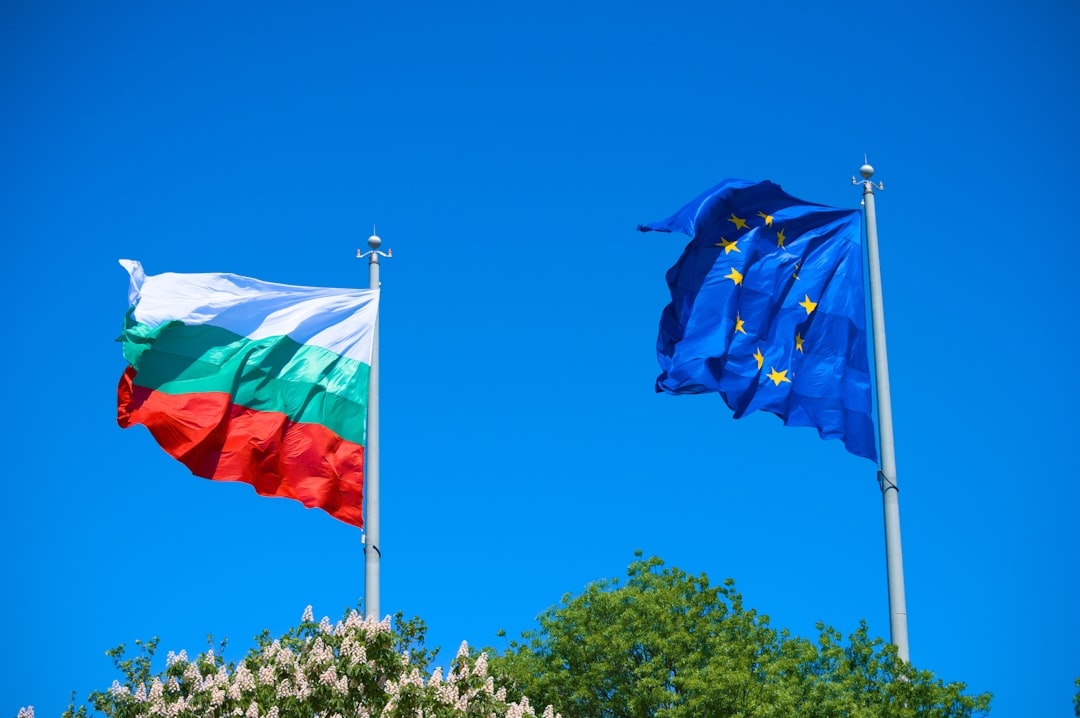
The search term "българско гражданство" (Bulgarian citizenship) has dominated online trends across Bulgaria this week, reflecting a significant shift in the country’s migration landscape. Thousands of individuals are navigating a newly complex legal framework introduced by the Bulgarian government to curb naturalization fraud and ensure that new citizens have genuine ties to the nation. The trend underscores a broader regional phenomenon where Balkan countries are tightening their immigration policies in response to security concerns and pressure from European Union partners. For applicants, the implications are immediate: longer processing times, stricter documentation requirements, and a higher bar for proving ethnic or familial connections to Bulgaria.
This surge in interest coincides with recent amendments to the Bulgarian Citizenship Act, which aim to close loopholes previously exploited by individuals seeking EU passports without residing in or contributing to Bulgarian society. The government has stated that the changes are necessary to protect national security and maintain the integrity of the naturalization process. As a result, many applicants who previously relied on simplified procedures based on distant ancestry are now facing rejections or demands for additional evidence. The trend highlights the tension between Bulgaria’s historical diaspora and its modern administrative realities.

Background and Legal Changes
The recent amendments to the Bulgarian Citizenship Act represent one of the most significant overhauls of naturalization policy in the country’s post-communist history. Previously, individuals with Bulgarian grandparents could apply for citizenship through a simplified procedure, often without needing to demonstrate language proficiency or physical presence in the country. This pathway became a popular route for acquiring European Union citizenship, attracting thousands of applicants from neighboring Balkan states and beyond. However, authorities identified instances of fraudulent documentation and "paper citizenships," where applicants lacked genuine connections to Bulgaria.
In response, the Bulgarian Parliament passed new regulations requiring applicants to prove a direct and continuous link to the country. This includes demonstrating proficiency in the Bulgarian language, passing a test on Bulgarian history and culture, and providing verifiable proof of residence or active participation in Bulgarian society. The Citizenship of Bulgaria framework now emphasizes integration over ancestry alone. These changes have created a bottleneck in the administrative system, leading to delays that have frustrated many legitimate applicants who are part of the Bulgarian diaspora and have genuine family roots in the region.
The government argues that these measures align Bulgaria with best practices in other EU member states, such as Romania, which has also faced scrutiny over its citizenship-by-investment and ancestry-based programs. By raising the threshold for naturalization, Sofia aims to signal to Brussels that it is taking a firm stance against irregular migration and passport fraud. This shift has sparked debate among legal experts and diaspora organizations, who worry that overly strict rules may alienate ethnic Bulgarians living abroad who wish to reclaim their heritage.

Impact on the Balkan Region
The tightening of Bulgarian citizenship rules has ripple effects throughout the Balkans, where ethnic ties often cross modern borders. Significant populations of ethnic Bulgarians live in North Macedonia, Serbia, Romania, and Kosovo. For these communities, the ability to obtain Bulgarian citizenship has long been a tool for economic mobility and access to EU freedoms. The new restrictions force many to re-evaluate their options, with some turning to dual citizenship agreements or focusing on residency permits instead of full naturalization.
Neighboring countries are watching closely, as Bulgaria’s policy shift may influence regional migration patterns. Romania, which shares similar historical ties with its diaspora, has also been reviewing its citizenship laws to prevent abuse. Meanwhile, Serbia and Bosnia and Herzegovina continue to grapple with their own complex ethnic demographics and citizenship issues. The Bulgarian model could serve as a benchmark for other Balkan nations seeking to balance diaspora engagement with national security concerns. This dynamic adds another layer to the region’s ongoing efforts to harmonize with EU standards.
For individuals directly affected, the process has become more bureaucratic and expensive. Legal fees, translation costs, and travel expenses for document verification have increased significantly. Many applicants report spending months gathering archival records from Soviet-era documents to prove their lineage. This administrative burden disproportionately affects older generations and those with limited financial resources. The trend of searching for "българско гражданство" reflects not just curiosity, but a desperate need for clarity in an increasingly opaque system.

What to Watch Next
As the new regulations take full effect, attention will turn to the implementation phase and potential legal challenges. Diaspora groups and human rights organizations may file lawsuits arguing that the new rules violate the rights of ethnic Bulgarians to reclaim their citizenship. The Bulgarian government will likely face pressure to provide clear guidelines and expedite legitimate applications while maintaining strict fraud controls. The outcome of these early cases will set precedents for how the law is applied in the future.
International observers will also monitor whether these changes improve Bulgaria’s standing with EU institutions. If the measures successfully reduce fraud without causing widespread injustice, they could be viewed as a model for other member states. However, if processing delays become excessive or if legitimate applicants are unfairly rejected, it could lead to political backlash both domestically and within the EU. The next few months will be critical in determining whether the new policy achieves its intended balance.
For readers and potential applicants, staying informed about official updates from the Ministry of Interior is essential. The landscape of Bulgarian citizenship is evolving rapidly, and those seeking to navigate it must be prepared for a more rigorous and demanding process. The trend of searching for this topic will likely persist until a new equilibrium is established between state security and diaspora rights.


Comments