



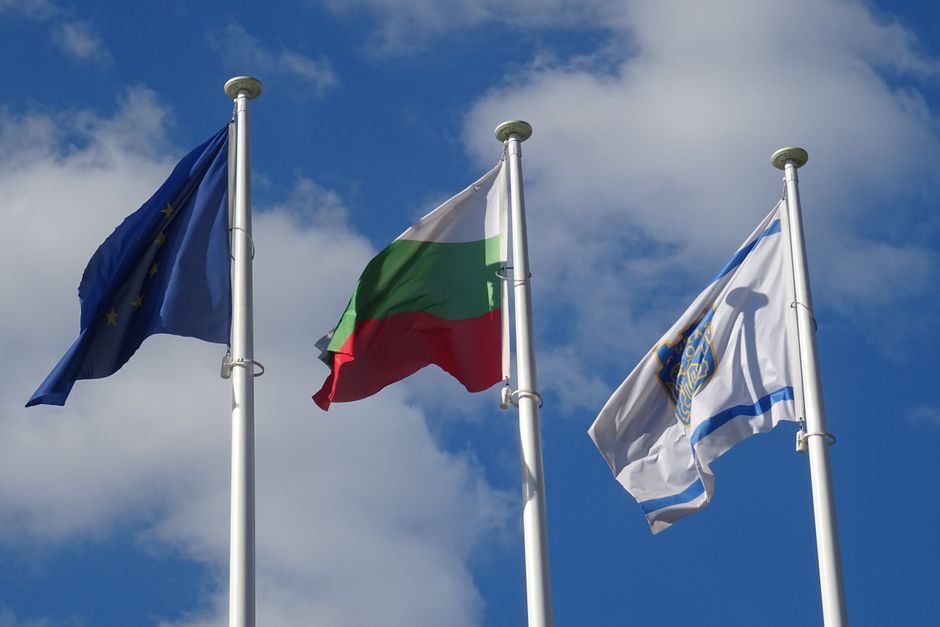
Bulgaria has emerged as a focal point in the European Union's ongoing effort to dismantle citizenship-by-investment programs, commonly referred to as "golden passports." As of mid-2026, the Balkan nation is finalizing comprehensive legislative reforms designed to align its nationality laws with stricter EU standards, effectively ending the ability for foreign investors to purchase Bulgarian citizenship through real estate or capital contributions. This shift represents a significant turning point for the country, which once attracted thousands of applicants from Asia, the Middle East, and the Americas seeking EU mobility. The move impacts not only current applicants but also the broader Balkan region, where neighboring countries like Romania and Croatia are reviewing their own migration and integration policies in response to Brussels' pressure.
The trend surrounding Bulgarian citizenship has intensified due to recent parliamentary debates and public discourse regarding national security and the integrity of EU borders. Critics argue that the previous system allowed individuals with questionable backgrounds to bypass standard vetting processes, while proponents had long championed the program as a vital source of foreign direct investment. With the new regulations taking effect, the narrative has shifted from economic gain to regulatory compliance. International observers are closely watching Sofia's implementation strategy, as it serves as a test case for other EU member states grappling with similar legislative overhauls. For Balkan audiences, this transition signals a maturation of Bulgaria's role within the Union, emphasizing rule of law over rapid financial influx.

The End of the Golden Passport Era
For over a decade, Bulgaria's citizenship-by-investment scheme was one of the most accessible pathways to EU membership for non-EU nationals. The program allowed applicants to obtain citizenship by purchasing real estate valued at least €500,000 or by making a substantial donation to the state budget. This policy was particularly popular among investors from countries with less stable political environments or those seeking to diversify their assets within the European single market. However, the European Commission issued a formal recommendation in recent years urging Bulgaria to suspend the program, citing concerns about money laundering, terrorism financing, and the erosion of mutual trust among member states.
The legislative changes now being enacted in Bulgaria directly address these EU concerns by removing the direct link between financial investment and citizenship acquisition. Under the new framework, applicants must demonstrate a deeper integration into Bulgarian society, including longer residency periods, proficiency in the Bulgarian language, and a clean criminal record. The government has also introduced enhanced due diligence measures, requiring thorough background checks by state security services before any citizenship grant is approved. These reforms aim to restore confidence in the Bulgarian nationality system and ensure that new citizens are genuinely committed to living in and contributing to the country, rather than merely holding a passport for convenience.
Impact on Balkan Migration and Regional Dynamics
The tightening of citizenship rules in Bulgaria has immediate implications for migration patterns across the Balkans. Historically, Bulgaria served as a gateway for individuals seeking EU residency, which in turn influenced real estate markets in coastal areas like Sunny Beach and Varna. With the golden passport route closed, demand for investment-grade properties may shift toward long-term rental markets or alternative residency permits that do not confer citizenship. This transition could stabilize housing prices in tourist hubs but may also reduce the volume of foreign capital flowing into the Bulgarian economy. Neighboring countries, including Romania and Greece, are monitoring this shift closely, as they too face pressure to reform their own investment migration schemes.
Furthermore, the policy change affects the demographic landscape of the region. Many applicants under the previous system were from the Balkans' diaspora, particularly ethnic Bulgarians living abroad who sought to reclaim their heritage. The new laws aim to facilitate this process through simplified procedures for ethnic compatriots, distinguishing them from pure financial investors. This distinction is crucial for maintaining cultural ties and encouraging return migration, which supports labor markets in sectors facing shortages. For the broader Balkan audience, this highlights a nuanced approach to citizenship that balances economic interests with cultural preservation and security imperatives.

What to Watch Next
As Bulgaria implements these new citizenship regulations, the international community will be observing how effectively the government can manage the transition without causing legal limbo for existing applicants. The European Commission is expected to issue a follow-up assessment later in 2026, which could influence whether Bulgaria faces any temporary restrictions in EU decision-making bodies. Investors who had previously relied on the golden passport route are now exploring alternative options, such as permanent residency permits or citizenship programs in non-EU countries. This shift may lead to a realignment of global capital flows, with potential benefits for other jurisdictions seeking to attract foreign investment.
For readers in the Balkans and beyond, the evolution of Bulgaria's citizenship policy offers a broader lesson on the intersection of national sovereignty, economic strategy, and European integration. The closure of the golden passport program marks the end of an era defined by quick financial gains and the beginning of a new chapter focused on sustainable development and regulatory integrity. Keeping an eye on parliamentary updates and official government announcements will be essential for understanding how these changes will reshape Bulgaria's role in the EU and its appeal to international residents.


Comments