


The closure of the **Maritsa East 2** coal-fired power plant in Bulgaria has ignited a fierce political and economic debate across the Balkans, raising urgent questions about energy security, inflation, and the region's transition to renewable sources. As one of the largest power stations in Southeast Europe, the facility's shutdown—part of a broader EU-mandated phase-out of coal—has triggered immediate spikes in electricity prices and sparked fears of supply shortages. For households and industries across Bulgaria and neighboring countries, the move represents a stark trade-off between climate goals and economic stability. With winter approaching and regional energy grids tightly interconnected, the ripple effects of this decision extend far beyond Bulgaria's borders, affecting Romania, Serbia, and North Macedonia, which rely on cross-border energy exchanges to maintain grid balance.
The European Commission’s push to eliminate coal dependency by 2030 has forced member states to accelerate their transitions, but critics argue that the timeline ignores local realities. Bulgaria, heavily reliant on domestic coal for over 40% of its power generation, faces a unique challenge: replacing massive baseload capacity without viable alternatives in place. The shutdown of Maritsa East 2 is not an isolated incident but part of a coordinated effort involving other major plants like Maritsa East 1 and Gorna Oryahovitsa. This megareform, as described by energy analysts, aims to align Bulgaria with European Green Deal targets, yet it has left the country vulnerable to market volatility. As global gas prices fluctuate and renewable infrastructure lags behind, the immediate consequence is higher bills for consumers and increased operational costs for manufacturers.
The Mechanics of the Megareform and Grid Vulnerability
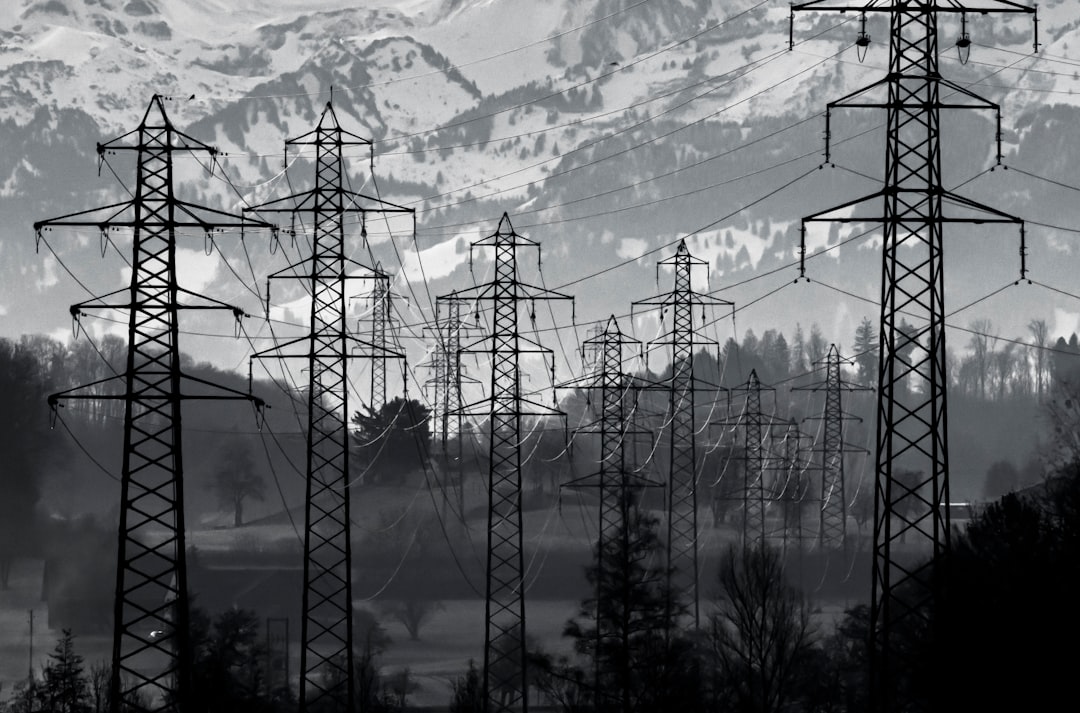
The so-called "megareform" in Bulgaria’s energy sector involves the rapid decommissioning of coal assets while simultaneously attempting to scale up wind, solar, and gas-fired generation. However, the transition has been uneven. According to recent reports from Capital.bg, the government’s strategy has prioritized political compliance over technical readiness. The loss of Maritsa East 2’s 1,300-megawatt capacity creates a significant deficit that cannot be immediately offset by intermittent renewables. While gas plants can ramp up quickly, Bulgaria’s limited storage infrastructure and dependence on imported fuels make this solution expensive and geopolitically sensitive. The grid operator, ESO EAD, has warned that frequency stability could be compromised during peak demand periods, necessitating emergency imports from neighboring countries.
This vulnerability is exacerbated by the interconnected nature of the Balkan power grid. Bulgaria exports surplus energy to Greece and imports from Romania and Serbia during deficits. The shutdown of Maritsa East 2 disrupts this delicate balance, forcing neighbors to adjust their own generation mixes. Romania, for instance, has seen increased demand for its nuclear and hydroelectric output, while Serbia has had to rely more heavily on its own coal reserves. The regional impact is compounded by the fact that many Balkan states are still developing their smart grid technologies, making real-time adjustments difficult. As a result, the price of electricity on the Balkan Energy Exchange has surged, affecting not just industrial consumers but also household budgets across the region.
Social Unrest and the Human Cost of Transition
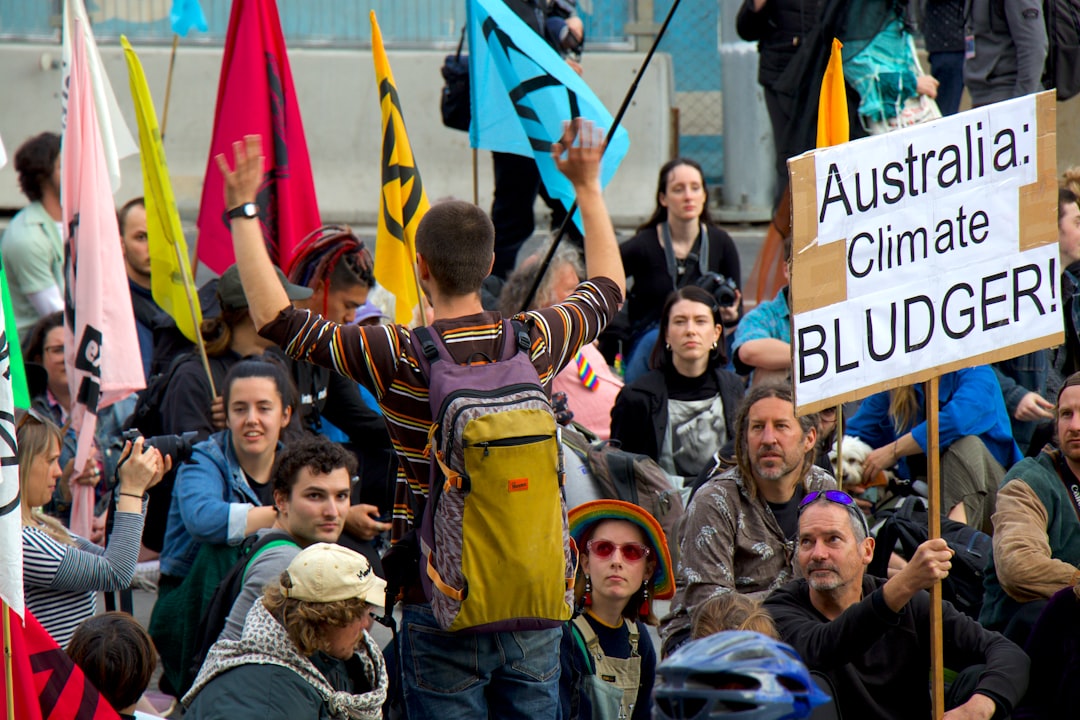
Beyond the technical and economic dimensions, the shutdown of Maritsa East 2 has profound social implications. The plant employed thousands of workers in the Razgrad region, a historically depressed area with limited alternative job opportunities. The sudden loss of these jobs has fueled protests and political backlash, with opposition parties accusing the government of abandoning working-class communities in favor of abstract environmental goals. Trade unions have organized strikes, demanding comprehensive retraining programs and financial compensation for affected employees. The situation mirrors similar unrest in other coal-dependent regions across Europe, such as the Rhineland in Germany and the Silesian region in Poland, where just transition policies have been criticized as inadequate.
The social unrest is further intensified by the immediate impact on living costs. Electricity prices in Bulgaria have risen by nearly 30% since the announcement of the shutdown, placing a heavy burden on low-income households. For many families, the choice between heating their homes and paying for basic necessities has become a daily struggle. This economic pressure has eroded public support for the government’s environmental agenda, with polls showing a significant decline in approval ratings. The disconnect between Brussels’ climate ambitions and the lived experiences of Bulgarian citizens has created a political flashpoint that could influence upcoming elections. As the government struggles to implement social safety nets, the risk of prolonged instability remains high, threatening to derail the very transition it seeks to achieve.
Regional Implications and Future Outlook
The closure of Maritsa East 2 serves as a cautionary tale for other Balkan nations grappling with their own energy transitions. Serbia, which relies heavily on coal for over 70% of its power, faces similar pressures from the EU to reduce emissions. However, Belgrade has resisted rapid phase-outs, citing economic and social concerns. The Bulgarian experience may embolden Serbian policymakers to resist external pressure, potentially slowing the region’s overall progress toward decarbonization. Meanwhile, Romania, with its more diversified energy mix, is better positioned to absorb shocks, but it too must navigate the complexities of balancing grid stability with environmental commitments. The interconnectedness of the Balkan energy market means that decisions in one country inevitably affect its neighbors, creating a domino effect that requires coordinated regional strategies.
Looking ahead, the key to mitigating the crisis lies in accelerated investment in renewable infrastructure and grid modernization. The European Union’s RepowerEU plan offers funding opportunities, but bureaucratic delays and local resistance have slowed implementation. For Bulgaria to stabilize its energy sector, it must prioritize large-scale battery storage, interconnector projects, and diversified renewable sources. Additionally, a robust just transition framework is essential to address the social fallout of coal phase-outs. Without these measures, the region risks prolonged energy insecurity, economic stagnation, and political instability. The coming months will be critical in determining whether the Balkans can navigate this transition successfully or if the closure of Maritsa East 2 will become a symbol of failed policy.
As winter approaches, the spotlight remains on how governments will manage the immediate energy shortfall while laying the groundwork for a sustainable future. The stakes are high, not just for Bulgaria, but for the entire Balkan region. Consumers, industries, and policymakers must remain vigilant, as the outcome of this crisis will shape the energy landscape of Southeast Europe for decades to come. The question is no longer whether the transition will happen, but whether it can be managed in a way that ensures both environmental integrity and social justice.



Comments