


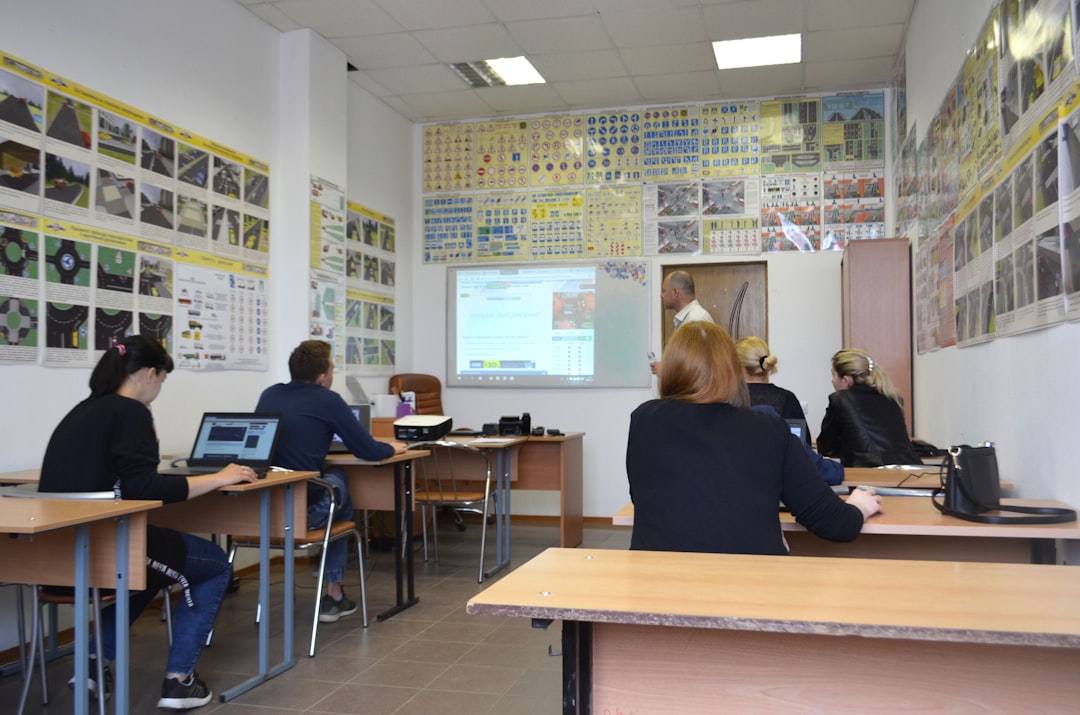
The position of Minister of Education in Bulgaria has become the center of intense political scrutiny following recent developments regarding the national school calendar and proposed educational reforms. The Ministry of Education and Youth is currently navigating a period of significant instability, with public opinion and parliamentary opposition demanding greater transparency and accountability. The recent news cycle has focused heavily on the actions of Deputy Minister Tanya Pancheva, who has been tasked with presenting critical information to the public and parliament regarding the upcoming academic year. This situation highlights the broader challenges facing the Bulgarian government as it attempts to modernize the education system while managing political pressures and public expectations.
The controversy stems from disagreements over the structure of the school year, including the timing of holidays and the implementation of new curriculum standards. Critics argue that the current administration has failed to provide a clear and consistent plan, leading to confusion among parents, teachers, and students. The role of the Minister of Education is therefore under the spotlight, as decisions made at the highest level directly impact the daily lives of millions of Bulgarians. The involvement of Deputy Minister Pancheva signals an attempt to clarify the government's stance and address the growing concerns from various stakeholders in the education sector.

Background of the Educational Crisis
Bulgaria's education system has faced long-standing challenges, including outdated infrastructure, insufficient funding, and a brain drain of skilled teachers. The education system in Bulgaria is structured to provide free compulsory education for children aged 6 to 16, but recent years have seen a decline in quality and accessibility. The current government, led by Prime Minister Nikolai Denkov, has promised to address these issues through a series of reforms aimed at improving teacher salaries, updating curriculum content, and investing in school infrastructure. However, the implementation of these reforms has been slow and fraught with difficulties.
The recent focus on the Minister of Education is part of a larger political narrative involving the coalition government's ability to deliver on its promises. The Ministry of Education and Youth has been criticized for its lack of communication and transparency, leading to a loss of trust among the public. The appointment of Deputy Minister Tanya Pancheva to present information on the school calendar is seen as a move to regain control of the narrative and demonstrate the government's commitment to resolving the ongoing issues. This context is essential for understanding the significance of the current events and the potential impact on Bulgaria's future.
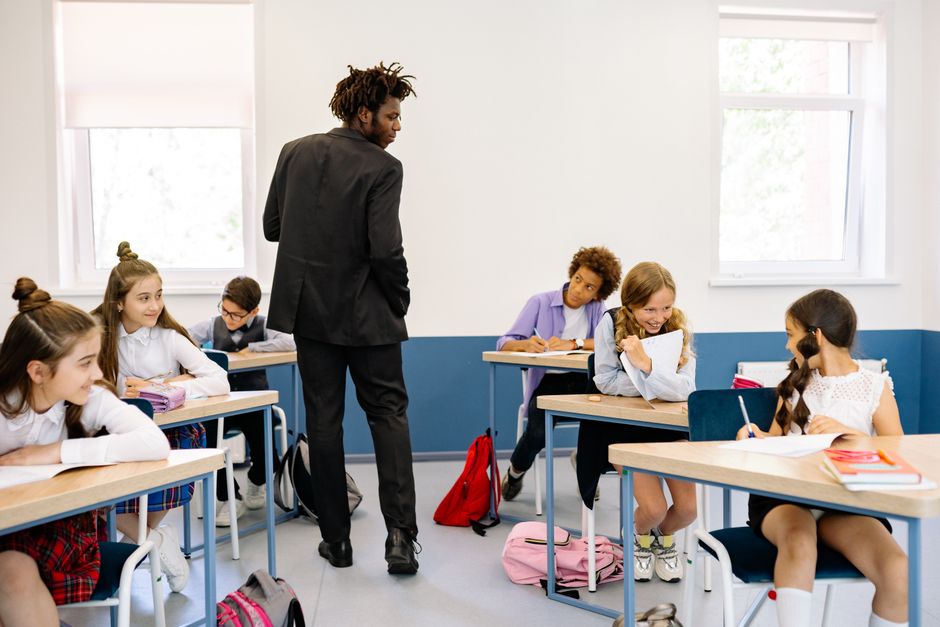
Significance of the School Calendar Debate
The debate over the school calendar is not merely a logistical issue but a reflection of deeper societal concerns about the value of education in Bulgaria. Parents and teachers are demanding a schedule that balances academic rigor with adequate rest and leisure time for students. The proposed changes include adjustments to the start and end dates of the school year, as well as the distribution of holidays throughout the year. These changes are intended to improve student performance and well-being, but they have also sparked controversy due to their potential impact on tourism and family planning.
The role of the Minister of Education in this debate is critical, as the final decision on the school calendar will set the tone for the entire academic year. The government's ability to navigate this controversy successfully will be seen as a test of its competence and commitment to its citizens. The involvement of Deputy Minister Pancheva is significant, as she will be the face of the government's response to the public's concerns. Her presentation of information will be closely watched by the media, opposition parties, and the general public, who are all eager to see how the government plans to address the issues at hand.
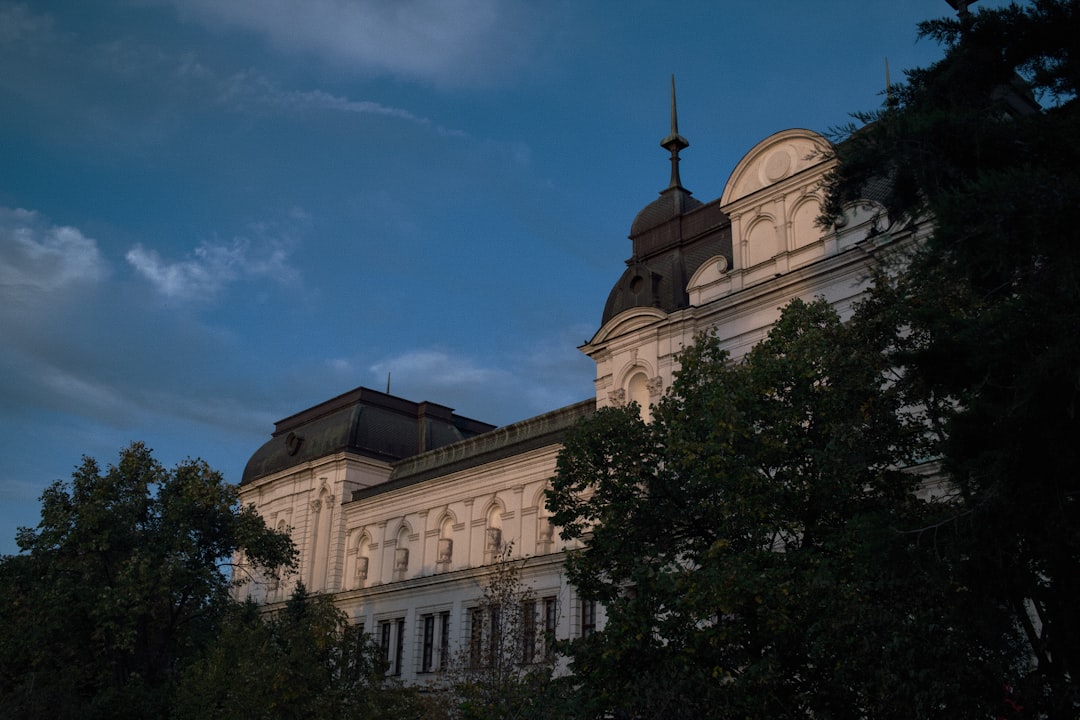
Balkan Context and Regional Implications
The situation in Bulgaria is not isolated but part of a broader trend in the Balkans, where education systems are undergoing significant changes. Neighboring countries such as Romania, Serbia, and Greece are also grappling with similar challenges, including funding shortages, teacher shortages, and the need for curriculum modernization. The Bulgarian experience offers valuable lessons for other Balkan countries, as it highlights the importance of effective communication, stakeholder engagement, and political will in driving educational reform.
The Minister of Education in Bulgaria is operating in a complex political environment, where the stakes are high and the margin for error is small. The outcome of the current debate will have implications for the entire region, as it will influence the direction of educational policy in the Balkans. The government's ability to deliver on its promises and address the concerns of the public will be closely monitored by regional observers and international partners. The situation in Bulgaria serves as a reminder of the importance of education as a driver of social and economic development, and the need for sustained investment and reform in this critical sector.
As the academic year approaches, all eyes will be on the Ministry of Education and Youth to see how it resolves the ongoing controversies. The decisions made in the coming weeks will have a lasting impact on Bulgaria's education system and its future generations. The public will be watching closely to see if the government can deliver on its promises and provide a high-quality education system that meets the needs of all students. The outcome of this process will be a testament to the government's ability to govern effectively and serve the interests of its citizens.


Comments