


A Historic Gathering in Sofia
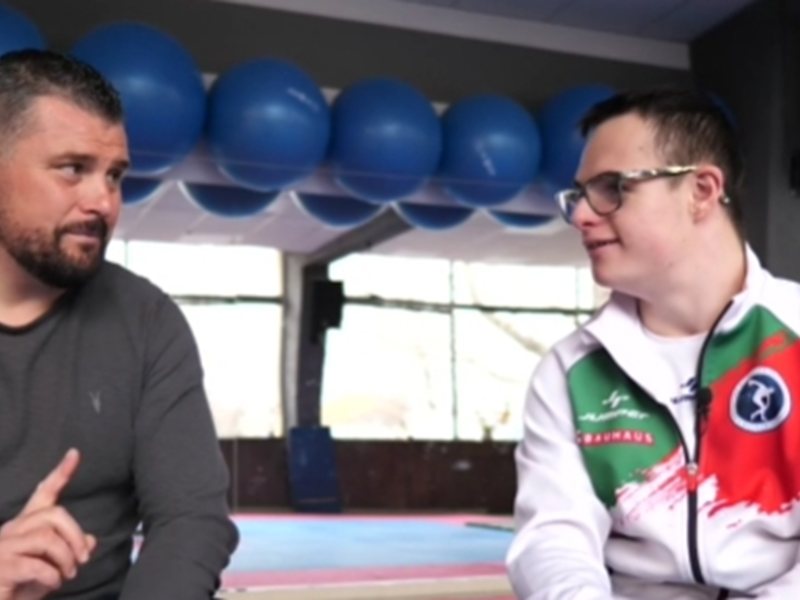
From June 13 to 19, Bulgaria will host the first-ever Special Olympics World Games specifically for athletes with Down Syndrome. Organized under the umbrella of the Federation for Adapted Physical Activity, the event brings together hundreds of competitors from around the globe. This landmark tournament aims to shift the narrative surrounding disability, proving that true championship is defined not just by medals, but by the courage to pursue dreams against all odds.
Alexander Asenov’s Journey
Alexander Asenov stands as one of the top track and field athletes with Down Syndrome, but his path to the podium was fraught with peril. Five years ago, a diving accident resulted in a fractured cervical vertebra. The prognosis was grim: strict restrictions on head rotation, cycling, jumping, and dancing. For his mother, Desislava Asenov, the primary fear was losing his ability to live fully and participate in sports.
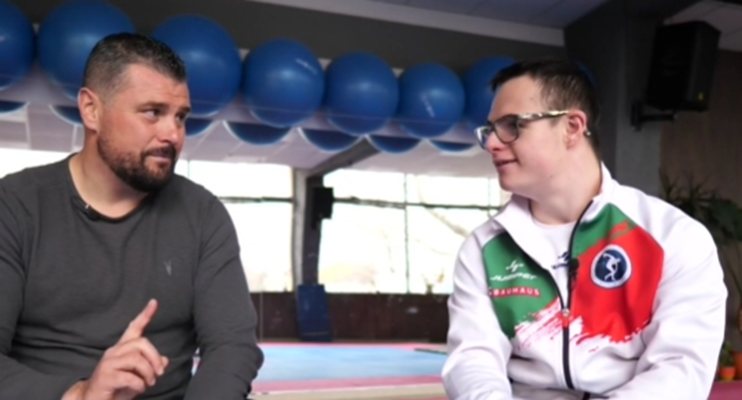
Dr. Toma Spiriev took on the immense risk of operating on Alex, not just to stabilize his spine, but to restore his quality of life. Coach Slav Petkov recalls the child’s determination to return to the gym. "He wanted to be among his friends. He wanted to do what he dreamed of," Petkov said. A year later, Alex returned to the hospital not as a patient, but as a champion, presenting his gold medal to the surgeon who saved his life.
Changing Perceptions
The event has drawn high-profile support, including singer Krisko and coach Slav Petkov, who have united to advocate for inclusion. Petkov emphasizes that the drive for acceptance and the thirst for life are the engines behind these athletes' achievements. Krisko notes that public visibility is essential. "People need to see. Good news spreads slower than bad, but we must highlight positive examples," he stated, praising the athletes’ focus and lack of aggression.
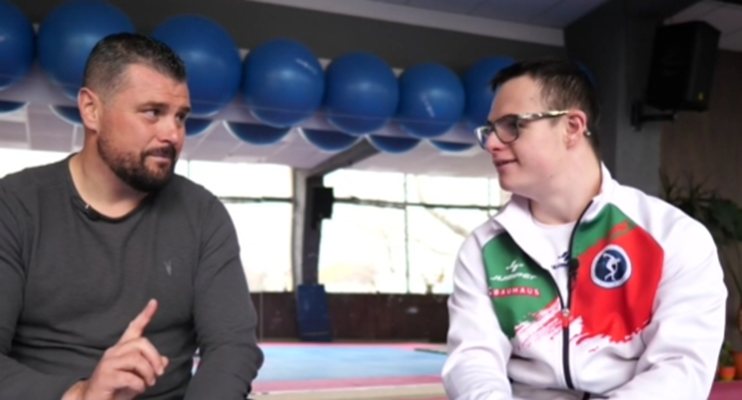
Petkov admitted that securing institutional backing was a gamble. "I risked announcing a host nation without being sure of support. It was a huge risk," he explained. After a year and a half of persistent lobbying, institutions finally committed. This tournament serves as a platform for these young athletes to declare their presence and potential to the world.
наистина ли ще се получи всичко както трябва нямат опит с такива големи събития ние тук...