


History & Identity
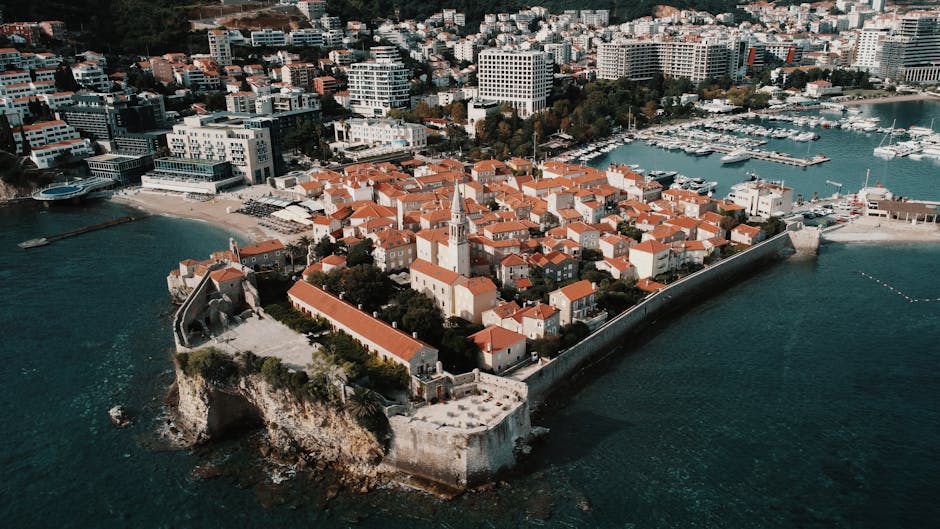
The salt air in Budva doesn't just smell of the Adriatic; it smells of centuries of empires clashing over a strip of limestone coast that refuses to be ignored. I arrived with a sunburn already forming on my neck, the kind that comes from standing too long in the shadow of history while the Mediterranean sun hammers down. The old town, Budva Old Town, is a fortress of stone and silence, its walls standing guard over a city that has seen Romans, Byzantines, Venetians, and Ottomans all try to claim it. Now, it belongs to the sunseekers, the backpackers, and the locals who know how to slip through the tourist throngs to catch the quiet moments before the bars open.
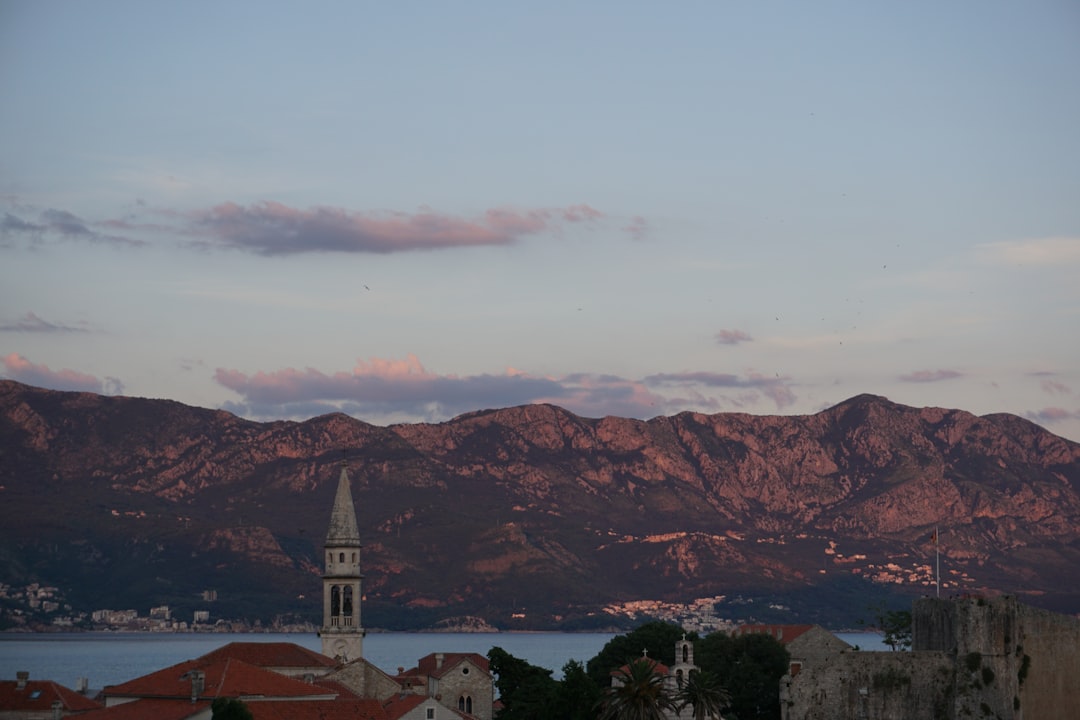
Montenegro's coast, often called the Adriatic Coast of Montenegro, is a dramatic slash of green mountains meeting blue sea. Budva sits at the heart of it, flanked by Sveti Stefan to the south and Ulcinj to the north. This isn't a place that tries to be something it's not. It's gritty, vibrant, and unapologetically loud at night. The history here isn't locked behind glass cases; it's in the cobblestones under your feet and the way the light hits the Budva Citadel at dusk. The city's identity is a mix of ancient resilience and modern hedonism, a place where you can touch a 9th-century church wall in the morning and dance until dawn in the evening.
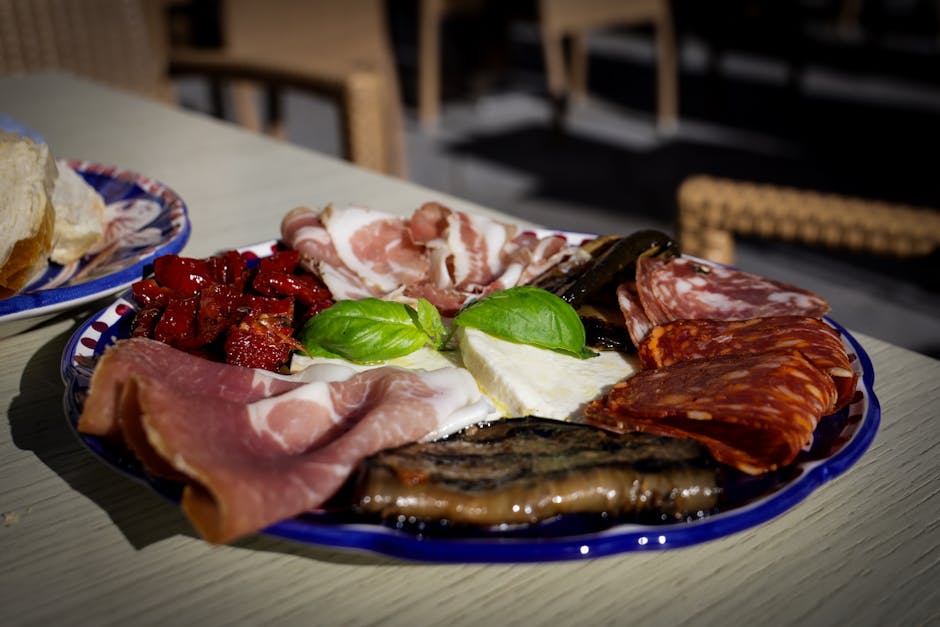
What makes Budva different from other Adriatic destinations is its raw energy. It's not a polished resort; it's a living, breathing city that happens to have some of the best beaches in the Balkans. The locals, the Budvanci, are proud and protective of their home. They'll tell you that the real magic isn't in the famous spots, but in the hidden coves and the family-run tavernas where the pršut (cured ham) is sliced thin and the wine flows freely. This is a place that demands you slow down, even if only to watch the sunset from the ramparts.
Where to Go
Budva Old Town — The heart of the city, a labyrinth of narrow streets, boutique shops, and historic churches. The Church of St. John (Crkva Sv. Ivana) is the oldest church in Montenegro, dating back to the 9th century. Entry is free, but donations are appreciated. Best visited early morning or late evening to avoid the crowds. The stone streets are steep and slippery, so wear good shoes.
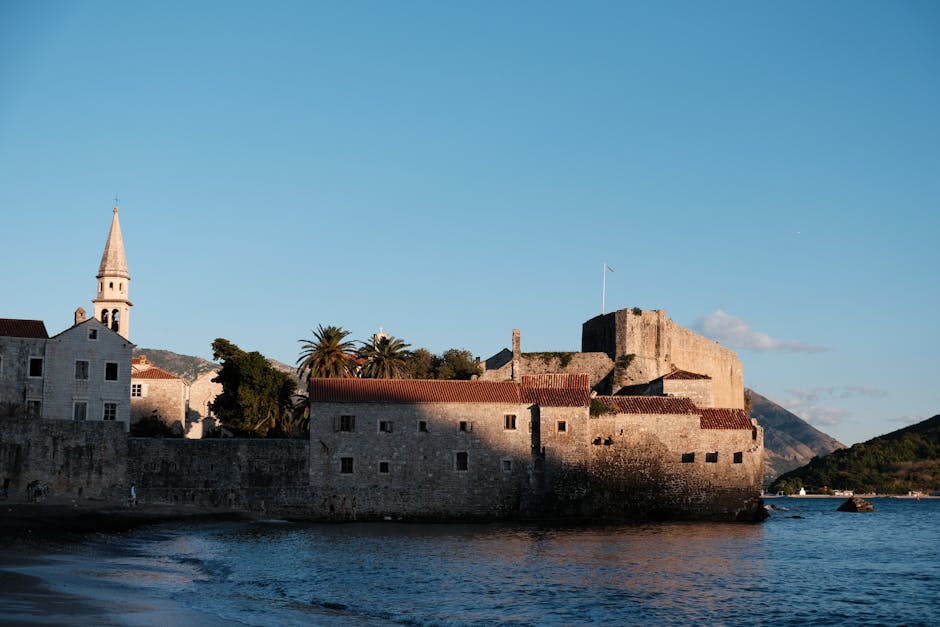
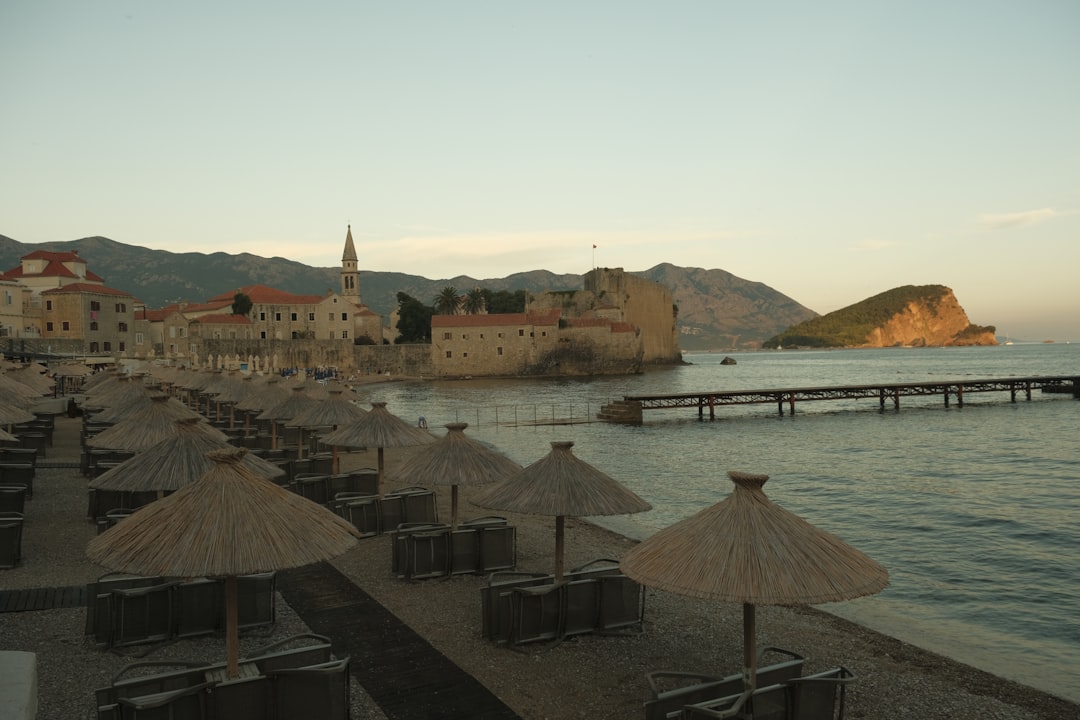
Budva Citadel — Perched on a hill overlooking the old town and the bay, the citadel offers panoramic views that are worth the climb. The walls are ancient, but the views are timeless. Entry fee is 2 EUR. The best time to visit is at sunset, when the sky turns shades of orange and purple, and the city lights begin to twinkle below. The ramparts are crowded, but the view is worth the squeeze.
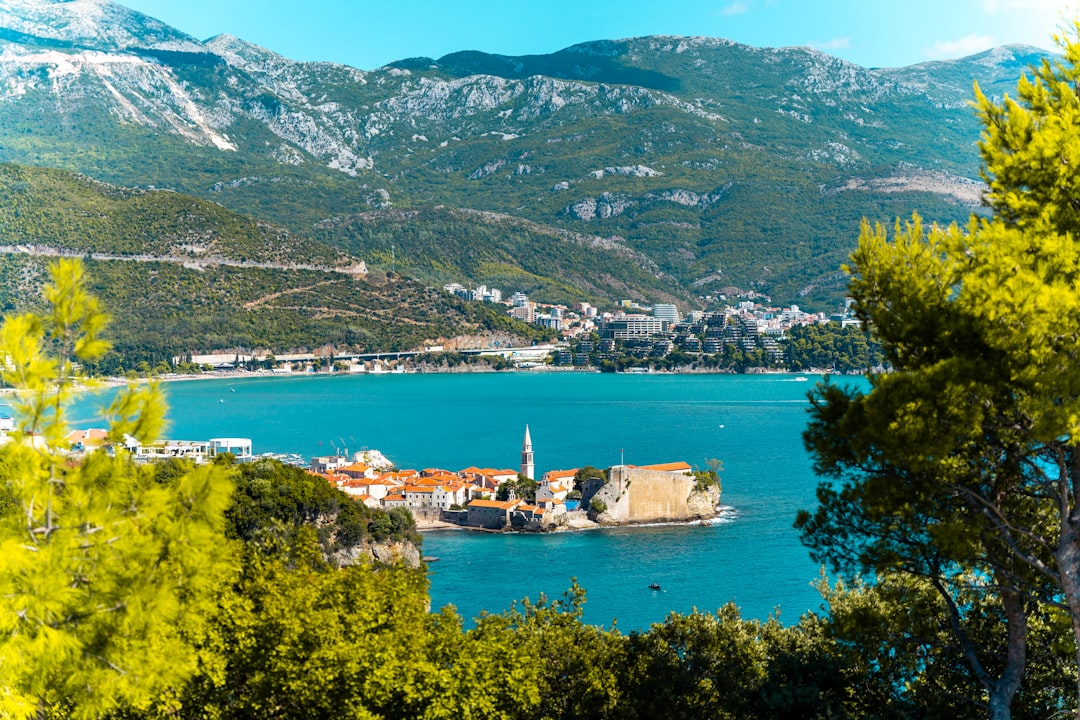
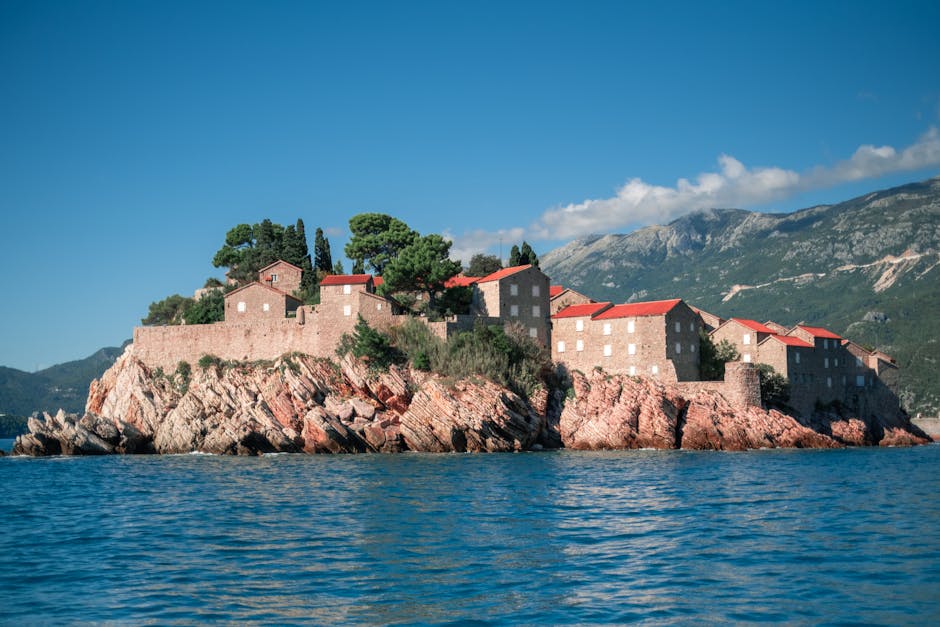
Sveti Stefan — A tiny island connected to the mainland by a narrow isthmus, Sveti Stefan is now a luxury resort, but its red-roofed houses and white-washed walls are still a sight to behold. You can't stay here unless you're wealthy, but you can walk around the perimeter and take photos. The beach in front of the island is public, though it gets crowded. Best visited in the late afternoon when the light is soft and the crowds thin out.
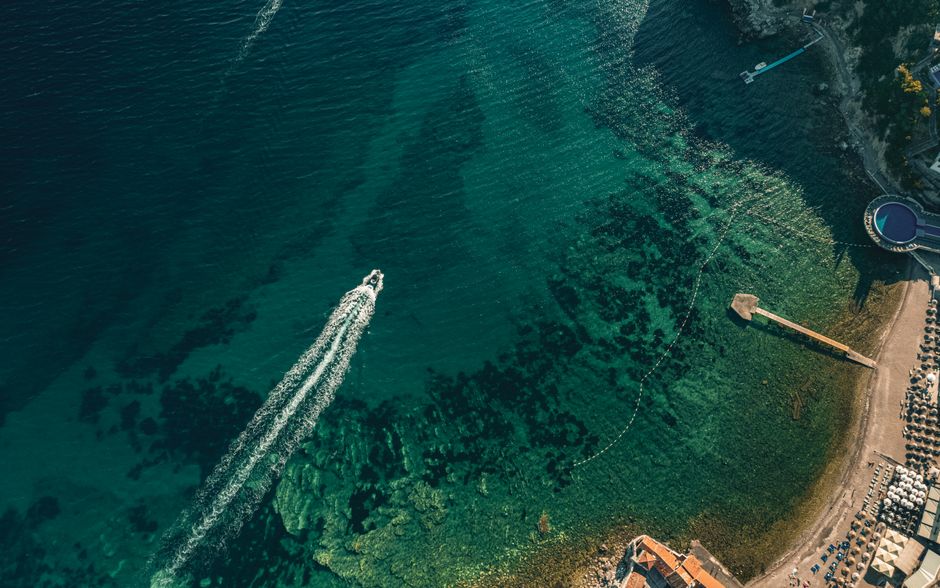
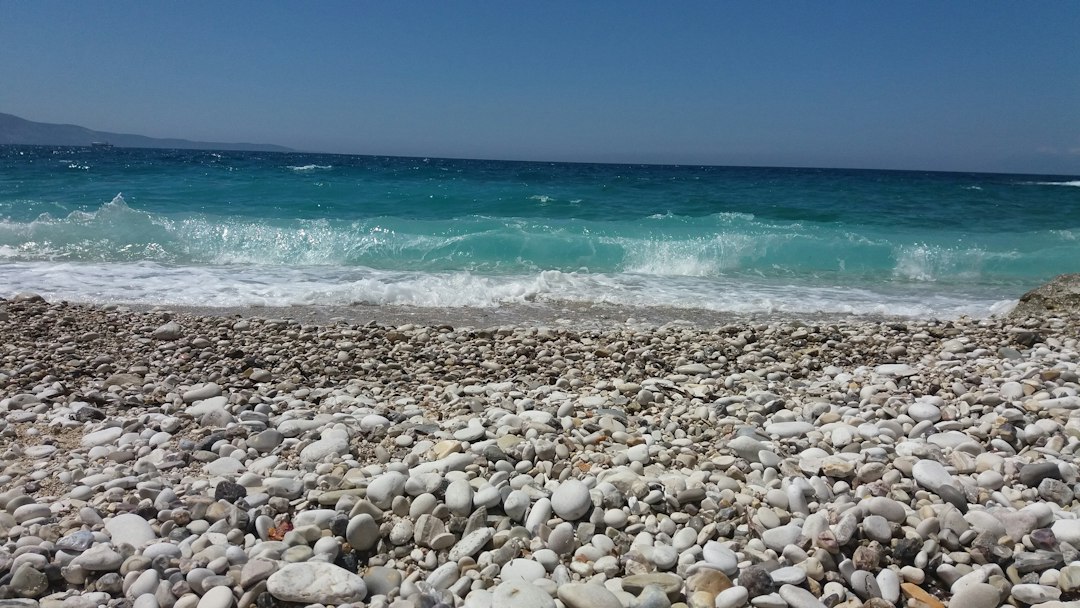
Mogren Beach — Often cited as one of the best beaches in Montenegro, Mogren Beach is a pebble beach with clear, turquoise water. It's located just outside the old town, accessible by a short walk or a local bus. Entry fee is 5 EUR for sunbed and umbrella. The beach is smaller than the main beach, but the setting is more dramatic, with cliffs rising on one side. Best visited early morning to secure a good spot.
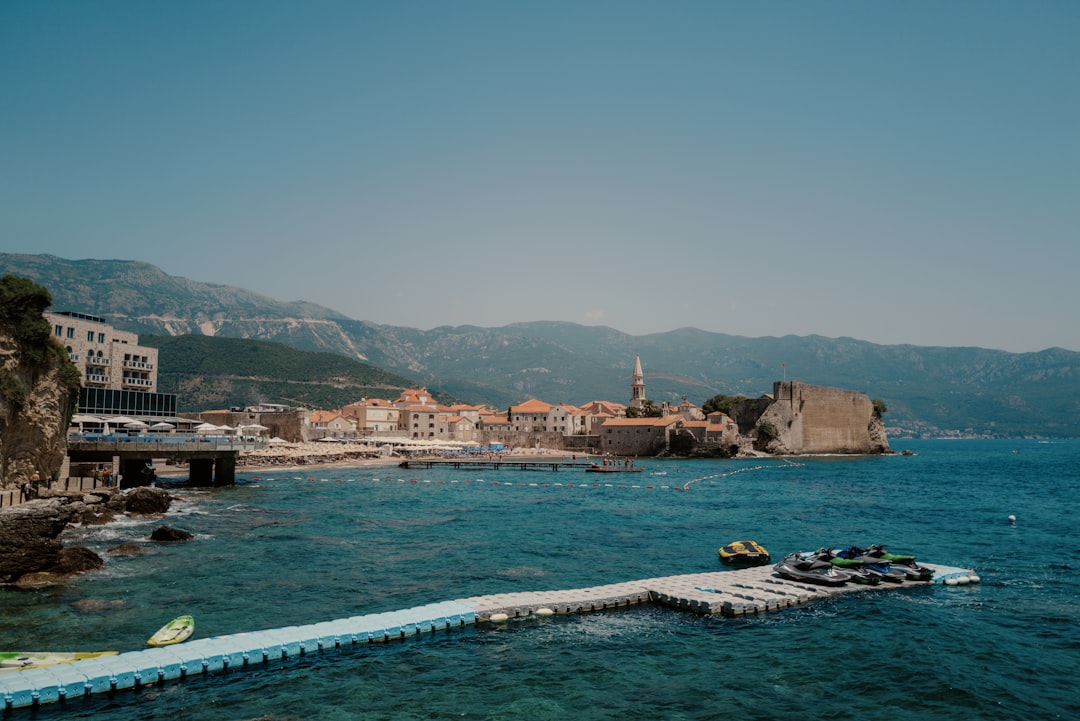
Velika Plaza Beach — The main beach in Budva, Velika Plaza is a long stretch of pebbles with plenty of facilities. It's crowded, especially in July and August, but the energy is infectious. Sunbeds and umbrellas cost 10-15 EUR per day. The beach is lined with bars and restaurants, making it easy to grab a drink or a meal without leaving the sand. Best for those who like a lively atmosphere.
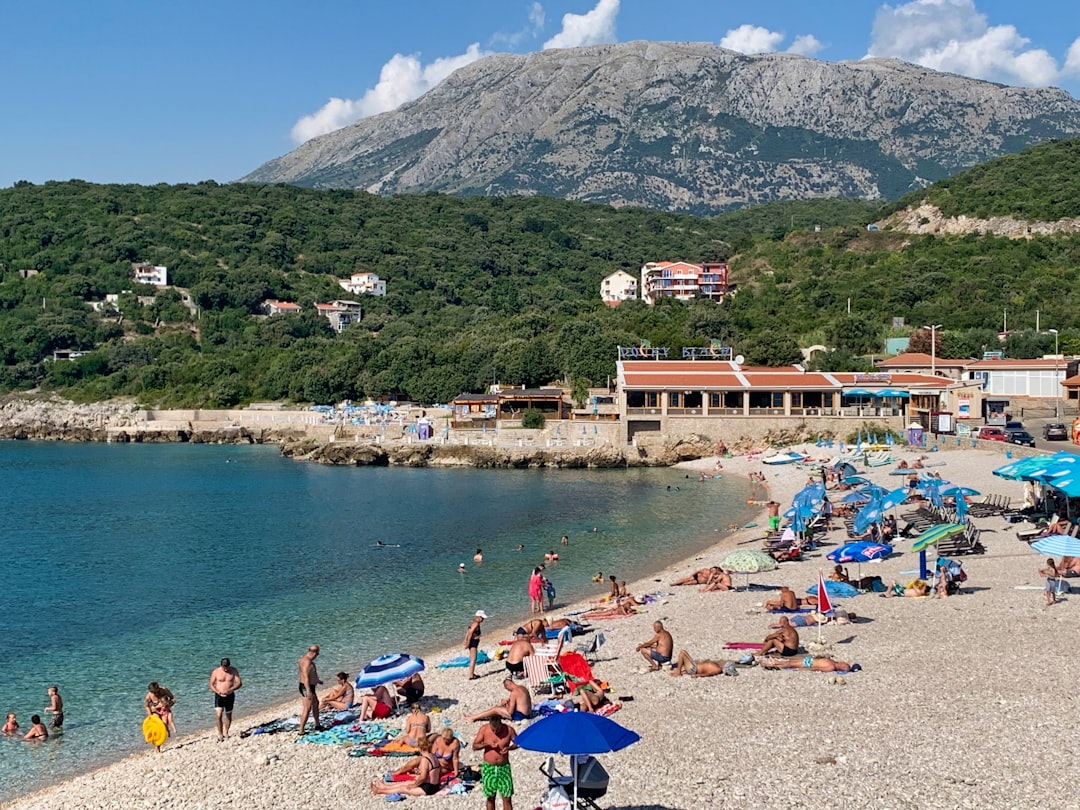
Savina Kuk — A small, secluded beach located at the entrance to Budva Bay, Savina Kuk is a favorite among locals and nudists. It's a pebble beach with clear water and a relaxed vibe. There are no facilities, so bring your own towel and water. Best visited in the late afternoon when the sun is low and the water is calm.
What to Eat & Drink
Eating in Budva is a mix of traditional Montenegrin cuisine and Mediterranean influences. The local dishes are hearty and flavorful, often featuring fresh seafood, lamb, and vegetables. Ćevapi — small grilled meat sausages served with flatbread and onions — cost 3-4 EUR per portion. Burek — a flaky pastry filled with meat, cheese, or spinach — costs 1-2 EUR per slice. Šopska salata — a refreshing salad of tomatoes, cucumbers, onions, and white cheese — costs 3 EUR. Black risotto — a squid ink-based risotto that's a local specialty — costs 12-15 EUR. Prošek — a sweet dessert wine from the region — costs 3-5 EUR per glass.
For budget travelers, street food and take-away options are plentiful. You can grab a pita (pie) or a sandwich for under 5 EUR. Sit-down local restaurants charge 8-15 EUR per person for a main course and a drink. Mid-range restaurants, with a focus on seafood and a nicer atmosphere, charge 15-25 EUR per person. The Budva Market is a great place to buy fresh produce, cheese, and cured meats. The Old Town has many restaurants, but prices are higher. For a more authentic experience, head to the Mogren area, where family-run tavernas offer cheaper and more traditional meals.
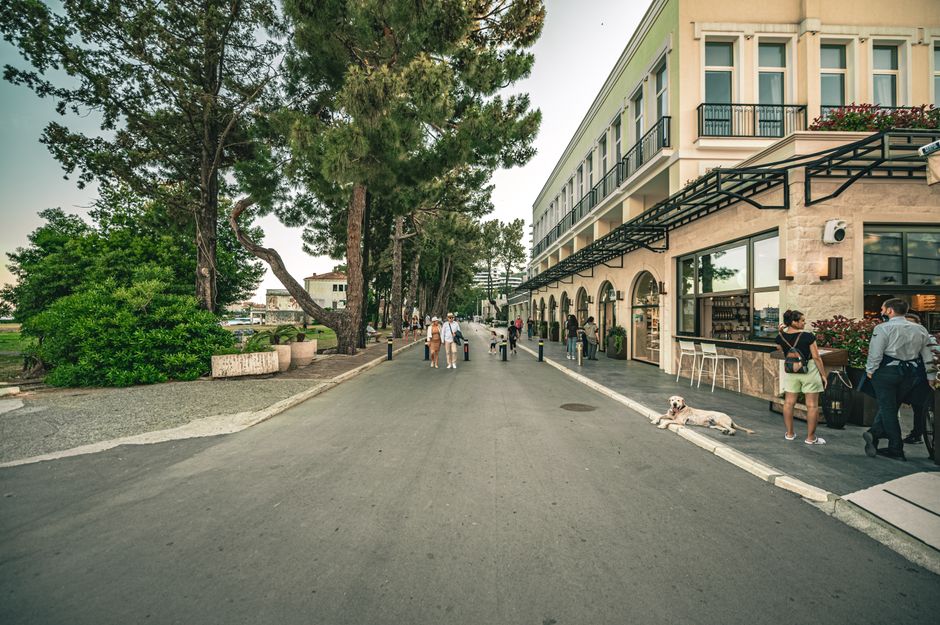
Two specific food streets to explore are Obala kralja Petra (King Peter's Quay), lined with cafes and restaurants, and Ulica kralja Nikole (King Nicholas Street), which has a mix of shops and eateries. For take-away, the Budva Market area has several small shops selling pita, sandwiches, and ice cream. Food courts are rare, but there are a few fast-food options near the main beach.
Nightlife
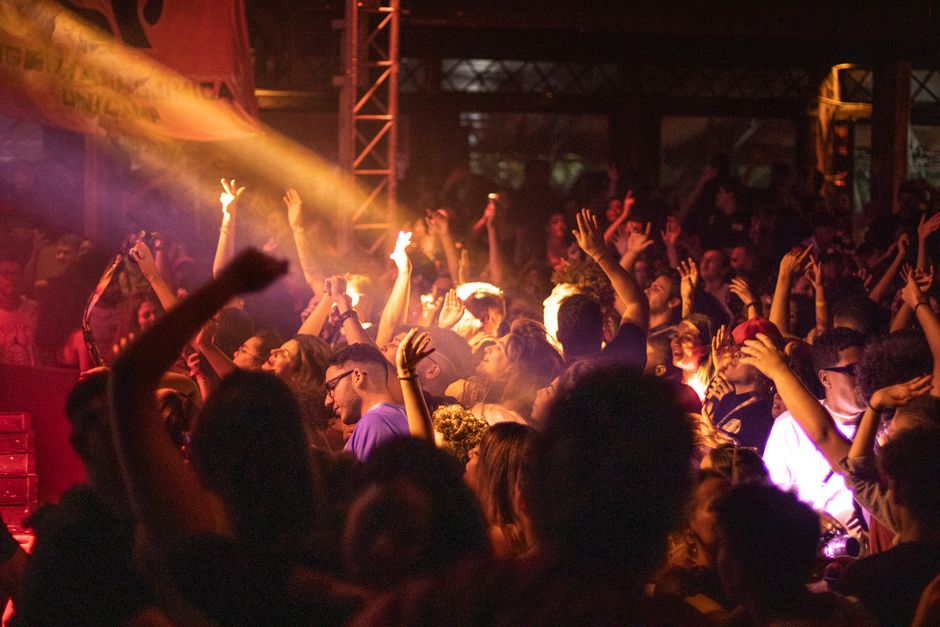
Budva is known for its vibrant nightlife, with bars and clubs open until the early hours. The main nightlife district is Obala kralja Petra (King Peter's Quay), which is lined with bars, clubs, and restaurants. The atmosphere is lively, with music spilling out into the streets and crowds of young people enjoying the night. The main bars and clubs are Blue Bay, a beach club with a pool and a DJ, Club 23, a popular spot for electronic music, and The Beach Bar, a relaxed spot for cocktails and live music. Cover charges vary, but most clubs charge 5-10 EUR for entry, with drinks costing 5-10 EUR each.
The nightlife scene is a mix of local and international crowds, with many visitors from across Europe. The music is predominantly electronic, but there are also live music venues and bars with a more relaxed vibe. The bars and clubs are open from late afternoon until early morning, with the peak hours being between 10 PM and 3 AM. The atmosphere is energetic, but not overly rowdy, and the staff are generally friendly and helpful.
For a more laid-back experience, head to the Mogren area, where there are several beach bars and tavernas with a more relaxed atmosphere. The Sveti Stefan area has a few upscale bars and restaurants, but they are more expensive and less lively. Overall, Budva offers a diverse range of nightlife options, from high-energy clubs to relaxed beach bars, making it a popular destination for young travelers and party-goers.
Getting There & What to Expect
The nearest airport is Tivat Airport, located about 20 km from Budva. Buses run regularly from the airport to Budva, costing 5 EUR and taking about 30 minutes. Taxis are also available, costing 20-30 EUR. From Podgorica, the capital, buses run several times a day, costing 5 EUR and taking about 1.5 hours. From Dubrovnik, Croatia, buses run daily, costing 15 EUR and taking about 3 hours. From Belgrade, Serbia, buses run several times a week, costing 25 EUR and taking about 12 hours.
Accommodation in Budva ranges from budget hostels to luxury hotels. Budget hostels cost 20-40 EUR per night, mid-range hotels cost 50-100 EUR per night, and luxury hotels cost 150-300 EUR per night. The best months to visit are June and September, when the weather is warm but not too hot, and the crowds are smaller. July and August are the peak months, with high temperatures and large crowds.
What to expect: Budva is a lively, energetic destination with a mix of history, beaches, and nightlife. The old town is charming, but can be crowded. The beaches are beautiful, but can be expensive. The nightlife is vibrant, but can be loud. The locals are friendly, but can be reserved. The food is delicious, but can be pricey. Overall, Budva is a great destination for those who want a mix of relaxation and excitement, but it's not a place for those who prefer quiet and solitude.
Search accommodation in Budva on Booking.com →
The Sun Never Sets on Budva
As the sun dips below the horizon, painting the sky in shades of orange and pink, I find myself on the ramparts of the Budva Citadel, watching the lights of the city flicker on one by one. The day's heat begins to fade, replaced by a cool breeze that carries the scent of salt and jasmine. Below, the streets of the old town are filling up, the sound of laughter and music drifting up to where I stand. It's a moment of quiet reflection, a pause in the relentless energy of the city.
Budva is not a place that lets you forget. It demands your attention, your energy, your presence. It's a city that lives on the edge, between the ancient past and the vibrant present, between the quiet of the old town and the noise of the nightlife. It's a place that burns bright, and it's a place that leaves a mark. As I turn to leave, the last rays of sun catching the stone walls of the citadel, I know I'll be back. Not because it's perfect, but because it's real. And in a world of polished resorts and sanitized experiences, that's rare.
Comments