


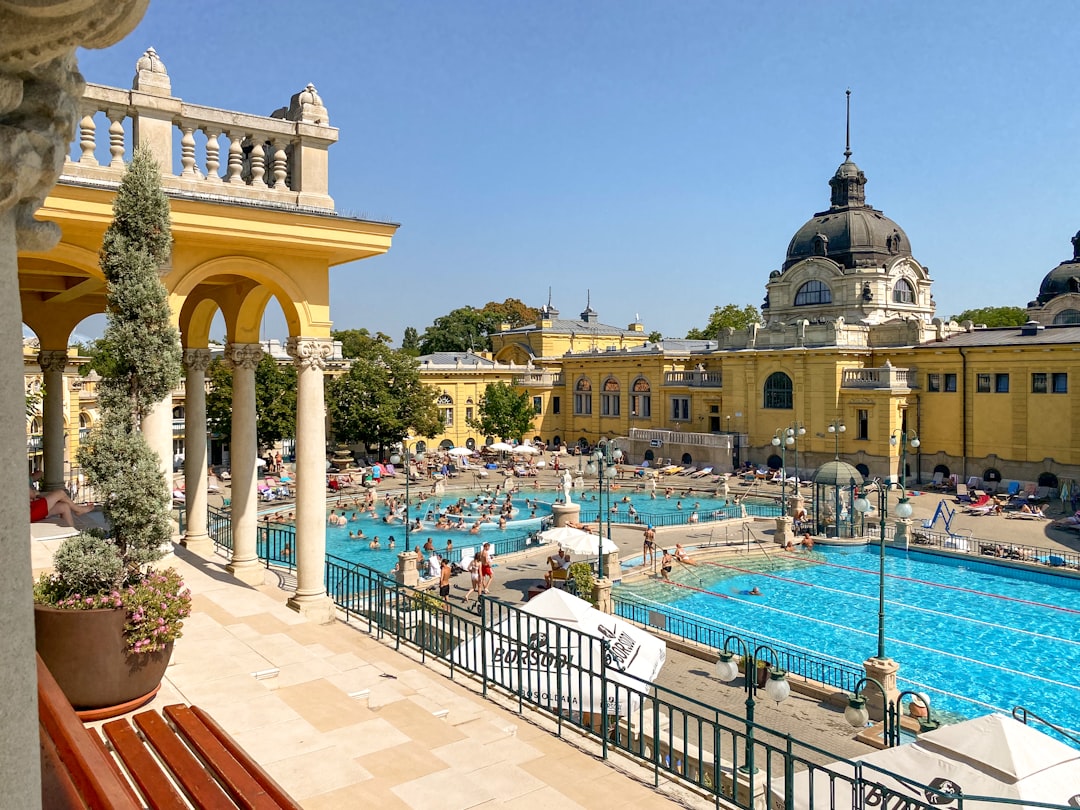
I am sitting in a pool of 38-degree water in the middle of a city that smells like sulfur and old money. My eyelids are heavy. A man in a white robe is shouting at a waiter in Hungarian, demanding more paprika on his goulash, while a tourist couple tries to take a selfie with a stone gargoyle. The air is thick enough to chew. This is not a spa. This is a geological accident waiting to happen, and we are all just lucky enough to be soaking in it. I came to Budapest expecting to see ruins and drink brandy. I stayed because the water here feels like it has a pulse. It's hot, it's mineral-heavy, and it's the only reason half the population isn't frozen stiff by November.
The water doesn't come from a tap. It comes from deep underground, heated by the remnants of a volcano that went extinct millions of years ago. I'm not talking about a heated pool in a hotel basement. I'm talking about natural springs rising from the earth at temperatures that can boil an egg. The science is simple, but the effect is profound. You are swimming in the earth's blood.
History & Identity
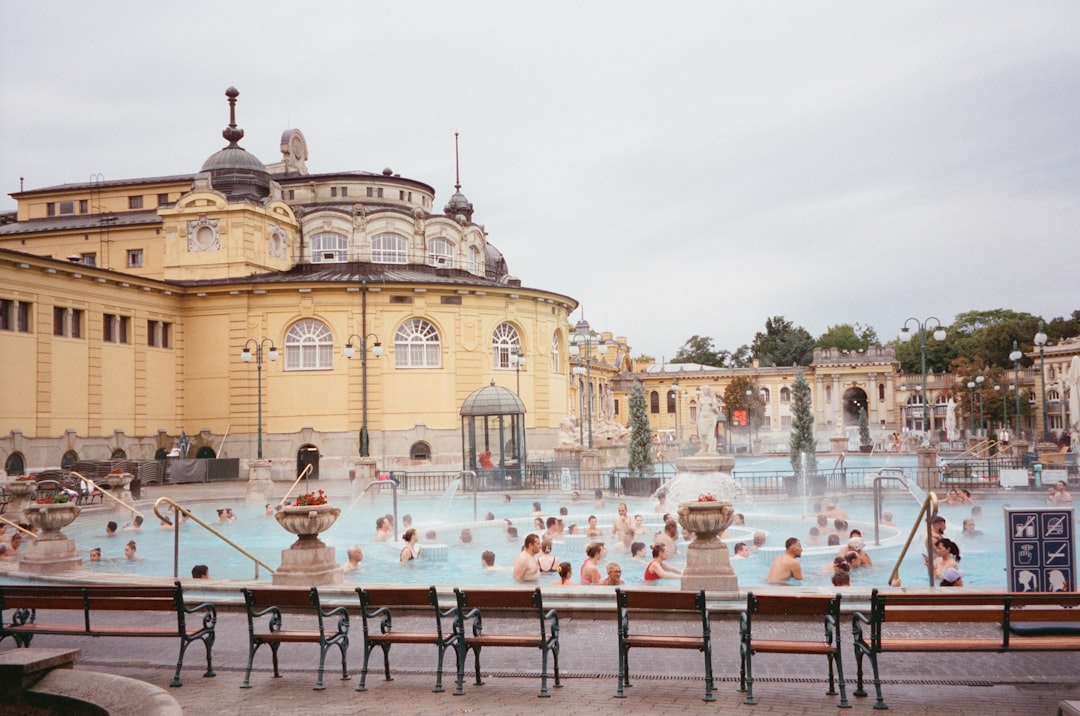
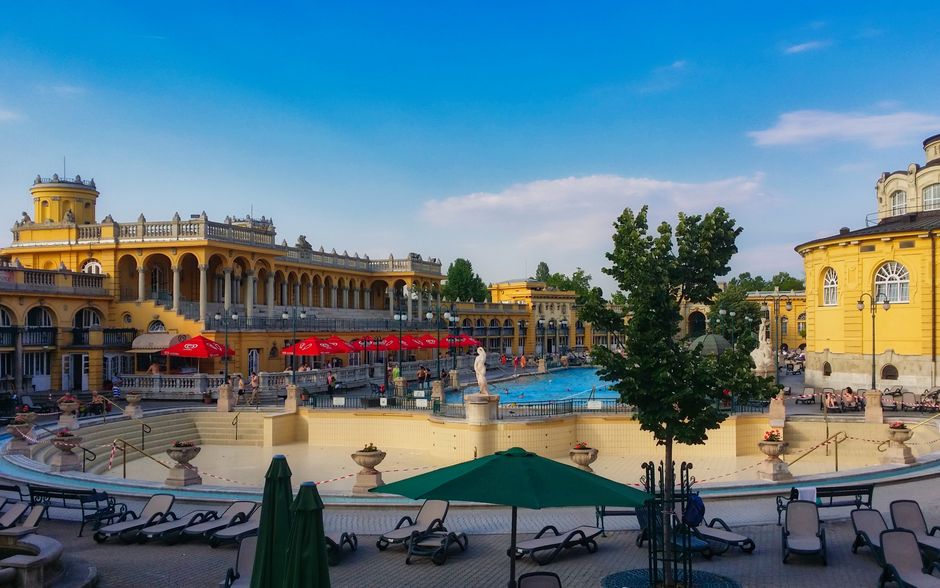
The thermal waters of Budapest Budapest are not a modern invention. They are the reason the Ottomans stayed for 150 years. When the Turks arrived in the 16th century, they found a city that was already geologically gifted. They built the first public baths, turning them into centers of social life, medicine, and relaxation. The Hungarians, who have always been suspicious of foreign influence, eventually adopted the bath culture after the Austro-Hungarian Empire took over. By the 19th century, the baths were a symbol of national pride and scientific achievement. The Rudas Baths Rudas Baths were renovated in the Ottoman style, while the Széchenyi Thermal Bath Széchenyi Thermal Bath became a grandiose neo-baroque palace of water.
Today, the baths are a mix of medical treatment and tourism. Locals come for the therapy, to ease arthritis, muscle pain, and stress. Tourists come for the architecture and the photo ops. The science behind the healing properties is still debated, but the consensus is that the mineral content — calcium, magnesium, bicarbonate, and sulfur — has a soothing effect on the skin and joints. The heat improves circulation, and the buoyancy of the water reduces stress on the body. It's not magic, but it feels like it.
Where to Go
Széchenyi Thermal Bath — This is the largest medicinal bath in Europe, located in City Park City Park. It features 18 thermal and medicinal pools and 14 saunas. The water temperature ranges from 27 to 44 degrees Celsius. The architecture is neo-baroque and neo-Renaissance, with yellow limestone facades that look like a palace. It's crowded, especially on weekends, but it's the most iconic bath in the city. Entry is around 10-15 EUR for a 3-hour visit. Best visited early in the morning or late in the evening to avoid the crowds.
Gellért Baths — Located in the Westend Szálló Westend Szálló, this bath is known for its Art Nouveau architecture and blue mosaic tiles. The water comes from a 125-meter deep well and contains calcium, magnesium, and bicarbonate. The main pool is a wave pool, which is a unique feature. The baths are smaller than Széchenyi, but the atmosphere is more intimate. Entry is around 12-18 EUR. It's a good choice for those who prefer a more elegant setting.
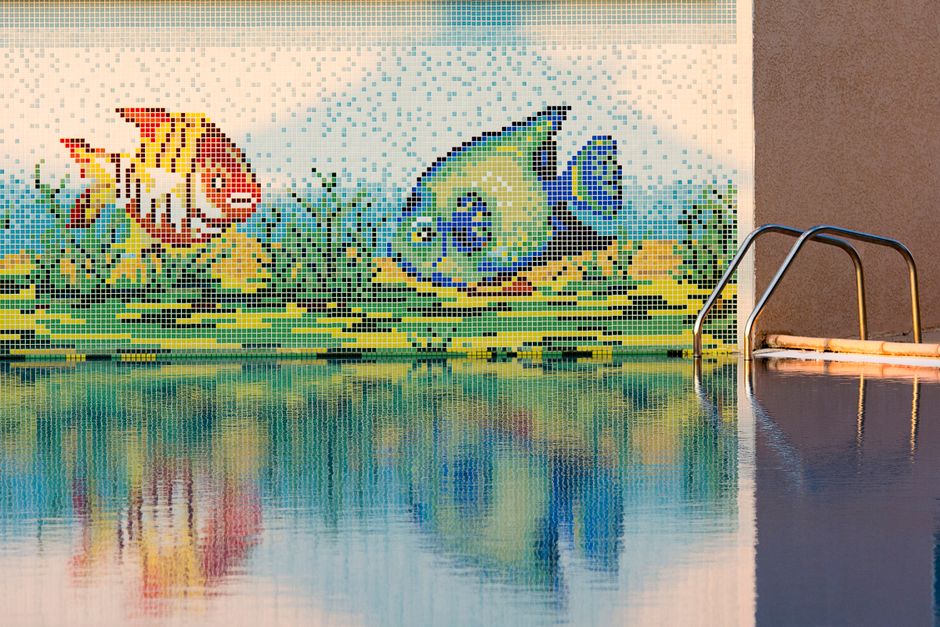
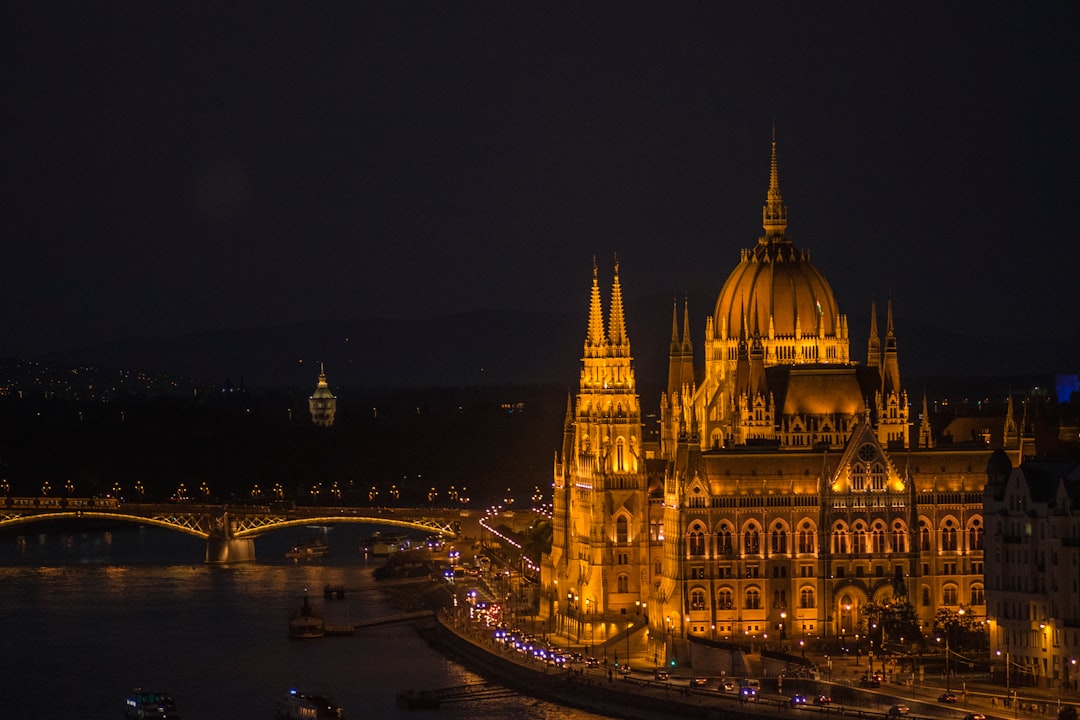
Rudas Baths — This is the oldest bath in Budapest, dating back to the 16th century. It features a central octagonal pool with a dome ceiling and six smaller pools. The water is rich in calcium and magnesium. The roof terrace offers a panoramic view of the Danube River Danube River and the Parliament Building Hungarian Parliament Building. It's a popular spot for sunset views. Entry is around 15-20 EUR. It's a good choice for those who want a historical experience and a view.
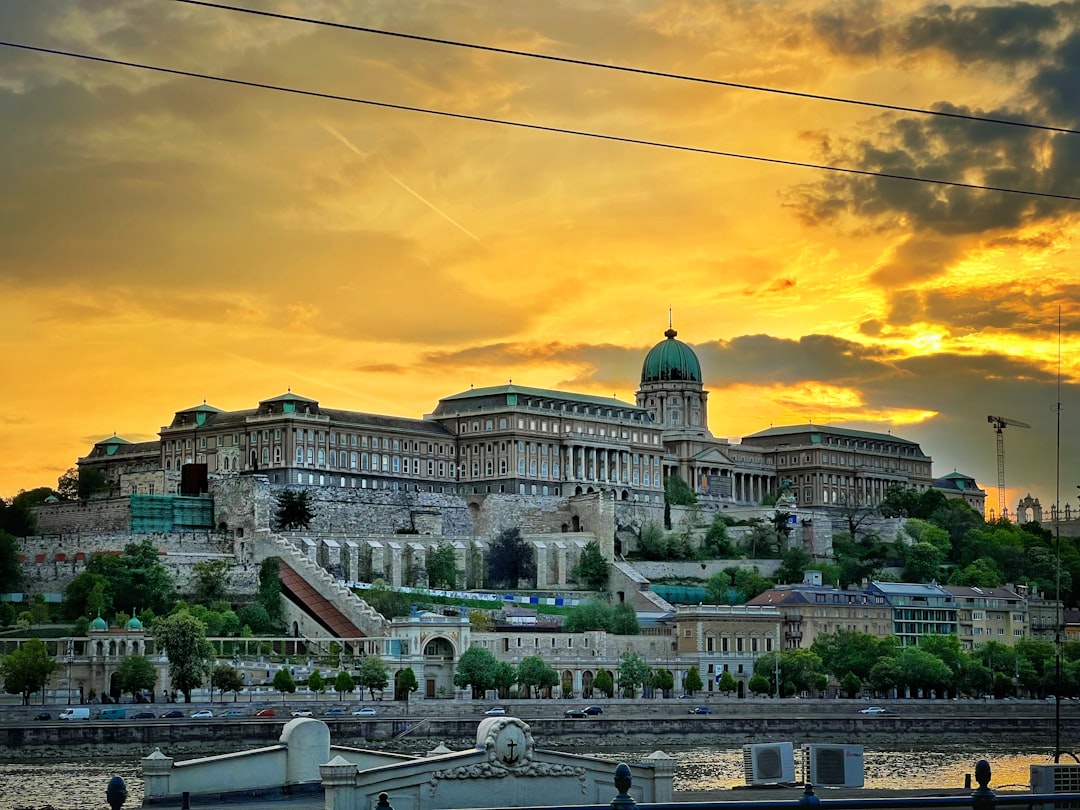
Lukács Baths — Located in the Óbuda district, this bath is known for its high-temperature water, which can reach up to 77 degrees Celsius. It's a popular spot for locals seeking relief from arthritis and muscle pain. The architecture is more functional than ornate. Entry is around 5-8 EUR. It's a good choice for those who prefer a more authentic, local experience.
What to Eat & Drink
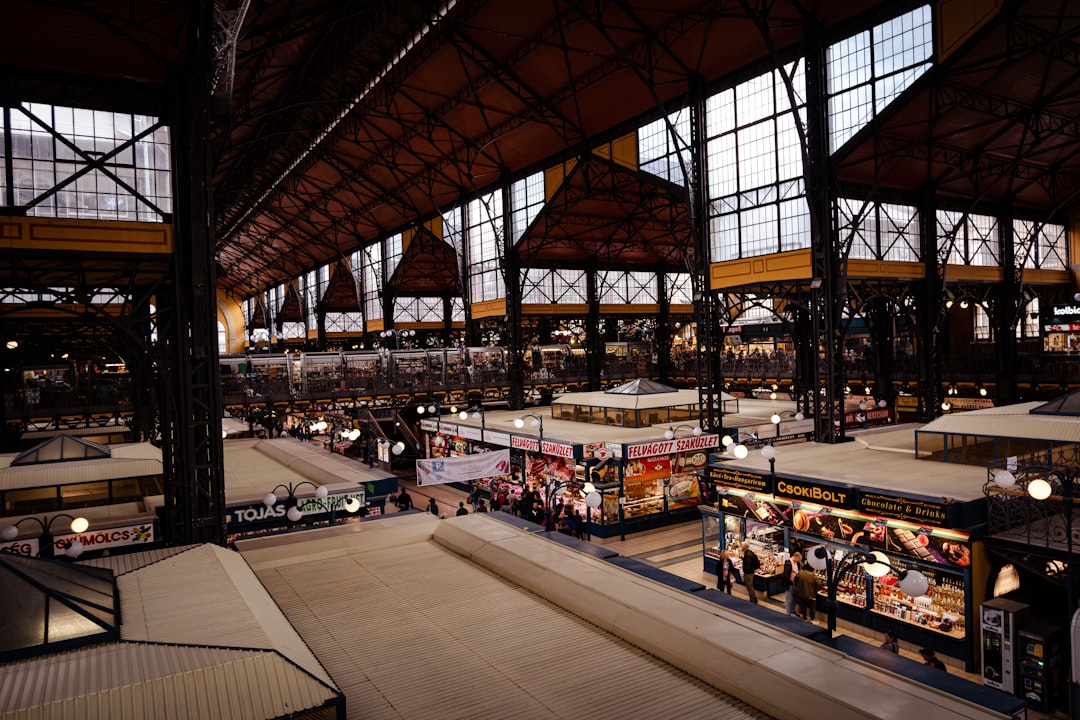
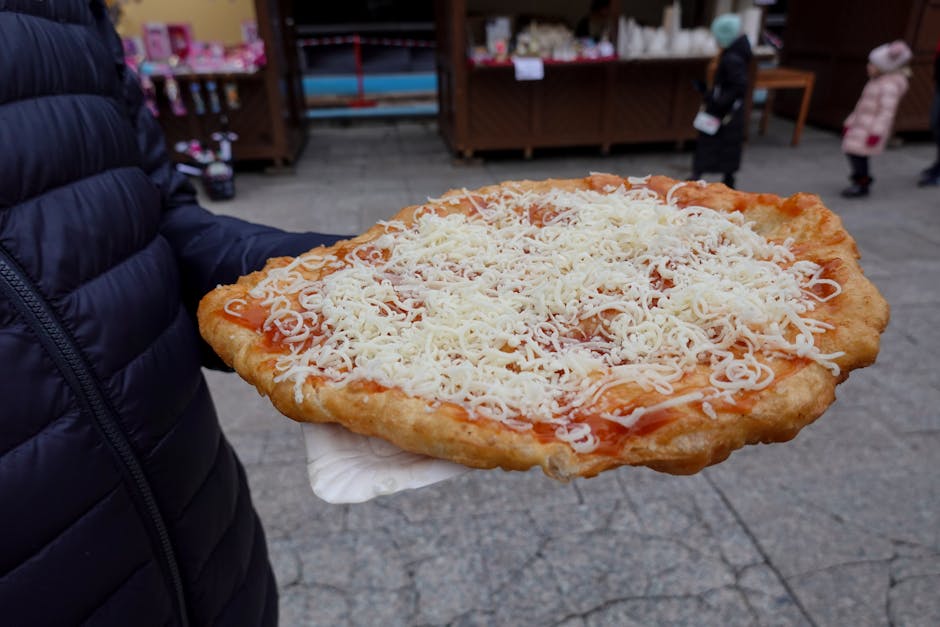
After a soak, you'll be hungry. The baths often have cafes or restaurants on-site, but the food is usually overpriced and mediocre. Better to head to the nearby Great Market Hall Great Market Hall for a real meal. Try the gólya — a stuffed cabbage roll — for 3-5 EUR. Or the kolbász — a smoked sausage — for 2-4 EUR. Don't forget the langos — a fried dough flatbread — for 2-3 EUR. It's greasy, salty, and delicious. Drink a Unicum — a bitter herbal liqueur — for 5-8 EUR per glass. It's a Hungarian digestif, and it's supposed to aid digestion. It tastes like medicine, but it works.
For a sit-down meal, head to the József Street area, which is known for its traditional Hungarian restaurants. Try goulash for 8-12 EUR or chimney cake — kürtőskalács — for 3-5 EUR. The street food scene is also vibrant, with vendors selling fish soup and stuffed peppers. Budget travelers can find a meal for under 5 EUR at the market hall or a street vendor. Mid-range restaurants charge 15-25 EUR per person for a main course and a drink.
Nightlife
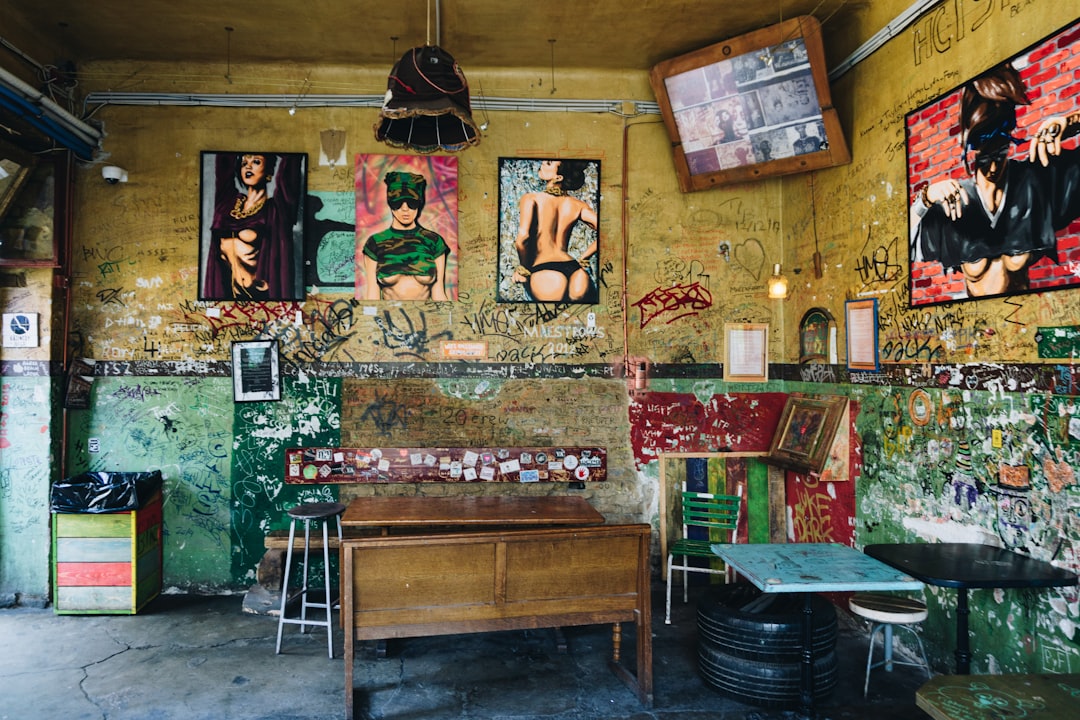
Budapest's nightlife is legendary, centered around the Ruin Bars in the Jewish Quarter. The most famous is Szimpla Kert Szimpla Kert, a dilapidated courtyard filled with eclectic furniture and eccentric decor. It's a chaotic, colorful, and unforgettable experience. Cover charge is usually free, but drinks are expensive. Try a Budweiser Budvar for 3-5 EUR or a Palinka — a fruit brandy — for 5-8 EUR. The music is a mix of indie, electronic, and folk. The crowd is international, with travelers from all over the world.
For a more upscale experience, head to the Danube Bank area, which is known for its rooftop bars and clubs. Party Boat tours are also popular, offering a night of dancing on the river. Cover charges range from 10-20 EUR. The music is mostly commercial and electronic. The crowd is younger and more fashion-conscious. It's a good choice for those who want a more polished nightlife experience.
Getting There & What to Expect
The nearest airport is Budapest Ferenc Liszt International Airport Budapest Ferenc Liszt International Airport, which is 20 km from the city center. It's connected to the city by bus and train, with travel times of 30-40 minutes and costs of 5-10 EUR. The city is well-connected by bus, train, and car from major Balkan hubs, with travel times of 6-12 hours and costs of 50-100 EUR. Accommodation ranges from budget hostels at 20-40 EUR per night to mid-range hotels at 60-100 EUR per night. The best months to visit are spring (April-May) and autumn (September-October), when the weather is mild and the crowds are smaller. Summer is hot and crowded, while winter is cold and dark, but the baths are even more appealing in the cold.
Search accommodation in Budapest on Booking.com →
Expect to spend at least 3-4 hours at the baths. Bring a towel, a swimsuit, and flip-flops. The baths are usually open from 7 AM to 11 PM, but hours vary by season. Women and men are separated in the indoor pools, but the outdoor pools are mixed. The atmosphere is relaxed, but it's important to respect the local customs. No loud talking, no running, and no taking off in the pools. It's a place for relaxation, not for partying.
The Steam Never Stops
I leave the bath shivering, my skin pruned and smelling of sulfur. The city is dark, the streets are wet, and the air is cold. But I feel lighter, as if the water has washed away the weight of the world. The thermal baths of Budapest are not just a tourist attraction. They are a part of the city's soul, a reminder of the geological forces that shaped it. They are a place where science and spirituality meet, where the past and the present collide. And they are a reason to come back, again and again, to soak in the steam and forget the world outside.
Comments