


The Unfair Game
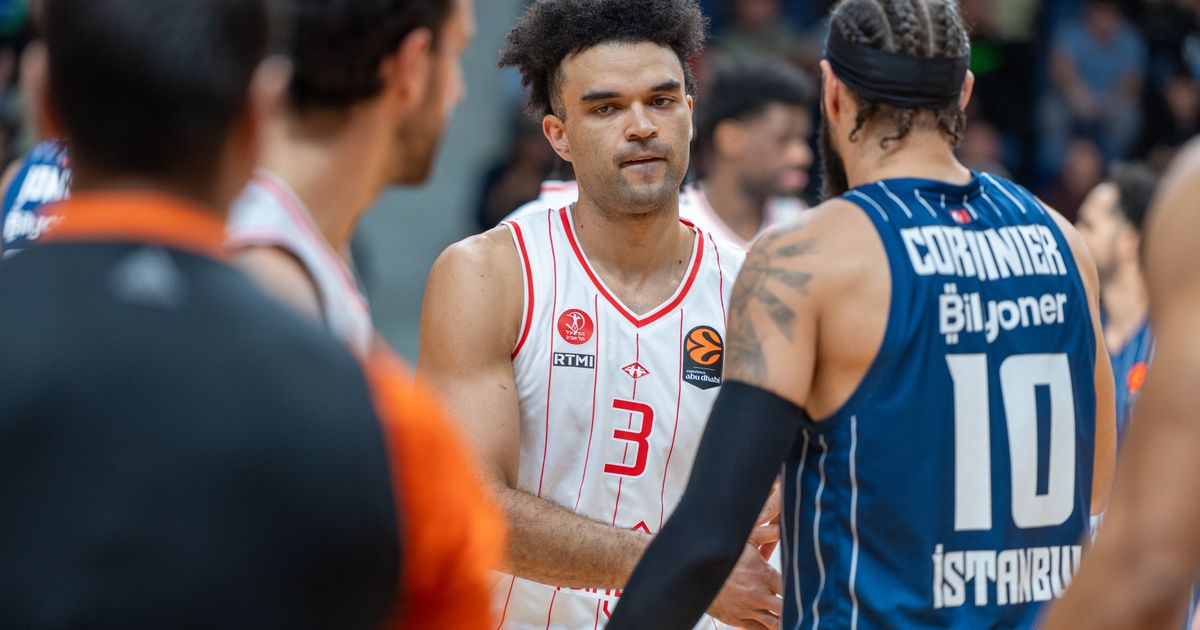
The whispers around the EuroLeague have turned into a roar. For years, the eternal rivals of Belgrade, Partizan and Crvena Zvezda, have been treated as second-class citizens in their own backyard. But now, one of the league’s brightest stars is ready to drop the mic. Elly Bryant, the explosive guard for Hapoel Tel Aviv, has laid bare the ugly truth about the league’s structure. He doesn’t just see a competition; he sees a system that exploits the very soul of European basketball.
Bryant’s words cut through the noise like a knife. He admits that walking into an away game in Belgrade is an experience unlike any other on the planet. The electricity? Unmatched. The passion? Raw. Yet, while giants like Panathinaikos and Olympiacos sit comfortably as co-owners of the EuroLeague, the Serbian titans are locked out. They are not shareholders. They do not hold a permanent seat at the table. They are paying customers in their own house.
Numbers Don't Lie
Let’s talk stats, because the data is staggering. Bryant points out that Partizan and Zvezda combined generate more digital views than almost anyone else on the planet. In just six months, these two clubs racked up 157.6 million views. Compare that to Real Madrid’s 59 million or Barcelona’s 48.1 million. The Serbian duo outperforms the biggest sports brands globally on EuroLeague platforms. They sell out 99% of their games. They bring the crowds. They bring the noise. And what do they get in return? A bill.
Every season, these clubs pay approximately €750,000 just for the privilege of competing. They fund the league’s growth without owning a single percent of it. Bryant questions the financial logic: why pay to build someone else’s empire? The disparity is glaring. The Greek clubs own the league; the Serbian clubs fuel it. It is a model that defies basic fairness, yet it persists.
Brand Over Ownership
Despite the injustice, Bryant offers a nuanced perspective. He argues that Partizan and Zvezda are not losing; they are trading. They use the EuroLeague stage to amplify a brand that is already a powerhouse in Serbia. The league provides a platform no domestic competition can match. In exchange, they give the EuroLeague legitimacy and atmosphere that a closed shop of founding clubs could never manufacture. The NBA built an asset; the EuroLeague built a competition. Different models, different goals. But the question remains: is the price of admission too high for the heart of European basketball?

eljaydža brajant uvek govori istinu tbh. 750k evro godišnje samo da bi igrali? fenerbahce i ostali akcionari veruju da će to tako trajati zauvek. ne mogu da verujem da zvezda i partizan još uvek plaćaju ulaznicu za sopstvenu kuću...