


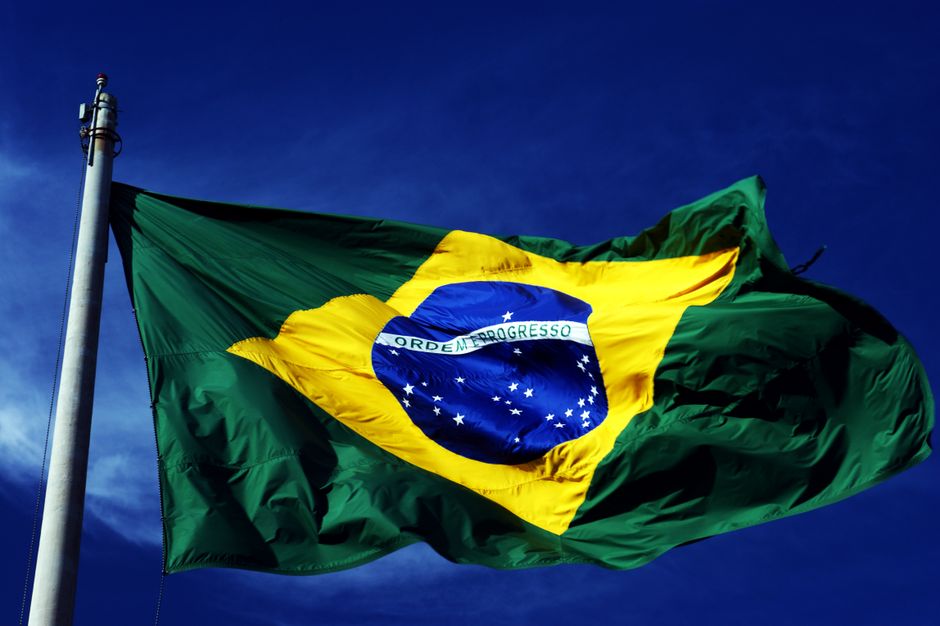
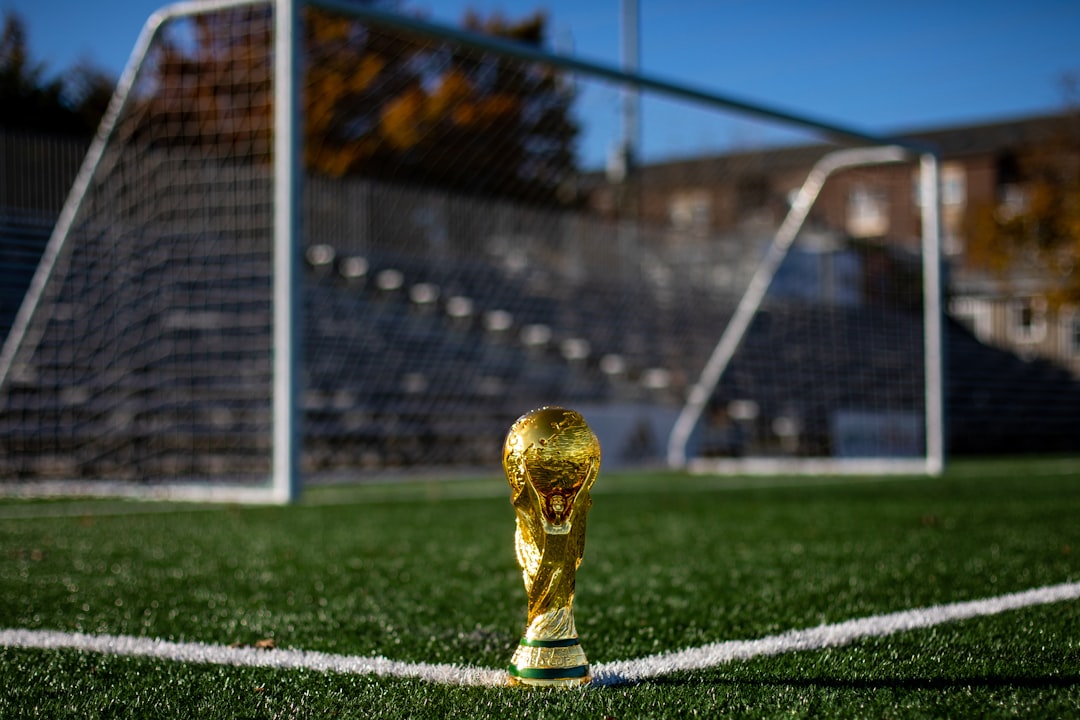
The upcoming clash between Brazil and Morocco at the 2026 FIFA World Cup has emerged as one of the most anticipated fixtures in the tournament's group stage. Scheduled for June 14, 2026, this match pits the five-time world champions against the African nation that stunned the football world by reaching the semi-finals in 2022. For Balkan audiences, particularly those in Serbia, Bosnia, and North Macedonia with significant diaspora communities in Europe and the Americas, this game represents more than just a sporting event; it is a collision of two distinct footballing philosophies. The interest is heightened by the presence of players with Balkan heritage and the growing popularity of both nations in the region's football culture.
Context: The Road to 2026
Brazil enters the tournament as the heavy favorite, carrying the weight of a legacy that demands excellence. Since their last title in 2002, the Seleção has struggled to recapture past glory, failing to reach the final in 2014 and 2022. The 2026 edition offers a crucial opportunity to restore their status as the undisputed kings of football. Under the guidance of their current coaching staff, Brazil is focusing on integrating a new generation of talents from top European clubs, aiming to blend technical flair with modern tactical discipline. The squad features a mix of experienced leaders and exciting young prospects, many of whom have been closely followed by fans in the Balkans who have strong ties to European leagues.
[MIG: Brazil national football team training session 2026]Morocco, on the other hand, has solidified its position as a global force since their historic run in Qatar. The Atlas Lions have continued to develop their tactical identity, characterized by defensive solidity, rapid transitions, and a strong collective spirit. Their success has inspired a new wave of footballing ambition across the African continent and has gained them a significant following worldwide. In the Balkans, Morocco's rise is viewed with respect, particularly in countries like Serbia and Bosnia, where teams that overcome larger opponents through organization and determination are often celebrated. The Moroccan squad, led by veteran players and supported by a deep pool of talent from the European leagues, poses a serious threat to any opponent, including the South American giants.
Tactical Significance and Key Battles
The tactical battle between Brazil and Morocco promises to be a fascinating contrast of styles. Brazil typically seeks to dominate possession, using intricate passing combinations and individual brilliance to break down defenses. Their attacking line, featuring some of the world's most skilled forwards, will look to exploit any space behind Morocco's defensive line. However, Brazil has historically struggled against teams that are disciplined defensively and quick on the counter-attack, a weakness that Morocco is well-equipped to exploit. The key for Brazil will be to maintain control of the midfield and prevent Morocco from launching dangerous breaks.
[MIG: Morocco national football team celebration World Cup 2022]Morocco's strategy is likely to be built on a compact defensive block, with players working tirelessly to disrupt Brazil's rhythm. Their midfielders will focus on intercepting passes and quickly transitioning the ball to their wingers and forwards. The Atlas Lions have shown in previous tournaments that they can remain patient and disciplined, waiting for the right moment to strike. For Balkan football analysts, this matchup highlights the importance of tactical flexibility and mental strength. The ability of Morocco to stay organized under pressure, while Brazil must find a way to break down a resistant defense, will be the defining factor of the match. The involvement of players from top European clubs on both sides adds another layer of complexity, as they bring high levels of experience and tactical awareness.
The Balkan Connection and Regional Interest
The interest in this match extends beyond the pitch, with significant cultural and demographic ties linking both nations to the Balkans. Many Balkan countries have large communities of expatriates who follow international football closely, and the presence of players with Balkan heritage in both squads adds a personal dimension to the game. For example, several Moroccan players have dual nationality or family ties to Europe, while Brazil's global appeal ensures that its matches are widely followed in the region. In countries like Serbia and Croatia, where football is a central part of national identity, the tactical nuances of such high-profile matches are dissected in detail by local media and fan communities.
[MIG: Football fans in Belgrade watching World Cup match]Furthermore, the success of Morocco in recent years has resonated with Balkan audiences who appreciate the story of an underdog challenging the established order. The Atlas Lions' journey mirrors the aspirations of many Balkan teams that strive to compete with European giants through hard work and tactical intelligence. This shared appreciation for strategic football and collective effort creates a unique bond between Moroccan fans and those in the Balkans. As the 2026 World Cup approaches, the Brazil vs Morocco match is expected to be a focal point for regional viewers, with public screenings and fan events likely to take place in major cities across the region. The outcome of this game could have significant implications for the group stage standings, making it a must-watch event for football enthusiasts everywhere.
Comments