



Brahim Díaz, the versatile Spanish midfielder currently plying his trade for Real Madrid, has once again become the subject of intense transfer speculation following reports of a potential loan move to Manchester City. The 25-year-old has established himself as a key creative force in Carlo Ancelotti’s squad, yet persistent rumors suggest he may depart the Santiago Bernabéu this summer to join the Premier League giants. For Balkan football fans, particularly those in Serbia and Croatia where Real Madrid’s influence is immense, Díaz’s trajectory represents a fascinating intersection of La Liga excellence and Premier League ambition. His potential departure highlights the ongoing struggle for midfield balance at one of Europe’s most decorated clubs.
The Rise of Brahim Díaz at Real Madrid
Brahim Díaz first arrived at Real Madrid in 2019 from AC Milan, initially on loan, before making the move permanent. Initially seen as a backup option, Díaz has evolved into a indispensable piece of the puzzle under Ancelotti. His ability to operate in multiple attacking roles—winger, second striker, or attacking midfielder—has provided the Spanish giants with tactical flexibility. In the 2023-24 season, Díaz contributed significantly to Real Madrid’s domestic double, showcasing his improved work rate and finishing ability. His versatility allows him to slot into various formations, a trait highly valued in modern football where squad depth is often the difference between glory and disappointment.
Despite his importance, Díaz has not been the undisputed starter in every position. The presence of stars like Jude Bellingham, Luka Modrić, and Toni Kroos (whose retirement is imminent) has created a crowded midfield hierarchy. Díaz’s recent form has been impressive, but questions remain about whether he can be the primary creative engine over a full season. His market value has risen steadily, reflecting his growth into a top-tier talent capable of influencing big matches. However, the competition for places at Real Madrid is fierce, and not every player can secure a guaranteed starting spot.

The Manchester City Connection and Transfer Dynamics
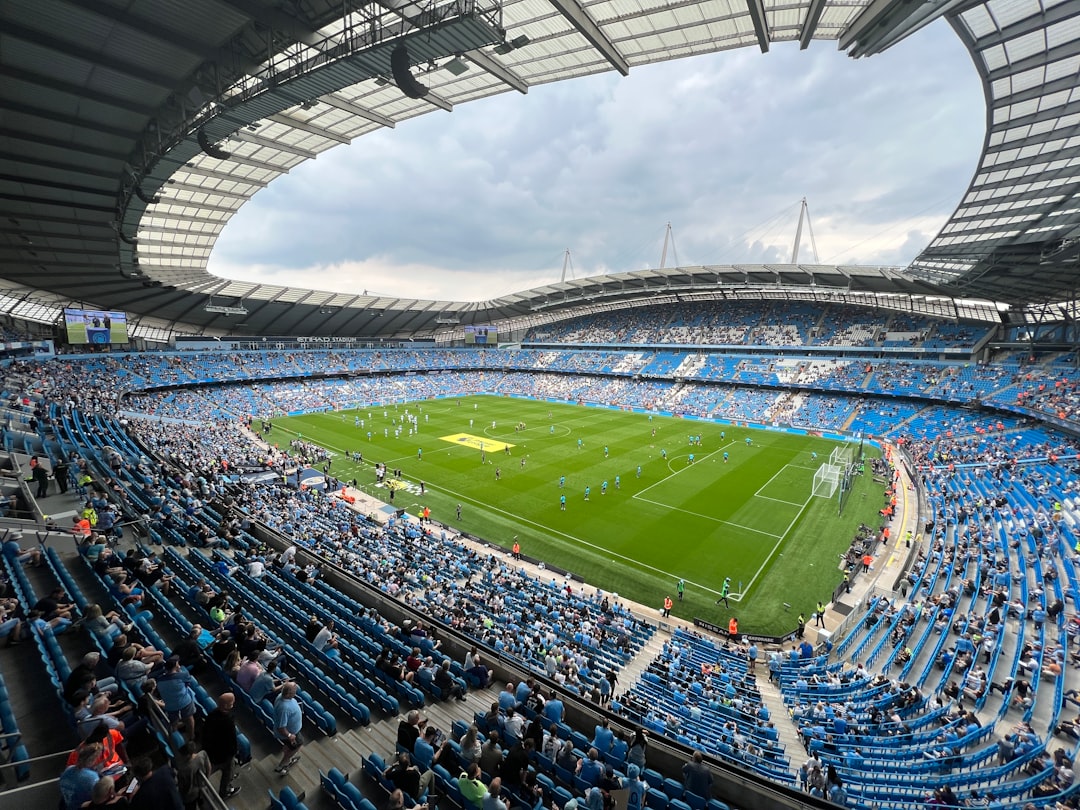
Reports emerging from Italian and Spanish media suggest that Manchester City are monitoring Brahim Díaz closely, with a loan deal being the most likely scenario. City manager Pep Guardiola is known for his affinity with technically gifted, intelligent midfielders who can adapt to his complex tactical systems. Díaz’s background with Manchester City, where he spent his formative years from age 16 to 21, adds a layer of familiarity to this potential reunion. Although he left City to seek regular playing time at Milan and later Madrid, the mutual understanding between player and club could facilitate a swift agreement. A loan move would allow City to test Díaz’s fitness and tactical fit without committing to a permanent transfer fee.
For Real Madrid, accepting a loan request from City would require careful consideration. Losing a player of Díaz’s caliber could weaken their squad depth, especially if they plan to challenge on all fronts in the 2024-25 season. However, if City offer a significant portion of his wages and guarantee playing time, it might be a mutually beneficial arrangement. Díaz could regain the form that made him a standout in the Premier League’s youth setups, while Madrid would reduce salary overheads. The situation is complicated by the fact that City already have a deep midfield, but Guardiola’s willingness to invest in talent suggests that Díaz’s specific skill set—his dribbling, vision, and ability to press high—could address specific needs in City’s squad rotation.
Implications for the Balkan Football Landscape
While Brahim Díaz is Spanish, his career path resonates with Balkan audiences due to the global nature of modern football and the presence of Balkan stars in both Real Madrid and Manchester City. At Real Madrid, Luka Modrić from Croatia continues to be a legendary figure, while Thibaut Courtois and others have strong fan bases in the region. The potential departure of Díaz would impact the team dynamics that Modrić and other Balkan-linked players rely on. Furthermore, Manchester City has attracted significant interest from Balkan fans due to their competitive stature and the presence of players like Bernardo Silva, whose style appeals to tactically astute supporters in Serbia, Croatia, and beyond.
For Balkan clubs and national teams, watching Díaz’s career offers insights into the development of modern attacking midfielders. His journey from City’s academy to Milan, then to Madrid, and potentially back to City, mirrors the career paths of many Balkan talents who seek opportunities across Europe. The transfer market’s fluidity means that Balkan players could see similar opportunities arise. If Díaz succeeds at City, it validates the pathway for other versatile midfielders from the region to target top Premier League clubs. Additionally, the financial implications of such a move could influence how Balkan clubs negotiate with European giants, emphasizing the importance of player development and loan strategies in maximizing value.
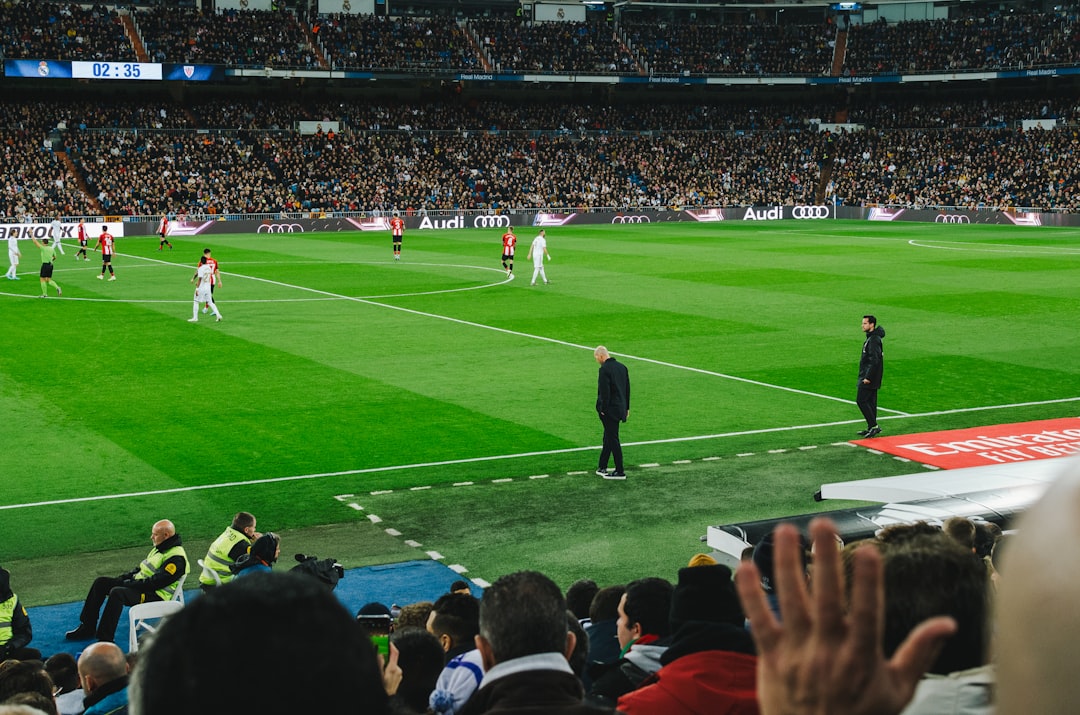
The situation surrounding Brahim Díaz remains fluid, with official announcements expected in the coming weeks as the summer transfer window approaches. Fans of Real Madrid will be keen to see if Ancelotti can convince Díaz to stay, emphasizing his role in the team’s long-term plans. Meanwhile, Manchester City supporters will be watching closely to see if Guardiola can lure the midfielder back to the Etihad Stadium. For the broader Balkan audience, this saga underscores the interconnectedness of Europe’s top leagues and the strategic decisions that shape the future of football’s elite clubs. Whether Díaz stays in Madrid or moves to Manchester, his next chapter will be closely followed by football enthusiasts across the region and beyond.



Comments