



The arrest of Blagomir Kocev, the long-serving mayor of Varna, Bulgaria’s third-largest city and primary Black Sea port, has sent shockwaves through the country’s political landscape. Authorities detained Kocev on charges related to organized crime and corruption, a move that has intensified public scrutiny of local governance and raised urgent questions about the intersection of municipal power and illicit networks. The development marks a significant escalation in Bulgaria’s ongoing efforts to dismantle entrenched criminal structures, drawing widespread attention from both domestic observers and international partners concerned with the rule of law in the Balkans.
Kovev, a prominent figure in Bulgarian politics, has held the mayoral office for multiple consecutive terms, overseeing major urban development projects and navigating complex economic challenges. His arrest, however, has cast a shadow over his tenure, prompting investigations into alleged irregularities in public procurement and alleged ties to criminal organizations. The case has become a focal point for debates on transparency, accountability, and the need for institutional reform in Bulgaria’s local administration. For Varna’s residents, the news has sparked a mix of outrage, uncertainty, and cautious optimism, as many hope the legal proceedings will lead to meaningful change in how municipal affairs are conducted.

Background and Context of the Investigation
The investigation into Blagomir Kocev is part of a broader crackdown on corruption and organized crime in Bulgaria, a nation that has long struggled with these issues despite repeated commitments to reform. Bulgarian authorities, often in collaboration with European Union bodies, have intensified efforts to target high-profile figures accused of exploiting their positions for personal or criminal gain. The case against Kocev reportedly stems from a complex network of allegations involving illegal construction, bribery, and money laundering, with evidence pointing to his alleged involvement in facilitating criminal activities within the city.
According to preliminary reports, the investigation was triggered by a series of complaints and whistleblowers who alleged that Kocev’s administration had turned a blind eye to criminal operations in exchange for political and financial support. The prosecution has presented evidence suggesting that Kocev may have used his influence to shield certain individuals from legal consequences, thereby enabling the continuation of illicit activities. These allegations, if proven, would represent a serious breach of public trust and could have far-reaching implications for Bulgaria’s reputation as a democratic state committed to the rule of law.
The case has also drawn attention to the broader issue of political corruption in Bulgaria, where high-profile arrests and convictions have become increasingly common in recent years. Critics argue that such cases highlight the persistent challenges faced by Bulgarian institutions in maintaining integrity and accountability, particularly at the local level. The outcome of Kocev’s trial will be closely watched by both domestic and international observers, as it could set a precedent for how similar cases are handled in the future and signal the government’s commitment to eradicating corruption.

Significance and Impact on Local and National Politics
The arrest of Blagomir Kocev has immediate and profound implications for the city of Varna, which is currently without a sitting mayor. In the wake of his detention, municipal operations have been temporarily managed by a caretaker administration, raising concerns about the continuity of public services and ongoing development projects. Residents have expressed frustration over the uncertainty, with some calling for an emergency election to fill the mayoral vacancy, while others advocate for a more thorough review of the city’s governance structures to prevent similar issues in the future.
Nationally, the case has reignited debates about the effectiveness of Bulgaria’s anti-corruption measures and the need for deeper institutional reforms. Political parties across the spectrum have weighed in on the matter, with some condemning Kocev’s alleged actions and others questioning the timing and motives behind the arrest. The opposition has seized on the case to criticize the ruling government’s handling of corruption cases, accusing it of selective justice and political bias. Meanwhile, the government has defended its actions, emphasizing the importance of upholding the law and ensuring that no individual is above justice.
The case has also drawn attention from international partners, including the European Commission, which has long monitored Bulgaria’s progress in combating corruption and organized crime. The outcome of Kocev’s trial could influence the EU’s assessment of Bulgaria’s adherence to rule-of-law principles, potentially impacting the country’s access to EU funds and its standing within the bloc. For Bulgaria, the case represents both a challenge and an opportunity to demonstrate its commitment to transparency and accountability, key pillars of its European identity.
The Balkan Angle: Regional Implications and Public Sentiment
Bulgaria’s struggle with corruption and organized crime is not unique in the Balkans, where many countries face similar challenges in the aftermath of their transitions to democracy and market economies. The case of Blagomir Kocev resonates across the region, as it highlights the persistent difficulties in establishing robust institutions and maintaining public trust in local governance. In neighboring countries such as Romania, Serbia, and Croatia, similar cases have sparked public outrage and calls for reform, underscoring the shared need for greater accountability and transparency in the Balkans.
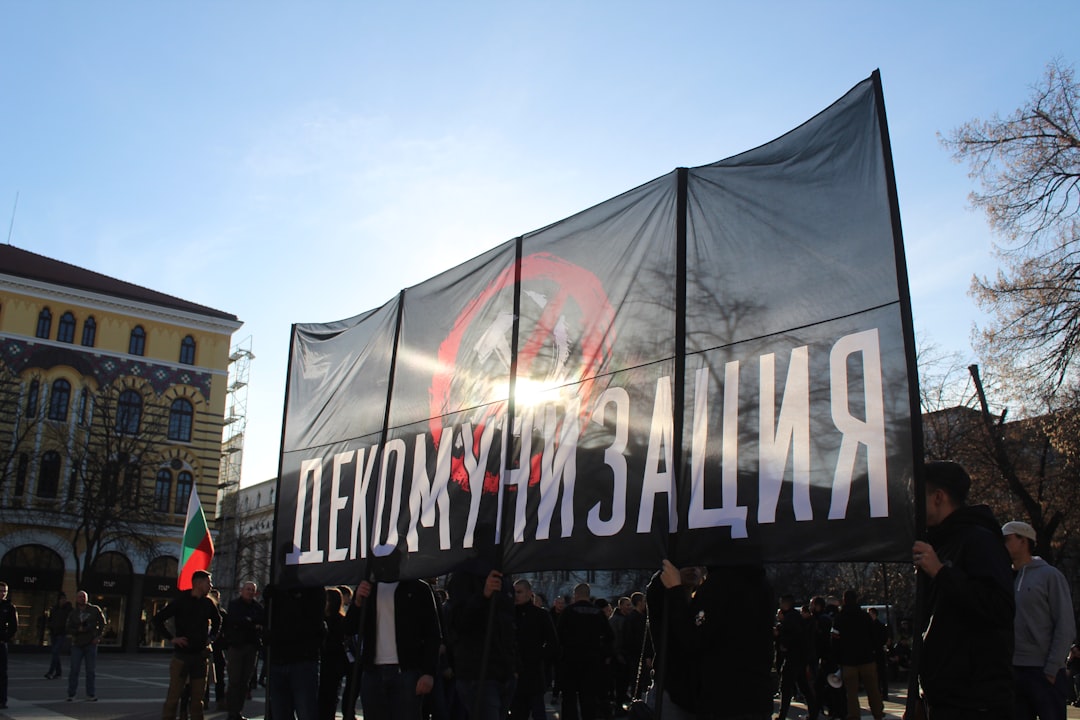
For Varna’s residents, the arrest of their mayor has sparked a mix of emotions. Many have expressed anger and disappointment, feeling that their trust in local leaders has been betrayed. Others, however, see the case as a necessary step toward cleaning up municipal politics and restoring faith in public institutions. Civil society organizations and independent media outlets have played a crucial role in keeping the issue in the public eye, organizing protests and demanding swift and fair legal proceedings. The case has also galvanized young people and activists, who view it as an opportunity to push for greater civic engagement and political participation.
The broader implications of the case extend beyond Bulgaria’s borders, as it reflects the ongoing challenges faced by Balkan countries in consolidating democracy and the rule of law. International observers and regional partners have closely monitored the developments, recognizing that the outcome could have significant implications for regional stability and integration. For the people of Varna and Bulgaria, the case serves as a stark reminder of the importance of vigilance, civic responsibility, and the relentless pursuit of justice. As the legal proceedings unfold, the eyes of the region will be on Varna, watching to see how the city and the country navigate this critical moment in their democratic journey.



Comments