


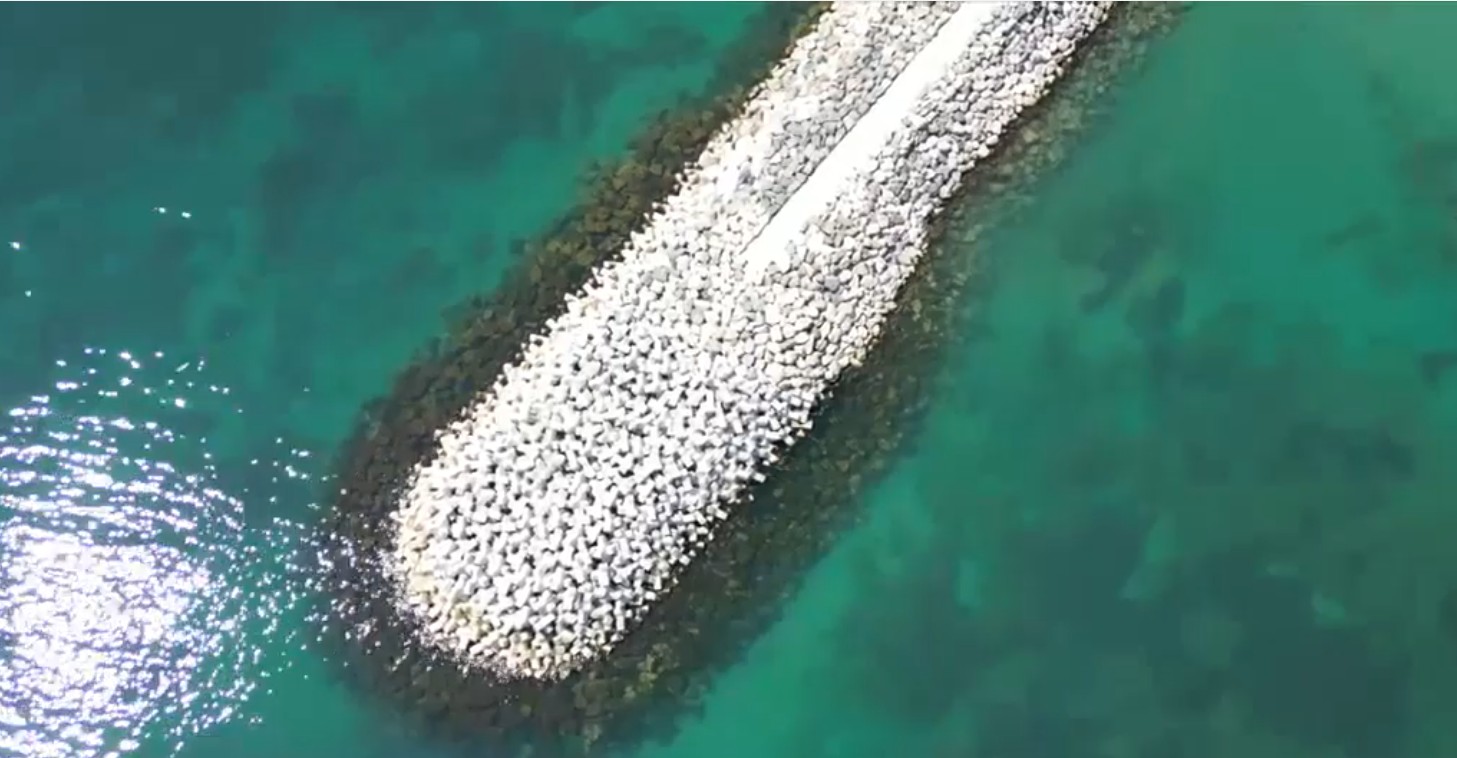
Recent photographs circulating across social media have captured a striking transformation along the Romanian Black Sea coast. The usually dark, slate-grey waters have shifted into vibrant shades of turquoise and crystal-clear blue. The visual effect is so dramatic that many observers have compared the scene to tropical destinations in the Caribbean, a stark contrast to the region’s typical maritime appearance.
This seasonal phenomenon has drawn significant attention from tourists and locals alike. The water’s clarity and color intensity suggest a tropical paradise, yet the reality is rooted in local marine biology. Experts clarify that this is not a sign of pollution or environmental distress, but rather a natural occurrence driven by specific types of algae.
Natural Causes Behind the Turquoise Shift
Marine biologists explain that the color change is caused by a bloom of specific algae species prevalent during this time of year. These microorganisms are essential for the health and balance of the Black Sea ecosystem. They form the base of the food web, supporting fish populations and other marine life. The density of these algae scatters sunlight in a way that reflects blue and green wavelengths, creating the vivid turquoise hue visible from the shore.
While some might mistake such vibrant colors for chemical spills or harmful algal blooms, authorities have confirmed that water quality remains safe for swimming and recreation. The phenomenon is temporary, lasting only as long as conditions favor the growth of these particular algae. It serves as a reminder of the complex, dynamic nature of coastal ecosystems.
Boost for Coastal Tourism
The stunning visuals have provided an unexpected boost for the tourism sector. Visitors flocking to resorts in Constanța and Mamaia are sharing images of the bright waters, enhancing the destination’s appeal. This natural spectacle aligns with the peak summer season, offering tourists a unique experience that differs from the usual beach holiday.
Local authorities and environmental groups encourage visitors to enjoy the scenery while respecting the fragile marine environment. The algae bloom, while beautiful, indicates a delicate balance that can be disrupted by human activity. Responsible tourism practices, such as avoiding littering and using reef-safe sunscreen, help preserve the ecosystem that creates this natural wonder.


serios? marea neagră arată ca în vacanțe din Caraibe lol. nu cred că e doar alge, pare prea frumos să fie real, dar dacă e natural e super cool. oare rămâne așa tot vara?