


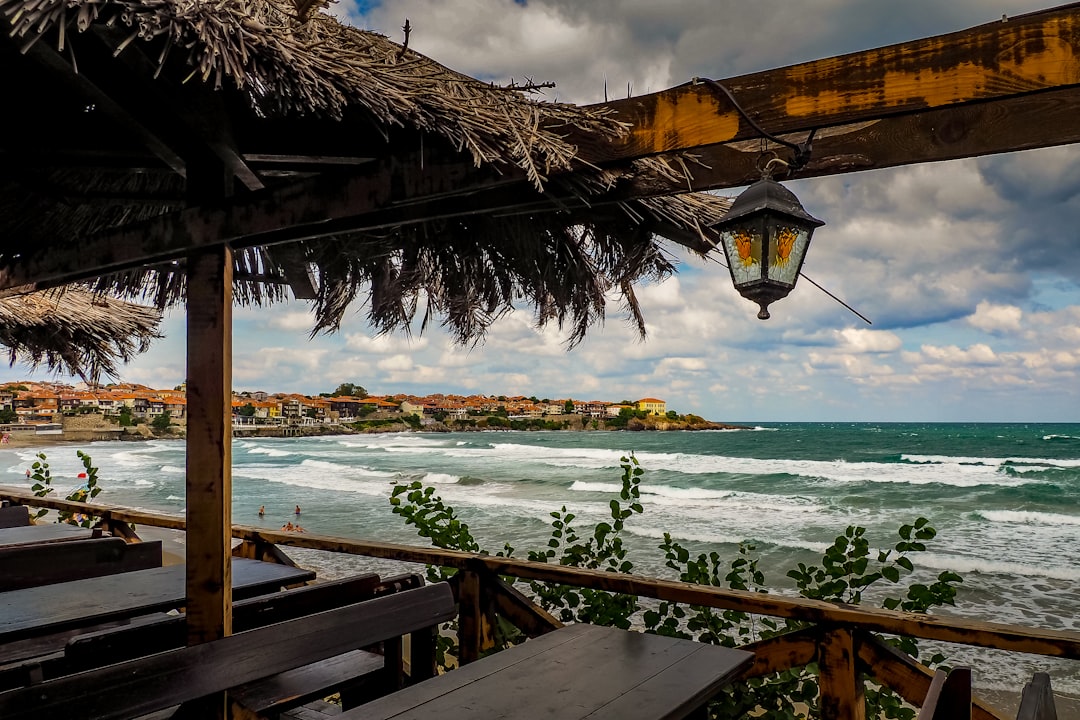
I am sitting in a pool of thick, lukewarm slime that smells like rotten eggs and ancient sea monsters. My left ear is plugged with grey sludge. A Bulgarian woman named Elena, wearing a plastic visor and a towel, slaps my shoulder with the rhythmic authority of a metronome. "More on the back," she says, not unkindly. I am in Kaliakra, a windswept peninsula north of Sozopol, and I have voluntarily submerged myself in one of the Black Sea's most aggressive therapeutic spas. This is not a luxury resort. This is Albena's lesser-known neighbor, a place where the earth sweats minerals and the tourists come to be cured of everything from arthritis to existential dread. The mud here is not a cosmetic; it is a weapon. It clings to you like a second skin, heavy with sulfur and salt, promising relief but delivering a sensation akin to being slowly digested by the seabed.
There is a raw, primal energy to the Bulgarian Black Sea coast that gets lost in the polished brochures of Varna. Here, the therapy is old-school. You do not glide through hydro-massage tunnels. You wade into open-air basins filled with water heated by geothermal springs, then you roll in the mud. It is messy, communal, and strangely spiritual. The air is thick with the scent of pine and brine. I am here to find out if the mud actually works, or if it is just a very expensive way to get dirty.
History & Identity
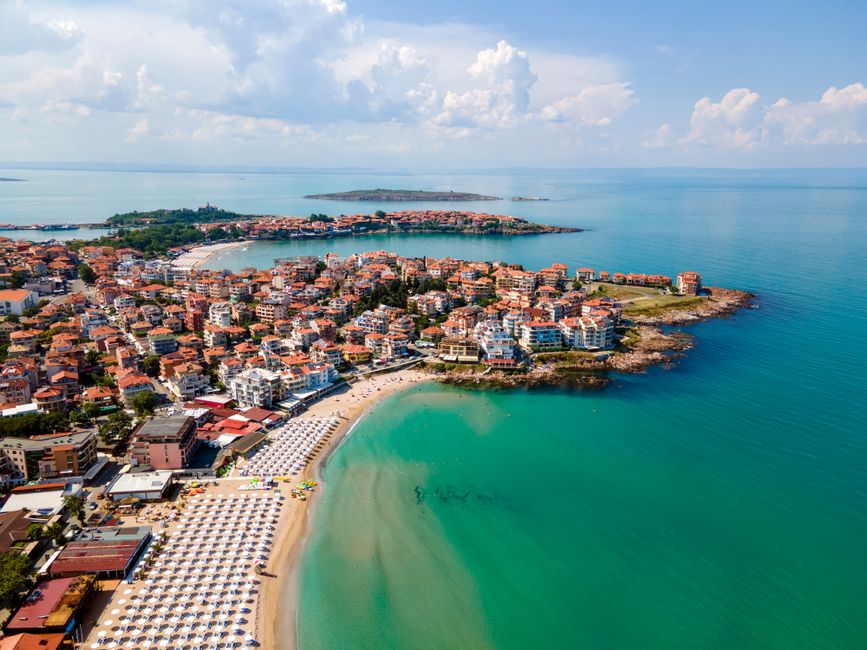
The therapeutic traditions of this coast stretch back to the Thracians, who believed in the healing power of hot springs long before the Romans arrived. The region around Sozopol is one of the oldest continuously inhabited settlements in Europe, founded by Greek colonists over two millennia ago. But it is the Kaliakra peninsula that holds the key to the modern spa culture. The geological formation of the Black Sea shelf here traps mineral-rich brine, which rises to the surface in hot springs. During the Soviet era, Bulgaria developed a massive network of saniatoriums — state-run health resorts designed to cure industrial workers of the physical toll of labor. These institutions were not about leisure; they were about maintenance. The mud baths were prescribed by doctors, administered in strict doses, and expected to return you to the factory floor.
Today, the identity of Sozopol has shifted from a quiet artistic enclave to a bustling summer destination, but the therapeutic core remains intact. The mud baths are a bridge between the ancient Thracian belief in earth-healing and the Soviet-era medicalization of relaxation. You are not just a tourist; you are a patient in a system that has been running for thousands of years. The locals take it seriously. You will see elderly men in swim trunks and caps, discussing blood pressure and joint pain with the same casual intensity they reserve for football. This is not a spa; it is a clinic with a view.
Where to Go
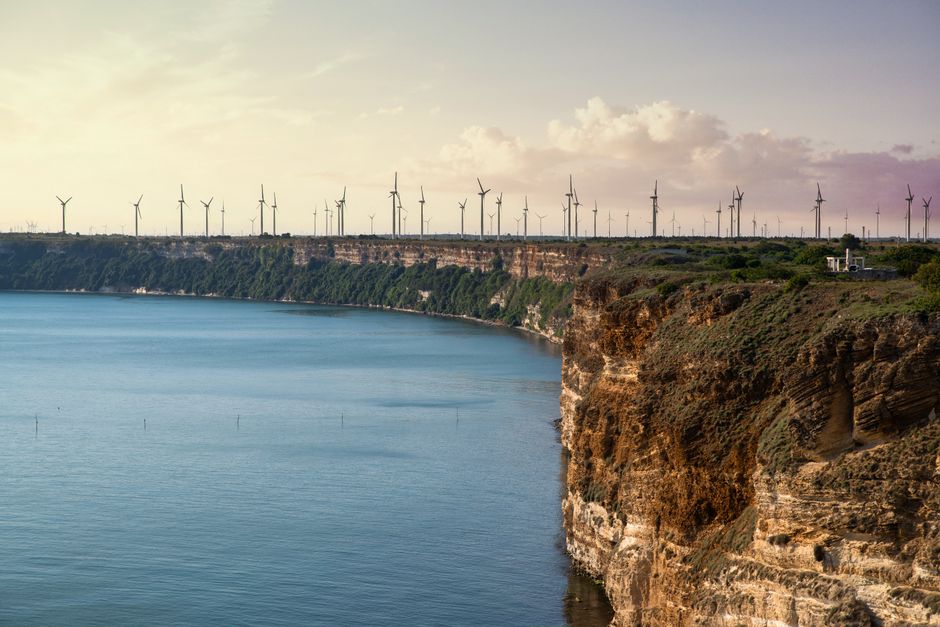
Kaliakra Cape — The northern anchor of the Sozopol coast, this dramatic limestone cliff offers a stark contrast to the muddy spas. The landscape is rugged, dotted with ancient Thracian fortresses and lighthouses. It is a place for walking, not just soaking. The wind here is relentless, whipping off the Black Sea and drying the mud on your skin before you can rinse it off. Entry is free, but the views are priceless. Visit early morning to avoid the crowds and catch the sun hitting the white cliffs.
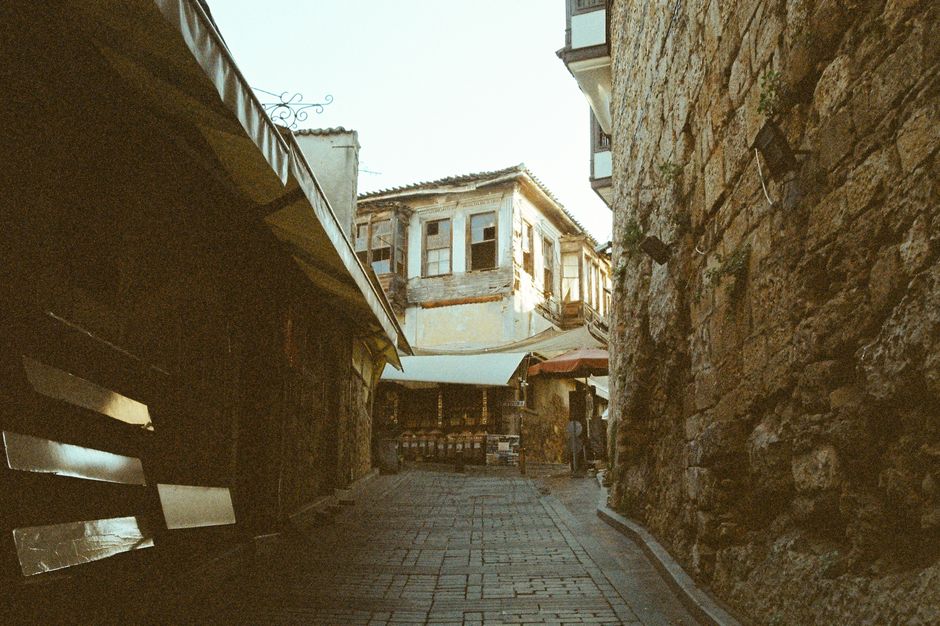
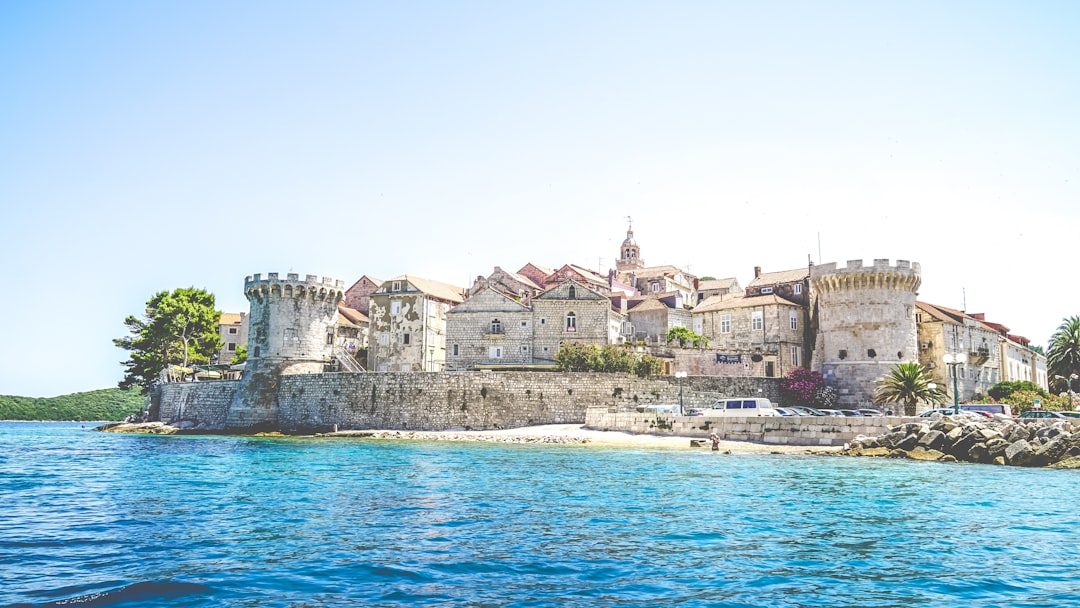
Sozopol Old Town — The heart of the region, this wooden-house district is a labyrinth of narrow streets, art galleries, and Orthodox churches. It is the cultural counterpoint to the physical therapy of the mud baths. After a session in the sludge, you need wine and art. The atmosphere is bohemian, with cobblestone streets that glow gold at sunset. The St. Athanasius Church is the oldest building in the town, a stone sentinel overlooking the harbor. Entry to most churches is free, but donations are appreciated.
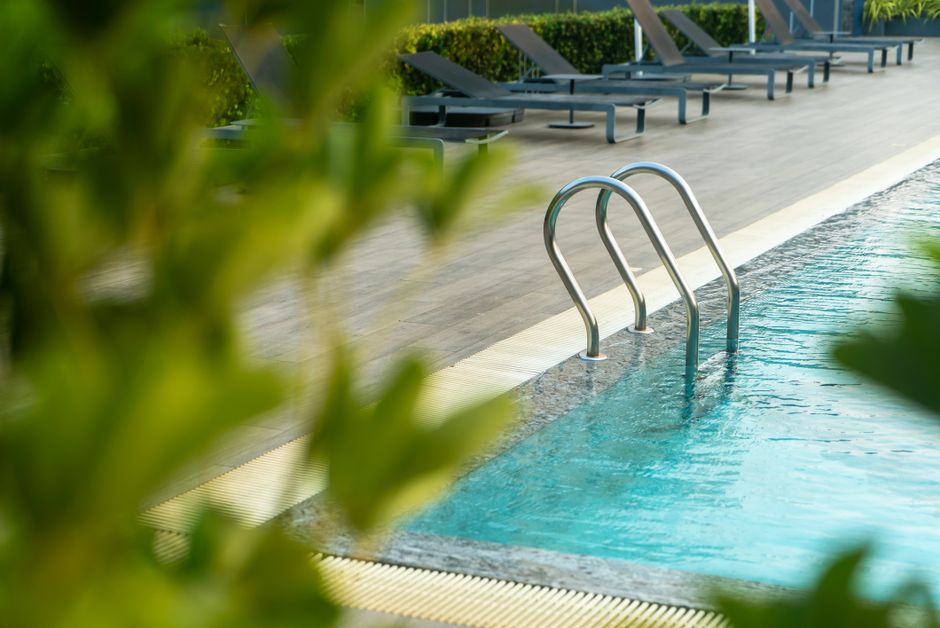
Albena Spa Complex — While many seek the wilder mud baths, Albena offers a more structured experience. This massive resort complex has a dedicated spa center with thermal pools and mud application services. It is cleaner, more expensive, and less authentic, but it offers a full range of treatments including massages and wraps. Ideal for those who want the benefits without the grit. Entry fees vary, but a basic pool session costs around 15-25 EUR.
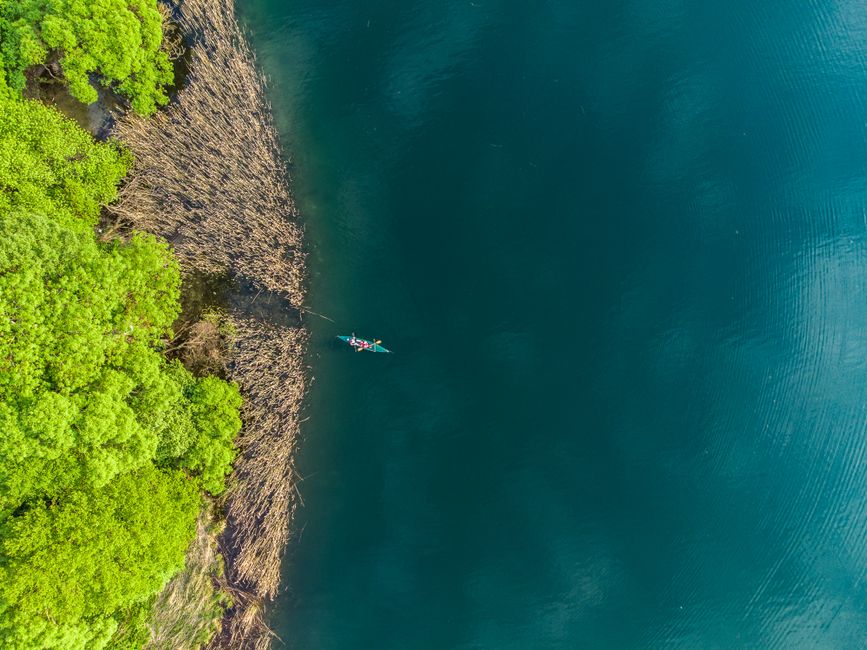
Kiten Lake — Just south of Sozopol, this coastal lagoon is a haven for birdwatchers and kayakers. The water is shallow and brackish, offering a different kind of thermal experience. You can rent kayaks and paddle through the reeds, watching pelicans and herons. It is a peaceful escape from the spa crowds. Kayak rental costs around 5-10 EUR per hour.
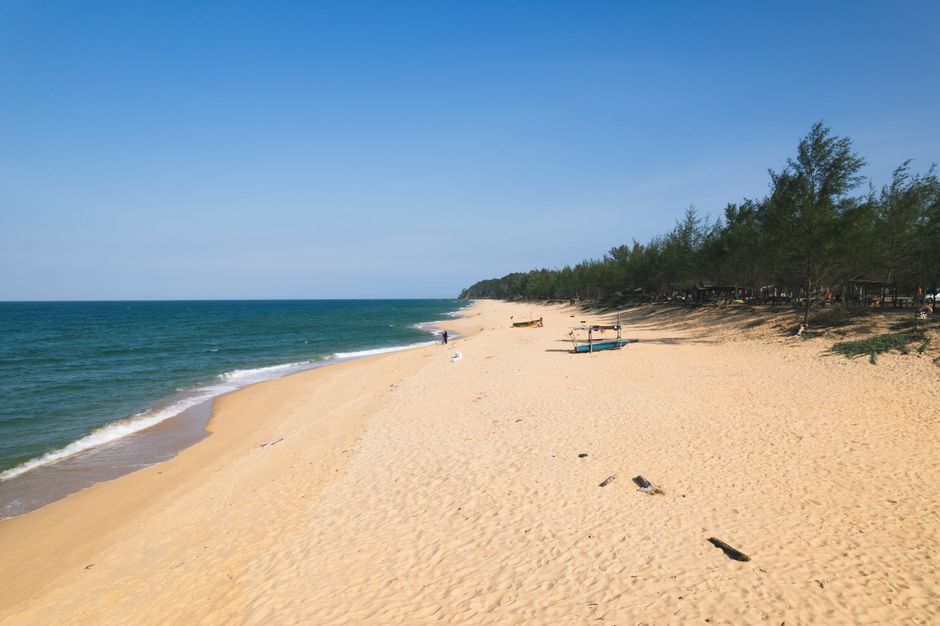
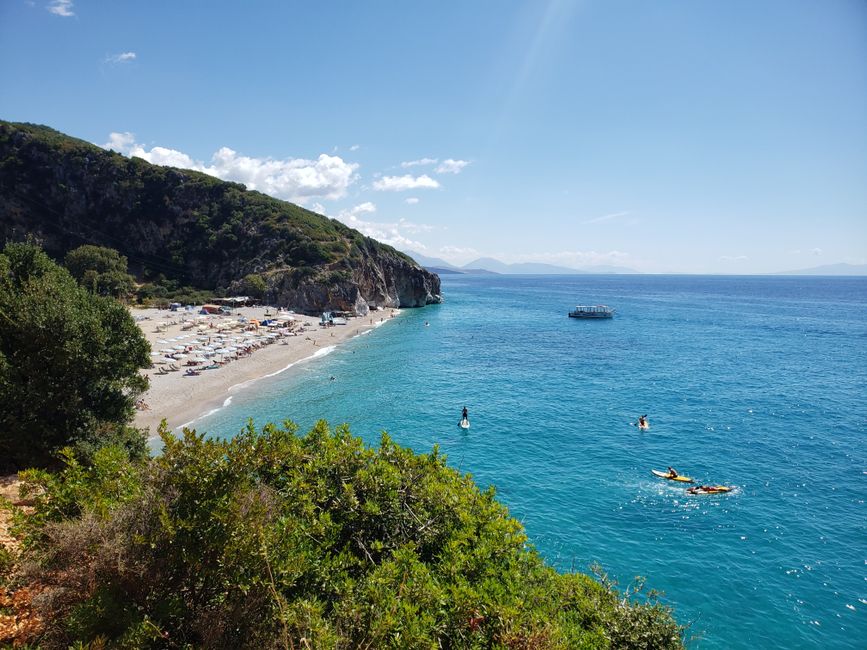
Emona Beach — The longest beach on the Bulgarian coast, stretching for kilometers along the Sozopol shoreline. It is wide, sandy, and often less crowded than the beaches directly in front of the hotels. The water is warm, perfect for rinsing off after a mud bath. Umbrella and sunbed rental is around 5-8 EUR per day.
What to Eat & Drink
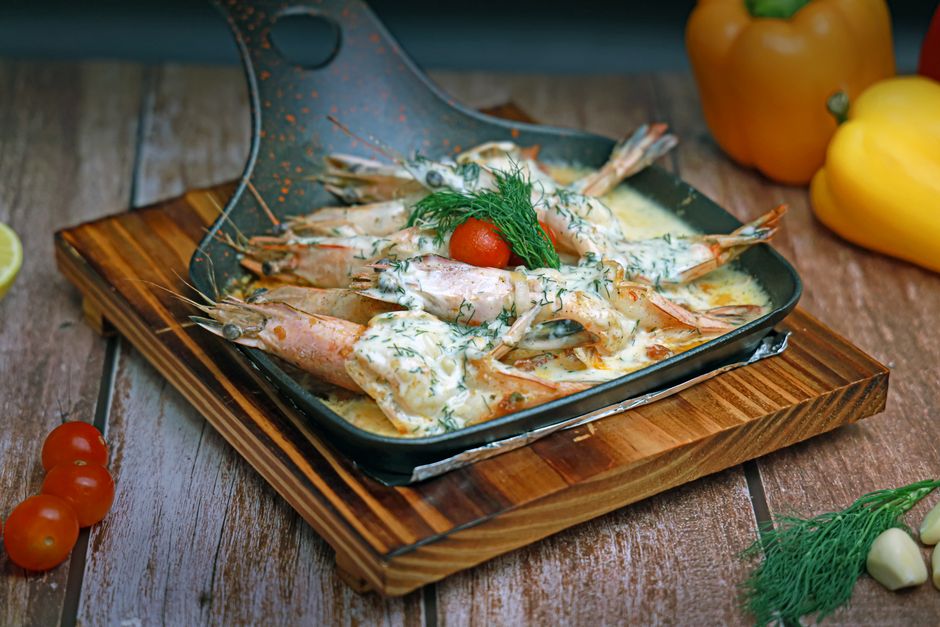
The mud makes you hungry. After the detox, you need to refuel. The local cuisine is heavy on seafood, given the proximity to the Black Sea. Scampi are a local specialty, often grilled with garlic and lemon. A plate of grilled scampi costs around 12-18 EUR. Shopska Salad, a mix of tomatoes, cucumbers, peppers, and sirene cheese, is the perfect side dish, costing about 4-6 EUR. For a heartier meal, try banitsa, a savory pastry filled with cheese and eggs, which is a staple breakfast item costing 2-4 EUR.
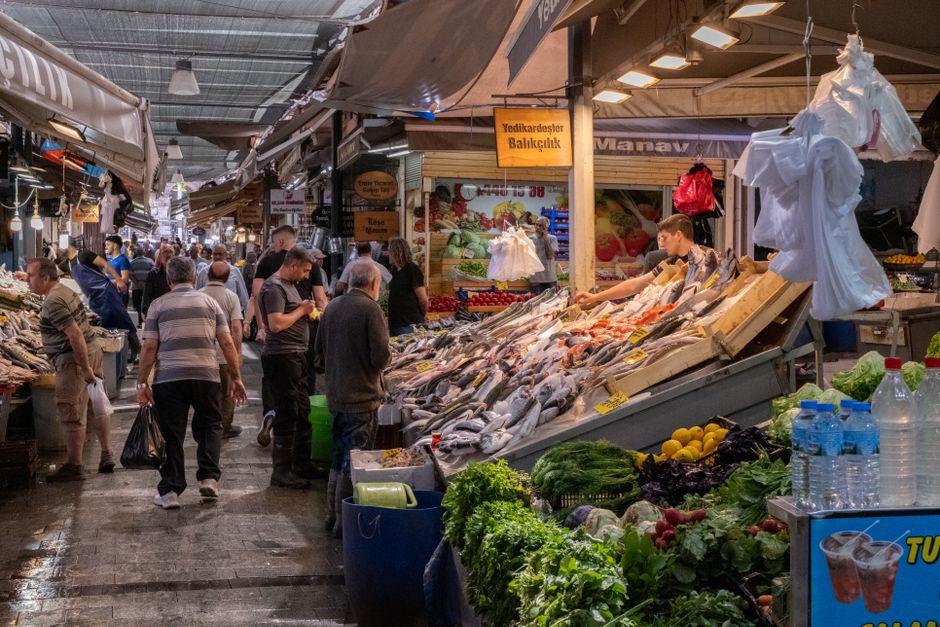
Budget breakdown: Street food like kebapche (minced meat sausages) is available from vans and costs 3-5 EUR. A sit-down meal at a local taverna in Sozopol's old town will set you back 15-25 EUR per person, including wine. Mid-range restaurants in the resort areas like Albena are more expensive, ranging from 25-40 EUR. For budget travelers, the Sozopol Central Market is a great place to buy fresh produce and cheese for a picnic. You can assemble a meal for under 5 EUR.
Nightlife
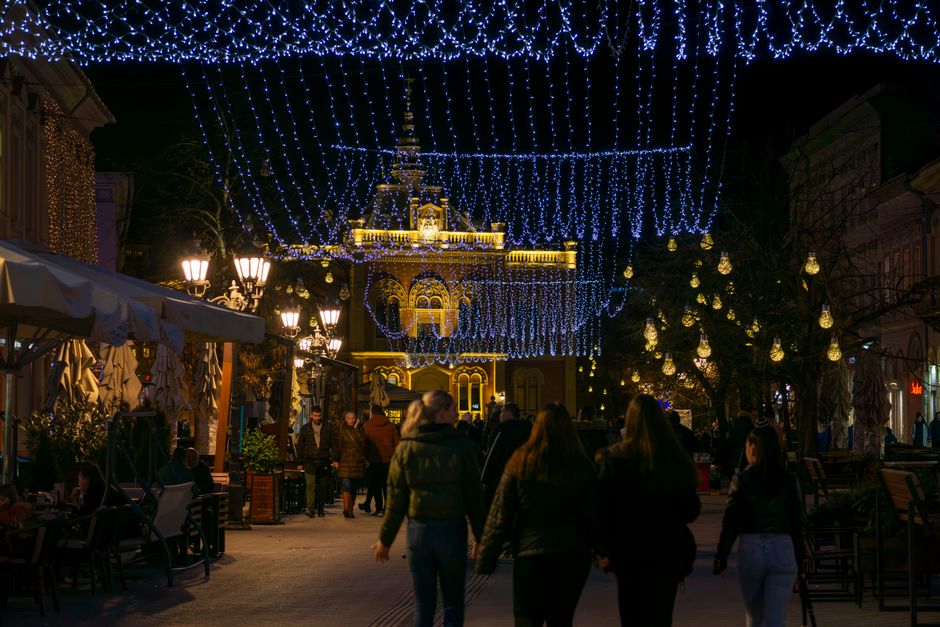
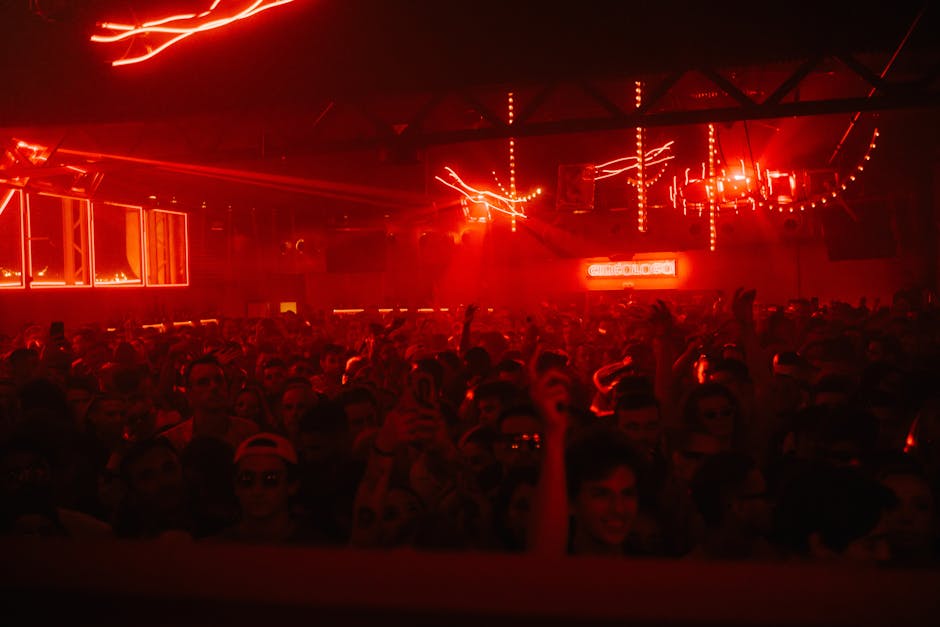
Sozopol's nightlife is concentrated in the Old Town and along the beachfront. The atmosphere is lively, with live music spilling out onto the cobblestone streets. Club 40 is a popular venue for electronic music, with a cover charge of around 10-15 EUR. Barbados is a beach bar that serves cocktails and plays reggae, perfect for a sunset drink. The cost of a cocktail is around 5-8 EUR. For a more local experience, head to Cherna Chardaf, a taverna that doubles as a bar, where you can drink rakia (fruit brandy) and listen to folk music. A glass of rakia costs 2-4 EUR.
Getting There & What to Expect
The nearest airport is in Varna, which is about 70 km north of Sozopol. Buses run frequently from Varna to Sozopol, taking around 1.5 hours and costing 5-8 EUR. You can also rent a car in Varna for around 30-50 EUR per day. From Burgas, which is south, buses take about 1.5 hours and cost 5-8 EUR. Accommodation in Sozopol ranges from budget hostels at 15-25 EUR per night to mid-range hotels at 50-80 EUR per night. The best time to visit is May or September, when the weather is warm but the crowds are smaller. The mud baths are open year-round, but the outdoor pools are more pleasant in the summer months.
Search accommodation in Sozopol on Booking.com →
The Sludge and the Soul
As I rinse the last of the mud from my hair in the outdoor shower, the water runs grey. My skin feels tight, almost rubbery, but there is a lightness in my joints that wasn't there before. Elena nods at me, a silent acknowledgment of the ritual complete. I walk back to my hotel, the Black Sea wind cooling my skin. The mud baths of Kaliakra are not for everyone. They are messy, intense, and unapologetically raw. But in a world of polished wellness retreats and overpriced essential oils, there is something refreshing about this ancient, earthy remedy. It reminds you that healing is not always gentle. Sometimes, you have to be buried to be reborn.
Comments