


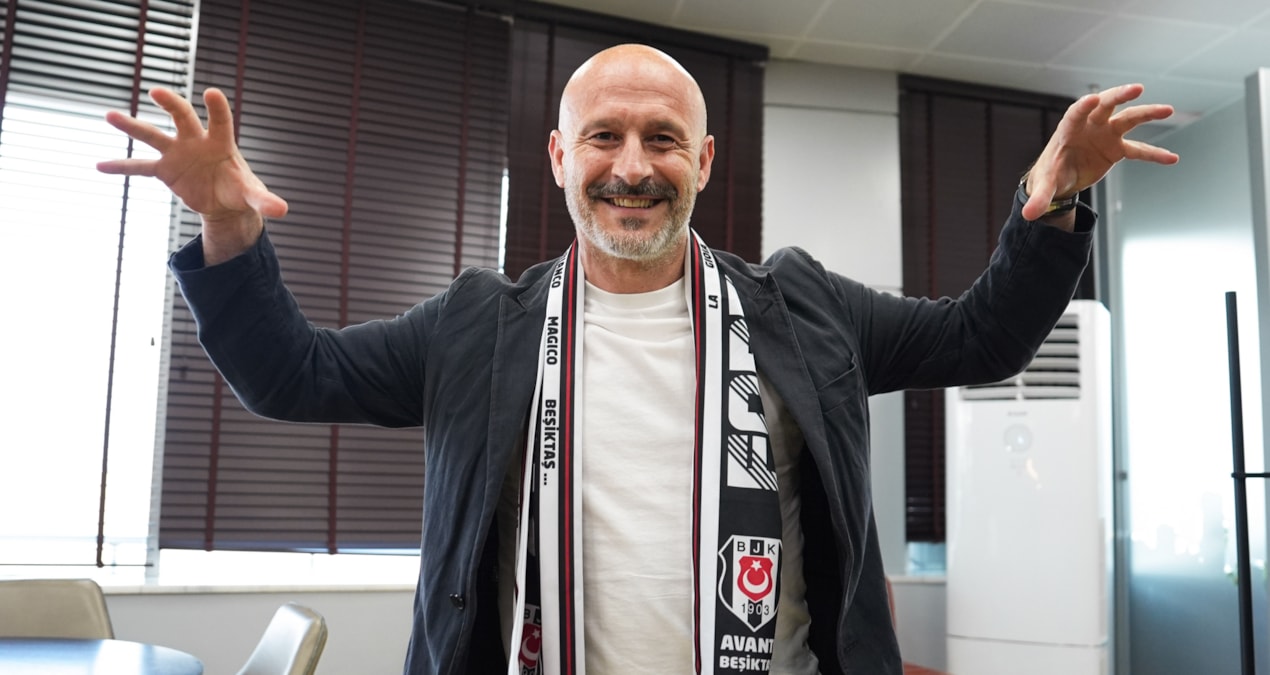
The wait is over. The dust has settled. Beşiktaş has found its new general, and the name echoing through the corridors of power is Vincenzo Italiano. Forget the whispers about Portugal or Spain; Football Director Önder Özen set his sights on Italy, and the deal is done. President Serdal Adalı didn't just send an email; he chartered a private jet to Rome, landed, and secured a two-year contract with the 48-year-old tactician. Now, Italiano is in Istanbul, ready to reshape the club's identity.
A Tactical Revolution on the Horizon
This isn't just a new face; it's a new philosophy. Italiano’s resume speaks volumes, with significant marks left at Fiorentina and Bologna. But what does he bring to the Black and White table? The Sözcü has dissected his playbook, and the message is clear: comfort zones are dead. Italiano despises players who panic under pressure or rely solely on long balls. He wants control. He wants precision. He wants players who can build from the back without fear.
Position by Position: The Italiano Standard
Let's break down the demands, because Italiano is not playing around.
- Goalkeepers: Forget the sweeper-keeper stereotype. Italiano uses his keepers as an extra defender in build-up. Look at Pietro Terracciano in Florence or Łukasz Skorupski in Bologna—they were integral parts of the passing network, not just shot-stoppers.
- Center-Backs: Slow, clumsy defenders who struggle to turn will not survive here. Italiano prefers quick, agile stoppers who can handle the ball and maintain defensive depth. If you can't move the ball, you won't move the ball.
- Full-Backs: Defensive-only full-backs are extinct in Italiano's system. He demands wing-backs who act as wingers. Players like Biraghi, Dodo, Kayode, and Holm thrived because they provided width and constant forward thrust. Stay back, and you stay on the bench.
- The Number 10: The classic, lazy playmaker who hides from defensive duties? Gone. In Italiano's setup, even the number 10 must press. If you can't win the ball back, you don't get to keep it.
- Wingers: Static wingers who camp on the touchline will fade into obscurity. Italiano needs athletes who press with the team and explode forward. Think Nico González, Orsolini, Sottil, and Ndoye—players who run until their lungs burn.
- Strikers: Poachers who wait for the ball in the box are out. Italiano needs a striker who moves constantly, harrying the defense, forcing errors, and creating chaos. If you stand still, you starve.
The question now isn't whether Italiano is good—he is. The question is whether the squad can adapt to his relentless, high-octane demands. The era of Vincenzo Italiano has begun.



fenerbahce taraftarı olarak bakıyorum da bu adamın sistemi tam olarak bizde çalışan şey değil ama işte beşiktaşlılar mutlaka ngl. şimdiden şampiyonluk rüzgarı esiyor herhalde lol