



The Turkish political landscape is currently dominated by a heated economic dispute sparked by opposition claims regarding the national budget. Berat Albayrak, the Turkish Minister of Treasury and Finance, has firmly rejected allegations made by the Republican People's Party (CHP), stating that their assertion of a $128 billion deficit is factually incorrect. This confrontation highlights the deepening polarization in Turkey’s economic policy discussions and underscores the government’s strategy of defending its fiscal management amid rising global inflation and regional instability. For Balkan audiences, particularly in neighboring Bulgaria and Romania, Turkey’s economic health directly influences trade flows, energy supplies, and labor migration patterns, making this internal political battle a matter of regional interest.
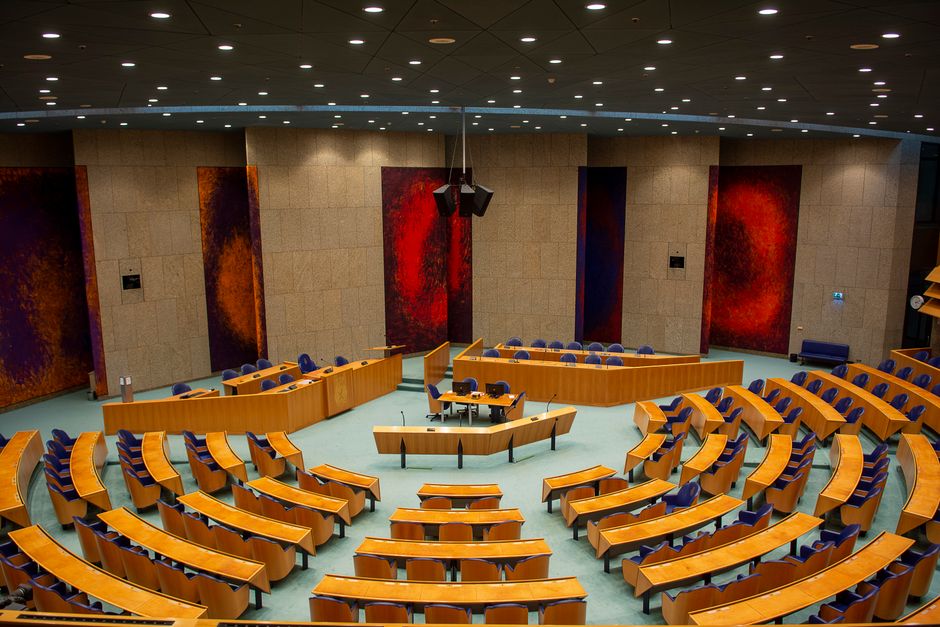
The controversy centers on a recent parliamentary debate where CHP representatives cited a figure of $128 billion as the country's deficit, aiming to criticize the government’s fiscal discipline. Albayrak, a key architect of Turkey’s economic policies and son-in-law of President Recep Tayyip Erdoğan, responded with a detailed rebuttal. He argued that the opposition’s figure is a misrepresentation of the official budget data, which shows a significantly lower deficit when calculated according to standard international accounting practices. This exchange is not merely a political skirmish but a battle over the narrative surrounding Turkey’s economic stability, a topic that resonates deeply with investors and citizens alike across the Balkans, where economic uncertainty is a shared concern.
The Dispute Over Deficit Figures
The core of the disagreement lies in how the deficit is calculated and presented. The CHP’s claim of a $128 billion deficit likely stems from a broader interpretation that includes off-budget expenditures, state-owned enterprise liabilities, or other fiscal measures that are not part of the primary budget deficit. Albayrak, in his response, emphasized that the official deficit figure, as reported by the Turkish Statistical Institute (TÜİK) and the Ministry of Treasury and Finance, is much lower. He pointed out that the government has been working to reduce the deficit as a percentage of GDP, in line with its long-term economic program. This distinction is critical, as it affects how international rating agencies and foreign investors perceive Turkey’s fiscal health.
Albayrak’s rebuttal included a breakdown of the budget figures, showing that the deficit for the current fiscal year is well within the targets set by the government. He also highlighted the steps taken to improve revenue collection and control public spending, which he argued are essential for maintaining macroeconomic stability. The minister’s response was seen as a direct challenge to the opposition’s narrative, which has been gaining traction in the media and among the public. This debate reflects a broader trend in Turkish politics, where economic issues are increasingly used as a tool for political mobilization, with both the ruling Justice and Development Party (AKP) and the opposition CHP seeking to define the terms of the economic discourse.
For international observers, the dispute over deficit figures is a reminder of the complexities involved in assessing Turkey’s economic performance. The country has faced significant challenges in recent years, including high inflation, currency volatility, and external debt pressures. The government’s approach to managing these challenges has been a subject of intense debate, with critics arguing that unconventional monetary policies have contributed to economic instability. Albayrak’s defense of the government’s record is part of a broader effort to reassure markets and investors that Turkey is on a path to sustainable growth, a message that is particularly important for Balkan countries that maintain strong economic ties with Turkey.
Balkan Angle: Trade, Energy, and Regional Stability
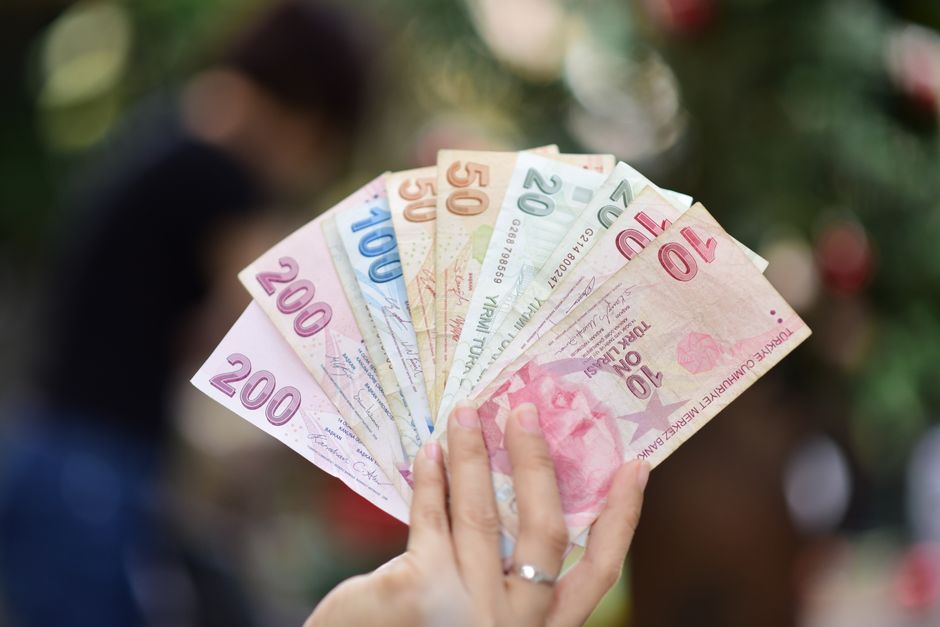
Turkey’s economic policies have direct implications for its Balkan neighbors, particularly in the areas of trade, energy, and labor. Bulgaria, Romania, and Greece are among Turkey’s largest trading partners in the region, with significant volumes of goods and services exchanged across borders. Any perception of economic instability in Turkey can lead to currency fluctuations and trade imbalances that affect these countries. For instance, a weaker Turkish lira can make Turkish exports more competitive, potentially impacting local industries in the Balkans. Conversely, economic strength in Turkey can boost regional demand for Balkan goods and services, creating opportunities for businesses in the area.
Energy is another critical area where Turkey’s economic health matters to the Balkans. Turkey serves as a key transit country for natural gas and oil from the Caspian region to Europe, with pipelines passing through Bulgarian and Romanian territory. The stability of Turkey’s economy influences the reliability of these energy supplies, which are vital for the energy security of Balkan nations. Additionally, Turkey’s investments in energy infrastructure, such as the Trans-Anatolian Natural Gas Pipeline (TANAP) and the Trans Adriatic Pipeline (TAP), have significant regional implications. Any economic downturn in Turkey could delay or disrupt these projects, affecting energy prices and availability in the Balkans.
Labor migration is also a significant factor linking Turkey and the Balkans. Many Turkish workers are employed in countries like Bulgaria, Romania, and Greece, contributing to the local economies and filling labor shortages in various sectors. Economic conditions in Turkey influence the flow of these workers, with higher unemployment or lower wages in Turkey potentially leading to increased migration to the Balkans. Conversely, economic growth in Turkey can attract Balkan workers, particularly in the construction and tourism sectors. The ongoing economic debate in Turkey, therefore, has direct consequences for labor markets and social dynamics in the Balkans, making it a topic of interest for policymakers and citizens alike.

What to Watch Next
As the debate over Turkey’s deficit figures continues, several key developments will determine the direction of the country’s economic policy. Investors and analysts will be closely monitoring the upcoming inflation data and central bank decisions, as these will provide insights into the effectiveness of the government’s monetary policy. The Turkish Lira’s performance against major currencies like the US dollar and the euro will also be a critical indicator of market confidence. For Balkan audiences, tracking these economic indicators is essential for understanding potential impacts on trade, energy, and labor markets.
Politically, the outcome of this dispute could influence the broader narrative leading up to future elections in Turkey. Both the AKP and the CHP are likely to intensify their efforts to shape public opinion on economic issues, with Albayrak and other government officials defending their record while the opposition highlights perceived failures. This political dynamic will have implications for regional stability and cooperation, as economic policies often intersect with foreign policy and regional relations. Balkan countries will need to remain vigilant and adaptable, ensuring that their economic and diplomatic strategies are aligned with the evolving situation in Turkey.
In conclusion, the controversy surrounding Berat Albayrak’s dismissal of the CHP’s $128 billion deficit claim is more than a domestic political dispute; it is a reflection of the broader economic challenges facing Turkey and its regional partners. For the Balkans, understanding these dynamics is crucial for navigating the complexities of trade, energy, and labor in an interconnected region. As Turkey continues to grapple with economic uncertainty, its neighbors will be watching closely, recognizing that the stability of one country is inextricably linked to the prosperity of all. The coming months will be critical in determining whether Turkey can achieve the economic stability needed to support both its own citizens and its regional partners.



Comments