


One of Belgrade's most significant thoroughfares, Bulevar despota Stefana, is scheduled for a complete closure starting in August, marking the beginning of a massive two-year renovation project. The initiative, confirmed by city officials and detailed in recent reports from Nova.rs, aims to modernize the infrastructure of this key arterial road that connects the city center with the northern suburbs. For residents of the capital and daily commuters, the announcement has sparked a mix of anticipation for improved urban facilities and concern over the inevitable traffic disruptions that will accompany such a large-scale intervention.
The road, named after Stefan Lazarević, the medieval Serbian despot and Renaissance humanist, serves as a vital link between the historic core of Belgrade and the rapidly developing northern districts. The decision to close the boulevard entirely is a bold move by the City of Belgrade, signaling a shift towards comprehensive urban renewal rather than patchwork repairs. This project is part of a broader strategy to enhance public transport efficiency, improve pedestrian safety, and modernize utility networks that have aged significantly over the past few decades.
Scope of the Renovation Project
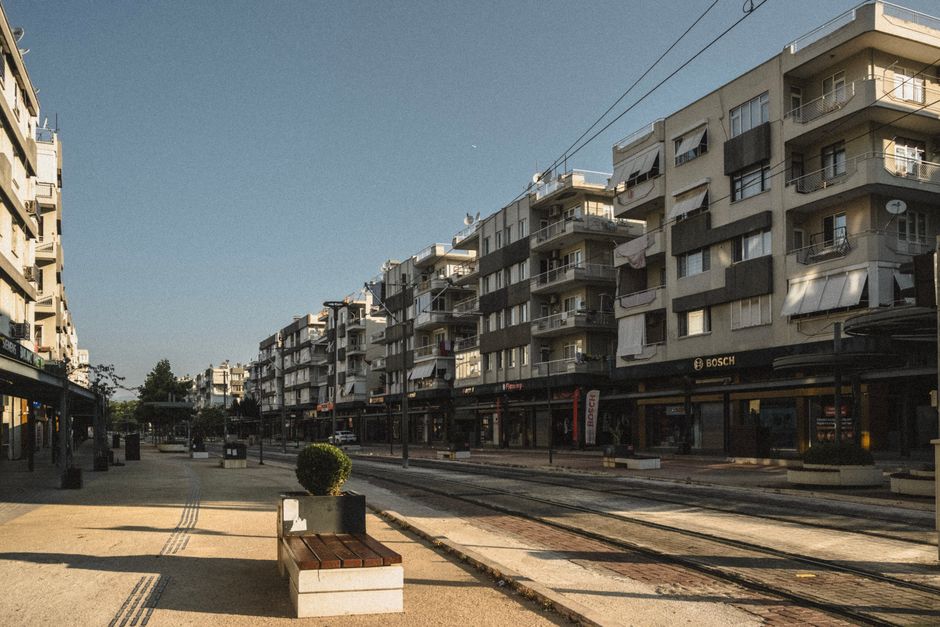
The renovation works are expected to be extensive, covering the entire length of the boulevard within the city limits. City planners have outlined a comprehensive plan that includes the reconstruction of the road surface, the installation of new asphalt, and the complete overhaul of the tram tracks that run along the median. The tram line is a critical component of Belgrade's public transportation system, and its modernization is seen as essential for improving the reliability and speed of transit for the thousands of daily users who rely on it to navigate the city.
Beyond the road and tram infrastructure, the project will also involve the replacement of underground utility lines, including water, sewage, and electricity cables. These often-overlooked aspects of urban renewal are vital for preventing future disruptions and ensuring that the city's infrastructure can meet the demands of a growing population. Additionally, the sidewalks are set to be widened and redesigned to accommodate more pedestrians, with new landscaping and lighting fixtures planned to enhance the aesthetic appeal and safety of the corridor.
The two-year timeline reflects the complexity of the work involved. City officials have emphasized that the complete closure is necessary to allow construction crews to work efficiently without the constant interruption of traffic. This approach, while disruptive in the short term, is intended to minimize the overall duration of the project and reduce the long-term impact on residents. Temporary detours and alternative transport routes will be established to help manage the flow of traffic during the construction period.
Impact on Commuters and the Balkan Urban Context
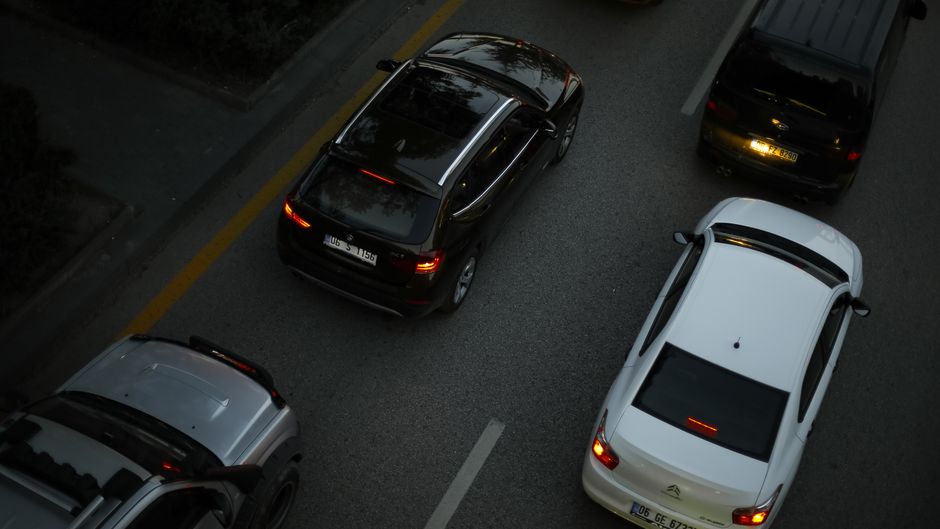
The closure of Bulevar despota Stefana will have a significant impact on daily commuters in Belgrade. Traffic experts warn that the closure will lead to increased congestion on parallel streets, particularly during peak hours. The city has announced plans to enhance public transport services on alternative routes to mitigate the impact on drivers, encouraging residents to use trams and buses where possible. For those who rely on private vehicles, the period from August onwards will require careful planning and patience as they navigate the changed traffic landscape.
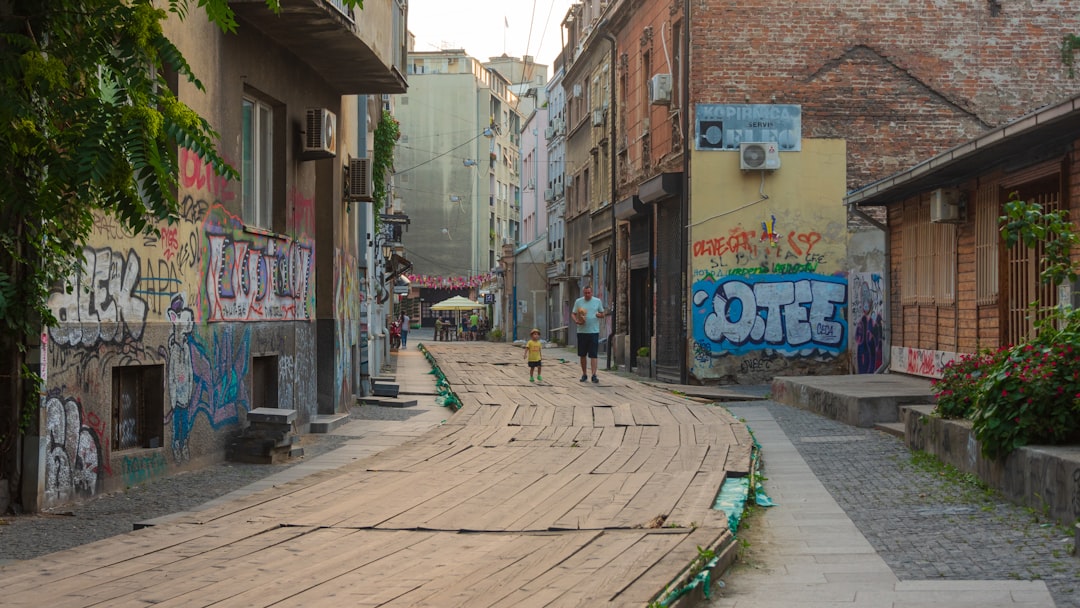
This project places Belgrade in the context of other major Balkan capitals undergoing similar urban transformations. Cities like Zagreb, Sarajevo, and Sofia have all undertaken large-scale infrastructure projects in recent years to modernize their urban environments. Belgrade's approach to the Bulevar despota Stefana renovation reflects a growing regional trend towards prioritizing public transport and pedestrian-friendly spaces. The project aims to reduce the city's carbon footprint by making public transport a more attractive option for residents.
The Balkan region has seen a surge in investment in urban infrastructure, driven by both local development goals and international funding opportunities. The renovation of Bulevar despota Stefana is likely to be supported by a combination of municipal budgets and external grants, highlighting the importance of such projects for the economic and social development of the region. By improving connectivity and accessibility, the project aims to boost local businesses and enhance the quality of life for Belgrade's residents.
Historical Significance and Future Outlook
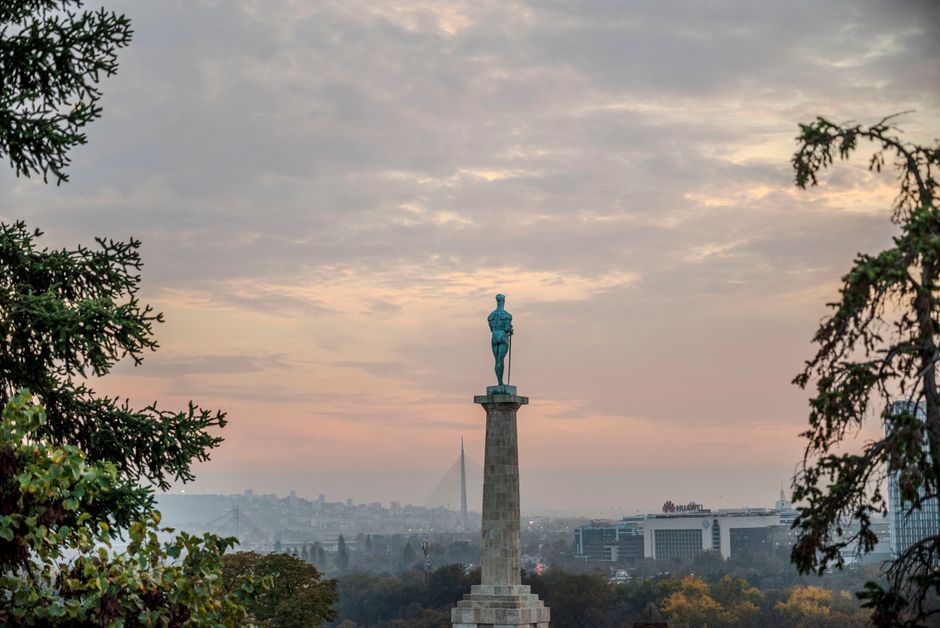
Bulevar despota Stefana is not just a road; it is a piece of Belgrade's living history. Named after Stefan Lazarević, the road has witnessed the city's transformation from a medieval fortress to a modern European capital. The renovation project presents an opportunity to honor this history while embracing the future. Plans include the preservation of historical elements along the boulevard, such as existing monuments and architectural features, ensuring that the cultural heritage of the area is respected and maintained.
Looking ahead, the completion of the renovation is expected to bring significant benefits to the city. A modernized road network and improved public transport system will enhance mobility, reduce travel times, and improve air quality. The project is also expected to stimulate economic activity in the surrounding areas, as improved infrastructure often leads to increased investment and development. For the residents of Belgrade, the end of the two-year construction period will mark the beginning of a new era for one of the city's most important arteries.
As the closure date approaches, residents are advised to stay informed about traffic updates and alternative routes. The City of Belgrade has committed to regular communication with the public throughout the project, providing information on construction progress and any changes to the plan. While the next two years will present challenges, the long-term vision of a more connected, sustainable, and livable Belgrade offers a compelling reason to endure the temporary disruptions. The transformation of Bulevar despota Stefana stands as a testament to the city's ambition to evolve and thrive in the 21st century.



Comments