


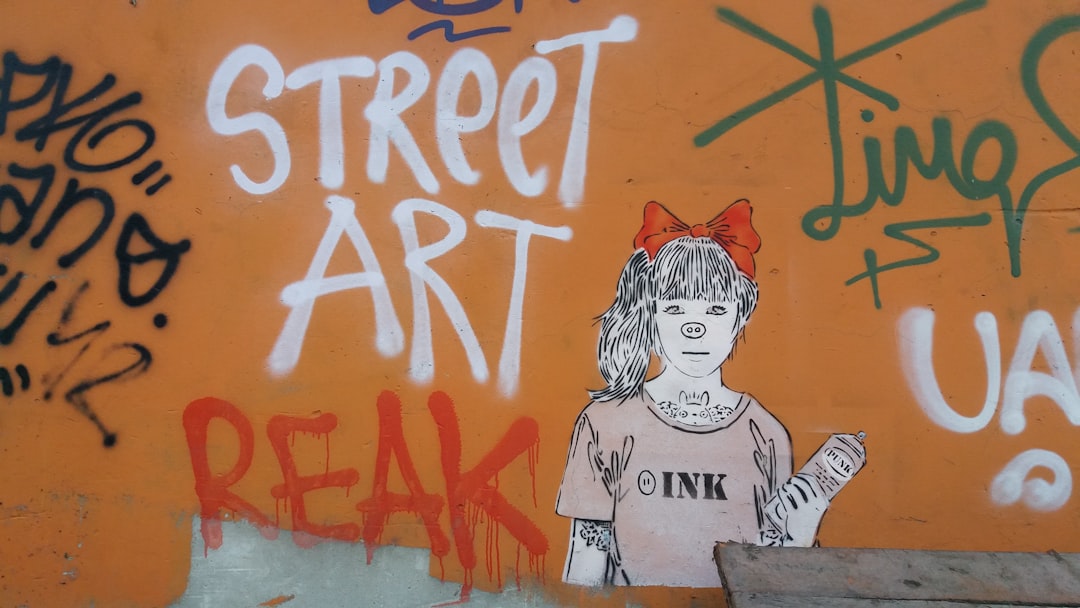
I am sitting on a plastic chair in a basement in Dorćol, surrounded by smoke so thick it has its own zip code, trying to remember if I ordered rakija or just hallucinated it. The band is playing something that sounds like a accordion having a nervous breakdown, and the waiter is shouting orders in a dialect that feels older than the river outside. This is not a curated Instagram experience. This is the raw, unfiltered pulse of Belgrade at night. You come here not to see sights, but to feel the city's heartbeat through the soles of your shoes.
The air outside smells of roasted chestnuts, diesel, and the damp, mineral scent of the Sava River. Dorćol is the district where the old guard clashes with the new wave. It is where the Belgrade Fortress casts its long, stone shadow over a playground of graffiti, vintage cafes, and bars that have been pouring the same drinks since the 19th century. I am here to find out if this place is a museum of the past or the blueprint for the future.
History & Identity
Dorćol is not just a neighborhood; it is a palimpsest. For centuries, it served as the buffer zone between the Ottoman Empire and the Habsburg Monarchy. The name itself is a linguistic relic, derived from the Turkish word for "the place of the fortress." Historically, it was a chaotic mix of military barracks, merchant houses, and wooden structures that burned down and were rebuilt with stubborn regularity. Today, that resilience is baked into the brickwork. The district is the physical manifestation of Belgrade's ability to absorb trauma and turn it into culture.
The modern identity of Dorćol is defined by its proximity to the Kalemegdan Fortress. While the fortress itself is the tourist magnet, Dorćol is where the locals actually live, work, and drink. It has evolved from a neglected industrial and working-class area into the city's cultural epicenter. The architecture here is a jarring, beautiful mix of Austro-Hungarian villas, brutalist concrete blocks, and Ottoman-era foundations. This visual dissonance is exactly what draws the artists and the creatives who have made the district their home.
Where to Go
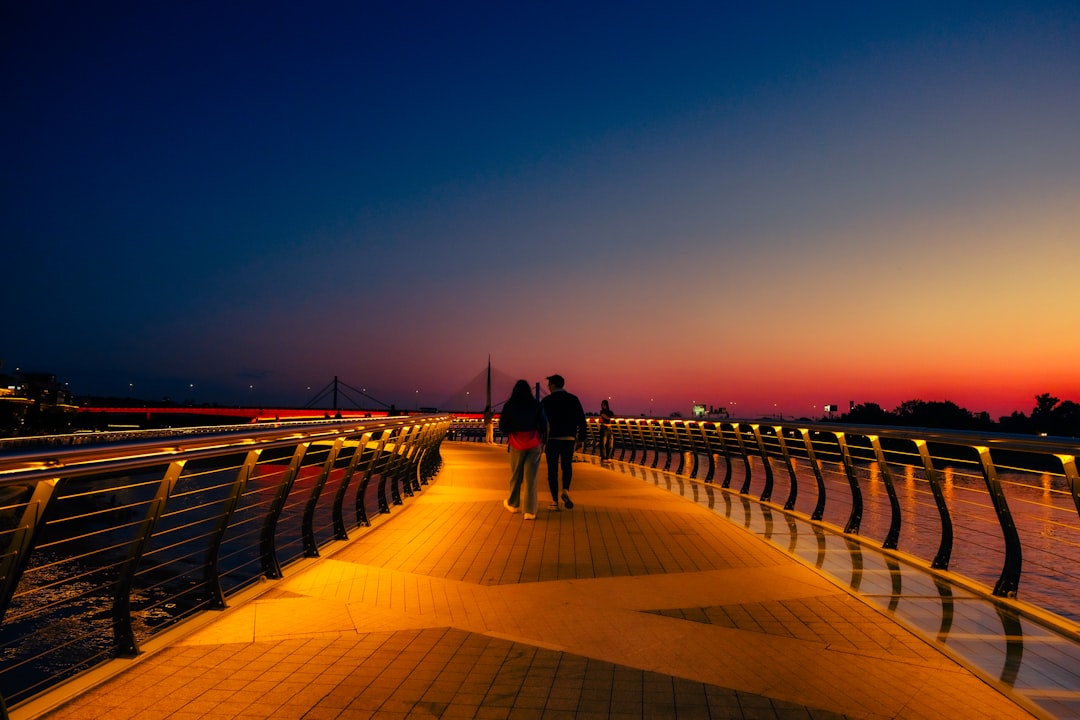
Sava Riverfront — The promenade along the Sava River is the district's living room. It is a paved stretch of concrete and wood that buzzes with cyclists, skateboarders, and families. The view of the Belgrade Fortress from here is iconic, especially at sunset when the stone walls glow orange against the darkening sky. It is the best place to walk off a heavy meal or to watch the city wake up in the morning. Entry is free, and the atmosphere is relentlessly social.
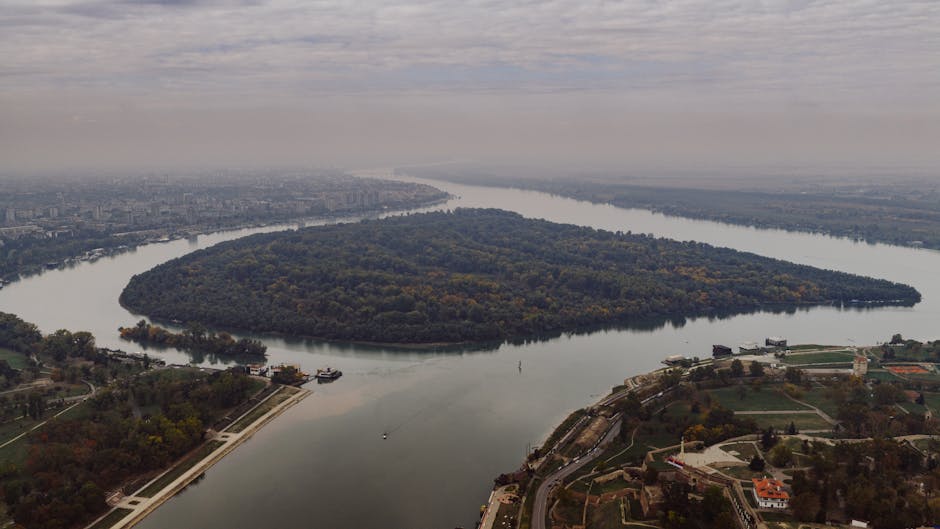
Belgrade Fortress — You cannot talk about Dorćol without acknowledging the Belgrade Fortress looming overhead. While technically part of Kalemegdan Park, the fortress dominates the Dorćol skyline. The lower town of the fortress, with its cobblestone streets and old churches, feels like a separate world. The view from the top, looking out over the confluence of the Sava River and the Danube River, is one of the most powerful in Europe. Entry to the park is free, though some museums inside charge a fee.
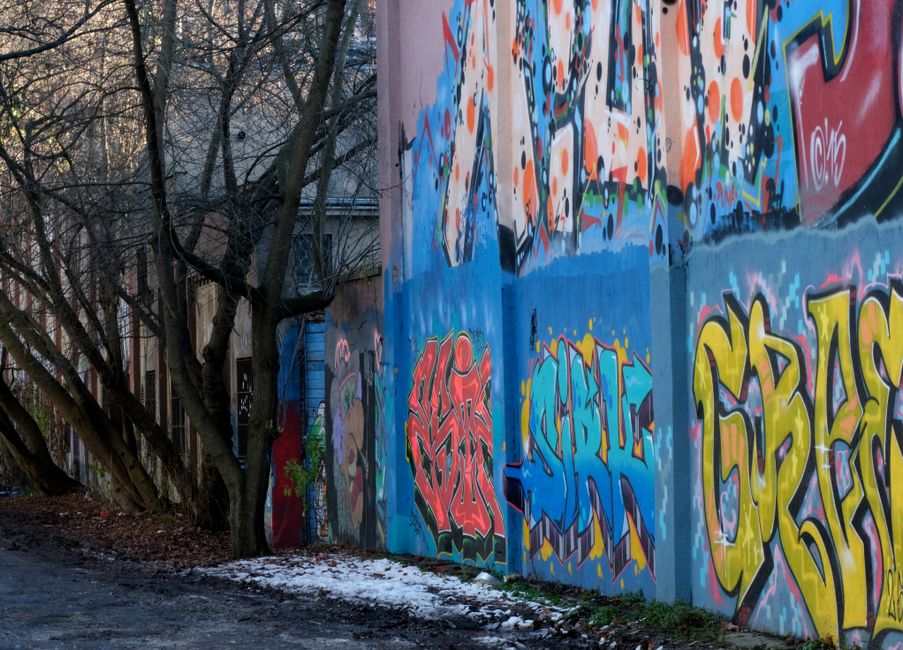
Cvetkova Street — This narrow street is the heart of the street art scene. The walls here are covered in murals by local and international artists, changing with the seasons. It is a walking gallery that reflects the political and social mood of the city. The buildings are old, the cafes are small, and the vibe is hipster but authentic. It is the best place to see the creative side of Belgrade.
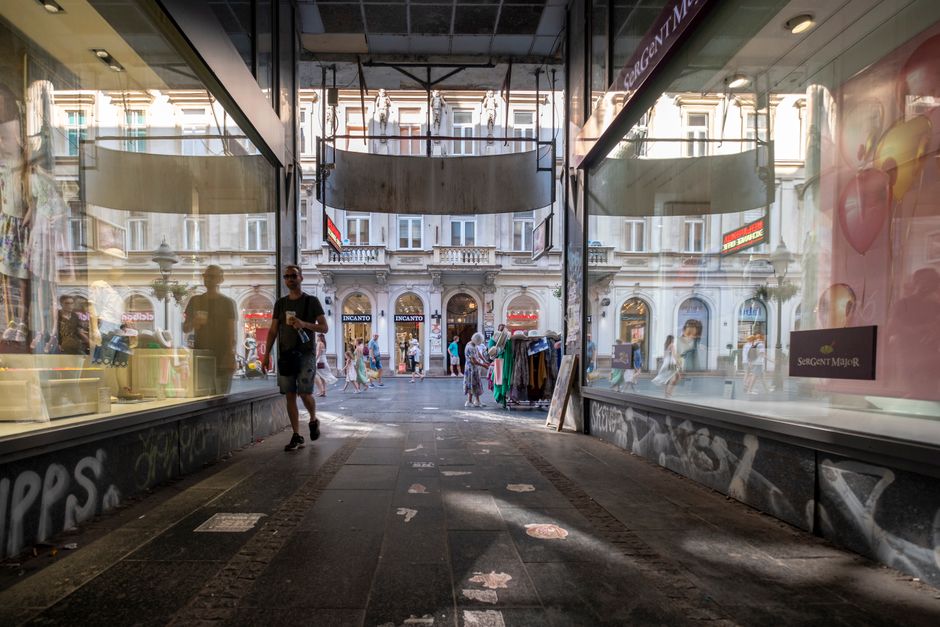
Knez Mihailova Street — The main pedestrian street of Belgrade runs through the edge of Dorćol. It is crowded, commercial, and essential. The architecture here is purely Austro-Hungarian, with grand facades and large windows. It is the place to see and be seen. The street is filled with shops, cafes, and tourists. It is the commercial artery of the city.
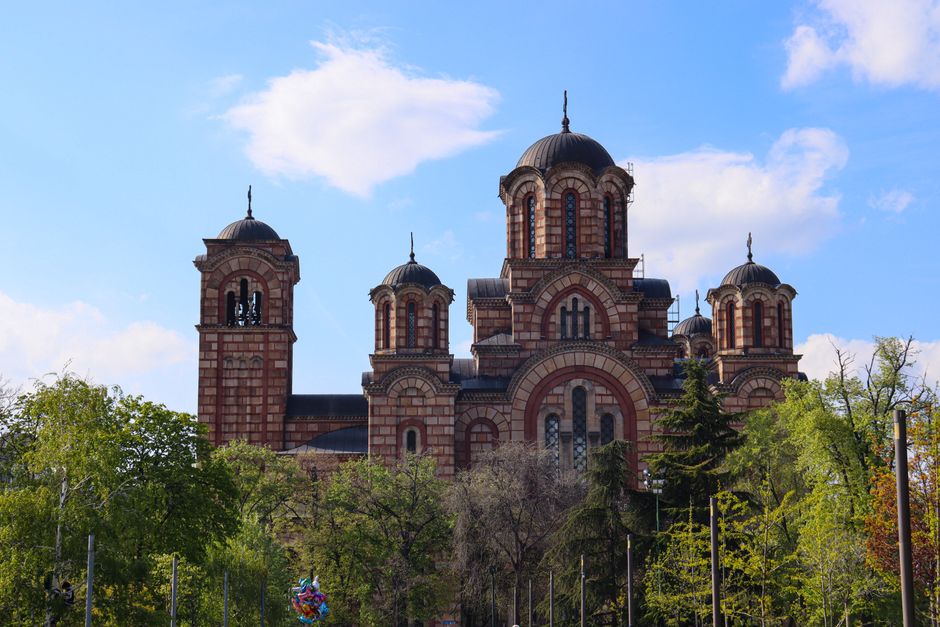
St. Mark's Church — Located right on Knez Mihailova Street, this Serbian Orthodox church is a small masterpiece. It is one of the oldest buildings in Belgrade, built in the 18th century. The interior is small but richly decorated with frescoes. It stands as a quiet testament to the religious history of the district. Entry is free, but donations are appreciated.
What to Eat & Drink
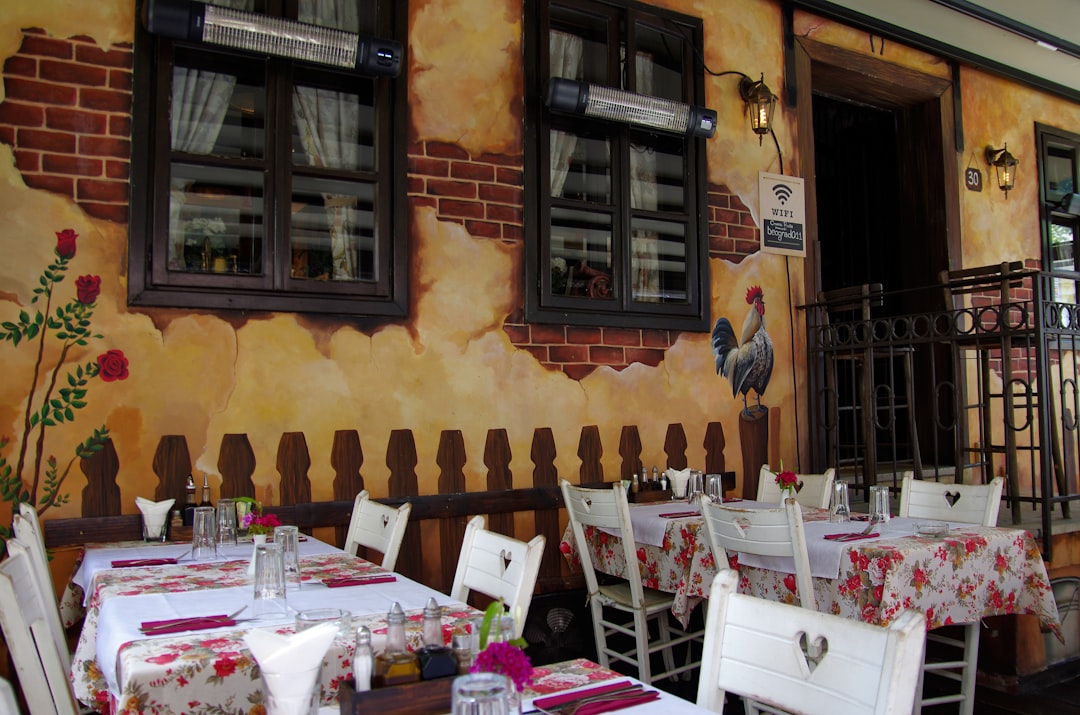
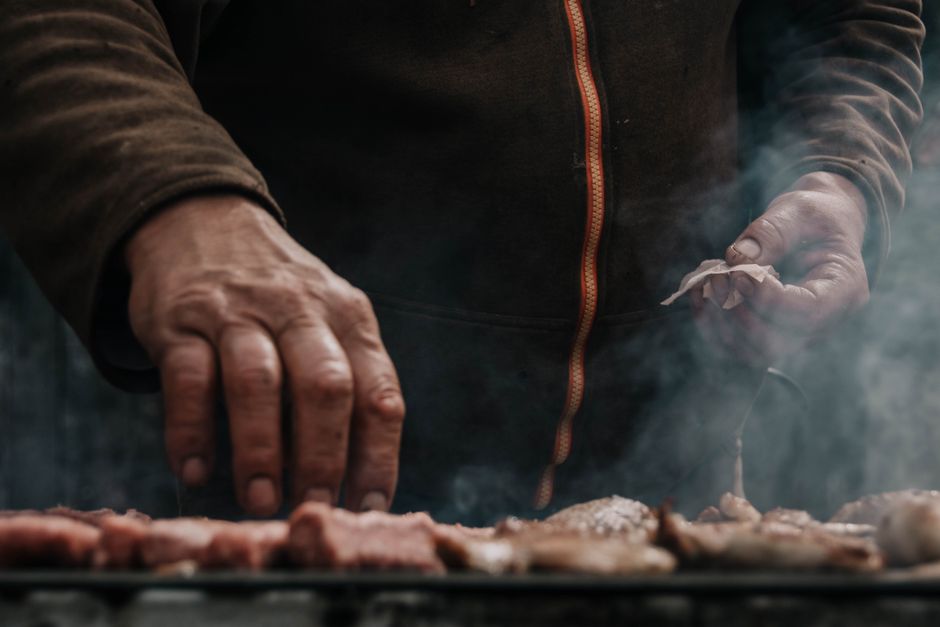
Dorćol is the kingdom of the kafana. These are traditional taverns that have been serving food and drink for generations. The food is heavy, comforting, and designed to be eaten slowly. You will find ćevapi — small grilled meat sausages served with flatbread and onions — for 4-6 EUR. Sarma — cabbage rolls stuffed with meat — costs 5-8 EUR. Šopska salata — a fresh salad of tomatoes, cucumbers, and peppers — is 3-5 EUR. For dessert, gibanica — a cheese pie — is 3-4 EUR. The budget breakdown is simple: a meal at a local kafana with drinks will cost 15-25 EUR per person. Street food like roštilj (grilled meat) from a takeaway stand is 5-8 EUR.
The food scene is concentrated around Cvetkova Street and the side streets leading to the fortress. There are many small, family-run restaurants that have been in business for decades. For budget travelers, there are several pekaras (bakeries) that sell fresh burek and pita for 1-2 EUR. These are perfect for a quick, cheap meal. The atmosphere in these places is loud, friendly, and unpretentious.
Nightlife
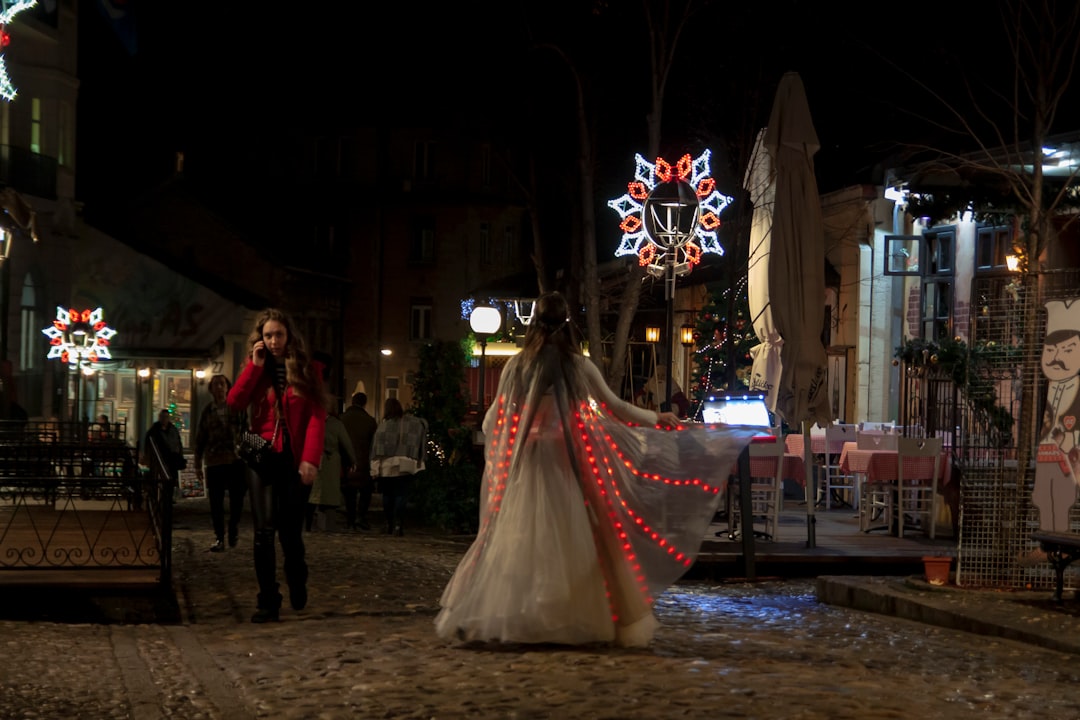
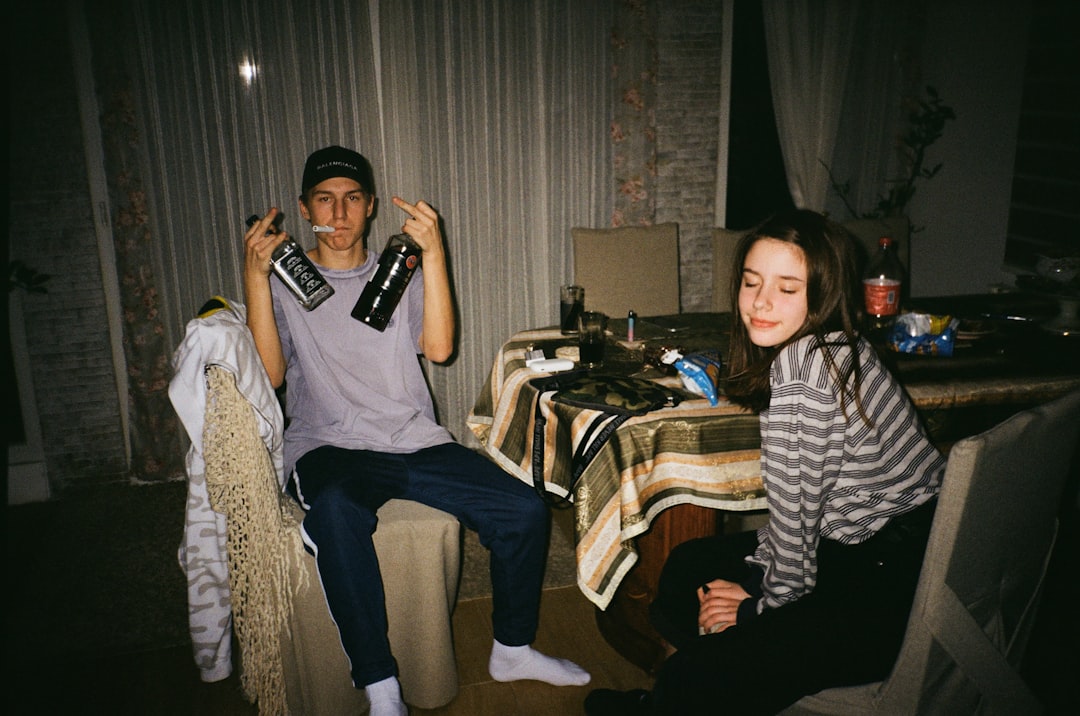
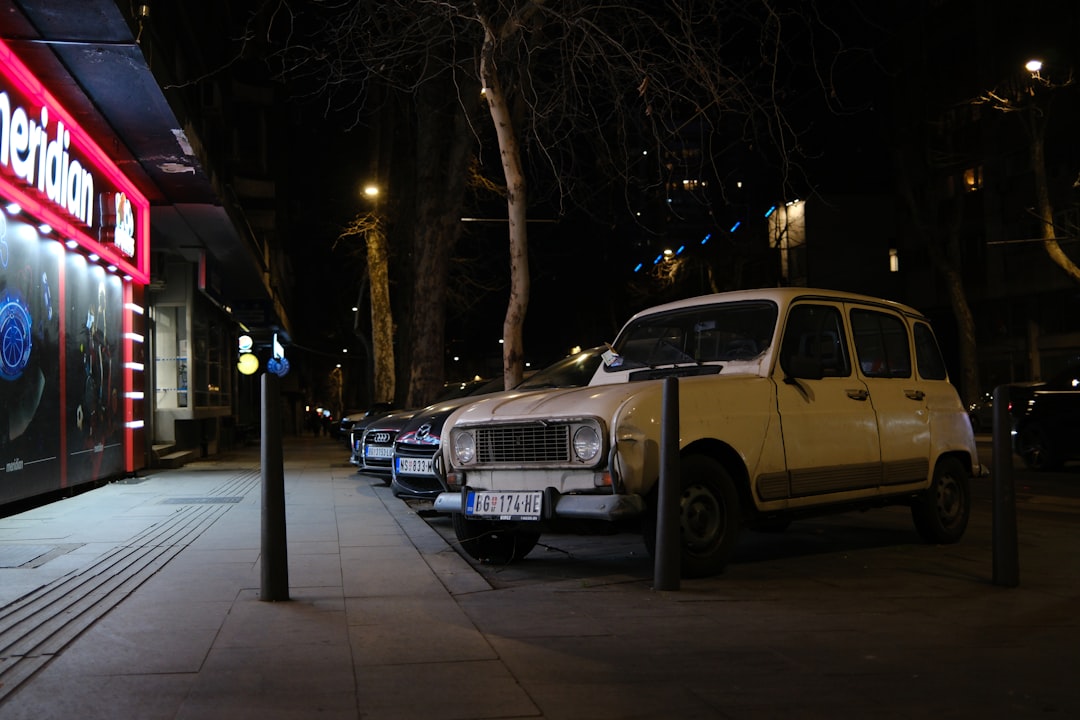
Nightlife in Dorćol is not about clubs; it is about bars. The bars here are small, dark, and full of character. The main area is around Cvetkova Street and Principa Milana Street. These streets are lined with bars that range from old-school kafanas to modern craft beer pubs. The music is a mix of traditional folk, rock, and electronic. The cover charge is usually free, but you are expected to buy drinks. A beer is 2-4 EUR, and a shot of rakija is 2-3 EUR. The atmosphere is intense. People stand, talk loudly, and drink until late.
One of the most famous bars in the district is Big Foot, a large, multi-level bar that plays a mix of rock and pop. It is popular with both locals and tourists. Another option is Bohemian, a bar that has been around for decades and is known for its live music. The streets themselves are part of the experience. People spill out onto the sidewalks, creating a continuous flow of movement and noise. It is chaotic, but it is also incredibly alive.
Getting There & What to Expect
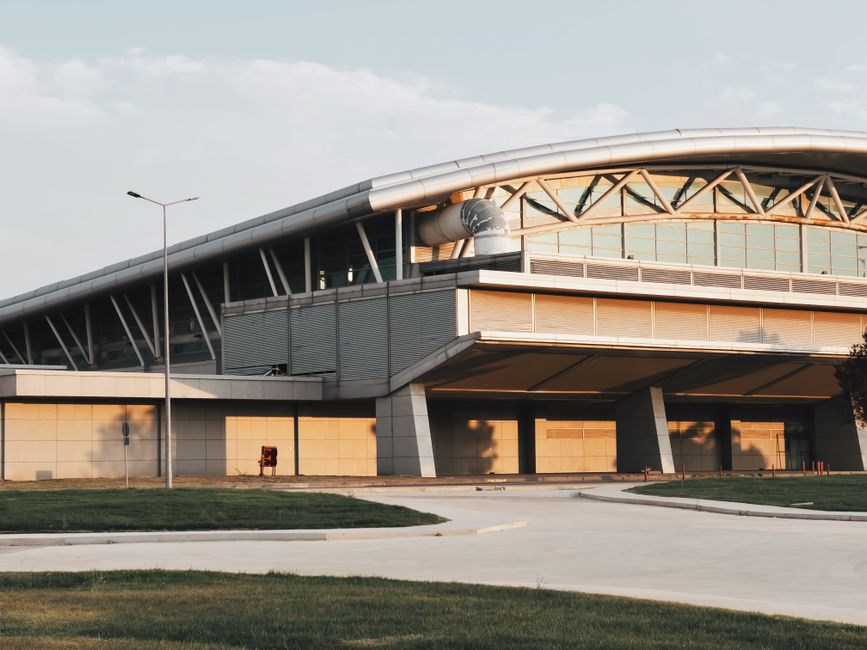
Belgrade is well-connected by air and road. The nearest airport is Nikola Tesla Airport, which is about 15 kilometers from the city center. There are direct flights from most major European cities. From the airport, you can take a bus or a taxi to Dorćol. The bus takes about 45 minutes and costs 5-7 EUR. A taxi costs 15-20 EUR. From other Balkan hubs, such as Sofia or Bucharest, there are regular bus and train connections. The bus from Sofia takes about 4 hours and costs 15-20 EUR. The train is slower but cheaper.
Accommodation in Dorćol ranges from budget hostels to mid-range hotels. A bed in a hostel costs 15-25 EUR per night. A room in a mid-range hotel costs 50-80 EUR per night. The best time to visit is between May and September, when the weather is warm and the outdoor cafes are in full swing. The winter months are cold and gray, but the nightlife is still active.
Search accommodation in Belgrade on Booking.com →
The Final Sip
I leave the kafana with a headache that feels like a souvenir. The sun is coming up over the Sava River, turning the water into a sheet of hammered copper. The streets are empty, save for a few drunkards stumbling home and a stray dog sniffing at a trash can. This is the real Belgrade. Not the postcards, not the guidebooks. This is the city that stays up all night, argues with itself, and then wakes up to do it all again. Dorćol is not a place you visit. It is a place you survive. And if you are lucky, you might just love it.
Comments