


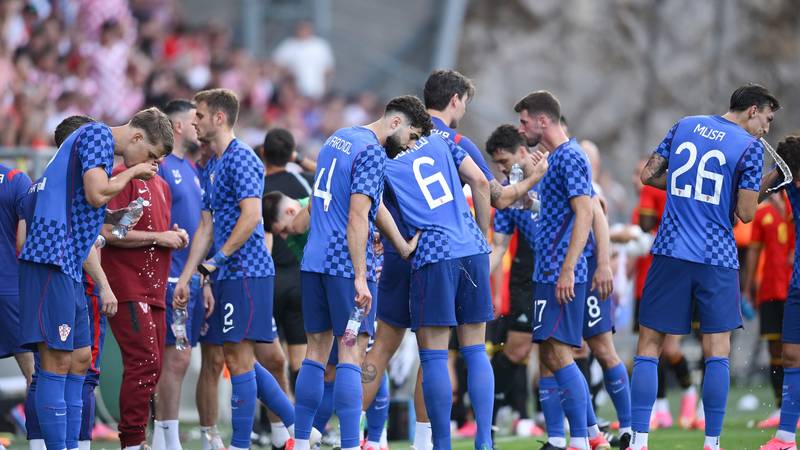
The stage is set for the World Cup, and the British Broadcasting Corporation has thrown its weight behind the Croatia national football team. But in a twist no one saw coming, their grand preview was marred by two baffling typos that left fans scratching their heads. The analysis was sharp, the praise was high, but the names? Not quite right.
A Formation of Glory and Errors
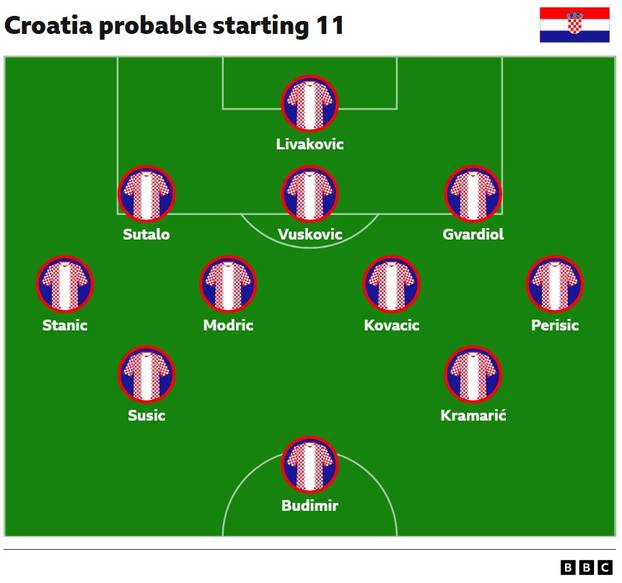
The BBC laid out a formidable 3-4-2-1 formation for Croatia. Dominik Livakovic guards the net, flanked by Josip Sutalo, Luka Vuskovic, and Joško Gvardiol in defense. Solid. But then, chaos ensued. On the right flank, the guide listed "Stanica." Yes, Stanica. They clearly meant Borna Susic, the energetic winger known for his tireless runs. The midfield core looked correct with Luka Modric, Mateo Kovacic, and Ivan Perisic. But the attack held another shocker.
Behind striker Ante Budimir, the duo was listed as "Susic" and Andrej Kramaric. Wait, didn't we just see Susic on the wing? It appears they meant Petar Susic in the attacking midfield role. Two major players, two misspellings, one confused readership. It is rare for a global media giant to stumble so publicly over Croatian names.
Legends Among Men
Beyond the typos, the BBC’s respect for the squad is undeniable. They hailed Luka Modric as the "Captain. Footballer. Legend." At 40 years old, Modric continues to dictate the pace for both his club and country. The text noted his 2018 Ballon d’Or and his status as the greatest Croatian player of all time. They also highlighted the rise of 19-year-old defender Luka Vuskovic, whose loan spell at Hamburg boosted his reputation significantly.
The guide praised Andrej Kramaric for adapting to a deeper role, citing his 140 goals in the Bundesliga over the last decade. It is a staggering tally, placing him just behind Robert Lewandowski in German football history. The BBC emphasized that Croatia’s strength lies not just in skill, but in character. Born from academies that demand versatility, this generation is driven by fierce national pride and unity. From the bronze medal in 1998 to the final in 2018 and third place in 2022, the Red and White checkers continue to defy time.
bbc really tried their best with those names lol. stanica?? honestly thought it was a joke at first. Croatia still looks scary tough rn though.