


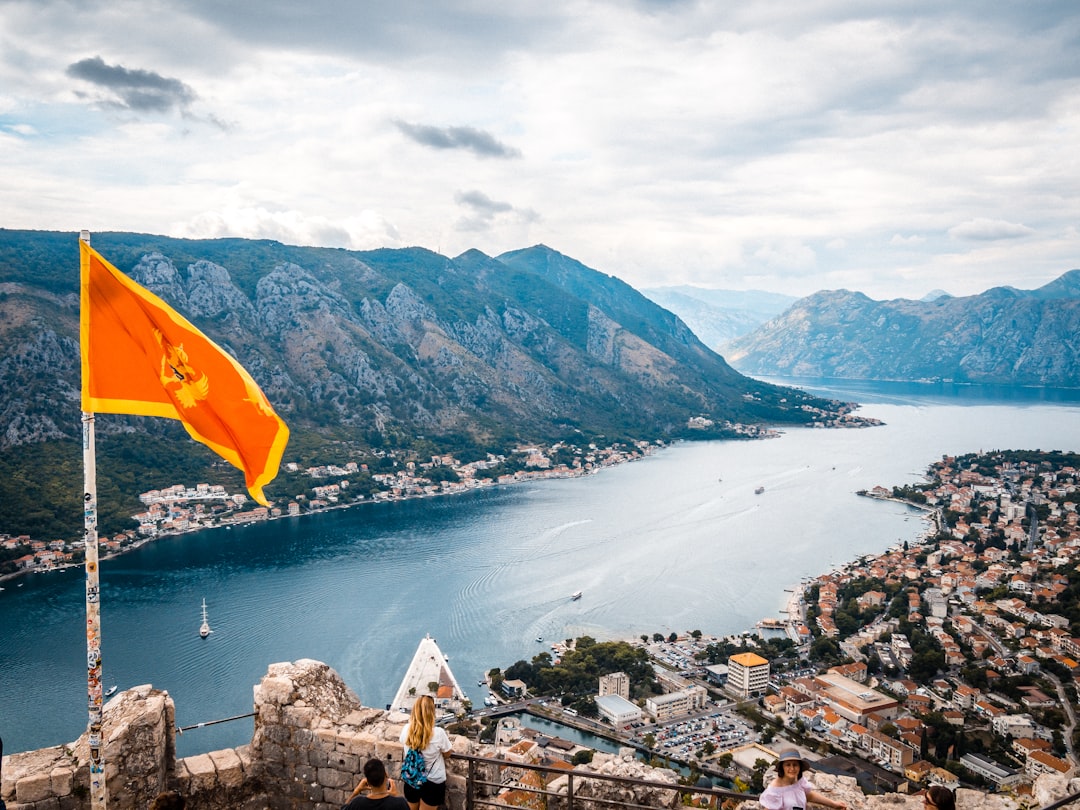
The rain in Kotor doesn't fall; it attacks. It hammers against the limestone walls of the Old Town like a medieval siege engine, turning the steep, cobblestone steps into a slick, treacherous slide that would make a goat nervous. I was standing in the shadow of the massive fortifications, soaked to the bone, clutching a paper cup of strong, cheap coffee from a corner kiosk. A local man, shaking water from his umbrella, looked at me with a mixture of pity and amusement. "You think this is the end?" he shouted over the thunder, pointing a thick finger toward the jagged peaks of the Orjen mountain range looming above the bay. "This is just the lobby. The real party is up there, where the air is thin and the history is thicker than the stone."
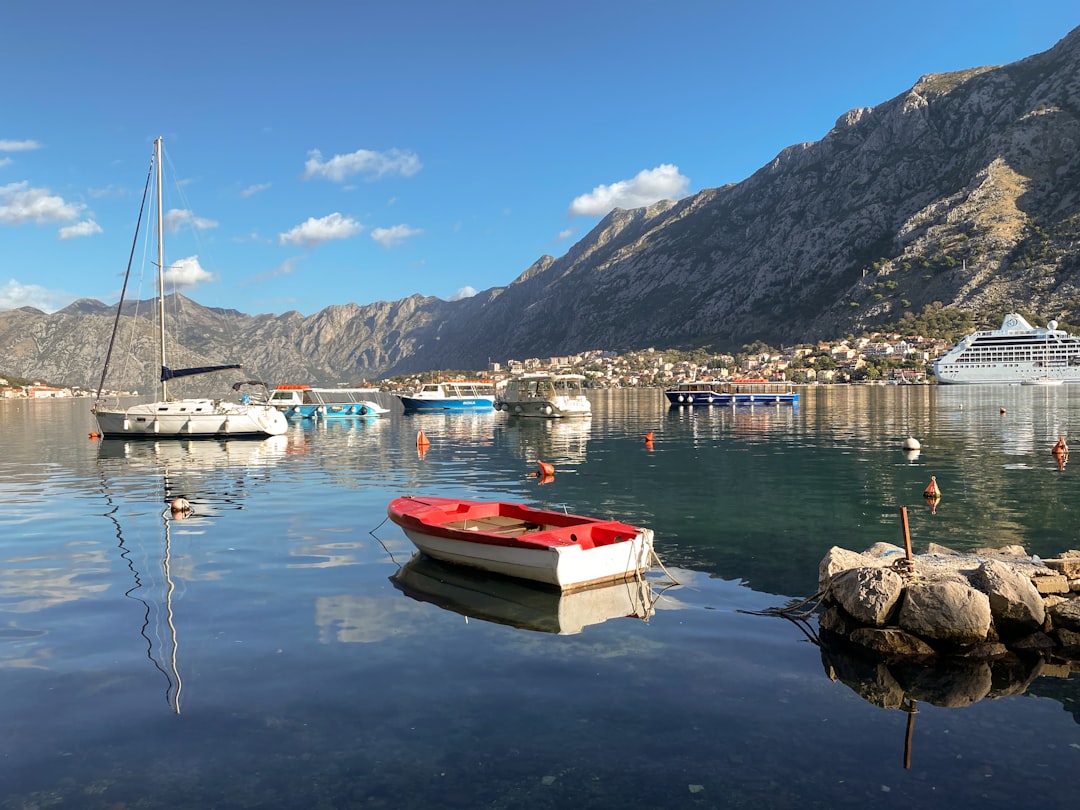
He was right, of course. The Bay of Kotor is often marketed as a lazy Mediterranean cruise stop, a place for sunbathing on pebble beaches and sipping overpriced cocktails in Perast. But strip away the tourist buses and the polished veneer, and you find a place that feels more like a fortress than a resort. It is a geological anomaly, a glacial fjord that got lost in the Mediterranean, carved by the sea into the heart of the Dinaric Alps. It is beautiful, yes, but it is also imposing, defensive, and deeply serious. This isn't the laid-back Riviera; this is the Balkans, wearing a mask of marble.
History & Identity
The Bay of Kotor is not a natural harbor in the traditional sense; it is a battlefield. For centuries, this narrow strip of water between the towering peaks of Lovćen and Orjen was the prize that empires fought over. The Venetians, the Ottomans, the Austro-Hungarians, and the Italians all left their scars on these walls. The identity of the bay is defined by this constant state of siege. The massive fortifications that crown the city of Kotor are not decorative; they were built to keep the world out, layer upon layer of stone designed to repel cannon fire and invasion alike.
The Venetian influence is the most visible, lingering in the narrow, winding streets of the Old Town, which is divided into the Upper Town and the Lower Town. The architecture here is a defensive masterpiece, with towers and bastions integrated into the urban fabric. But beneath the Italianate facades lies a Slavic soul, evident in the Orthodox churches and the deep, complex history of the region's people, who have navigated shifting borders and changing masters with a stoic resilience. The bay is a palimpsest, where every era has written over the last, creating a cultural landscape that is both fragmented and unified by the surrounding stone.
This history shapes the modern identity of the region. It is a place that takes itself seriously, where the past is not a relic but a living presence. The annual Kotor Summer Festival, with its military music and historical reenactments, is not just a tourist attraction; it is a ritualistic reminder of the bay's martial heritage. The people here are proud of their endurance, of having survived centuries of conflict to preserve a unique cultural blend that exists nowhere else in the Mediterranean.
Where to Go
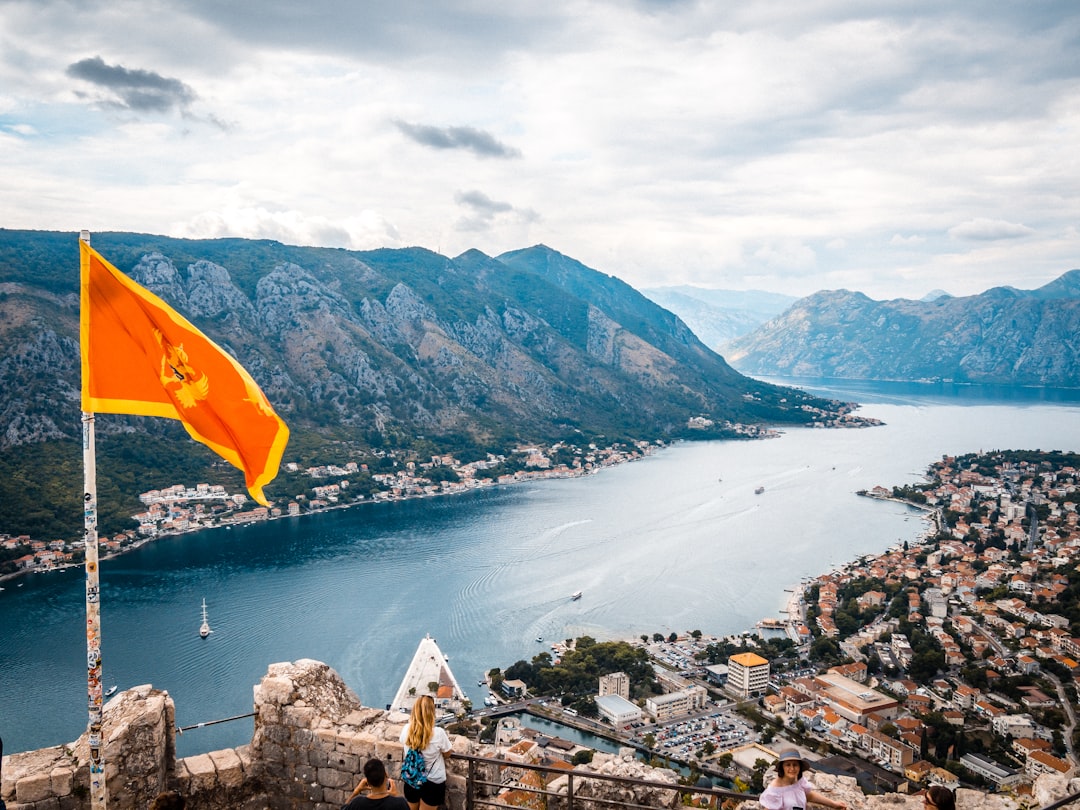
Kotor Old Town — The heart of the bay, a UNESCO World Heritage site that feels like a living museum. The Upper Town is a maze of steep stairs leading to the San Giovanni Fortress, offering panoramic views of the bay and the surrounding mountains. Entry to the Upper Town is 5 EUR, which includes access to the fortress walls. Go early in the morning to avoid the crowds and the heat.
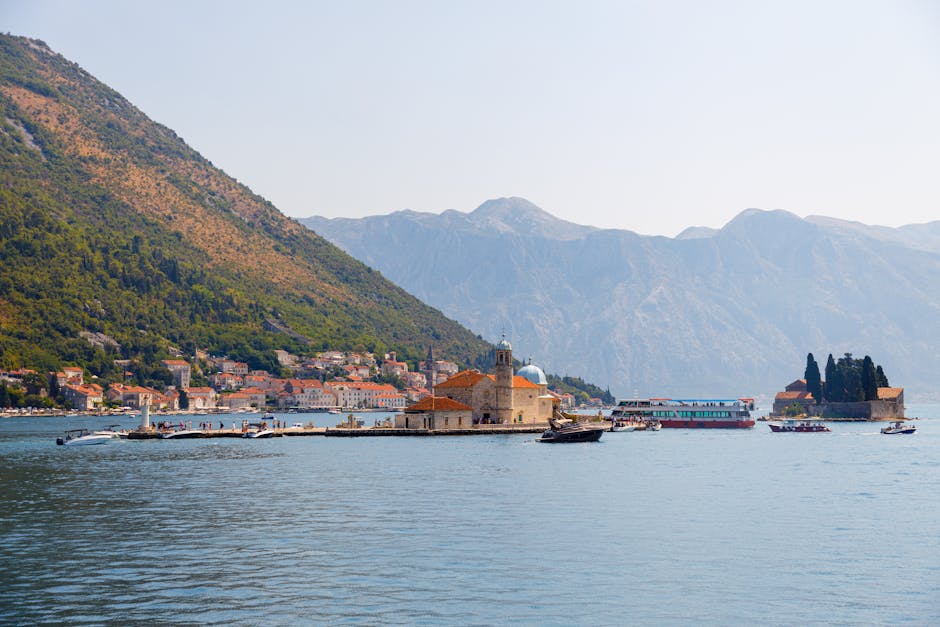
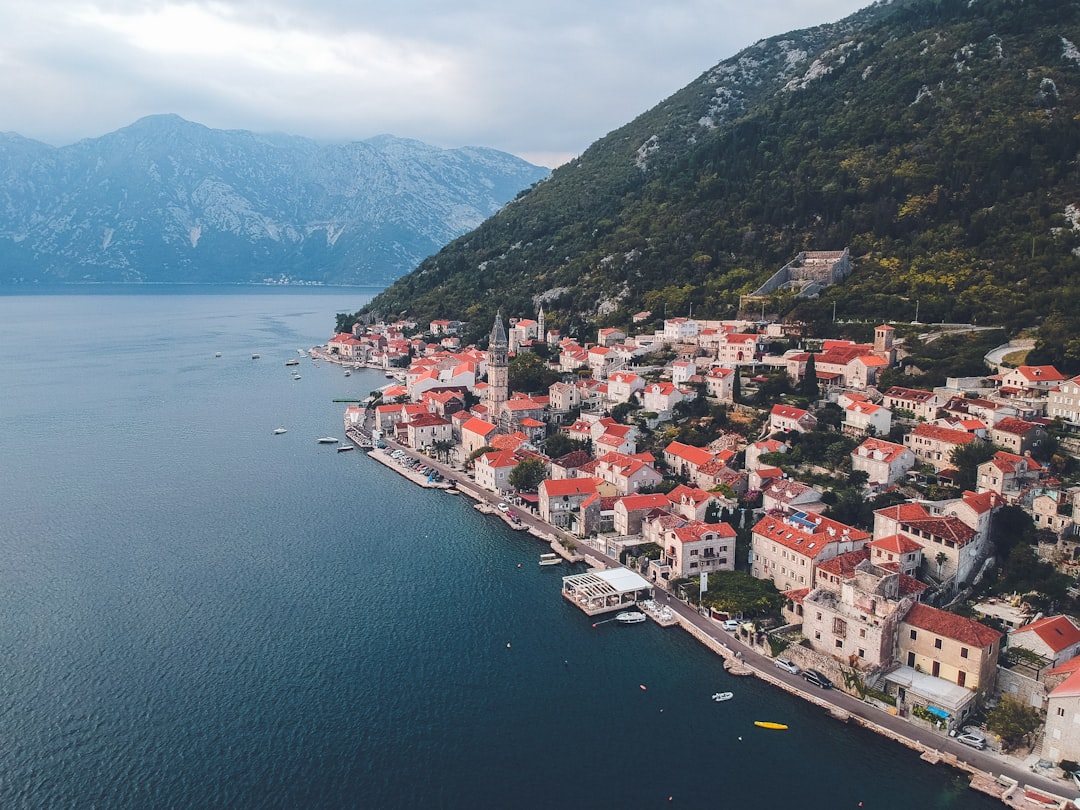
Perast — A quiet, elegant town on the northern shore of the bay, known for its baroque palaces and the Our Lady of the Rocks island. The island is an artificial landmass built over centuries by locals throwing stones into the sea to protect ships. It houses a small church and a museum of ship models. The walk across the floating bridge is a surreal experience.
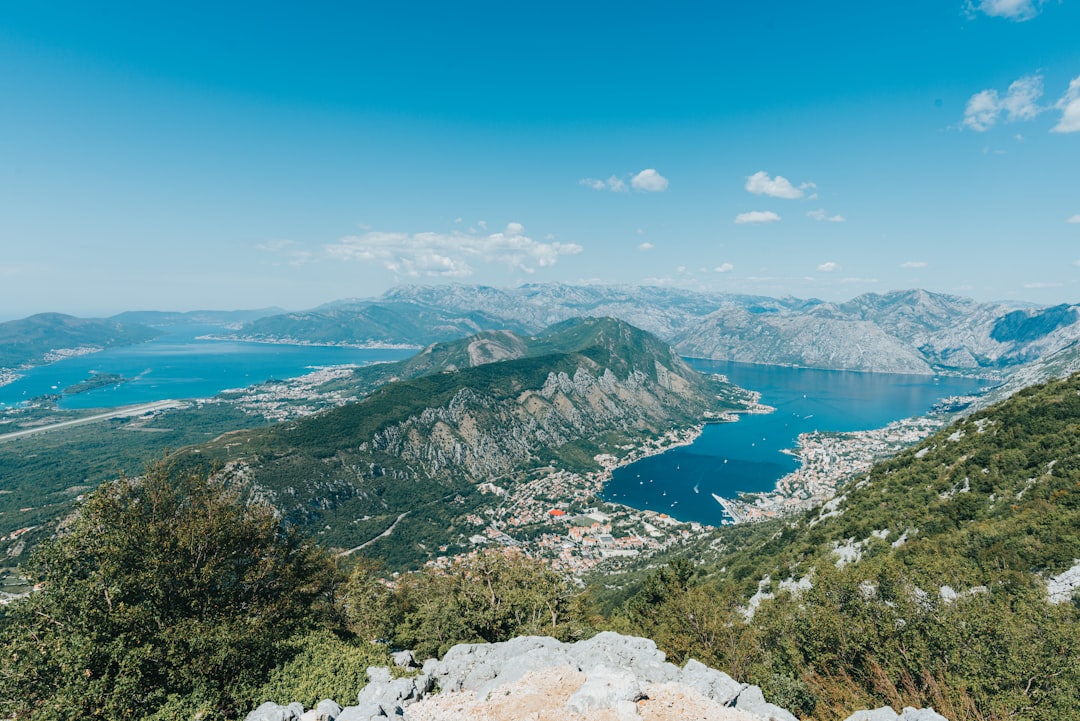
Lovćen National Park — Just north of the bay, this park is dominated by the Lovćen mountain and the mausoleum of Njegoš, the poet-archbishop who is a national hero of Montenegro. The climb to the top is steep, but the view is arguably the best in the country. The mausoleum itself is a small, domed structure, but the symbolism is immense.
Our Lady of the Rocks Island — Accessible by boat from Perast, this tiny island is a testament to centuries of devotion and practicality. The church inside is filled with artifacts and gifts from sailors, creating a cluttered, intimate atmosphere. The museum nearby holds a fascinating collection of maritime history and paintings. Boat tours from Perast cost around 8-12 EUR.
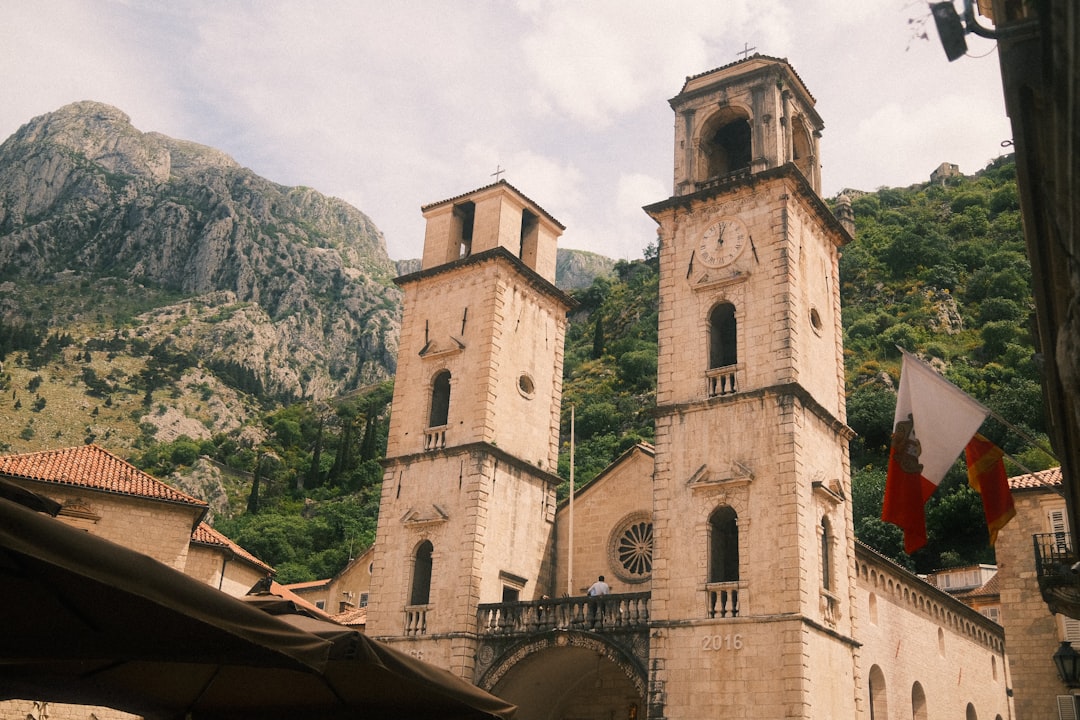
Risan — A small town on the western side of the bay, known for its Roman ruins and the St. George Church with its stunning frescoes. It is less touristy than Kotor or Perast, offering a quieter, more authentic glimpse into daily life. The Roman Villa ruins are a must-see for history buffs, showcasing the opulence of the ancient past.
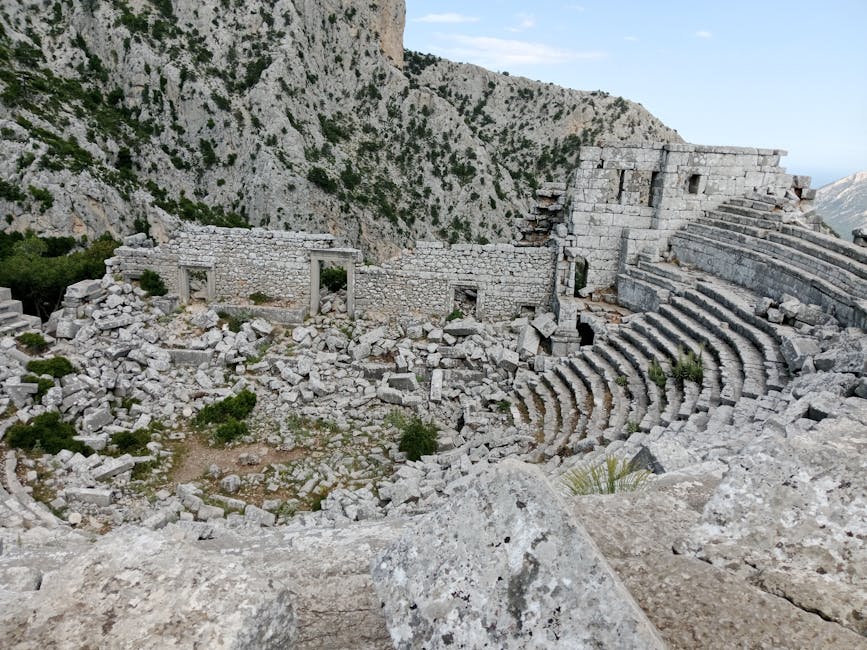
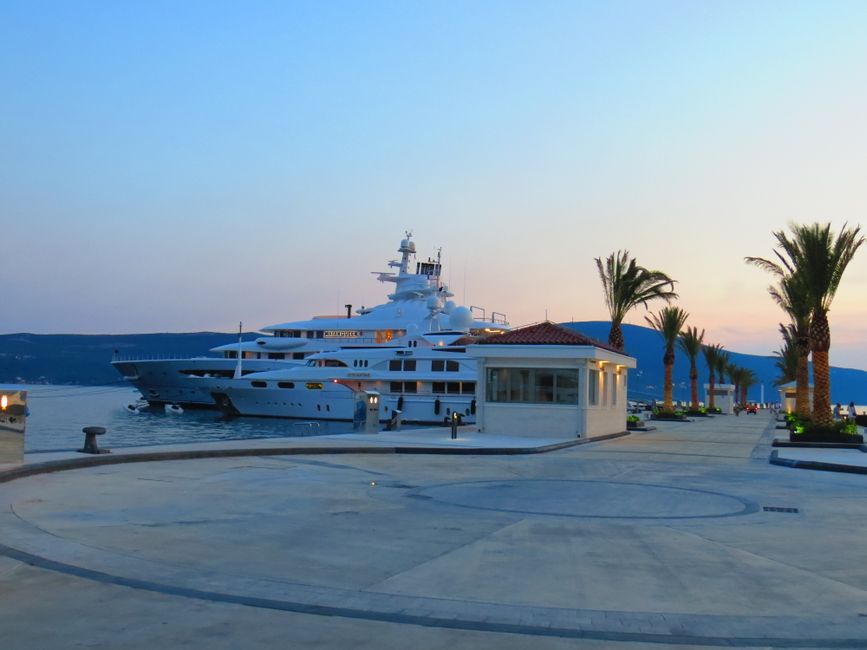
Tivat — The modern face of the bay, known for its luxury yachts and the Porto Montenegro marina. While it lacks the historical charm of Kotor, it offers a stark contrast, showcasing the bay's economic transformation. The St. Nicholas Church is the main landmark, but the real draw is the sleek, contemporary atmosphere.
What to Eat & Drink
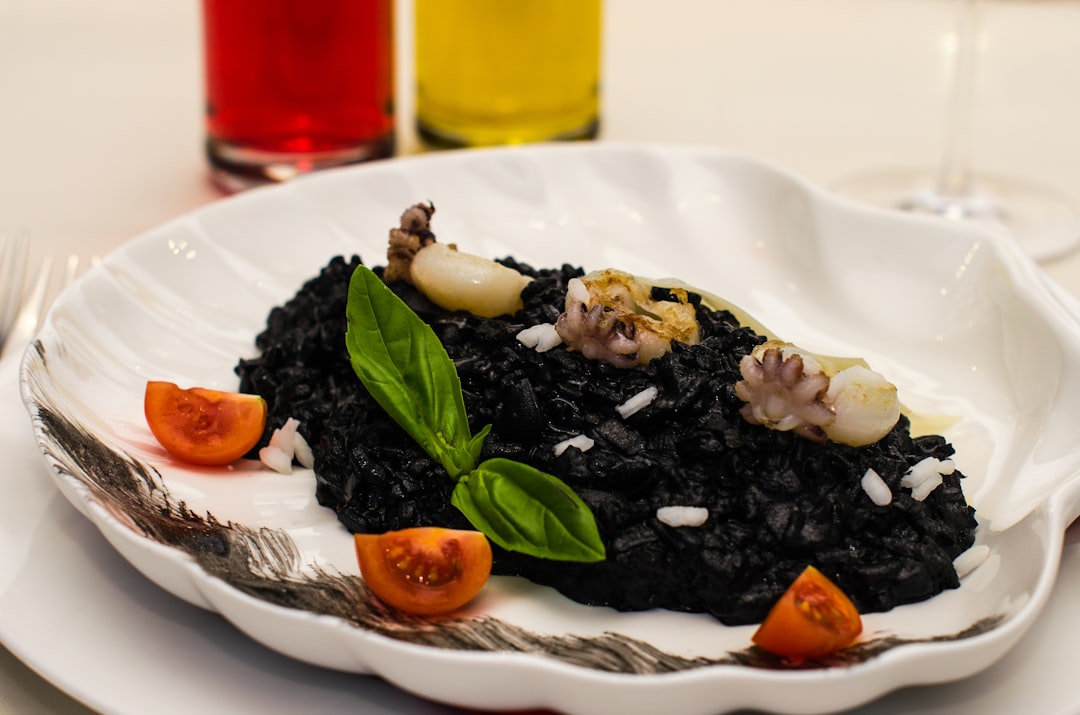
The food in the Bay of Kotor is a reflection of its history: a mix of Mediterranean and Balkan influences. You will find fresh seafood, of course, but also hearty meat dishes and rich stews. Crni Rižot (black risotto) is a local specialty, made with squid ink and served in the town of Risan. It is creamy, salty, and deeply flavorful, typically costing 8-12 EUR. Pršut (dry-cured ham) is another staple, served thinly sliced with local cheese and bread. A plate of Pršut and cheese will set you back 6-10 EUR.
For a more substantial meal, try Janjetina (roast lamb), often served with potatoes and vegetables. It is a classic Balkan dish, slow-cooked and tender, usually priced at 12-18 EUR. Don't miss the Peka, a method of cooking meat and vegetables under a bell-shaped metal lid, which keeps everything moist and flavorful. This is often found in traditional taverns in the villages around the bay.
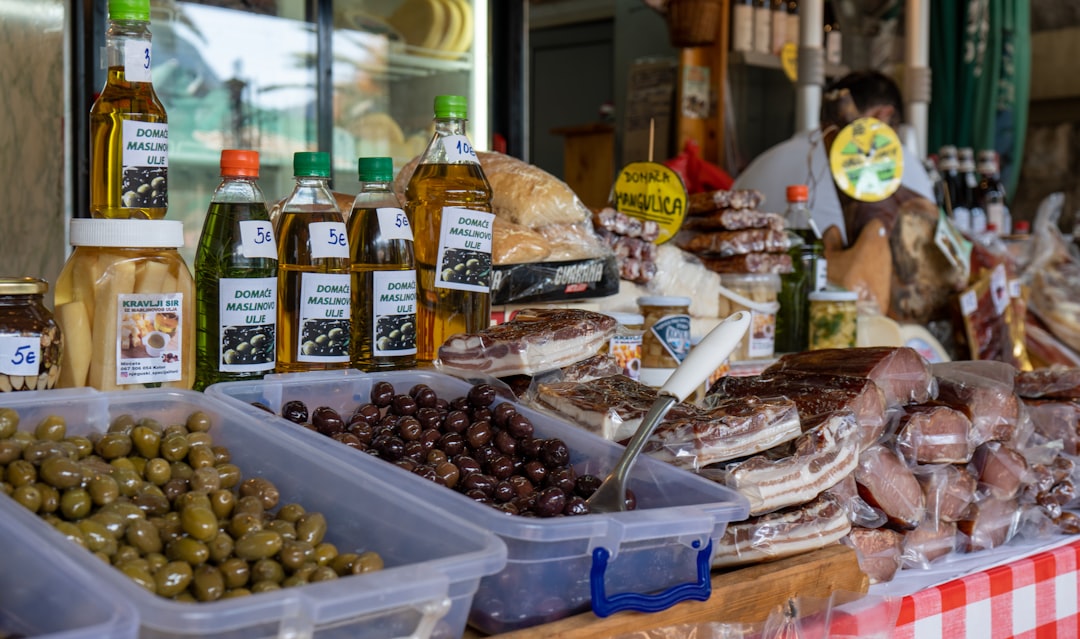
Budget travelers can find cheap and delicious options in the local markets and small taverns. A simple meal of Ćevapi (grilled meat sausages) with bread and onions costs 3-5 EUR. For drinks, Vranac is the local red wine, robust and tannic, perfect with the heavy meat dishes. A glass of house wine is usually 2-4 EUR. The main food street in Kotor is Obala Božidara Adriatic, where you can find a mix of cafes and restaurants. For a more local experience, head to the Kotor Market, where you can buy fresh produce, cheese, and meat.
Nightlife
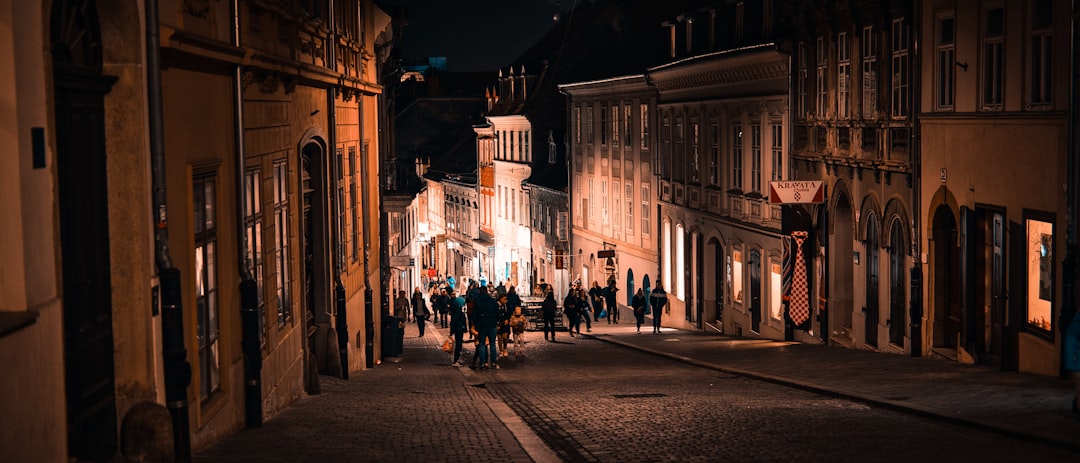
Nightlife in the Bay of Kotor is not about clubbing; it is about lingering. The bars and cafes spill out onto the streets, and the atmosphere is relaxed and social. In Kotor, the main area for nightlife is around the Lower Town, where you can find a mix of traditional taverns and modern bars. Bar 1990 is a popular spot for live music, often featuring local bands playing a mix of folk and rock. Cover charges are rare, but drinks are 3-6 EUR.
In Perast, the nightlife is quieter, centered around the few bars along the waterfront. Cafe Bar Perast is a good place to enjoy a drink and a view of the bay. The music is usually soft, and the crowd is a mix of locals and tourists. In Tivat, the scene is more upscale, with bars and clubs near the Porto Montenegro marina. Club Yacht is a high-end venue with international DJs and a dress code. Drinks here are significantly more expensive, ranging from 8-15 EUR.
The vibe in the bay is generally laid-back, with most places closing by midnight or 1 AM. The focus is on conversation and atmosphere, not loud music and dancing. If you want a night out, head to Kotor, where the energy is higher and the options are more varied. But even there, it is a gentle buzz, not a wild party.
Getting There & What to Expect
The nearest airport is Tivat Airport, which handles most international flights to the region. From the airport, you can take a taxi or a bus to Kotor, Perast, or Tivat. A taxi to Kotor costs around 20-30 EUR and takes about 20 minutes. Buses are cheaper, costing 3-5 EUR, but less frequent. The airport is well-connected to major Balkan hubs, with flights from cities like Belgrade, Zagreb, and Ljubljana.
If you are driving, the bay is easily accessible from the main highway. Parking in Kotor is limited and expensive, so consider staying in Perast or Tivat if you have a car. Accommodation prices vary widely. A budget hostel in Kotor costs 20-40 EUR per night, while a mid-range hotel is 80-150 EUR per night. Luxury hotels in Tivat can cost 200-500 EUR per night. The best time to visit is May or October, when the weather is pleasant and the crowds are smaller. Summer is hot and crowded, with prices at their peak.
Search accommodation in Kotor on Booking.com →
The Fortress Never Sleeps
As the sun set over the bay, painting the water in shades of orange and purple, I realized why the locals call this place a fortress. It is not just the stone walls that protect it; it is the landscape itself. The mountains rise up like sentinels, guarding the water from the outside world. The air is thick with history, with the echoes of battles and the whispers of empires long gone. I sat on a bench in the Upper Town, watching the lights of the Old Town flicker on below, feeling a strange sense of peace. It is a peace earned through struggle, a quietude that comes after centuries of noise. The Bay of Kotor is not a secret anymore, but it is still a mystery. It demands that you look closer, that you climb higher, that you listen to the stones. It is not a place to pass through; it is a place to endure.
Comments