


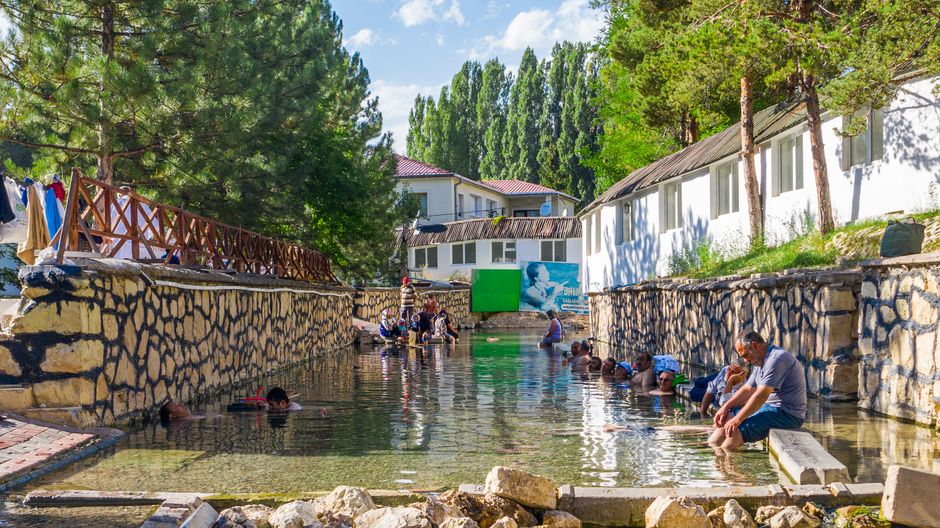
I am sitting on a rusted metal bench in the steam fog of Banjsko Jezero, wrapped in a towel that smells faintly of sulfur and damp concrete. A local man in swim trunks and a woolen cap walks past me, carrying a plastic bag of oranges. He nods. I nod back. We are both here for the same reason: the water is warm, the air is thick, and the rest of the world feels very far away. This is not the Mediterranean coast. There is no turquoise sea, no sandy beach. There is only the Bosnian hinterland, the mist, and the healing mud that has drawn people here since the Austro-Hungarian Empire decided to build grand sanatoriums for their weary officials.
They call Banja Luka the "City of Springs" for a reason. It is not a marketing slogan; it is a geological fact. The ground here is porous, the water is mineral-rich, and the history is steeped in the therapeutic culture of the Balkans. I arrived with a stiff neck from a long bus ride and left with a new appreciation for the quiet, steamy rituals of this inland spa town. It is raw, unpolished, and utterly authentic.
History & Identity
The story of Banja Luka Banja Luka is written in water. The name itself is a dead giveaway: "Banja" means bath or spa, and "Luka" means meadow. For centuries, the thermal springs here were the lifeblood of the city. In the 19th century, the Austro-Hungarian administration recognized the therapeutic value of the waters and began developing the area into a premier spa destination. They built the first hotels, paved the promenades, and established the medical protocols that are still used today.
The city has seen its share of turmoil, most notably the devastating war in the 1990s, which left much of the old town in ruins. But the springs kept flowing. The reconstruction of Banja Luka was not just about rebuilding homes; it was about restoring the city's identity as a place of healing and relaxation. Today, the spa culture is experiencing a renaissance. The old sanatoriums have been renovated, new thermal complexes have opened, and the locals have reclaimed their bathing traditions. It is a city that has learned to heal itself, one warm soak at a time.
The identity of Banja Luka is tied to its slow pace. This is not a place for rushing. It is a place for sitting, for soaking, for watching the steam rise from the lake and the pools. The architecture reflects this blend of eras: Ottoman influences in the old bazaar, Austro-Hungarian grandeur in the spa hotels, and modernist blocks from the Yugoslav era. It is a layered city, complex and resilient, much like the people who live here.
Where to Go
Banjsko Jezero — This is the heart of the spa experience. The artificial lake is fed by thermal springs and is surrounded by a lush park. You can swim in the warm water, walk along the promenade, or simply sit on the benches and watch the world go by. The water temperature is consistently around 33-34 degrees Celsius, perfect for a relaxing soak. Entry is free, but you can rent a sunbed or a small cabin for a fee. It is a popular spot for locals, especially in the morning and evening.
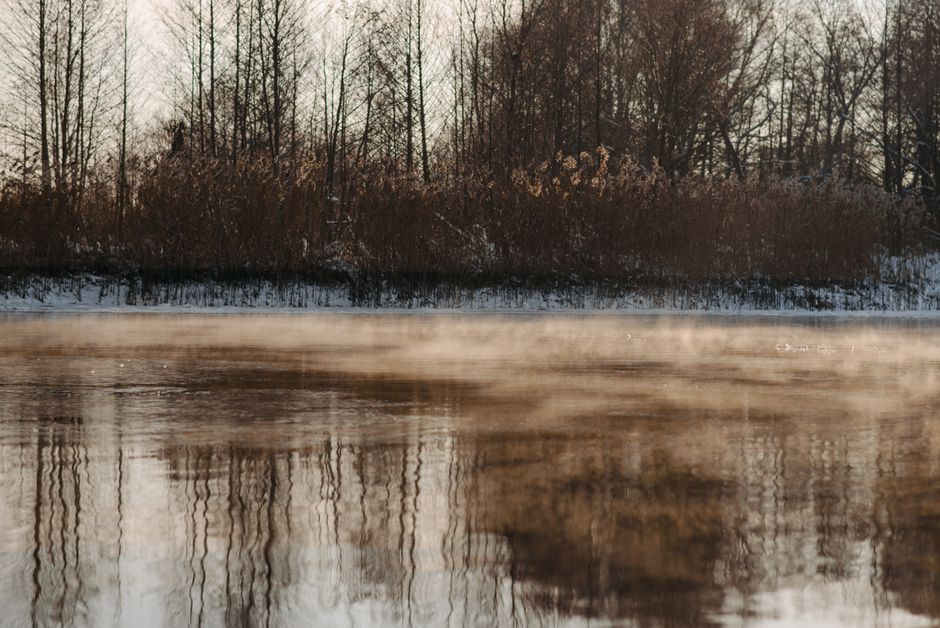
Kneza Branimira Street — This is the main pedestrian street in the city center, lined with cafes, shops, and historic buildings. It is the perfect place for a stroll after a bath. You will find everything from traditional Bosnian bakeries to international brands. The street is vibrant and lively, especially in the evening. It is a good place to get a feel for the city's modern pulse.
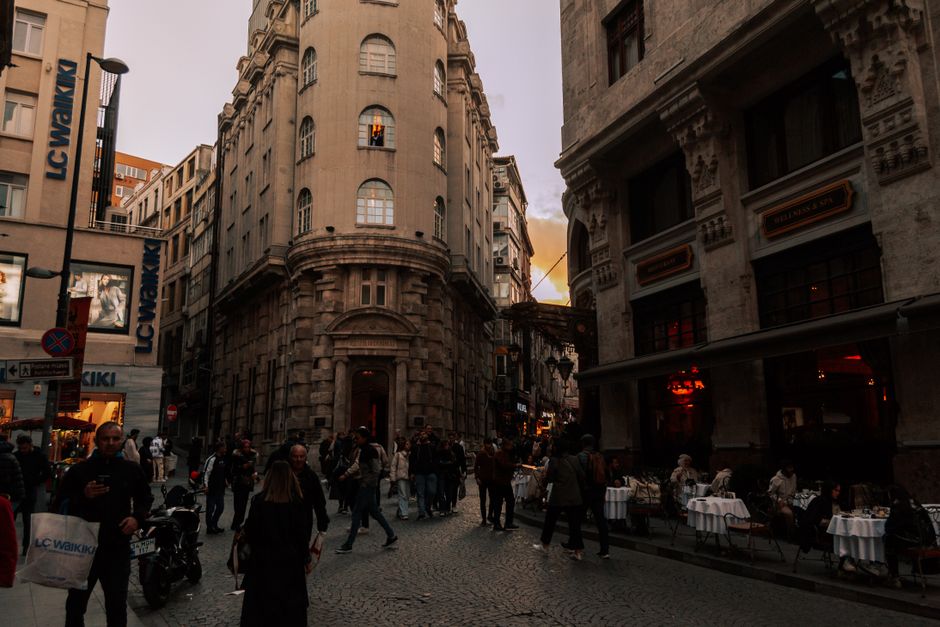
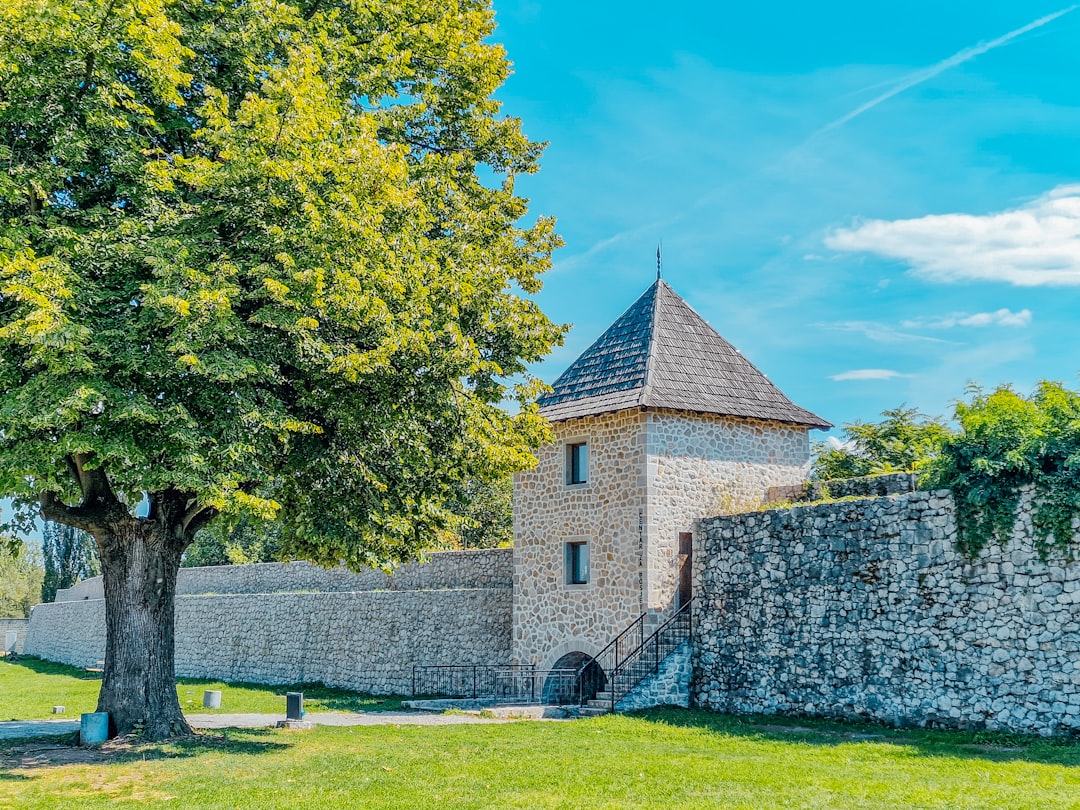
Golden Hall (Zlatna Sobana) — This is a historic building that now houses a cultural center and a museum. The architecture is stunning, with ornate details and a grand facade. Inside, you can learn about the history of Banja Luka and the region. It is a quiet, reflective space that offers a contrast to the bustling streets outside. Entry is 3 EUR.
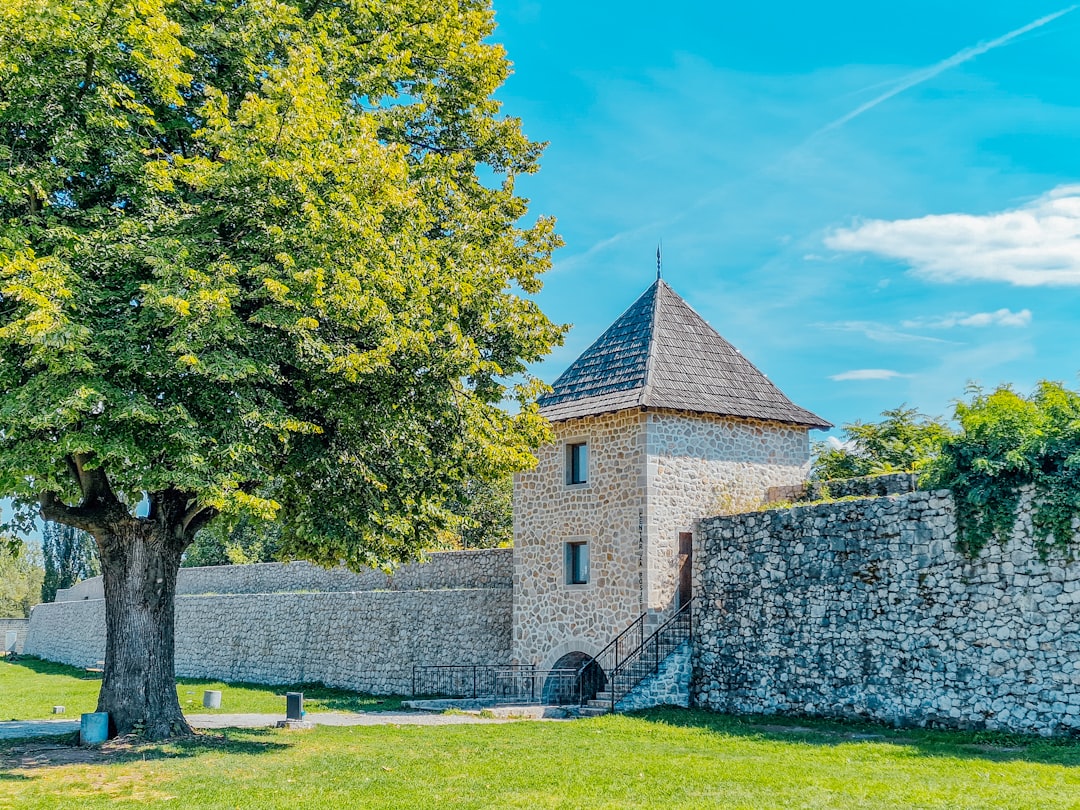
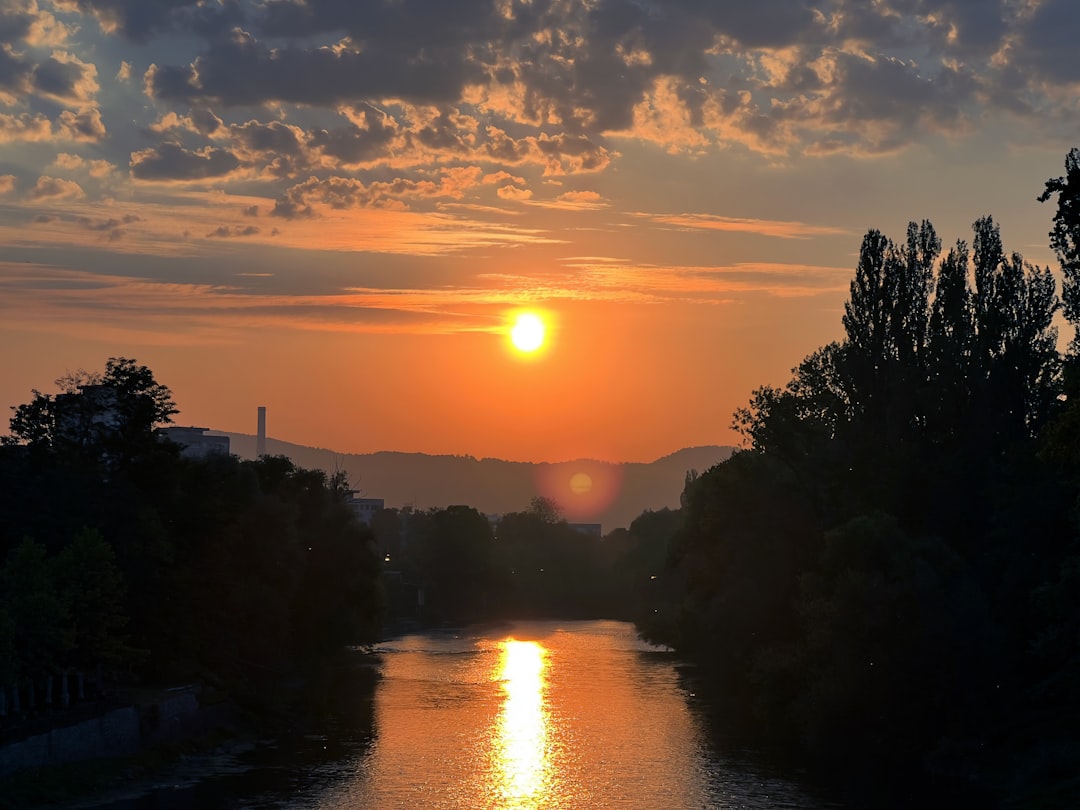
Vrbanja River — The river that flows through the city is named after the thermal springs that feed it. The name "Vrbanja" comes from the word "vrba," which means willow, but it is also associated with the healing waters. You can walk along the riverbanks, especially in the park areas, and feel the warmth of the water even from the shore. It is a peaceful spot for a quiet moment.
Banjski Park — This is a large, beautiful park located near Banjsko Jezero. It is filled with trees, flower beds, and walking paths. It is a great place for a morning jog or a leisurely walk. The park is well-maintained and offers a green oasis in the city. There are also playgrounds for children and benches for resting.
What to Eat & Drink
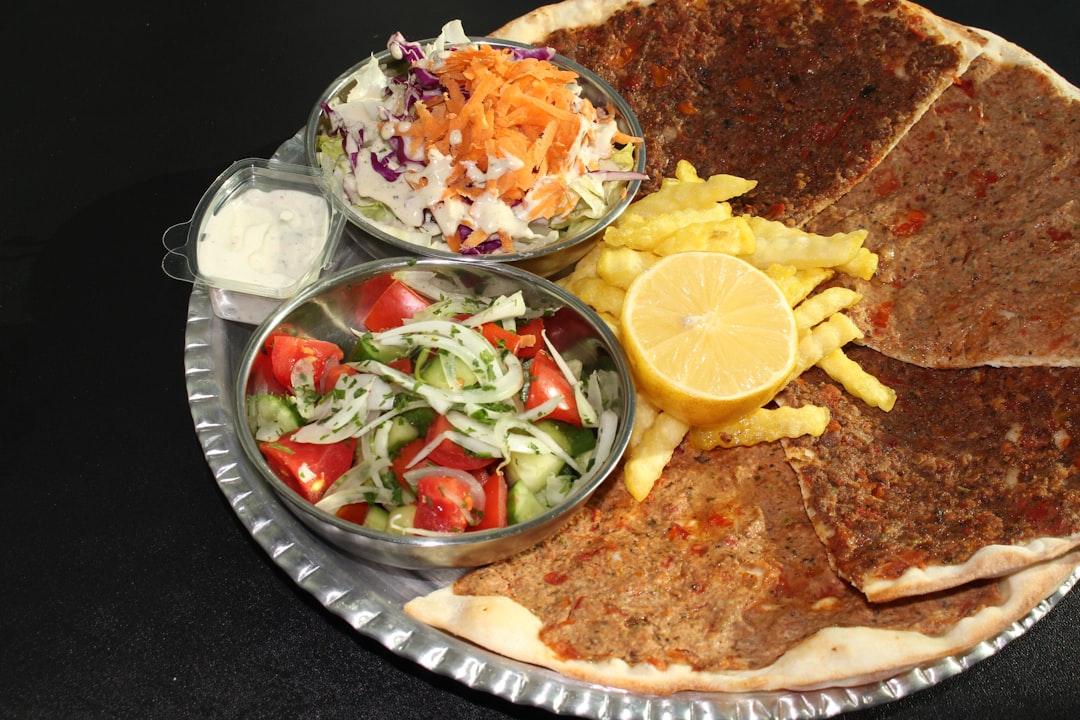
After a soak in the thermal waters, you will be hungry. Bosnian cuisine is rich, hearty, and perfect for refueling. Here are some local dishes you must try:
- Cevapi — Small grilled meat sausages served with somun bread and onions. 4-6 EUR per portion. This is the national dish of Bosnia and a must-try.
- Burek — A flaky pastry filled with minced meat, cheese, potatoes, or spinach. 2-3 EUR per slice. Perfect for breakfast or a snack.
- Sogan Pljeskavica — A large meat patty with onions, served with bread and ajvar. 5-7 EUR. A heavier option, but delicious.
- Proja — A cornbread dish, often served with cheese or sour cream. 3-4 EUR. A simple, comforting staple.
- Bosnian Coffee — Served in a džezva (a special coffee pot) with sugar and served in small cups. 2-3 EUR. It is thick, strong, and a ritual in itself.
For budget travelers, you can find street food and take-away options for under 5 EUR per meal. Sit-down local restaurants range from 8-15 EUR per person, while mid-range restaurants are 15-25 EUR. The best place to eat is around the Old Bazaar area, where you will find traditional restaurants and cafes. For a more modern experience, head to the cafes along Kneza Branimira Street.
Nightlife
Banja Luka may be a spa town, but it has a vibrant nightlife. The main area for bars and clubs is around the city center and the riverbanks. Here are a few specific venues:
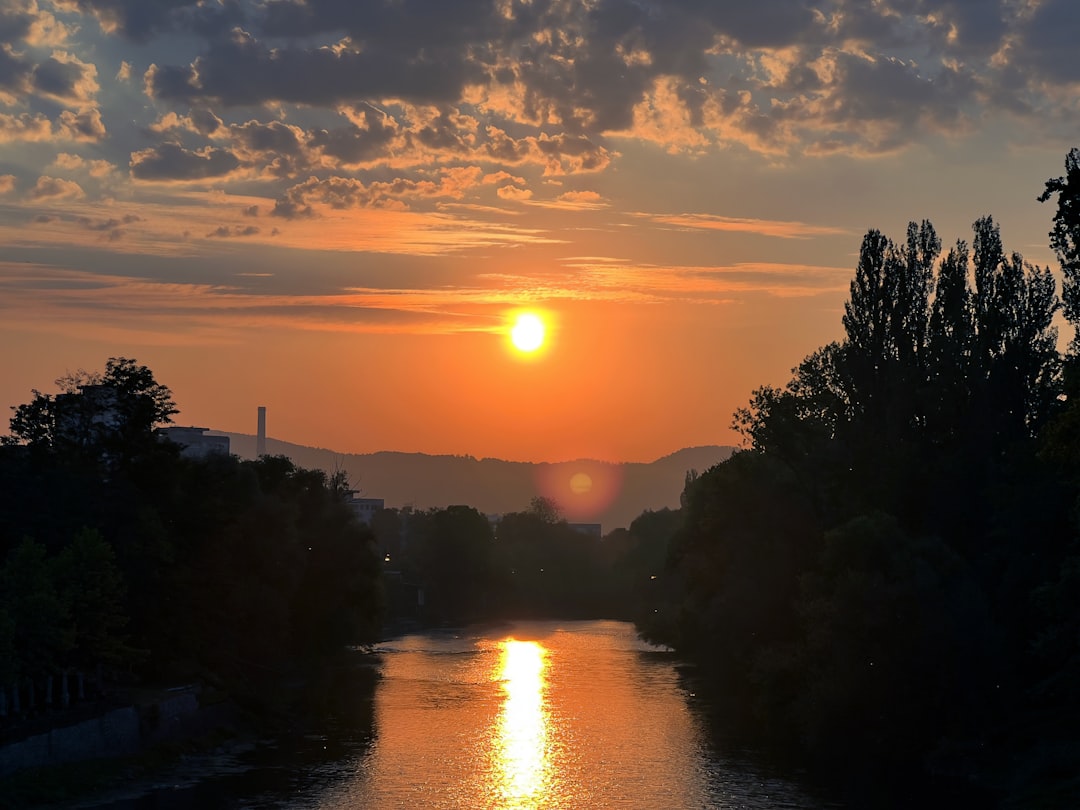
Barovi na Vrbanji — There are several bars located along the Vrbanja River. They offer outdoor seating, live music, and a relaxed atmosphere. It is a great place to start the evening. Cover charge is usually free, but drinks are 3-5 EUR.
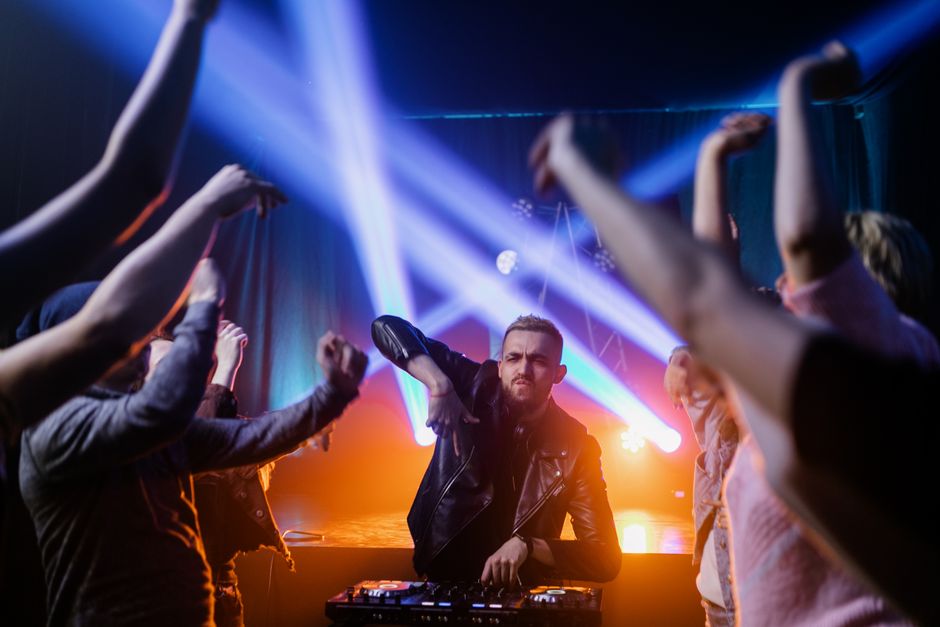
Club Sava — This is a popular club in the city center, known for its electronic music and large dance floor. It is a good place for a late-night party. Cover charge is 5-10 EUR.
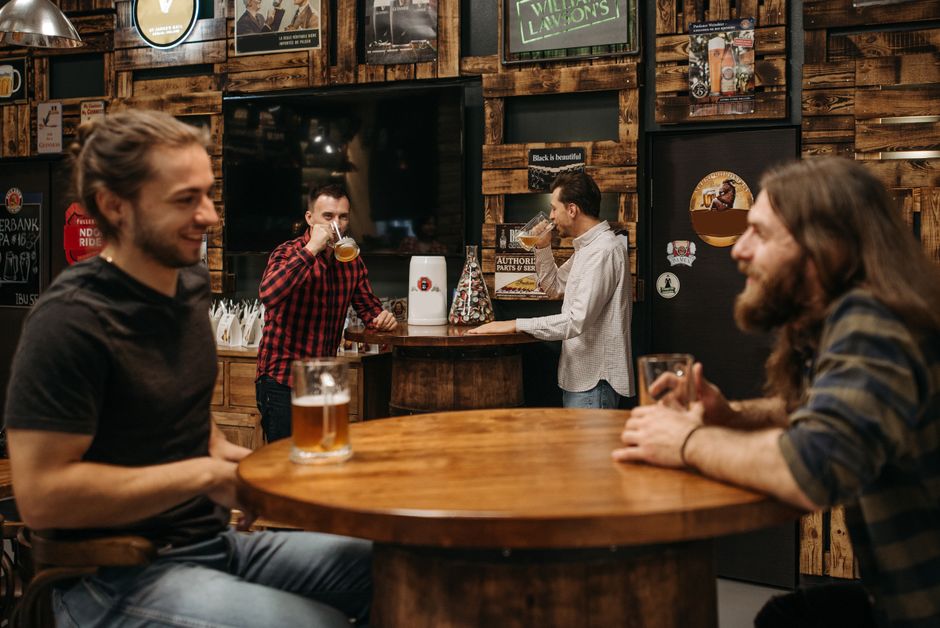
Pub Kafa — A cozy pub with a traditional atmosphere, serving local beers and spirits. It is a good place for a quiet drink and conversation. Drinks are 2-4 EUR.
Getting There & What to Expect
The nearest airport is Pale-Priboj Airport (also known as Banja Luka International Airport), which has connections to major European cities. From the airport, you can take a taxi to the city center for about 15-20 EUR. Alternatively, you can take a bus from Belgrade, Sarajevo, or Zagreb. Bus tickets range from 15-30 EUR, depending on the distance. The journey from Belgrade takes about 4-5 hours, while from Sarajevo it is about 3-4 hours.
For accommodation, you have a range of options. Budget hostels start from 15-25 EUR per night, mid-range hotels are 40-80 EUR, and luxury spa hotels can cost 100-200 EUR or more. The best time to visit is between May and September, when the weather is warm and the thermal springs are most enjoyable. However, the spa culture is year-round, so you can visit in winter as well, especially if you are looking for a quiet retreat.
Search accommodation in Banja Luka on Booking.com →
The Steam Never Clears
I leave Banja Luka with my neck still aching, but my spirit lighter. The thermal springs did not cure my physical ailments, but they offered something else: a pause. In a world that is always moving, always demanding, there is a profound relief in simply sitting in warm water and doing nothing. The steam rises, the locals nod, and for a moment, everything is okay. This is the secret of Banja Luka. It is not just a spa town; it is a sanctuary. And in the Balkans, where history is heavy and the past is never far away, that is a rare and precious thing.
Comments