



A growing number of Balkan workers are experiencing severe workplace accidents, sparking a regional debate over labor safety standards and the enforcement of regulations. Recent incidents in Bulgaria, Serbia, and Romania highlight a persistent gap between legislative frameworks and on-the-ground realities. The term "злополука" (accident/mishap) has trended across social media platforms, driven by viral videos of dangerous working conditions and tragic outcomes. This surge in public awareness underscores a critical issue: while the Balkans are increasingly integrated into European supply chains, occupational health and safety protocols often lag behind EU benchmarks. For workers in construction, manufacturing, and agriculture, the consequences of this disparity are life-altering.
The latest wave of concern follows a series of high-profile accidents, including a fatal explosion at a chemical plant in Bulgaria and multiple structural collapses in Serbian construction sites. These events have reignited calls for stricter oversight and better enforcement of existing laws. As Balkan economies grow, the pressure to meet production targets often overshadows safety measures. The result is a workforce that remains vulnerable, with injury rates significantly higher than the EU average. This trend is not just a local issue; it affects the integrity of the entire regional labor market and the reputation of Balkan exports.
The Human Cost of Industrial Negligence
Workplace accidents in the Balkans frequently involve small and medium-sized enterprises (SMEs) that operate with limited resources and minimal regulatory scrutiny. According to the International Labour Organization, SMEs account for a disproportionate share of workplace injuries in emerging economies. In Bulgaria, a recent report by the National Social Security Institute revealed that over 70% of reported accidents occurred in companies with fewer than 50 employees. These businesses often lack the infrastructure for comprehensive safety training or the equipment necessary to mitigate risks.
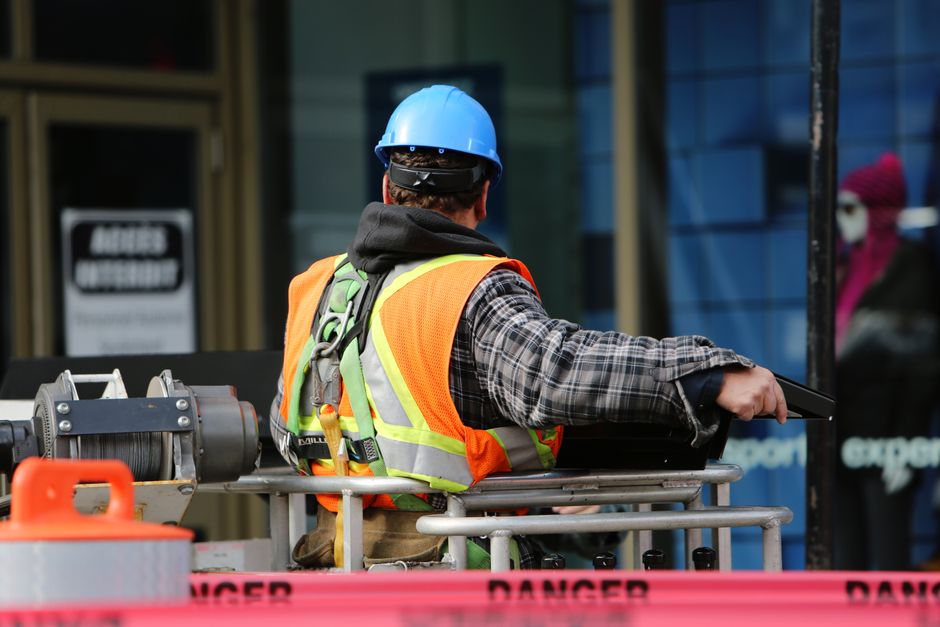
The human toll is stark. In one recent incident in Skopje, a construction worker fell from an unscaffolded height, resulting in permanent disability. Similar cases have been reported in Romania, where agricultural workers suffer from pesticide exposure and machinery accidents. The psychological impact on families and communities is profound, with many victims facing long-term financial instability due to inadequate compensation schemes. The World Health Organization emphasizes that occupational injuries are not just economic burdens but significant public health crises that require urgent intervention.
Moreover, the stigma surrounding workplace accidents often leads to underreporting. Workers, fearing job loss or retaliation, may choose not to report injuries, creating a false sense of security for regulators. This culture of silence perpetuates the cycle of negligence. In Serbia, a survey by the Confederation of Trade Unions of Serbia found that nearly 40% of workers had experienced unsafe conditions but did not report them. This lack of transparency hinders efforts to identify systemic issues and implement effective solutions.
Regulatory Gaps and Enforcement Challenges
While Balkan countries have adopted many EU directives on occupational safety, enforcement remains inconsistent. In Bulgaria, the State Agency for Labor Inspection has faced criticism for understaffing and lack of resources, leading to infrequent inspections and lenient penalties. Similarly, in Romania, the Territorial Labor Inspectorates struggle to keep pace with the growing number of businesses, particularly in the construction and manufacturing sectors. The European Agency for Safety and Health at Work has repeatedly called for stronger institutional frameworks to bridge this gap.
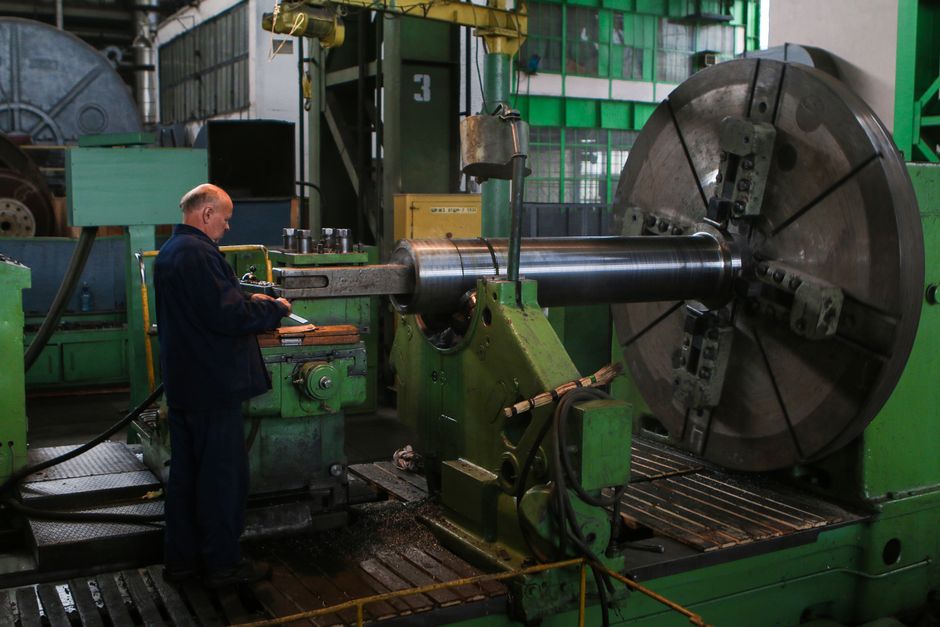
The legal framework itself presents challenges. Many Balkan nations have outdated legislation that does not fully align with current EU standards, creating ambiguity for employers and employees alike. For instance, Serbia’s Law on Safety and Health at Work has not been fully updated to reflect recent EU directives, leaving loopholes that can be exploited by negligent employers. In North Macedonia, the process for certifying safety equipment is cumbersome and expensive, discouraging smaller firms from compliance. These regulatory inconsistencies undermine the effectiveness of safety measures and erode trust in the system.
International pressure is mounting. The European Commission has linked progress on labor rights and safety standards to broader economic incentives, including funding from the Recovery and Resilience Facility. Countries that fail to improve their safety records risk losing access to crucial financial support. This dynamic has spurred some governments to announce new initiatives, such as Bulgaria’s recent pledge to increase the number of labor inspectors by 20% over the next two years. However, critics argue that without sustained political will and adequate funding, these promises may remain unfulfilled.
Regional Solidarity and the Path Forward
Amid these challenges, there are signs of progress. Civil society organizations and trade unions across the Balkans are collaborating to raise awareness and advocate for stronger protections. In Croatia, the Croatian Trade Union Centre has launched a regional campaign to highlight workplace safety issues, partnering with counterparts in Slovenia and Bosnia. These efforts aim to create a unified voice for workers and pressure governments to take action. The campaign includes public protests, media outreach, and educational workshops for employers and employees.
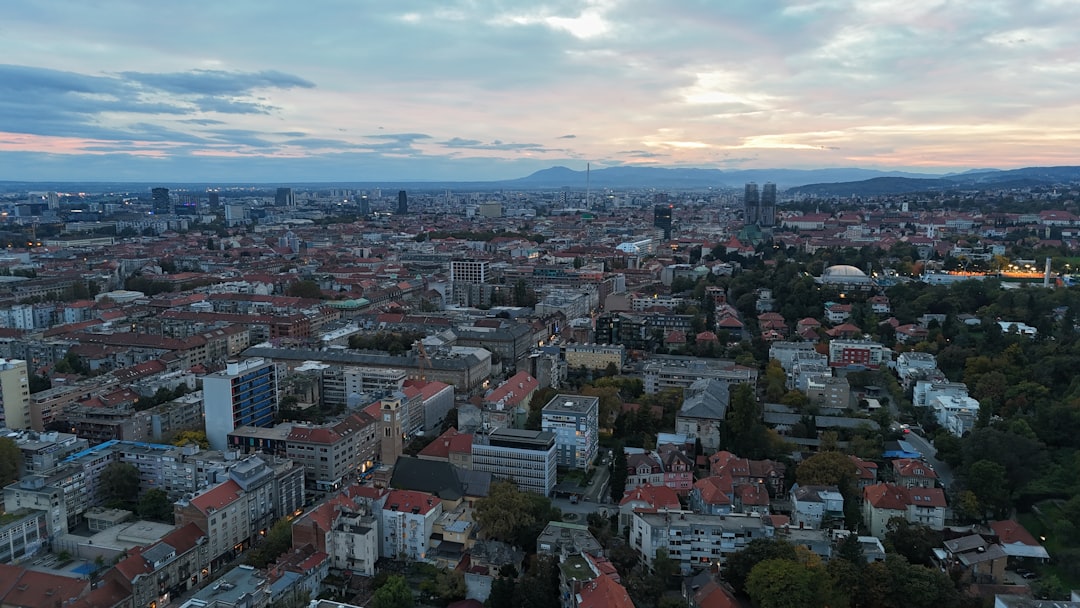
Technology also offers potential solutions. Digital platforms for reporting accidents and monitoring compliance are gaining traction. In Romania, a new app developed by a local NGO allows workers to anonymously report safety violations, providing regulators with real-time data. Similar initiatives are being piloted in Serbia and Albania. These tools not only improve transparency but also empower workers to take control of their safety. The digital transformation of labor inspection could be a game-changer, enabling more efficient and targeted enforcement.
Looking ahead, the Balkan region must prioritize occupational safety as a cornerstone of economic development. This requires not only legal reforms but also cultural shifts that value worker well-being over short-term profits. Governments, businesses, and civil society must work together to create a safer working environment. The recent surge in public attention on "злополука" presents an opportunity to drive meaningful change. By learning from past mistakes and embracing best practices, the Balkans can build a more resilient and equitable labor market. For workers, the stakes could not be higher, and for the region, the cost of inaction is too great to ignore.



Comments