



A powerful winter storm is sweeping across the Balkans, triggering widespread snowfall, road closures, and flight cancellations across Serbia, Bulgaria, and parts of Croatia. The meteorological event, driven by a low-pressure system interacting with cold air masses from the east, has prompted authorities to issue warnings for hazardous travel conditions. In Serbia, where the term "snow" has dominated social media trends and search queries, several highways have been temporarily shut down as emergency services work to clear major arteries. The storm highlights the region's vulnerability to sudden shifts in winter weather, impacting daily commutes, supply chains, and regional connectivity. As temperatures drop below freezing in many areas, residents are advised to remain indoors, while transport operators struggle to maintain schedules amidst the challenging conditions.
Severe Weather Conditions and Infrastructure Impact
The current weather system is characterized by heavy precipitation in the form of snow for higher altitudes and sleet or rain in lower elevations, followed by a rapid temperature drop. In Serbia, the Meteorological Service has issued orange and red alerts for several districts, including Belgrade, Niš, and the mountainous regions of Zlatibor and Kopaonik. Snow accumulations exceeding 20 centimeters have been reported in urban centers, overwhelming municipal cleaning services in some cases. The climate of Serbia, typically featuring cold winters, is being tested by the intensity of this particular front, which has also affected neighboring countries. In Bulgaria, the Hydro-Meteorological Institute has warned of icy roads and potential black ice formations, urging drivers to exercise extreme caution.
Transport infrastructure is facing significant strain. Major highways such as the E-75 and E-70 have seen intermittent closures due to accidents and poor visibility. The road transport network in Serbia, which relies heavily on these corridors for both domestic and international transit, is experiencing delays that ripple across the region. Logistics companies are rerouting trucks to avoid border crossings, particularly at the Macedonian and Bulgarian borders, where queues are forming. Air travel is also affected, with several flights from Belgrade Nikola Tesla Airport being delayed or canceled due to snow removal operations on runways. Passengers are advised to check with their airlines for real-time updates, as the situation remains fluid and subject to rapid change as the storm progresses.
Regional Response and Emergency Measures
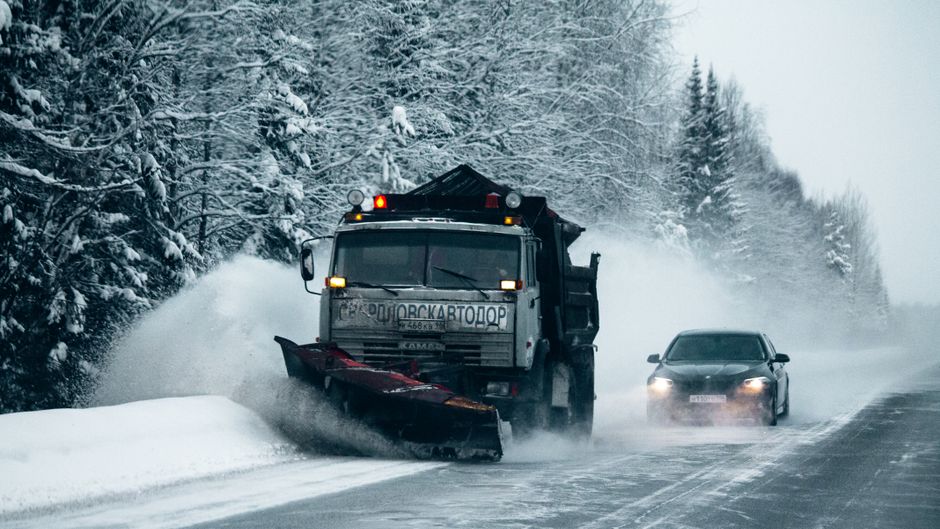
Governments across the Balkans have activated emergency response protocols to manage the crisis. In Serbia, the Ministry of Interior has deployed additional police units to assist with traffic control and accident response. Municipalities in major cities like Belgrade and Novi Sad are mobilizing snowplows and salt spreaders to keep main roads passable. The emergency management systems are coordinating with utility companies to prevent power outages caused by the weight of snow on power lines. Similar measures are being taken in North Macedonia and Bosnia and Herzegovina, where authorities are prioritizing the clearance of roads leading to hospitals and essential services. The cross-border nature of the storm requires coordinated efforts, as disruptions in one country quickly impact neighbors.
Public health officials are also issuing warnings about the risks associated with extreme cold. Hypothermia and frostbite are primary concerns, particularly for vulnerable populations such as the elderly and homeless individuals. Shelters in major cities have been opened to provide warmth and basic necessities. The storm has also highlighted issues with energy security, as demand for heating spikes during cold snaps. In some areas, there have been reports of minor power fluctuations, though major blackouts have been averted so far. The electricity sector is operating at high capacity to meet increased demand, with grid operators monitoring the situation closely to prevent overloads. Residents are encouraged to conserve energy and report any issues to their local utility providers.
Balkan Winter Context and Future Outlook
This storm occurs within the broader context of changing weather patterns in the Balkans. While winter snowfall is common, the intensity and timing of recent storms have raised questions about climate variability. Meteorologists note that while global warming trends are evident, the jet stream's behavior can still lead to significant cold outbreaks and heavy snow events. The climate change in the Balkans is a complex issue, with regional impacts varying from increased rainfall in some areas to more frequent heatwaves in others. Understanding these patterns is essential for improving infrastructure resilience and emergency preparedness. The current event serves as a reminder of the need for robust systems to handle extreme weather, regardless of long-term trends.
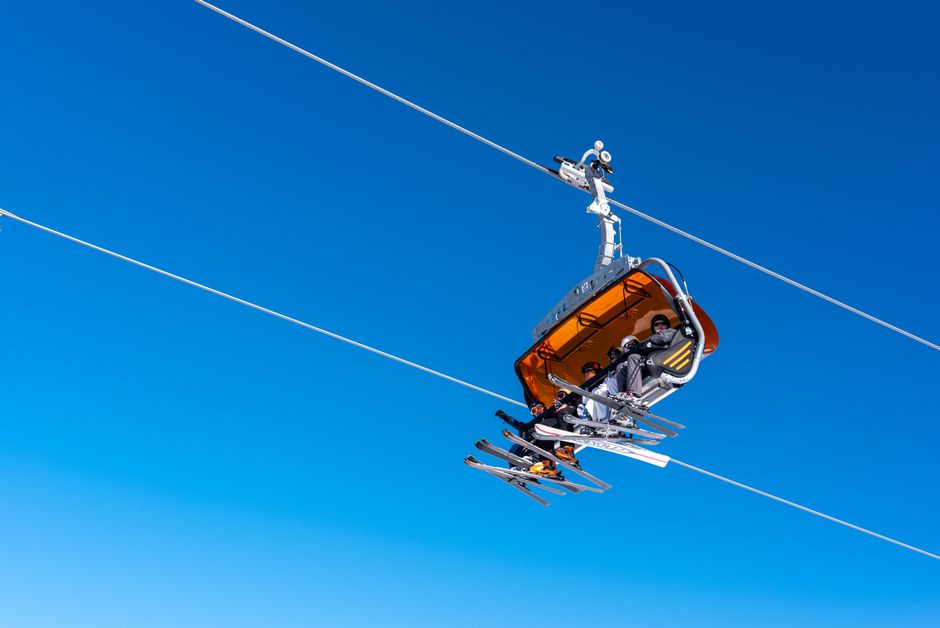
Looking ahead, the storm is expected to move eastward over the next 48 hours, bringing relief to western Serbia but affecting Romania and Turkey more heavily. Temperatures are forecast to remain well below average for several days, leading to icy conditions even after the snow stops. Travelers should expect ongoing disruptions, particularly on mountain passes and rural roads. The tourism sector in ski resorts like Kopaonik and Zlatibor may see a boost in visitors, but only if access roads are cleared. For the general public, the focus remains on safety and adaptation. As the Balkans face the challenges of a harsh winter, the response to this storm will inform future strategies for managing similar events, ensuring that communities are better prepared for the unpredictable nature of regional weather.



Comments