



A significant meteorological shift is sweeping across the Balkan Peninsula, bringing an abrupt end to the stable summer patterns that have characterized the region for weeks. Meteorological services across Serbia, Bulgaria, and North Macedonia have issued warnings for heavy rainfall, thunderstorms, and a sharp drop in temperatures. This weather system, driven by a low-pressure center moving from the northwest, is expected to impact millions of residents, disrupting daily routines and prompting caution for travelers and outdoor event organizers. The transition marks a definitive move toward autumn conditions, with implications for agriculture, energy consumption, and public safety across the region.
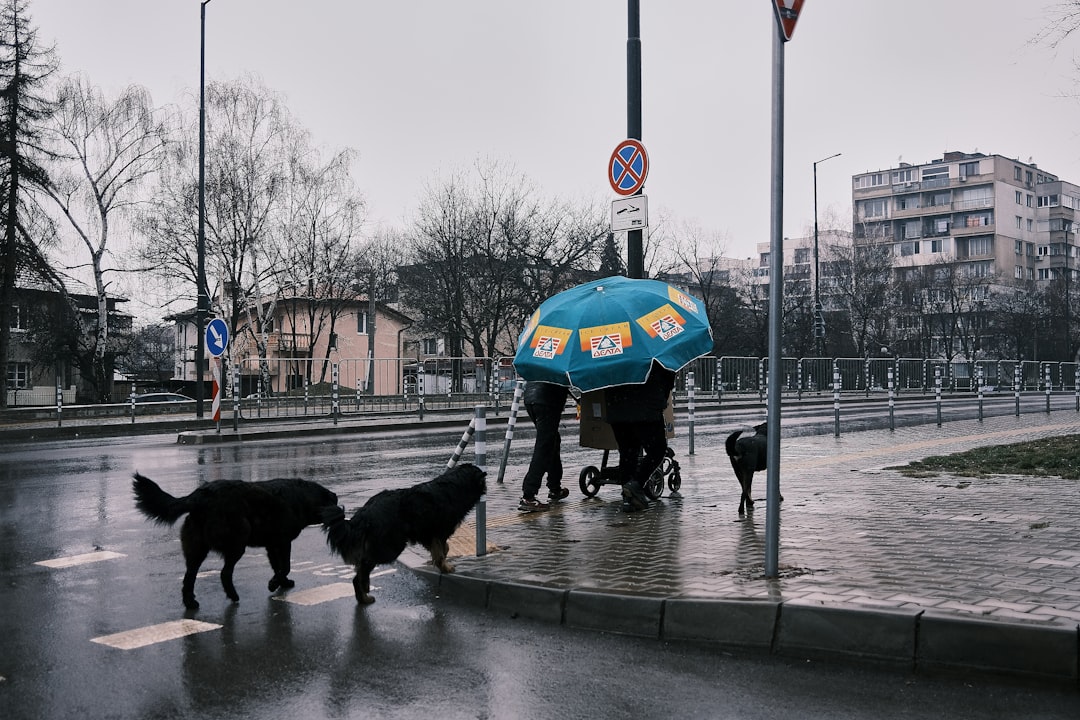
The immediate impact is most visible in Serbia, where the Hydrometeorological Institute has reported widespread cloudiness accompanied by rain and thunderstorms. Temperatures are forecast to plummet by several degrees, with some areas experiencing drops of up to 10°C within a 24-hour period. This sudden change is not merely a seasonal adjustment but a dynamic weather event that requires public preparedness. The influx of moisture is expected to saturate soils, increasing the risk of localized flooding in low-lying areas and along riverbanks. For Balkan audiences, tracking vremenska prognoza has become essential as the window for summer tourism closes and the region braces for the cooler, wetter months ahead.

Meteorological Drivers and Regional Spread
The current weather pattern is driven by the interaction between residual high-pressure systems lingering over the eastern Mediterranean and an advancing cold front originating from Central Europe. This collision creates an unstable atmosphere, leading to the formation of deep convective clouds responsible for the intense rainfall and lightning activity. According to data from meteorological models, the low-pressure system is expected to track southeastward, bringing its heaviest precipitation to the northern and central parts of the Balkans before gradually weakening. The energy difference between the warm air masses and the incoming cool front fuels the severity of the storms, resulting in gusty winds and rapid temperature declines.
While Serbia is currently on the front line of this weather shift, the effects are expected to ripple through neighboring countries. Bulgaria is anticipating similar conditions, with the National Institute of Meteorology and Hydrology forecasting rain and cooling trends across most of the country. In North Macedonia, the weather pattern is expected to bring relief to areas suffering from heat stress, but also poses challenges for infrastructure and agriculture. The broader regional impact highlights the interconnected nature of Balkan weather systems, where a shift in one country often signals similar changes across borders. Residents in Romania and Croatia are also monitoring forecasts, as the weather front continues its progression.
Impact on Agriculture and Daily Life
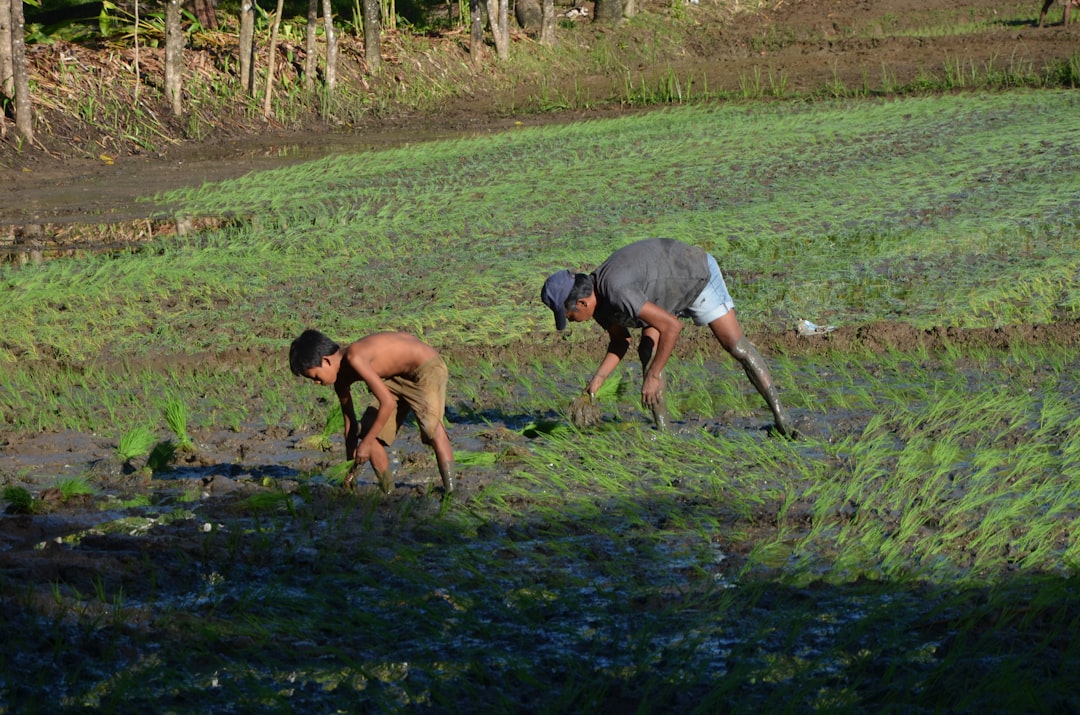
The arrival of heavy rain and cooler temperatures has mixed implications for the Balkan agricultural sector. For crops such as corn and soybeans, which are nearing harvest, excessive moisture can lead to yield losses and delays in field operations. Farmers in central Serbia and northern Bulgaria are particularly concerned about waterlogging, which can damage root systems and promote fungal diseases. Conversely, for vineyards and orchards that have endured dry spells, the rainfall may provide necessary hydration, potentially improving the quality of late-season fruits. However, the intensity of the storms poses a risk of physical damage to crops from hail and strong winds, a common threat in the region during transitional weather periods.
Beyond agriculture, the weather shift significantly impacts daily life and infrastructure. The sudden drop in temperatures means that households will need to adjust their heating systems earlier than usual, potentially straining energy grids that are still operating under summer load assumptions. Commuters face hazardous driving conditions due to wet roads and reduced visibility, prompting authorities to advise caution and increased travel times. Public events planned for outdoors are at risk of cancellation or relocation, affecting cultural festivals and community gatherings that are staple features of Balkan social life. The psychological impact of the weather change is also notable, as the vibrant summer atmosphere gives way to the gloomier, more introspective mood typical of autumn.
Looking Ahead: What to Expect Next
As the current weather system moves through the Balkans, meteorologists predict a gradual stabilization of conditions, but with temperatures remaining below seasonal averages. The next few days will likely see a continuation of intermittent rain, particularly in the northern regions, while the south may experience clearer skies. However, the underlying trend points toward a wetter and cooler autumn, which could have longer-term implications for water resources and energy planning. Residents are advised to stay updated with local weather forecasts, as conditions can change rapidly in mountainous areas such as the Dinaric Alps and the Balkan Mountains.
For the Balkan audience, this weather event serves as a reminder of the region's climatic variability and the importance of preparedness. As summer officially fades, the focus shifts to managing the challenges of the cooler months, from maintaining infrastructure to ensuring food security. The current vremenska prognoza is not just a daily update but a signal of broader seasonal changes that affect every aspect of life in the Balkans. Keeping an eye on these developments is essential for navigating the months ahead, ensuring that communities can adapt to the evolving climate with resilience and foresight.


Comments