



A growing number of university students across the Balkans are abandoning their home countries for higher education in **Eastern Europe** and **Russia**, driven by skyrocketing tuition fees and inadequate state support in their native regions. The search term "stipendija" (scholarship) has surged in popularity across Serbia, Bosnia and Herzegovina, and North Macedonia, reflecting a deepening anxiety among young families who can no longer afford the cost of local university degrees. This exodus represents a significant demographic and economic shift, as the region loses its brightest minds to foreign institutions that offer cheaper education and sometimes even stipends, despite the geopolitical risks involved.
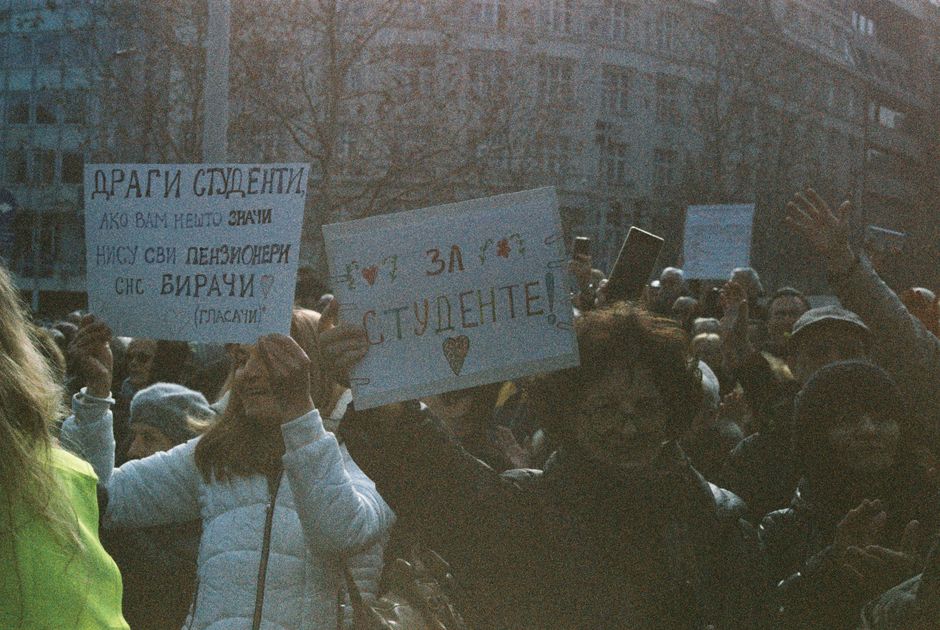
The trend is particularly acute in Serbia, where the University of Belgrade, the largest in the Balkans, has seen a sharp increase in students seeking alternative options. While public universities in Serbia remain tuition-free for undergraduate programs, the cost of living in Belgrade has outpaced the value of the monthly state scholarship, which hovers around 200 euros. Consequently, many students view this stipend as insufficient to cover rent and basic necessities. As a result, a parallel market of educational migration has emerged, with agents actively promoting universities in Russia, Moldova, and Belarus as affordable alternatives that include housing and living stipends.
The Economics of Educational Migration
The primary driver of this migration is economic disparity between the Balkans and neighboring Eastern European countries. In Bosnia and Herzegovina, the complex political structure results in fragmented education funding. Students in the Federation of Bosnia and Herzegovina and Republika Srpska often face different scholarship criteria, but the overall support remains low. A typical scholarship in Sarajevo or Banja Luka rarely exceeds 150 euros, forcing students to work part-time jobs that detract from their studies. Meanwhile, universities in Romania and Bulgaria, while EU members, have begun attracting Balkan students with English-taught programs that, while not free, are still cheaper than the hidden costs of living in capital cities like Belgrade or Zagreb.
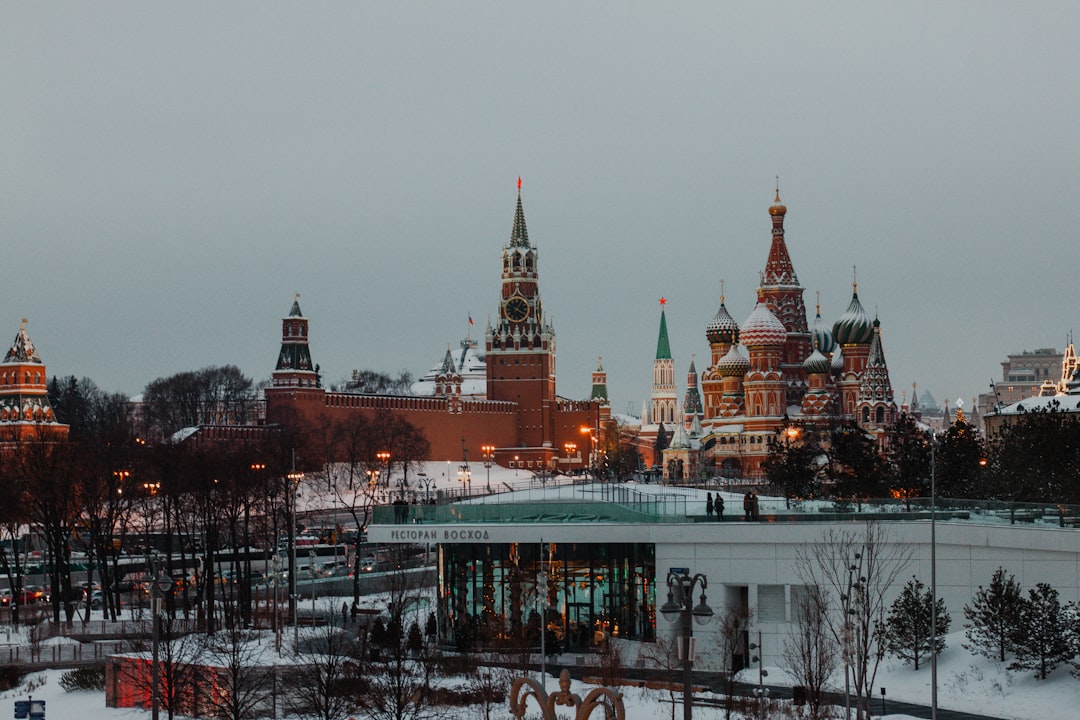
However, the most dramatic shift is toward Russia. Russian universities have aggressively marketed their medical and engineering programs to Balkan students, offering full scholarships that include accommodation and a monthly stipend. For a family in North Macedonia or Kosovo, where average monthly salaries are low, the promise of a free education in Moscow or St. Petersburg is irresistible. This trend has been exacerbated by the war in Ukraine, which initially disrupted these flows, but has since stabilized as students seek any available option. The Russian Ministry of Education has explicitly targeted Balkan nations to maintain its cultural influence, offering language courses and financial aid that local governments cannot match.
Geopolitical Implications and Brain Drain
The migration of Balkan students to Russia and other non-EU countries carries significant geopolitical implications. The European Union has expressed concern over this trend, viewing it as a loss of potential future citizens who might otherwise integrate into the EU labor market. The Erasmus+ program, the EU's flagship scholarship initiative, is designed to foster mobility within Europe, but it does not cover the full cost of living for all Balkan students. As a result, many who are eligible for Erasmus grants still find themselves short on funds, leading them to consider non-EU alternatives. This creates a paradox where EU integration efforts are undermined by economic realities on the ground.
Furthermore, the brain drain phenomenon is accelerating. Students who graduate from Russian or Eastern European universities are less likely to return to the Balkans due to the lack of competitive job markets and low salaries in their home countries. Instead, they often remain in Russia or move to Western Europe, leaving behind a skilled workforce deficit. For countries like Croatia, which has already joined the EU and Eurozone, the issue is different; students are leaving for better opportunities in Germany or Austria, but the core problem remains the same: the local economy cannot absorb or retain talent. The World Bank has noted that human capital flight is one of the biggest obstacles to economic growth in the Western Balkans.
Local Responses and Future Outlook
Governments in the region are beginning to respond to this crisis, albeit slowly. In Serbia, there have been public debates about increasing the value of the state scholarship to match inflation rates. The Ministry of Education has proposed adjustments, but political gridlock has delayed implementation. In Bulgaria, the government has introduced special scholarships for students from the Western Balkans to encourage them to study locally, aiming to keep talent within the EU sphere. Romania has similarly expanded its quota for international students from neighboring countries, offering tuition waivers in strategic fields like IT and medicine.
For the average Balkan student, the decision is increasingly pragmatic. The search for "stipendija" is no longer just about academic support; it is about survival and future mobility. As tuition fees in private institutions rise and public support stagnates, the allure of foreign scholarships grows. The next few years will be critical in determining whether Balkan governments can reverse this trend. If they fail to make higher education affordable and attractive, the region may continue to export its youth, weakening its economic and social fabric. The outcome of this educational migration will shape the demographic and political landscape of the Balkans for decades to come.
Readers should monitor upcoming policy changes in Serbia and North Macedonia, as these countries are facing the most intense pressure from student migration. Additionally, the impact of EU sanctions on Russia may eventually disrupt the flow of students to Russian universities, potentially forcing a return to local or EU-based options. The interplay between economic necessity and geopolitical alignment will continue to define the educational choices of Balkan youth.


Comments