


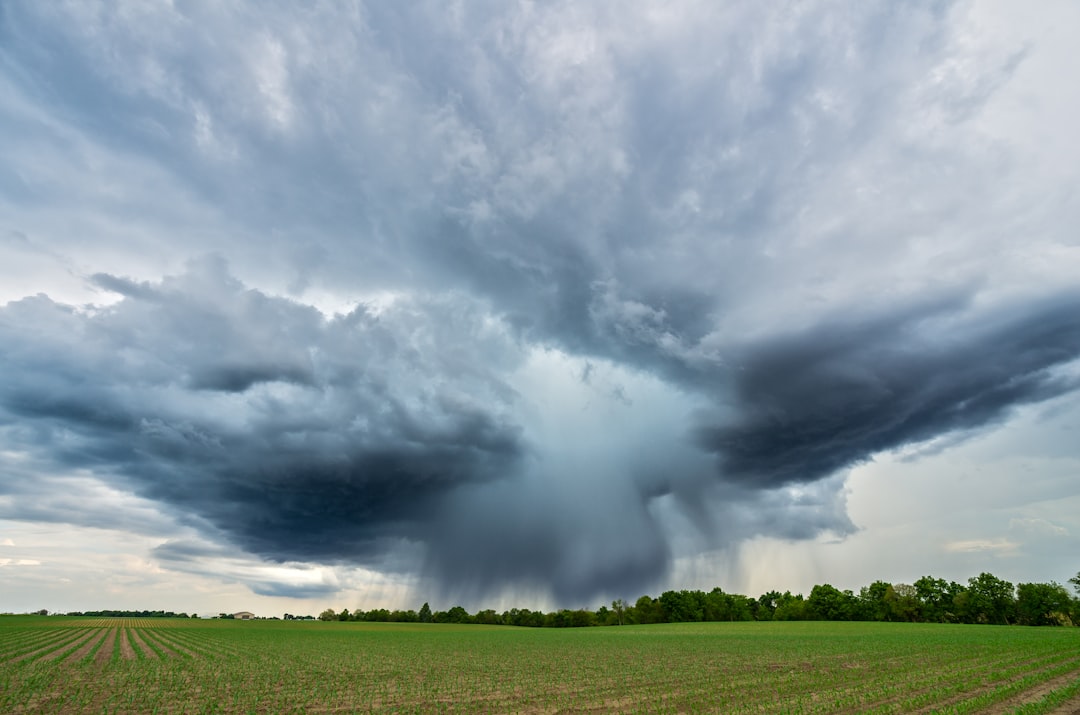
A severe heatwave is currently battering the Balkan Peninsula and Southern Europe, prompting urgent health warnings from meteorological agencies across Greece, Bulgaria, Serbia, Romania, Croatia, and North Macedonia. The trending search term "holnapi időjárás" (Hungarian for "tomorrow's weather") reflects a widespread regional concern as residents from Budapest to Belgrade scramble for accurate forecasts amid rising temperatures that have breached seasonal norms. Meteorologists report that a persistent high-pressure system, anchored over the Mediterranean, is funneling hot air northward, creating dangerous conditions that threaten public health, agricultural yields, and energy grids. This weather pattern is not merely a seasonal anomaly but a significant climatic event that requires immediate attention from local authorities and citizens alike.
The intensity of this heatwave is particularly notable given its timing and geographic spread. While summer heat is expected in the Balkans, the current surge is characterized by prolonged duration and exceptional peak temperatures, often exceeding 35°C (95°F) in inland areas and reaching near-40°C (104°F) in southern Greece and parts of Bulgaria. The phenomenon has triggered a cascade of secondary concerns, including heightened wildfire risks, water shortages, and increased strain on healthcare systems. As the region grapples with these challenges, the intersection of climate change and extreme weather events has moved to the forefront of public discourse, with citizens increasingly turning to digital platforms for real-time updates and safety guidance.

The Meteorological Drivers of the Current Heatwave
The primary driver of this intense heat is a robust anticyclone centered over the Mediterranean Sea, which acts as a thermal bridge, transporting hot, dry air from North Africa and the Middle East toward the Balkans. This high-pressure system suppresses cloud formation and precipitation, leading to clear skies and intense solar radiation that heats the ground rapidly. As the air mass moves northward, it interacts with the complex topography of the Balkans, including the Dinaric Alps and the Carpathians, which can amplify local heating effects through foehn-like winds. These winds, known locally as "jugo" in Croatia and Bosnia or "sirocco" in Greece, are hot, humid, and often carry dust particles, further degrading air quality and exacerbating health risks.
Climatologists point to broader trends in global warming as a key factor intensifying such events. The Balkan Peninsula has been identified as a climate change hotspot, with summer temperatures rising at a faster rate than the global average. This warming trend increases the frequency and severity of heatwaves, making them more common and more dangerous. The current event is consistent with projections made by the European Environment Agency, which highlight the growing vulnerability of the region to extreme heat. As the decade progresses, these patterns are expected to become the new normal, necessitating long-term adaptation strategies in urban planning, agriculture, and public health infrastructure.

Health Impacts and Regional Response
The immediate impact of this heatwave is on public health, particularly among vulnerable populations such as the elderly, young children, and individuals with pre-existing cardiovascular or respiratory conditions. Heatstroke, dehydration, and heat exhaustion are rising concerns, prompting hospitals in major cities like Belgrade, Sofia, Athens, and Bucharest to prepare for increased admissions. Public health agencies are issuing advisories urging residents to stay hydrated, avoid outdoor activities during peak heat hours (typically between 11 AM and 4 PM), and check on neighbors who may be at risk. In some areas, cooling centers have been opened in public buildings such as libraries and community halls to provide relief for those without access to air conditioning.
Beyond direct health effects, the heatwave poses significant risks to agriculture and infrastructure. Prolonged high temperatures and lack of rainfall stress crops such as wheat, maize, and fruits, potentially leading to reduced yields and economic losses for farmers. In Greece and Bulgaria, where viticulture and olive production are key industries, the heat threatens both the quality and quantity of harvests. Additionally, the increased demand for air conditioning is straining electrical grids, raising the risk of blackouts in some regions. Authorities are monitoring power consumption closely and implementing demand-response measures to prevent system failures. The World Health Organization emphasizes that integrated planning is essential to mitigate these cascading impacts, particularly in regions with limited resources for climate adaptation.
Balkan Context: A Region on the Frontlines
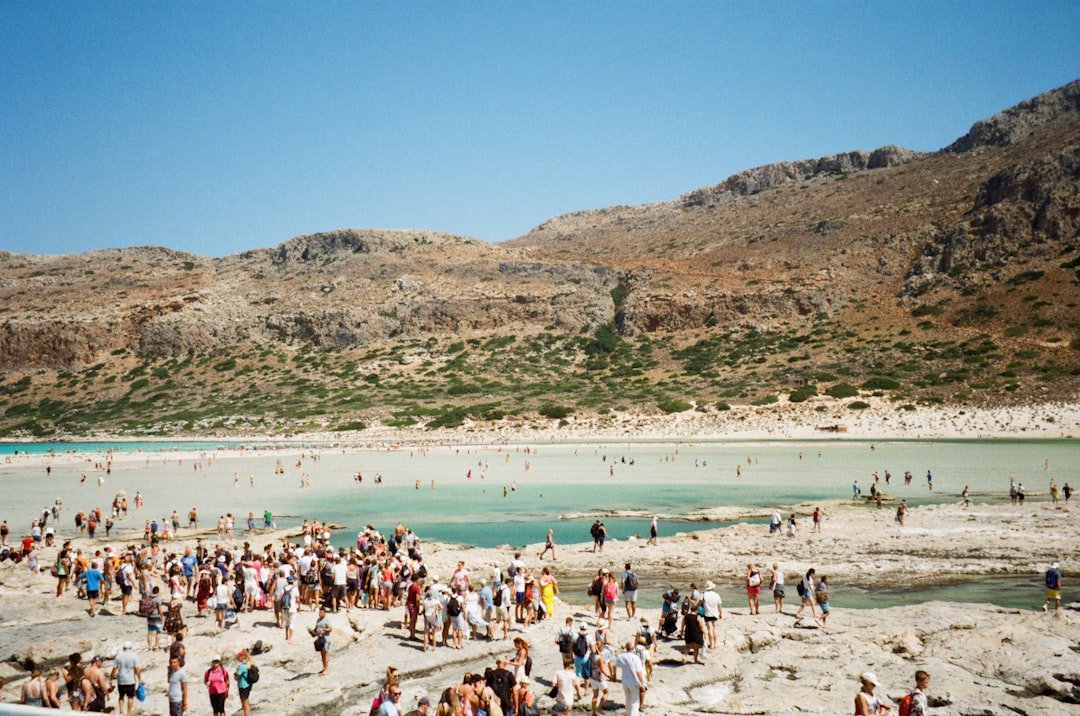
The Balkans are uniquely vulnerable to extreme weather due to their geographic position at the crossroads of Europe, Asia, and Africa, as well as their complex terrain and varied climate zones. The region experiences a range of weather phenomena, from cold winters in the mountains to hot, dry summers in the lowlands. This diversity means that heatwaves can affect different areas in different ways, requiring localized responses. For example, coastal areas in Croatia and Montenegro may experience high humidity and sea breezes that moderate temperatures slightly, while inland valleys in Serbia and North Macedonia can become heat traps with minimal airflow. This variability complicates forecasting and emergency response, as conditions can change rapidly over short distances.
Moreover, the Balkans face additional challenges due to ongoing infrastructure development and urbanization. Many cities in the region feature dense urban layouts with limited green spaces, contributing to the "urban heat island" effect, where built-up areas retain heat longer than surrounding rural areas. This effect can raise nighttime temperatures significantly, preventing the body from cooling down and increasing the risk of heat-related illnesses. Urban planners are increasingly recognizing the need for green infrastructure, such as parks, green roofs, and tree-lined streets, to mitigate these effects. The European Climate Adaptation Platform highlights several Balkan cities as case studies for innovative cooling strategies, offering lessons for other regions facing similar challenges.

What to Watch For Next
As the heatwave continues, residents across the Balkans should remain vigilant and adhere to safety guidelines issued by local meteorological and health authorities. Forecasters predict that the high-pressure system will persist for several more days, with temperatures remaining elevated and the risk of wildfires staying high. Authorities in Greece, Bulgaria, and North Macedonia have already increased patrols and resources for fire suppression, given the dry conditions and strong winds. Citizens are urged to report any signs of fire immediately and to avoid activities that could spark ignitions, such as open burning or using flammable materials near dry vegetation.
Looking ahead, this event serves as a stark reminder of the growing impacts of climate change on the Balkan Peninsula. The region's ability to adapt to these changing conditions will be critical for its long-term resilience and sustainability. Policymakers, community leaders, and citizens must collaborate to implement effective mitigation and adaptation strategies, from improving urban infrastructure to enhancing early warning systems for extreme weather. By staying informed and taking proactive steps, the Balkan region can better protect its populations and ecosystems from the increasing threats posed by extreme heat. The coming weeks will be a test of this preparedness, and the lessons learned will shape the region's approach to climate challenges in the years to come.


Comments