


The Raw Edge of the Game
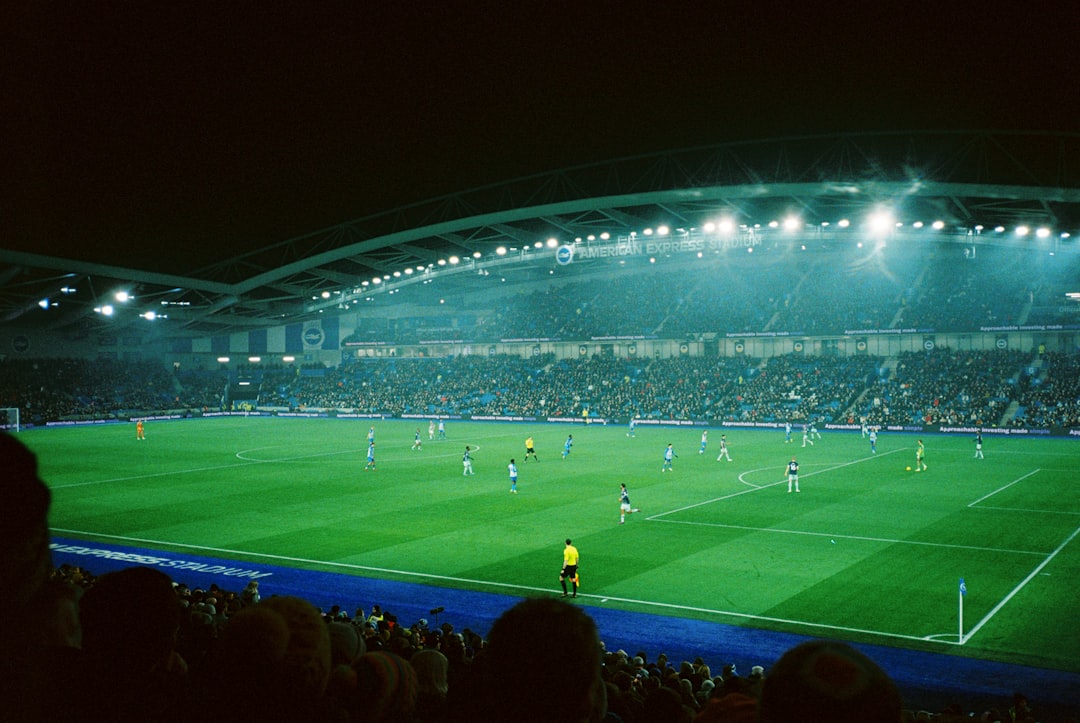
I am sitting in a plastic chair that has seen better decades, sweating through a cheap synthetic jersey, watching a match in Belgrade where the air smells of coal smoke, cheap tobacco, and raw ambition. The referee is arguing with a linesman who looks like he could bench-press the entire stadium. This is not the sanitized, corporate football of the Premier League. This is the Balkans. Here, football is not a pastime; it is a blood sport disguised as a game, and the kids running on this pitch are not just playing for points. They are playing for survival, for escape, and for the chance to become gods in the eyes of a region that worships athletic excellence.
Every time I watch a young winger from Zagreb or a center-back from Bucharest cut past a defender, I see the same thing: a ferocity that cannot be taught. It is bred in the concrete courts, the broken pitches, and the relentless pressure of a society that expects greatness. In 2025, the Balkans are not just producing players; they are exporting a style of play that is fast, technical, and dangerously unpredictable. The big European clubs are watching, and they are terrified.
The New Kings of the Pitch
The golden generation of Balkan football is no longer a distant memory; it is the current reality. While the world watches the established stars, the real story is in the youth academies. In Serbia, the production line is humming louder than ever. Clubs like Red Star Belgrade and Partizan Belgrade are not just local powerhouses; they are global talent scouts. The rivalry between these two giants, known as the Eternal Derby, is one of the most intense in world football, and it serves as a crucible for young talent. If you can survive the pressure of that stadium, you can survive anywhere.
In Croatia, the model is different but equally effective. The technical school of football, refined over decades, continues to produce players with exquisite ball control and tactical intelligence. Dinamo Zagreb remains the primary feeder for the Croatian national team, but smaller clubs are also rising, offering a more rugged, physical style that complements the technical base. The key for 2025 is the hybrid player: technically gifted but physically robust, able to adapt to the high-intensity demands of modern European football.
Clubs on the Rise
While the traditional giants dominate the headlines, a new wave of clubs is emerging across the Balkans. In Romania, FCSB has revitalized its youth academy, producing a crop of players who are catching the attention of mid-table European sides. The club's focus on data-driven scouting and modern training methods is paying off, making it a hotbed for talent in the region. Similarly, in Greece, Olympiacos is not just relying on foreign imports; they are investing heavily in local youth, creating a more sustainable model for long-term success.
In Bosnia and Herzegovina, FK Sarajevo has become a beacon for young talent, combining technical training with a strong sense of community identity. The club's stadium, Asim Ferhatović Hase, is a fortress, and the atmosphere there is electric. Young players who come through the ranks learn not just how to play football, but how to handle the immense pressure of representing their city and their country. This mental toughness is a trait that European clubs are increasingly valuing.
The Venues: Cathedrals of Passion
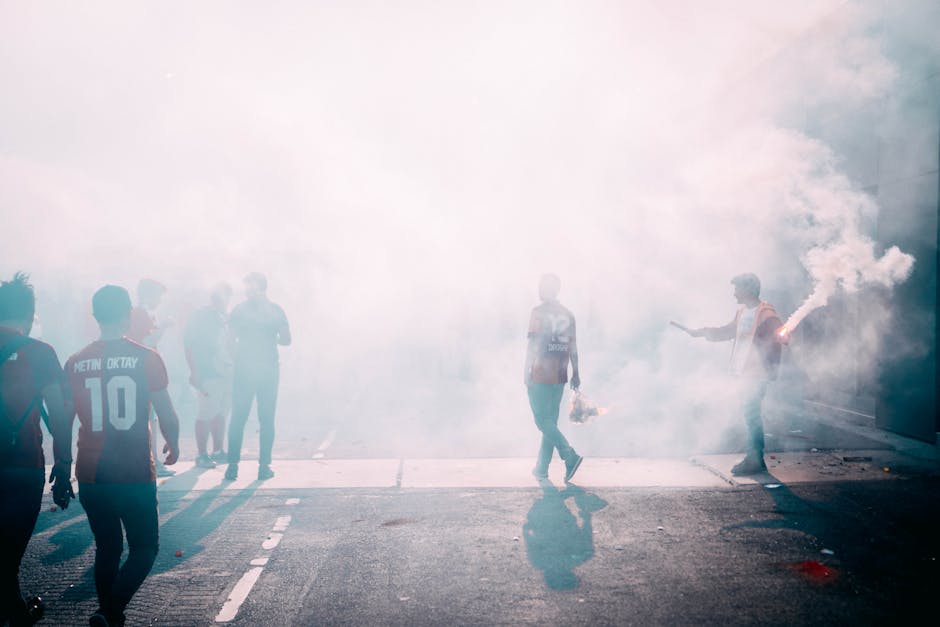
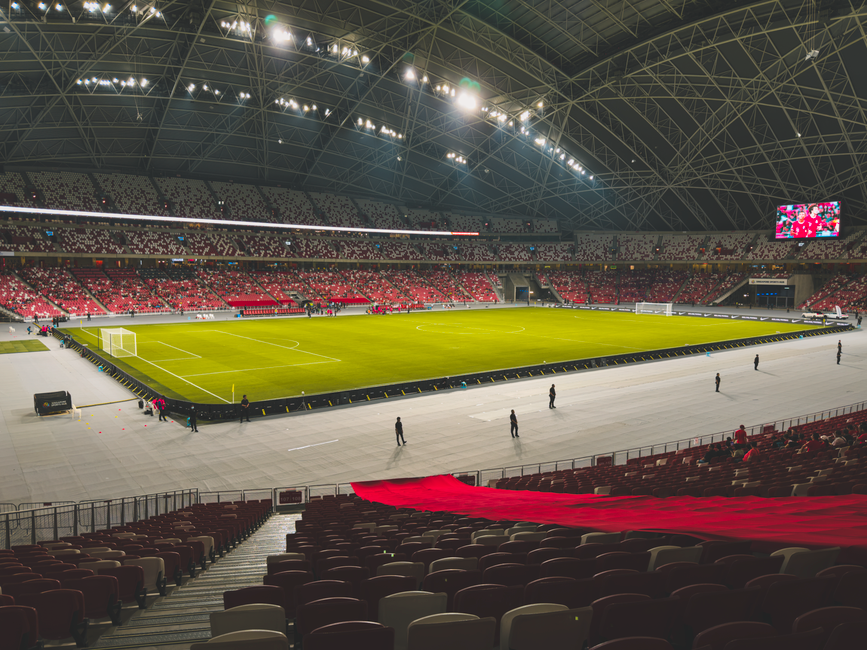
To understand Balkan football, you must experience the venues. They are not just stadiums; they are temples of emotion. The Rajko Mitić Stadium in Belgrade, home to Red Star, is a cauldron of noise and color. On derby days, the atmosphere is overwhelming, with fans creating tifos that stretch across the stands, chanting songs that have been passed down through generations. The acoustics are designed to intimidate, and they succeed. Opposing teams often look shell-shocked before the ball is even kicked.
In Zagreb, the Maksimir Stadium offers a different kind of intensity. It is more modern, more organized, but no less passionate. The fans here are known for their choreography and their unwavering support, even in defeat. The stadium has a history that stretches back to the early 20th century, and it has hosted some of the most memorable matches in Croatian football. The air here is thick with expectation, and every player knows that they are playing on hallowed ground.
How to Follow the Action
For those who want to witness this raw talent in action, the best time to visit is during the European competition nights. The Champions League and Europa League matches are the pinnacle of the season, where Balkan clubs face off against the giants of Europe. Tickets for these matches can be hard to come by, especially for derbies and high-profile European fixtures. It is advisable to book well in advance, and to be prepared for a security-heavy environment. The passion of the fans is real, and the authorities take no chances.
For a more local experience, attend a domestic league match. These games are where the young stars get their first taste of senior football, and the atmosphere is often more intimate and intense. You can find tickets online through the clubs' official websites, or at the box office on match day. Prices are generally affordable, with most seats costing between 10-20 EUR for domestic matches and 20-40 EUR for European games. Food and drink in the stadium are also reasonably priced, with traditional snacks and local beers available throughout.
UEFA Red Star BelgradeThe Final Whistle
As the final whistle blows and the fans pour onto the pitch, I am reminded of why I love this part of the world. It is not just about the football; it is about the people, the passion, and the unyielding belief in the power of sport to change lives. In 2025, the Balkans are not just participating in the global football conversation; they are leading it. The next Messi, the next Ronaldo, the next generational talent is out there, running on a dusty pitch in a small town, dreaming of glory. And we are here to watch.

Comments